
Are you looking to boost your endurance and wondering how often you should hit the cardio workouts? You’re not alone.
The quest for optimal endurance is something many of us strive for, whether it’s to run that extra mile, cycle up that hill without breaking a sweat, or simply keep up with the hustle and bustle of daily life. But how much cardio is enough?
And is there such a thing as too much? Before you lace up those running shoes or hop on that bike, it’s crucial to understand the perfect balance that will maximize your endurance without burning you out. This article will unravel the mystery and provide you with insights you can apply right away. Dive in and discover the secrets that can transform your fitness routine and elevate your endurance to new heights. Your path to peak performance starts here.
Credit: www.lemon8-app.com
Benefits Of Cardio For Endurance
Engaging in cardio workouts three to five times a week boosts endurance. Consistency strengthens the heart and lungs, enhancing stamina over time. Regularly challenging your body with varied exercises helps build lasting endurance.
Cardio exercises are a powerhouse for building endurance, offering numerous benefits that can transform your fitness journey. Whether you’re running, cycling, or swimming, engaging in regular cardio can significantly enhance your stamina. But how does cardio work its magic? Let’s delve into the benefits of cardio for endurance.Enhanced Cardiovascular Health
Engaging in cardio regularly boosts your heart health. As your heart becomes stronger, it can pump blood more efficiently, delivering oxygen and nutrients to your muscles. This improved circulation helps you sustain physical activity longer, making endurance training more effective.Increased Lung Capacity
Cardio exercises train your lungs to use oxygen more efficiently. With improved lung capacity, you’ll find breathing easier during intense workouts. This means you can push through longer cardio sessions without feeling overly fatigued, ultimately improving your endurance.Muscle Strength And Efficiency
Cardio workouts strengthen the muscles used in endurance activities. As your muscles become more efficient, they require less energy to perform the same tasks. This efficiency helps you maintain a steady pace during extended workouts, crucial for building endurance.Mental Resilience
Cardio isn’t just about physical benefits; it also enhances mental toughness. Pushing through challenging cardio sessions builds resilience and confidence. You’ll find that your mindset shifts, allowing you to tackle longer and more demanding workouts with determination.Weight Management
Regular cardio aids in maintaining a healthy weight. With less excess weight to carry, your body becomes more efficient at performing endurance activities. This weight management plays a vital role in sustaining long periods of physical exertion without tiring easily. How often should you do cardio to reap these benefits? Consider your current fitness level and goals. Think about what excites you and keeps you motivated. What small changes can you make today to move closer to your endurance goals?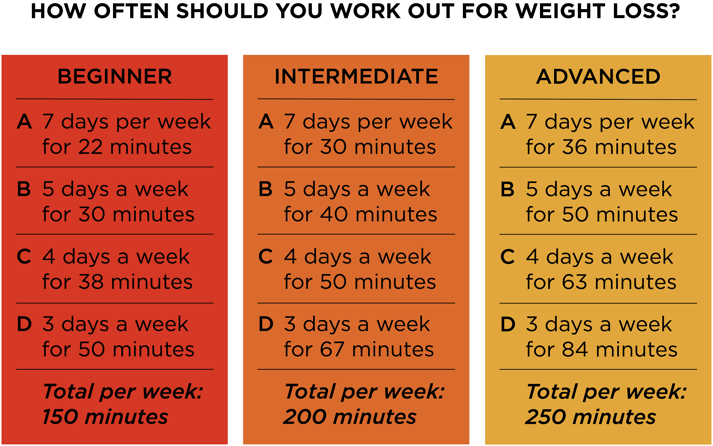
Credit: www.chicagoathleticclubs.com
Factors Influencing Cardio Frequency
Determining how often you should engage in cardio to build endurance involves considering several important factors. Each individual is unique, and what works for one person may not work for another. Understanding these factors can help you tailor a cardio routine that optimally builds your endurance.
Fitness Level
Your current fitness level plays a crucial role in deciding your cardio frequency. Beginners might start with two to three sessions per week to allow the body to adapt. More advanced individuals may find four to six sessions per week beneficial, as their bodies are more accustomed to the demands of regular exercise.
It’s important to listen to your body and adjust as necessary. Feeling constantly fatigued or struggling to recover might indicate you need to scale back or reevaluate your routine.
Goals And Objectives
Clearly defined goals significantly impact how often you should do cardio. If your main aim is to improve endurance for a marathon, more frequent sessions with varied intensities might be needed. On the other hand, if you’re focusing on general fitness, a balanced approach with strength training could be more effective.
Ask yourself what you want to achieve. Is it to run longer distances without tiring? Or to simply improve overall cardiovascular health? This clarity will guide your cardio schedule.
Age And Health Status
Your age and health status can greatly influence how often you should perform cardio exercises. Younger individuals may have the resilience to handle more frequent sessions. However, older adults or those with health concerns might benefit from a moderated approach to avoid overexertion.
Consulting with a healthcare provider can provide valuable insights, especially if you have preexisting conditions. Prioritizing safety ensures a sustainable and effective cardio routine.
Ultimately, the frequency of your cardio sessions should match your personal circumstances and aspirations. Are you pushing yourself too hard, or not enough? Finding the right balance is key to building endurance effectively and safely.
Types Of Cardio Exercises
When aiming to build endurance, it’s essential to choose cardio exercises that align with your fitness goals and current abilities. Each type of cardio offers unique benefits, and understanding these can help you make informed decisions. Let’s explore some popular types of cardio exercises you can include in your routine.
Low-intensity Steady State
Low-Intensity Steady State (LISS) is a great starting point if you’re new to cardio or prefer a less intense workout. Think of activities like brisk walking, cycling at a comfortable pace, or swimming leisurely. These exercises allow you to maintain a steady heart rate over a longer period, which is excellent for building endurance gradually without overexerting yourself.
Imagine taking a long, scenic walk through your favorite park. Not only do you enjoy the surroundings, but you’re also improving your cardiovascular health. How often do you take time to appreciate the simple joys of a leisurely workout?
High-intensity Interval Training
High-Intensity Interval Training (HIIT) offers a dynamic and efficient way to boost your endurance. It involves short bursts of intense exercise followed by brief rest periods. This method not only saves time but also increases your heart rate quickly, making it a powerful endurance builder.
Picture yourself sprinting for a minute, then walking for two. This cycle, repeated over a 20-minute session, can challenge your body in ways you never thought possible. Are you ready to push your limits and see what you’re capable of?
Cross-training Options
Cross-training allows you to mix different types of cardio and other exercises, keeping your routine fresh and engaging. You might combine running with swimming or cycling with rowing. This variety not only prevents boredom but also works different muscle groups, enhancing overall endurance.
Consider joining a group fitness class that combines elements like dancing or kickboxing. These classes offer a fun way to stay motivated while improving your endurance. Have you explored the exciting world of cross-training yet, and if not, what’s holding you back?
By incorporating these diverse cardio exercises into your routine, you can effectively build endurance while keeping your workouts interesting and enjoyable. Remember, the key is consistency and finding activities that you genuinely enjoy.
Weekly Cardio Recommendations
Understanding how often to do cardio is crucial for building endurance. Weekly recommendations vary by fitness level. Tailored plans help maximize benefits while preventing burnout. Regular cardio strengthens your heart, boosts energy, and enhances stamina. Let’s explore guidelines for different experience levels.
Beginner Guidelines
Beginners should start with three days a week. Focus on low-intensity activities like walking or cycling. Gradually increase duration to 20-30 minutes per session. Listen to your body to avoid overexertion. Steady progress builds a solid foundation.
Intermediate Suggestions
Intermediate athletes can aim for four to five days weekly. Mix moderate-intensity workouts with longer sessions. Consider jogging or swimming for 30-45 minutes. Vary intensity for balanced improvement. Incorporate rest days to aid recovery.
Advanced Athlete Plans
Advanced athletes might exercise five to six days a week. Include high-intensity interval training and endurance runs. Sessions can range from 45-60 minutes. Challenge your limits with diverse activities. Ensure adequate recovery to sustain performance.
Signs Of Overtraining
Consistent fatigue and decreased performance can signal overtraining. Balance cardio frequency to enhance endurance without strain. Listen to your body and adjust intensity to prevent burnout.
Feeling the rush of adrenaline as you pound the pavement or pedal furiously is exhilarating. But in your quest to build endurance through cardio, pushing too hard can lead to overtraining. Recognizing the signs can prevent setbacks and keep your fitness journey on track. Overtraining isn’t just about a tired body; it can affect your mind too. Let’s explore the telltale signs that you’re overdoing it.Physical Symptoms
Your body is pretty good at sending signals when it’s had enough. Persistent fatigue, even after a full night’s sleep, can be a red flag. Are you experiencing unusual muscle soreness that just won’t go away? That’s another sign. Sudden drops in performance, like struggling to complete a run that was easy last week, can indicate you’re pushing too hard. Increased heart rate during rest is another clue. Listen to your body; it’s smarter than you might think.Mental And Emotional Indicators
Physical symptoms are just one side of the story. When was the last time you felt truly excited to lace up your sneakers? A lack of motivation can be a subtle sign of overtraining. Mental fatigue often accompanies this. Mood swings or irritability can sneak up on you, affecting not just your workout but your daily life. Are you more anxious or stressed than usual? Your mind needs rest as much as your muscles do. Pay attention to these emotional cues. Recognizing these signs early can make all the difference. Have you experienced any of these symptoms? Taking a step back might be the best way forward.Balancing Cardio With Strength Training
Finding the right balance between cardio and strength training is key for building endurance. Aim for cardio exercises three to five times a week, mixing activities like running or cycling. Complement this with strength workouts to enhance muscle stamina and overall fitness.
Balancing cardio with strength training is essential for building endurance effectively. While cardio boosts your stamina and heart health, strength training strengthens muscles and supports overall body function. The combination ensures you’re not just running longer distances, but running with power and efficiency. Integrating both can enhance your performance, prevent injuries, and keep workouts exciting.Importance Of Strength Work
Strength training is crucial for endurance athletes. It improves muscle efficiency, allowing you to perform cardio exercises with greater ease. Imagine lifting weights; each rep builds muscle fibers that support your cardio routine. With stronger muscles, you reduce fatigue and maintain better form over longer periods. Strength work also helps in injury prevention. By targeting specific muscle groups, you stabilize joints and improve balance.Creating A Balanced Routine
Creating a balanced routine involves integrating both cardio and strength workouts into your weekly schedule. Consider alternating days between cardio and strength training. For instance, focus on running on Mondays and weightlifting on Tuesdays. This approach ensures recovery and maximizes benefits from each workout. Listen to your body. If you’re feeling overly fatigued, adjust your routine to prevent burnout. Mixing up exercises keeps motivation high and challenges your body in new ways. Are you prioritizing one over the other? Remember, balance is key for holistic fitness.Expert Tips For Effective Cardio
Cardio exercises are essential for building endurance and improving overall fitness. Understanding how to optimize your cardio routine can lead to better results and a healthier lifestyle. Here are expert tips to help you make the most of your cardio workouts.
Consistency Is Key
Regular cardio sessions are crucial for building endurance. Aim to exercise several times a week to maintain and improve your stamina. Set a schedule that fits your lifestyle and stick to it. Consistent workouts help your body adapt, making you stronger and more resilient.
Incorporating Variety
Mixing different types of cardio can prevent boredom and improve results. Try activities like running, cycling, swimming, or dancing. Each exercise challenges your body in unique ways. Variety keeps your workouts interesting and engages different muscle groups.
Listening To Your Body
Pay attention to how your body feels during and after workouts. Rest when you need it to avoid injury or burnout. Adjust the intensity based on your energy levels. Listening to your body ensures you stay healthy and motivated.

Credit: www.instagram.com
Frequently Asked Questions
How Often Should I Do Cardio For Endurance?
To build endurance, aim for cardio sessions 3-5 times a week. Consistent workouts enhance cardiovascular health and stamina. Mix different cardio types, like running and cycling, to keep it interesting. Adjust frequency based on fitness level and goals. Always listen to your body and rest when needed.
What Is The Best Cardio For Endurance?
Running, cycling, and swimming are excellent for building endurance. These activities boost cardiovascular health and stamina. Incorporate interval training to enhance results. Choose an activity you enjoy for long-term commitment. Consistency is key, so find a routine that fits your lifestyle.
Can I Build Endurance With Low-intensity Cardio?
Yes, low-intensity cardio can improve endurance over time. Activities like walking or light jogging are effective. Gradually increase duration to challenge your body. Consistency is crucial for building stamina. Combine with other exercises for a balanced fitness routine.
How Long Should Each Cardio Session Last?
Each cardio session should last 30-60 minutes for optimal endurance building. Start with shorter sessions and gradually increase duration. Balance intensity and duration to prevent burnout. Listen to your body and adjust as needed. Consistency is more important than the length of each session.
Conclusion
Building endurance through cardio needs consistent effort. Aim for regular sessions. Start with moderate exercise. Gradually increase duration and intensity. Listen to your body. Rest when needed. Balancing cardio with strength training can boost results. Mix different activities to keep it fun.
Running, cycling, and swimming are great choices. Track progress to stay motivated. Remember, consistency is key. You’ll see improvements over time. Patience and dedication are essential. Tailor your routine to fit your lifestyle. Enjoy the journey towards greater endurance.