
Have you ever wondered how much cardio you really need to boost your endurance? You’re not alone.
Many people struggle to find the right balance between too much and too little exercise. You might feel overwhelmed with conflicting advice from fitness gurus, but fear not—this article is here to clear the fog. Imagine feeling more energetic, conquering long runs with ease, or simply keeping up with your kids without breaking a sweat.
The secret lies in understanding the right amount of cardio for your body. In this guide, we’ll delve into the science of endurance, helping you discover the optimal cardio routine that fits your lifestyle. Ready to unlock your full potential and transform your stamina? Let’s dive in!

Credit: www.tiktok.com
Benefits Of Cardio For Endurance
Cardio exercises boost endurance by increasing heart rate and lung capacity. Improved endurance helps sustain activities longer and with less fatigue. Regular cardio like running or cycling enhances stamina and promotes efficient oxygen use.
Cardio exercises play a crucial role in improving endurance. They enhance the body’s ability to perform prolonged physical activities. Regular cardio workouts increase stamina and overall fitness. This leads to a more active and healthy lifestyle. Let’s explore some benefits of cardio for endurance.Boosts Heart Health
Cardio strengthens the heart and improves blood circulation. A healthy heart pumps blood efficiently, enhancing endurance. It reduces the risk of heart diseases and improves overall cardiovascular health.Increases Lung Capacity
Cardio exercises improve lung efficiency. Better lung capacity means more oxygen intake. This supports muscle function during prolonged activities. Breathing becomes easier and more effective.Enhances Muscle Strength
Regular cardio activities strengthen muscles. They improve muscle endurance, allowing longer periods of activity. Stronger muscles reduce fatigue and enhance performance.Improves Metabolic Rate
Cardio boosts metabolism, burning calories efficiently. A higher metabolic rate provides energy for extended exercises. It supports weight management and improves endurance.Elevates Mood And Motivation
Cardio releases endorphins, boosting mood. A positive mood enhances motivation for regular exercise. This leads to consistent workout routines and improved endurance.Promotes Weight Loss
Cardio exercises help in shedding excess weight. Reduced weight decreases strain on joints and muscles. This allows longer exercise sessions, enhancing endurance.Supports Better Sleep
Regular cardio improves sleep quality. Restful sleep enhances recovery and readiness for exercise. Good sleep supports energy levels and endurance improvement.Reduces Stress And Anxiety
Cardio acts as a stress reliever. Lower stress levels support mental health and focus. This aids in maintaining a consistent workout schedule and endurance growth.Enhances Cognitive Function
Cardio boosts brain health and function. Improved cognition supports focus during workouts. Better focus leads to more effective endurance training.Types Of Cardio Exercises
Cardio exercises are vital for boosting endurance. They keep your heart healthy and improve stamina. Different types of cardio exercises target various muscle groups. Each has unique benefits. Discover which suits your needs best to enhance endurance.
Running And Jogging
Running and jogging are classic cardio exercises. They strengthen your heart and lungs. They burn calories and improve leg strength. Beginners can start with short jogs. Gradually increase distance to build stamina. Running outdoors offers fresh air and scenic views.
Cycling
Cycling is a low-impact cardio exercise. It targets lower body muscles. It is excellent for building endurance. Cycling can be done indoors or outdoors. Stationary bikes allow you to adjust resistance. This helps to challenge your body. Outdoor cycling lets you explore new areas.
Swimming
Swimming is a full-body workout. It engages multiple muscle groups. It is gentle on joints, making it ideal for all ages. Swimming improves lung capacity. Different strokes offer varied intensity levels. Freestyle is popular for building endurance. Swim laps regularly for best results.
Rowing
Rowing exercises both upper and lower body. It simulates rowing a boat. Rowing machines are common in gyms. They provide a balanced cardio workout. Rowing improves heart health and stamina. It strengthens arms, legs, and core. Adjust resistance levels for more challenge.
Optimal Cardio Duration
Finding the optimal cardio duration can be the key to unlocking improved endurance. Whether you’re a seasoned athlete or just starting your fitness journey, understanding the right balance in your cardio routine can make all the difference. Too little, and you might not see the benefits; too much, and you risk burnout or injury. Let’s explore the ideal duration for cardio workouts and discover how different sessions can impact your endurance.
Short Sessions
Short bursts of cardio, typically lasting 15-20 minutes, can be incredibly effective for those pressed for time. These sessions focus on intensity rather than duration, often incorporating high-intensity interval training (HIIT). Imagine a quick morning run or a fast-paced cycle ride. Even though brief, these intense workouts can boost your cardiovascular health and increase your stamina. Do you ever notice how energized you feel after just 20 minutes of vigorous exercise?
Moderate Sessions
Moderate cardio sessions, ranging from 30 to 45 minutes, strike a balance between intensity and sustainability. Think of a brisk walk or a steady jog. These workouts are perfect for building a solid endurance base without overwhelming your body. Regular moderate sessions can enhance your aerobic capacity and improve heart health. Have you found that sweet spot where your workout feels challenging yet manageable?
Long Sessions
Long cardio sessions, lasting over an hour, are often favored by endurance athletes training for marathons or triathlons. These workouts focus on stamina and muscle endurance, requiring a steady pace over a prolonged period. Whether it’s a long run or an extensive cycling session, these workouts can significantly boost your endurance levels. Are you ready to test your limits and see how far you can go?
Choosing the right duration depends on your goals, fitness level, and schedule. Experiment with different lengths to find what suits you best. Remember, it’s not just about how long you exercise, but how consistently you do it. What’s your favorite way to challenge your endurance with cardio?
Credit: www.facebook.com
Frequency For Best Results
Regular cardio sessions, ideally 3-5 times a week, can significantly enhance endurance. Consistency helps improve heart and lung efficiency, boosting stamina over time.
Finding the perfect frequency for cardio workouts can be the key to enhancing your endurance without overloading your body. The right balance not only boosts your stamina but also ensures you enjoy your fitness journey. How often should you lace up your shoes and hit the pavement?Weekly Cardio Schedule
Creating a weekly cardio schedule is essential for tracking progress and staying consistent. Aim for at least three to five sessions a week, each lasting 20 to 60 minutes, depending on your fitness level. Mix it up to keep things exciting. Include activities like running, cycling, swimming, or even dancing. Variety not only prevents boredom but also challenges different muscle groups.Balancing Cardio And Rest
Balancing cardio with rest days is crucial to avoid burnout and injury. Incorporate rest days to allow your muscles to recover and grow stronger. Listen to your body. Feeling fatigued or experiencing muscle soreness? It might be a sign to take a day off or engage in light activity like walking or yoga. Remember, endurance isn’t built overnight. Consistency and patience will lead you to the results you desire. How does your current routine stack up? Consider tweaking it to optimize your performance.Intensity Levels
Cardio exercises boost endurance by increasing heart rate and lung capacity. Vary intensity levels for optimal results. Balance between moderate and vigorous workouts enhances stamina and energy.
Understanding how cardio intensity levels affect your endurance can be a game-changer for your fitness journey. Each level, from low to high intensity, offers unique benefits and challenges. Choosing the right intensity can help you achieve your endurance goals more effectively.Low-intensity Cardio
Low-intensity cardio is gentle on your body, making it perfect for beginners or those looking to recover. Activities like walking or leisurely cycling fall into this category. These exercises can still improve endurance by increasing your aerobic capacity without overwhelming your system. Consistency is key, so aim for longer durations to reap the benefits.Moderate-intensity Cardio
Moderate-intensity cardio is where many of us find our sweet spot. Think of jogging or brisk walking. This level balances effort with sustainability, allowing you to maintain a steady pace. Over time, these activities enhance your heart and lung efficiency. Have you ever noticed how climbing stairs becomes easier after a few weeks of regular moderate exercise?High-intensity Cardio
High-intensity cardio pushes your limits, demanding more from your muscles and heart. Activities like sprinting or high-intensity interval training (HIIT) fall under this category. These short bursts can drastically improve your endurance and overall fitness. But are you ready to push your boundaries? Make sure to listen to your body and allow adequate recovery to avoid burnout. Choosing the right intensity level for your cardio can make all the difference. Which level aligns with your current goals and fitness level?Combining Cardio With Strength Training
Combining cardio with strength training can dramatically boost your endurance. Cardio exercises like running and cycling improve your heart and lung capacity. Strength training, on the other hand, builds muscle and increases power. Together, they create a balanced workout routine. This combination enhances overall fitness levels. It also helps prevent injuries by strengthening muscles and joints. Integrating both types of exercise offers a well-rounded approach to endurance improvement.
Benefits Of Cross-training
Cross-training combines different exercise types for diverse benefits. It helps reduce the risk of overuse injuries. Alternating between cardio and strength keeps workouts interesting. Your body adapts better to varied physical demands. Cross-training also leads to improved performance in other sports. It maintains motivation by preventing workout monotony.
Sample Training Plans
A balanced routine includes both cardio and strength exercises. Here’s a simple weekly plan:
- Monday:30-minute run and upper body strength training.
- Wednesday:45-minute cycling and core exercises.
- Friday:30-minute swim and lower body strength training.
This plan ensures a mix of cardio and strength each week. Adjust based on your fitness level and goals. Always listen to your body and rest as needed.
Nutrition For Endurance
Nutrition plays a crucial role in enhancing endurance during cardio workouts. The right fuel can significantly improve your performance and recovery, making your exercise more effective. Understanding what to eat before and after workouts can make all the difference in achieving your fitness goals.
Pre-workout Nutrition
Before you hit the treadmill or take on that cycling challenge, consider what’s on your plate. Eating a balanced meal 2-3 hours before your workout ensures you have enough energy. Focus on carbohydrates, as they are your body’s primary fuel source for high-intensity activities.
Simple snacks like a banana or a slice of whole-grain bread with peanut butter can provide a quick energy boost. Hydration is equally important, so make sure you drink enough water to stay hydrated. Think about how your body feels—are you energized or sluggish? Adjust your pre-workout nutrition accordingly.
Post-workout Recovery
After a demanding cardio session, your muscles need to recover and rebuild. Consuming protein and carbohydrates within 30 minutes to an hour post-exercise can aid in this process. Consider a smoothie with protein powder and fruits or a bowl of yogurt with some nuts.
Replenishing fluids lost through sweat is also essential. Opt for water or an electrolyte drink if your workout was particularly intense. Reflect on your recovery—do you feel refreshed and ready for the next session? Fine-tune your post-workout nutrition to support your endurance journey.
Understanding and implementing proper nutrition can greatly enhance your cardio endurance. What changes can you make to your diet today to boost your performance tomorrow?
Tracking Progress
Boosting endurance through regular cardio exercises can significantly enhance stamina. Consistent workouts help the body use oxygen better, leading to improved performance.
Tracking your progress is crucial when working on improving your endurance through cardio. It not only helps you stay motivated but also ensures that you are on the right path towards your fitness goals. By keeping a close eye on your achievements and setbacks, you can adjust your routine to maximize results. Plus, it gives you a clear picture of how much your endurance has improved over time. Let’s explore some practical ways to track your progress effectively.Using Fitness Apps
Fitness apps have revolutionized how we track our workouts. They provide detailed insights into your performance, including duration, distance, and calories burned. With features like goal-setting and progress tracking, you can see your improvements in real-time. For instance, apps like Strava and MyFitnessPal allow you to log your cardio activities, compare them with past sessions, and even share your milestones with friends for added motivation. Another advantage is the ability to customize your workout plans. Tailor your cardio sessions to challenge yourself progressively. This way, you can ensure that you’re constantly pushing your limits while keeping track of your endurance gains.Monitoring Heart Rate
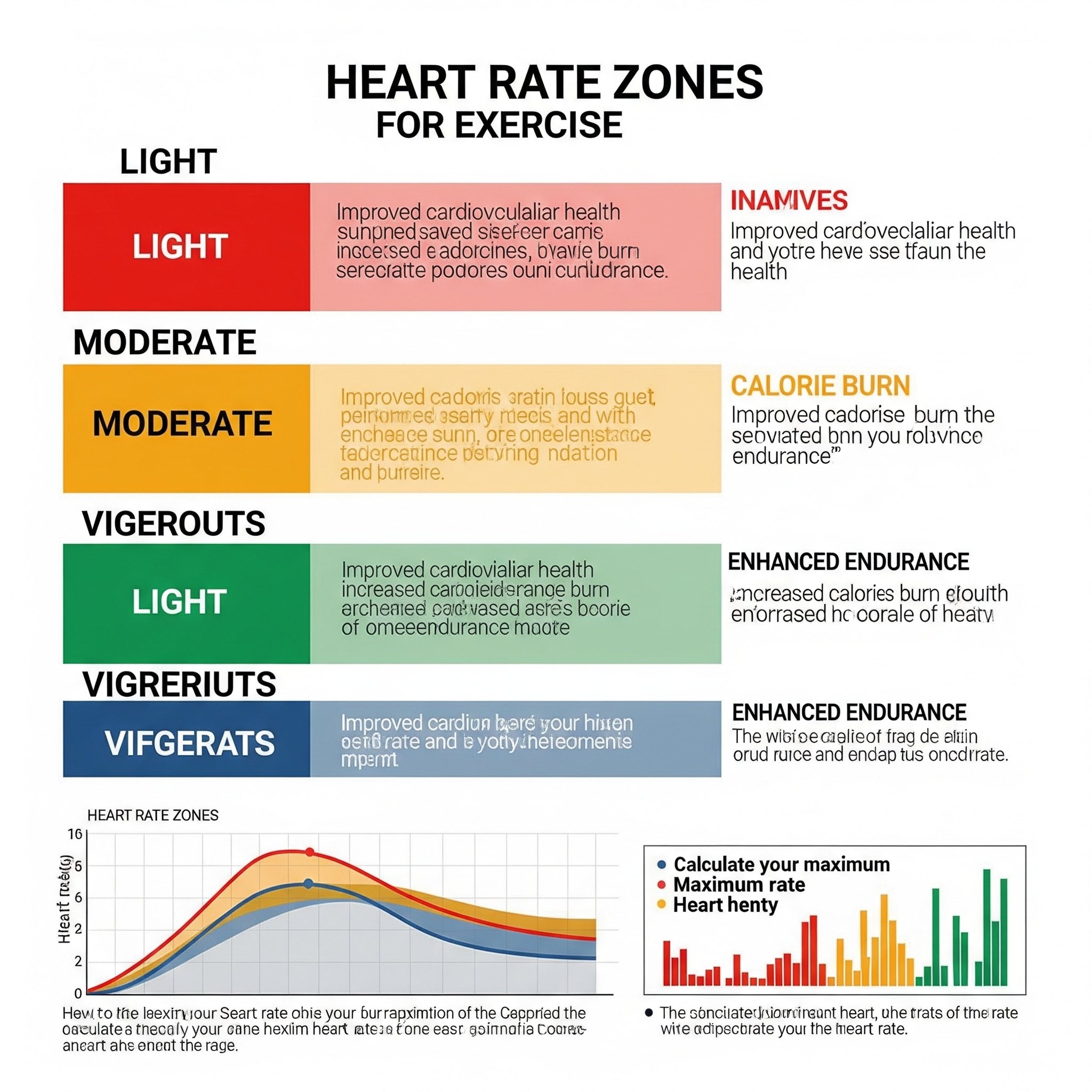
Monitoring your heart rate is an excellent way to gauge your endurance levels. It gives you real-time feedback on how hard your heart is working during exercise. Using a heart rate monitor, you can determine your target heart rate zone for optimal endurance training. Staying within this zone ensures that you’re working out efficiently without overexerting yourself. Pay attention to how quickly your heart rate returns to normal post-exercise. A faster recovery rate often indicates improved cardiovascular fitness and endurance. Keep a log of your heart rate data to see how your endurance progresses over weeks and months. Engage with these tools and methods to track your cardio progress effectively. How will you know if you’re on the right track if you don’t have the data to prove it? Tracking your progress is not just about numbers; it’s about understanding your body’s response and adapting your strategy for continuous improvement.Common Mistakes To Avoid
Improving endurance through cardio is a journey many embark on with enthusiasm. However, common mistakes can hinder progress and even lead to setbacks. Understanding these pitfalls is crucial in crafting an effective and sustainable cardio routine. Let’s delve into some key missteps you should avoid.
Overtraining Risks
It’s easy to think that more cardio equals better endurance. Yet, overtraining can lead to fatigue, decreased performance, and even injury. Your body needs time to recover and adapt. Listen to your body’s signals. If you feel overly exhausted or experience persistent soreness, it might be time to dial back.
Consider integrating rest days or lighter activities into your schedule. This approach not only aids recovery but also enhances overall endurance. Have you ever found yourself stuck in a plateau despite increased workouts? It might be your body begging for a break.
Ignoring Warm-ups And Cool-downs
Skipping warm-ups and cool-downs is a common mistake that can compromise your endurance training. Warm-ups prepare your muscles and heart for the workout ahead, reducing the risk of injury. They don’t have to be complex. Simple dynamic stretches or light jogging can suffice.
Cool-downs are equally important. They help gradually bring your heart rate back to normal and prevent muscle stiffness. Consider dedicating a few minutes post-workout to stretching. Have you noticed your muscles feeling tight or sore the next day? A proper cool-down might be the missing link.

Credit: www.linkedin.com
Frequently Asked Questions
How Much Cardio Is Needed To Improve Endurance?
To improve endurance, aim for at least 150 minutes of moderate cardio weekly. This can be spread over five days, with sessions lasting 30 minutes each. Consistency is key to building endurance over time. Adjust intensity and duration based on fitness levels and goals.
Can Too Much Cardio Affect Muscle Growth?
Yes, excessive cardio can hinder muscle growth. High volumes of cardio can lead to muscle breakdown if not balanced with strength training. To preserve muscle, incorporate weightlifting and ensure adequate protein intake. Monitor your body’s response and adjust cardio frequency as needed for optimal results.
What Types Of Cardio Boost Endurance Best?
Running, cycling, and swimming are excellent for boosting endurance. These activities engage large muscle groups and enhance cardiovascular fitness. Incorporating varied intensities and durations can further improve endurance. Choose activities you enjoy to stay consistent and motivated in your cardio routine.
How Quickly Will Endurance Improve With Cardio?
Endurance improvements can be noticed within four to six weeks of consistent cardio. Progress depends on initial fitness levels and workout intensity. Gradually increasing duration and intensity will yield better results. Track your progress to stay motivated and adjust your routine as needed for continuous improvement.
Conclusion
Cardio boosts endurance. Regular exercise strengthens the heart and lungs. It helps muscles work longer without tiring. Aim for 30 minutes of cardio most days. Cycling, running, and swimming are great options. Listen to your body and increase intensity gradually.
Stay consistent. Results take time and effort. Enjoy the journey, not just the goal. Endurance improves with dedication. Remember, balance is key. Mix cardio with strength training for best results. Keep it fun and engaging. Find activities you love. They make workouts enjoyable.
Better endurance leads to healthier, more active life. Start today and feel the difference!