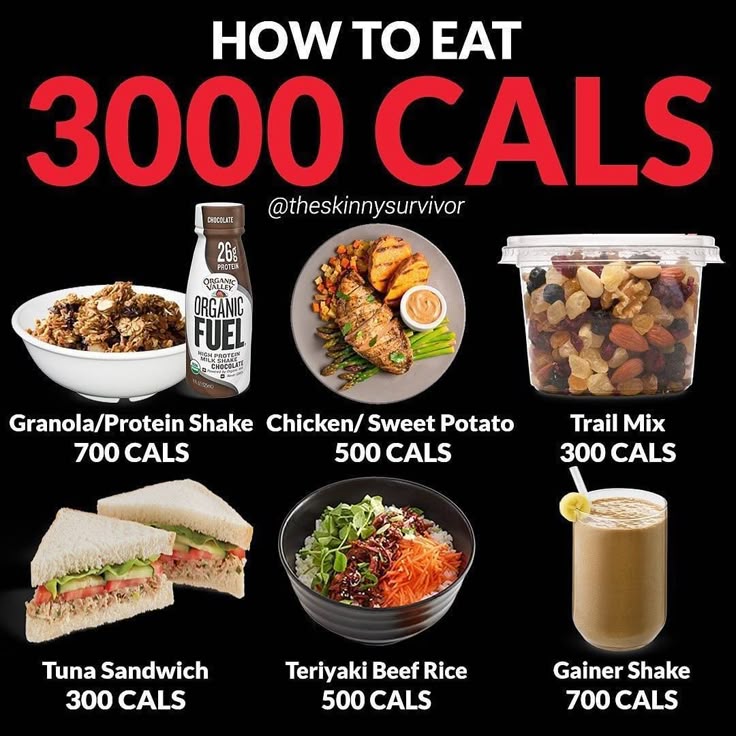
Are you eager to build muscle and transform your physique, but unsure how many calories you should consume each day? You’re not alone.
Navigating the world of nutrition can be overwhelming, especially when you’re trying to fuel muscle growth effectively. The right calorie intake is crucial, and getting it wrong could mean the difference between achieving your dream body and spinning your wheels with no results.
This article is here to simplify that process for you. We’ll break down exactly how many calories you need to support muscle growth, ensuring your efforts in the gym don’t go to waste. Ready to unlock the secrets to optimal muscle gain? Let’s dive in and get you on the path to success.

Credit: www.youtube.com
Caloric Needs For Muscle Growth
Understanding your caloric needs is crucial for muscle growth. Eating enough calories helps fuel workouts and supports muscle repair. Finding the right balance of calories is key. It ensures muscle gain without excess fat.
Factors Affecting Caloric Requirements
Several factors influence how many calories you need to build muscle:
- Age: Younger people often need more calories.
- Gender: Men typically require more calories than women.
- Activity level: Active individuals need more calories.
- Body composition: Muscle mass increases caloric needs.
Each person’s needs vary. Tailor your caloric intake to your lifestyle and goals.
Role Of Basal Metabolic Rate
Basal Metabolic Rate (BMR) plays a vital role. It represents the number of calories your body needs at rest. BMR accounts for essential functions like breathing and digestion. Calculating BMR helps estimate daily caloric needs.
To grow muscle, consume more than your BMR. This extra energy supports exercise and muscle repair. Adjusting caloric intake based on BMR can optimize muscle growth.
Macronutrient Breakdown
Building muscle requires a careful balance of macronutrients. These nutrients help fuel workouts and support recovery. Understanding the macronutrient breakdown is essential for effective muscle gain. Each macronutrient plays a unique role in muscle building. Optimizing their intake can lead to better results.
Importance Of Protein
Protein is vital for muscle repair and growth. It provides the building blocks for muscle fibers. Consuming adequate protein helps maintain muscle mass. Aim for high-quality protein sources like chicken, fish, and beans. Protein shakes can be a convenient option post-workout.
Role Of Carbohydrates
Carbohydrates are the body’s main energy source. They fuel workouts and help replenish glycogen stores. Choose complex carbs like whole grains and vegetables. These provide sustained energy and are packed with nutrients. Timing carb intake around workouts can boost performance.
Impact Of Fats
Fats support hormone production and energy. Healthy fats like avocados and nuts are beneficial. They aid in muscle recovery and overall health. Don’t eliminate fats from your diet. Balance is key to avoiding energy dips and supporting muscle growth.
Adjusting Caloric Intake
Adjusting caloric intake is key to muscle building. Eating the right amount fuels growth. Not too much, not too little. It’s like finding the sweet spot for gains. Understanding your needs makes all the difference.
Calculating Your Daily Needs
First, know your basal metabolic rate (BMR). It helps determine daily calorie needs. Use online calculators for easy estimates. Age, weight, height, and gender matter. Activity level plays a role too. More activity means more calories needed.
After finding BMR, add calories for workouts. Typically, 300 to 500 extra calories support muscle growth. Keep track of your progress. Adjust as needed. Listen to your body. It tells you what it needs.
Modifying Intake For Different Goals
Goals vary from person to person. Some want quick muscle gains. Others aim for slow, steady growth. Quick gains need more calories. But be cautious. Excess can lead to unwanted fat.
For steady growth, increase calories gradually. Monitor changes in strength and size. Use a food journal. Record daily intake. It helps spot patterns. Adjust if results stall.
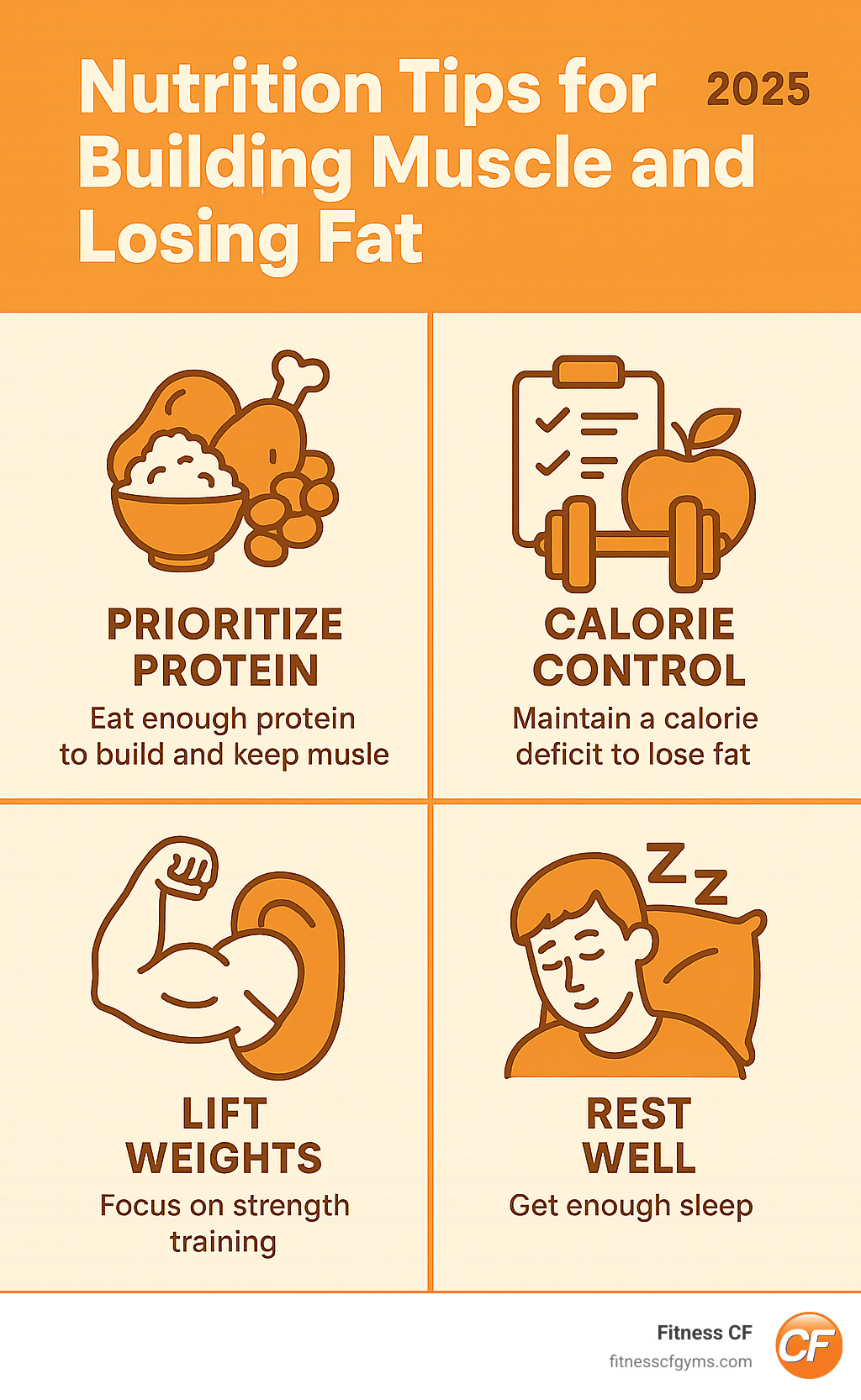
Consider protein intake. Crucial for muscle repair and growth. Aim for 1.6 to 2.2 grams per kilogram of body weight. Balance carbs and fats too. They provide energy and help recovery.
Credit: fitnesscfgyms.com
Timing And Frequency Of Meals
Eating at consistent times helps muscle growth. Regular meals with enough calories support muscle building. Aim for balanced meals throughout the day to meet daily caloric needs.
Understanding the timing and frequency of your meals can significantly impact your muscle-building goals. It’s not just about the number of calories you consume, but also when you consume them. Eating at the right times can boost your energy levels, improve muscle recovery, and enhance your overall performance. Are you eating in a way that truly supports your muscle growth?Optimal Meal Schedule
Creating an optimal meal schedule involves more than just eating three square meals a day. Spacing out your meals strategically can help maintain steady energy levels and support muscle protein synthesis. Aim to eat every 3-4 hours to give your body a constant supply of nutrients. This approach helps in keeping your metabolism active and your muscles nourished. Consider starting your day with a protein-rich breakfast to kickstart muscle repair and growth. Don’t forget a pre-workout snack for energy and a post-workout meal to aid recovery.Benefits Of Smaller Frequent Meals
Switching to smaller, more frequent meals can offer numerous advantages. It keeps your metabolism engaged, which can help in maintaining a healthy weight and ensuring efficient nutrient absorption. This method can also prevent the energy crashes that large meals might cause. Frequent eating means your body always has the fuel it needs to repair and build muscles. Smaller meals can also be easier on your digestive system, preventing the sluggishness that often follows large meals. Are you ready to try a new eating schedule that maximizes your muscle-building potential?Influence Of Exercise On Caloric Needs
Understanding how exercise influences your caloric needs is crucial when aiming to build muscle. Your workout routine directly impacts the number of calories you should consume daily. Each type of exercise demands different energy levels, and knowing how to adjust your diet accordingly can make all the difference in achieving your muscle-building goals.
Impact Of Strength Training
Strength training is a powerhouse for muscle growth. It requires your body to expend a significant amount of energy. As you lift weights or perform resistance exercises, your muscles break down and need calories to rebuild stronger. Think of this as a construction project; more intensity means more building materials—or calories. If you’re increasing the weight or frequency of your workouts, consider boosting your caloric intake by 200-500 calories a day. This adjustment helps ensure your muscles have enough fuel to repair and grow.
What happens when you don’t get enough calories? You might start feeling fatigued and notice slower progress. This is a sign your body isn’t getting the fuel it needs. Have you ever felt that mid-week slump? Sometimes, it’s simply a matter of not eating enough to support your workout efforts. Listen to your body and make minor tweaks to your diet as needed.
Cardio Considerations
Cardio exercises are often seen as the enemy of muscle gain, but they play a valuable role too. While these exercises burn calories, they also improve cardiovascular health, which supports overall fitness. The key is to balance cardio with strength training. If you’re doing high-intensity cardio regularly, you might need to increase your caloric intake to prevent muscle loss. This might mean adding an extra snack or a larger portion at meal times.
Ever wondered why some people struggle with maintaining muscle while doing cardio? It often boils down to insufficient calorie consumption. If you’re engaging in extensive cardio sessions, ensure you replenish the calories burned. This approach maintains your energy levels and supports muscle retention.
Adjusting your caloric intake based on exercise type is not just about the numbers; it’s about listening to your body and responding to its needs. Consider keeping a food journal or using an app to track how your body responds to different workouts and dietary adjustments. Your body is unique, and finding the right balance is essential for your muscle-building journey. Are you ready to optimize your diet for your workout routine?
Monitoring Progress And Adjustments
Building muscle is not just about lifting weights. It’s a balance of exercise, nutrition, and tracking progress. Monitoring your progress helps you see what works best. Adjusting your calorie intake is key to muscle growth. Let’s dive into how to effectively monitor and adjust your diet for muscle gain.
Tracking Changes In Muscle Mass
Regularly check your muscle growth. Use a scale or body measurements. Consistency is important. Measure at the same time weekly. Record these numbers in a journal or app. Look for trends over time. Are your muscles growing? Seeing little change might mean adjusting your diet.
Adapting Diet Based On Results
Review your progress every few weeks. Are you gaining muscle as planned? If muscle growth is slow, increase your calorie intake slightly. Focus on protein-rich foods. Protein helps build and repair muscle. Noticing fat gain? Consider reducing carbs or fats. Balance is crucial.
Monitor how your body reacts. Adjust your diet accordingly. Track changes and make small tweaks. This helps find the perfect balance for muscle growth.
Common Mistakes To Avoid
Consuming too few calories can hinder muscle growth. Overeating leads to fat gain instead of muscle. Balance is key for optimal results.
Building muscle is an exciting journey, but it’s easy to make mistakes along the way. When trying to determine how many calories to consume each day, many fall into common pitfalls. These missteps can hinder your progress and leave you frustrated. So, what should you watch out for?Overeating And Undereating
Finding the balance between overeating and undereating can be tricky. Some think consuming massive amounts of food will automatically translate into muscle gains. Unfortunately, this often leads to unnecessary fat gain rather than muscle. On the flip side, undereating can be equally damaging. You might be afraid of gaining fat, but not eating enough deprives your body of the energy it needs to build muscle. I once tried to cut calories drastically, hoping for lean gains, but ended up feeling fatigued and seeing minimal progress in the gym.Ignoring Nutrient Quality
Calories aren’t just numbers; they’re the building blocks of your body. Focusing solely on hitting a calorie target without considering nutrient quality can be a mistake. A diet high in processed foods might meet your calorie goal but lacks essential nutrients for muscle growth. Think about the last meal you had. Was it packed with vitamins, minerals, and protein? Or was it just empty calories? Prioritize whole foods like lean meats, whole grains, fruits, and vegetables. These not only support muscle growth but also improve your overall health. Are you making any of these mistakes? Taking a moment to reflect can set you on the right path to achieving your muscle-building goals.
Credit: www.tiktok.com
Frequently Asked Questions
How Many Calories To Gain Muscle?
To gain muscle, consume around 250 to 500 extra calories daily. Adjust according to your activity level and body composition. Prioritize protein-rich foods to support muscle growth. Monitor progress and adjust intake for optimal results. Consult a nutritionist for personalized guidance.
What Is The Best Calorie Surplus For Muscle?
A calorie surplus of 250 to 500 calories is ideal. This range supports muscle growth without excessive fat gain. Individual needs may vary. Track your progress and make adjustments as necessary for optimal muscle development.
How Do I Calculate Calories For Muscle Gain?
Calculate your Total Daily Energy Expenditure (TDEE) and add 250-500 calories for a surplus. This supports muscle gain. Use online calculators for accuracy. Adjust intake based on results and goals. Consider consulting a nutritionist for personalized advice.
Is A 500 Calorie Surplus Too Much?
A 500 calorie surplus is generally safe for muscle gain. However, it may lead to fat gain for some. Monitor your body’s response and adjust intake if needed. Individual needs can vary based on activity level and metabolism.
Conclusion
Understanding daily calorie needs helps muscle growth. Balance is crucial. Consume enough calories for energy and recovery. Protein intake matters too. Track your progress and adjust calories if needed. Listen to your body. Stay hydrated for optimal results. Nutrients play a role in muscle building.
Plan meals wisely. Consistency leads to success. Don’t rush the process. Patience is key to building muscle. Rest and sleep support your efforts. Consult a nutritionist for tailored advice. Stay committed to your goals. Building muscle takes time and dedication.
Keep learning about nutrition for better results.