
Have you ever walked into the gym, looked around, and wondered, “How long should my workout be?” You’re not alone.
Many people struggle with finding the right duration for their gym sessions. You might worry if you’re spending too little time to make a difference or too much time, risking burnout. The truth is, there’s no one-size-fits-all answer. The ideal workout length can vary based on your personal goals, fitness level, and the type of exercises you enjoy.
But here’s where it gets interesting: understanding the right balance can be the key to unlocking your fitness potential. Imagine achieving your goals more effectively, feeling more energized, and even saving time. We’ll delve into the science and strategies behind determining the optimal workout duration for you. By the end, you’ll have a clear idea of how to make every gym visit count. Ready to discover the perfect workout length tailored just for you? Let’s dive in!
Factors Influencing Workout Duration
Workout duration depends on fitness goals, experience level, and intensity. Beginners might need shorter sessions, while advanced athletes may benefit from longer routines. Balancing cardio, strength, and flexibility exercises also influences time spent at the gym.
Factors Influencing Workout Duration Determining the ideal gym workout length can be tricky. Many factors come into play. Each person has unique needs and goals. Understanding these can help tailor the perfect workout plan.Fitness Goals
Your fitness goals play a key role in workout duration. Aiming for weight loss might require longer sessions. If building muscle, shorter, intense workouts might be best. Endurance training often needs extended periods.Experience Level
Beginners should start with shorter workouts. This helps prevent injury and burnout. As experience grows, workout length can increase. Advanced gym-goers might handle longer, more intense sessions.Type Of Exercise
Different exercises demand varied time commitments. Cardio sessions usually last longer than strength training. High-intensity interval training (HIIT) is effective in shorter bursts. Yoga and pilates often need more time for relaxation.Benefits Of Short Workouts
Short workouts can boost energy and improve focus. They’re perfect for busy schedules and can be as effective as longer sessions, helping maintain fitness without feeling overwhelmed.
Short workouts offer a range of benefits for gym enthusiasts. These workouts maximize efficiency while minimizing time spent in the gym. They help in achieving fitness goals without the need for hours of exercise. Many people find them beneficial for maintaining a consistent workout routine.Time Efficiency
Short workouts save precious time. They fit easily into busy schedules. You can complete effective exercises in less than an hour. This time-saving approach is ideal for those juggling work and family. Quick sessions make fitness accessible to everyone.Reduced Fatigue
Less time in the gym means less fatigue. Short workouts are easier on the body. They help in avoiding burnout from long sessions. You feel energized rather than exhausted. This encourages regular exercise without overwhelming fatigue.Improved Focus
Brief workouts enhance concentration. Shorter durations help you focus on each exercise. You give full attention to your form and technique. This improves the quality of your workout. Concentrated efforts lead to better results in less time.Advantages Of Longer Workouts
Longer workouts can enhance endurance and improve overall fitness levels. They offer more time for muscle building and calorie burning. Extended sessions also provide mental health benefits, reducing stress and promoting relaxation.
Longer workouts can be a game-changer for your fitness journey. While short, intense sessions have their perks, extending your workout duration can offer unique benefits that might surprise you. These advantages aren’t just about burning more calories; they’re about building a more resilient and versatile body. Let’s dive into how longer workouts can enhance your fitness routine.Enhanced Endurance
Imagine running a marathon without breaking a sweat. Longer workouts are your ticket to building unparalleled stamina. By spending more time exercising, your body adapts to sustained effort, improving cardiovascular health and muscle endurance. This extended time under tension trains your body to efficiently use energy, pushing your limits gradually. You’ll notice that daily activities become easier, and your ability to tackle longer physical challenges improves significantly.Comprehensive Training
Longer workouts provide the luxury of variety and depth. Instead of rushing through your routine, you have the time to focus on different muscle groups and incorporate diverse exercises. This holistic approach ensures that no part of your body is neglected. Consider using this extra time for stretching, cooldowns, and even meditation. These elements not only improve physical flexibility but also enhance mental clarity and relaxation. Your workout becomes a full-body and mind experience.Skill Development
Ever wanted to master a new skill, like perfecting your squat or finally nailing that yoga pose? Longer workouts give you the space to refine your techniques and learn new skills. With more time, you can break down movements, practice, and correct your form. This focused attention allows for gradual improvement and mastery, turning your workout sessions into a learning experience. Are you ready to challenge yourself and see what you can achieve with just a little more time at the gym?
Credit: www.menshealth.com
Balancing Duration And Intensity
Finding the right workout length can optimize results and prevent burnout. Balance short, intense sessions with longer, moderate workouts. Tailoring gym time to personal fitness goals enhances performance and enjoyment.
Balancing the duration and intensity of your gym workouts can significantly impact your fitness progress. It’s not just about how long you spend in the gym but how effectively you use that time. The challenge is to find the right mix that maximizes your results without overtaxing your body. How do you ensure you’re getting the most out of your workouts without overdoing it? Let’s delve into some key considerations.Intensity Vs. Volume
When you think about workout intensity, you’re focusing on how hard you’re pushing yourself. High-intensity training can be incredibly effective for building strength and endurance in shorter sessions. You might spend just 30 minutes in the gym, but if those minutes are packed with challenging exercises, your results can be impressive. On the other hand, workout volume revolves around the total amount of work you’re doing. Longer sessions with lower intensity can help in building muscle endurance. If you’re lifting lighter weights for more repetitions, you’re adding volume to your workout. Which approach suits you better? It depends on your goals. If you’re aiming for explosive power or weight loss, high intensity might be your ally. For overall endurance or muscle growth, consider focusing more on volume.Recovery Considerations
Recovery is just as important as the workout itself. Overtraining without adequate rest can lead to fatigue and potential injuries. Have you noticed feeling constantly tired or sore? This could be your body’s way of telling you to dial back the intensity or volume. Ensure you incorporate rest days into your routine. This allows your muscles to repair and grow stronger. You might find that cutting back on workout duration or intensity leads to better long-term results. Listening to your body is crucial. If you feel unusually drained after your sessions, it may be time to reassess your routine. Balancing workout intensity and duration with proper recovery can lead to a more sustainable and enjoyable fitness journey.Customizing Workout Length
Customizing workout length depends on fitness goals and available time. Beginners might start with 30-minute sessions. Advanced gym-goers could aim for longer workouts, around 60 minutes. Balancing time and intensity helps achieve effective results.
Customizing your workout length can be a game-changer in your fitness journey. It’s not just about sticking to a rigid schedule but finding what truly fits your lifestyle and goals. Whether you’re a morning person who loves short, intense sessions or someone who enjoys leisurely evening workouts, tailoring the duration can make all the difference.Personal Preferences
Your workout should reflect your personal preferences and lifestyle. If you’re a busy professional, short and effective workouts might be your best bet. On the other hand, if you find solace in longer gym sessions, don’t hesitate to dedicate that time to yourself. Consider what feels right for your body and mind. Do you thrive on quick bursts of energy, or does a slow and steady approach suit you better? Tailoring your workout length to your natural rhythm can increase your motivation and consistency.Adjusting For Progress
Adjusting workout length as you progress is crucial. As your stamina and strength improve, you might find that your old routine no longer challenges you. Extending your sessions or adding more intensity can help continue your growth. On the flip side, if you notice fatigue or a plateau, consider shortening your workouts temporarily. Giving your body time to recover can be just as beneficial as pushing harder. Are you listening to your body’s signals and adapting your workouts accordingly? Finding the right balance can make your fitness journey both enjoyable and effective. Remember, the perfect workout length is the one that keeps you coming back for more.Common Duration Mistakes
Many people struggle with determining the right workout duration. It’s easy to make mistakes that affect progress. The duration of your gym session plays a crucial role in achieving fitness goals. Knowing common pitfalls can help improve your workout routine.
Overtraining Risks
Overtraining can lead to exhaustion and injuries. Your body needs time to recover. Long workouts don’t always mean better results. Muscles grow during rest, not during exercise. Overtraining might reduce your performance. It can also impact your mood and sleep. Listen to your body and give it time to heal.
Undertraining Pitfalls
Undertraining can slow your progress. Short workouts might not challenge your muscles enough. You need to push your limits to see improvements. Failing to work out long enough might stall your fitness journey. Balance is key for effective results. Ensure your sessions challenge but don’t overwhelm you.
Tips For Optimal Workout Duration
Finding the right workout duration is key for effective gym sessions. Aim for 45 to 60 minutes per session. Shorter workouts can be more intense, while longer ones allow for a balanced routine. Adjust time based on goals and fitness level for best results.
Getting the most out of your gym workout often hinges on finding the right balance in workout duration. Striking this balance involves understanding your body’s signals and setting goals that are both challenging and attainable. Whether you’re a gym newbie or a seasoned athlete, optimizing your workout time can enhance your fitness journey significantly.Listening To Your Body
Your body is the best guide to determine how long your workouts should be. While some days you might feel energetic and ready to tackle a longer session, other days might require a shorter, more focused workout. Pay attention to how you feel during and after your workouts. Feeling fatigued or overly sore might be a sign to scale back. On the other hand, if you finish your workout feeling like you could do more, you might need to extend your sessions slightly. Remember, it’s not just about the time spent at the gym. The quality of your workout matters more than the duration. Listen to your body’s cues to find the sweet spot that works for you.Setting Realistic Goals
Establishing achievable goals is crucial for determining workout duration. If your goal is to build endurance, you might need longer sessions with moderate intensity. Conversely, for strength training, shorter, high-intensity sessions may be more effective. Break your goals down into smaller, actionable steps. If you’re aiming to lose weight, a mix of cardio and strength training spread throughout the week can be beneficial. Ask yourself, what are you hoping to achieve with your workouts? Setting clear, realistic goals not only helps in determining workout length but also keeps you motivated and focused. Ultimately, it’s about finding a balance that aligns with your personal fitness objectives and lifestyle.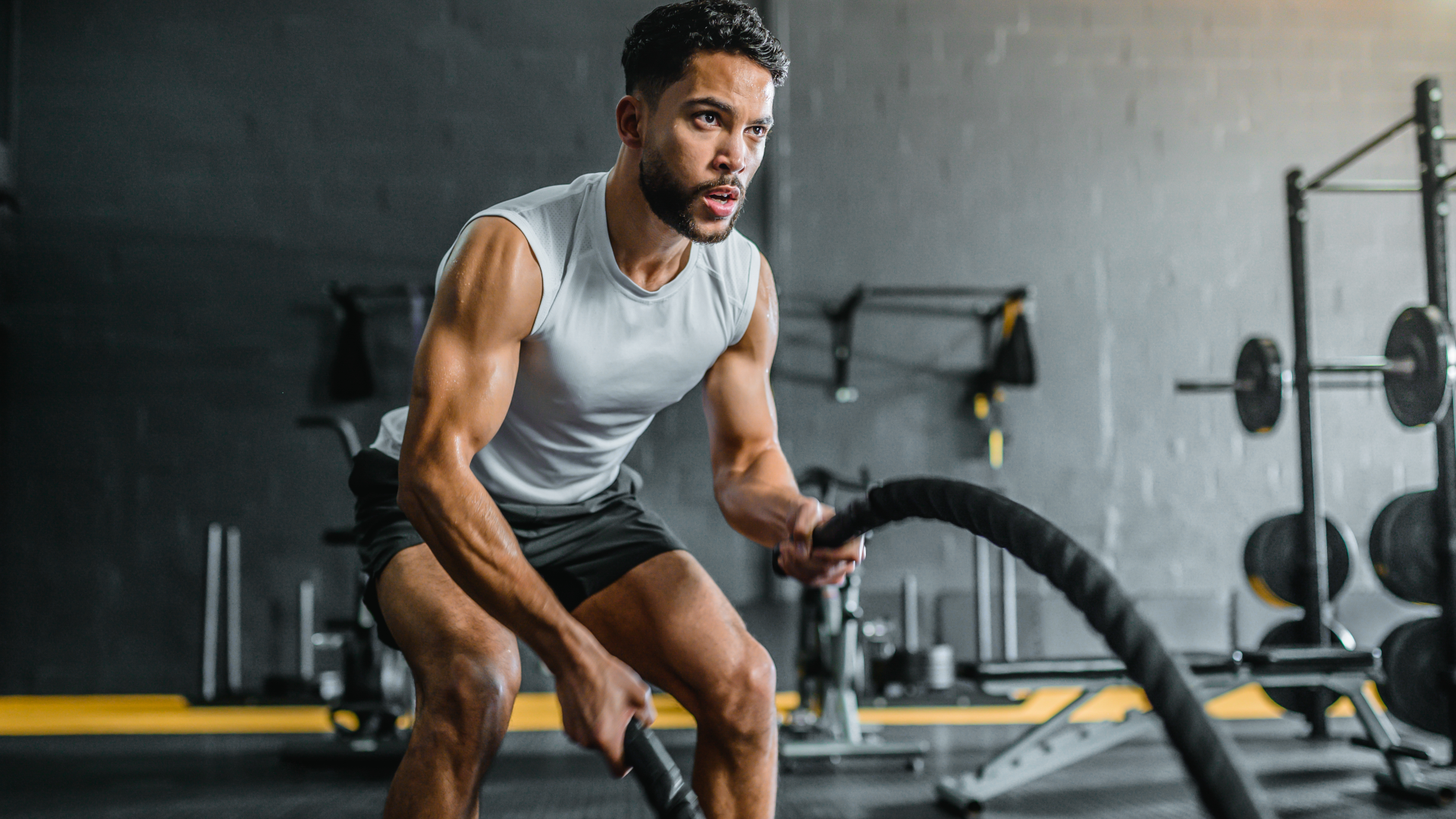
Credit: www.t3.com
Credit: menshealth.com.au
Frequently Asked Questions
How Long Should A Beginner’s Workout Last?
A beginner’s gym workout should last about 30 to 45 minutes. This duration allows ample time to focus on learning proper form. It also helps in building initial strength and endurance. Starting with shorter sessions helps prevent fatigue and injury.
Is A 1-hour Workout Enough For Fitness?
Yes, a 1-hour workout is sufficient for most fitness goals. It allows time for a warm-up, core exercises, and a cool-down. This duration can effectively enhance cardiovascular health, strength, and flexibility. Consistency is key to seeing progress over time.
Should Workouts Be Longer Than 90 Minutes?
Workouts longer than 90 minutes are generally unnecessary for most people. Prolonged sessions can lead to overtraining and fatigue. It’s important to listen to your body and ensure adequate rest and recovery. Quality over quantity often yields better results in fitness.
Can You Get Fit With Short Workouts?
Yes, short workouts can be highly effective when done consistently. High-intensity interval training (HIIT) sessions, lasting 20 to 30 minutes, can boost fitness levels. They improve cardiovascular health and burn calories efficiently. The key is maintaining intensity and focus during these shorter sessions.
Conclusion
Finding the right workout length is crucial. It varies for everyone. Beginners might start with 30 minutes. More experienced individuals may prefer 60 minutes. Listen to your body. It guides you. Feeling tired or strained? Consider shortening your workout. Need more challenge?
Gradually extend your time. Balance intensity and duration. Include rest days. They are essential for recovery. Keep your workouts enjoyable and effective. Tailor them to fit your lifestyle. Consistency matters more than duration. Stay committed and flexible. Adjust as needed.
Embrace your fitness journey.