
Are you wondering how long you should dedicate to cardio respiratory endurance? You’re not alone.
Many people often find themselves questioning the optimal duration for their workouts. Understanding the right amount of time to invest in cardio can be the key to unlocking your fitness goals. It’s not just about hitting the gym; it’s about maximizing your time to achieve the best results.
Imagine reaching your peak physical condition while still having time for everything else you love. This isn’t just about exercising; it’s about transforming your life. Get ready to discover how you can strategically enhance your endurance without wasting a single minute. Let’s dive into the secrets that can supercharge your cardio routine and bring you closer to the healthier, fitter version of yourself you’ve always desired.
Credit: essentrics.com
Benefits Of Cardio Respiratory Endurance
Cardio respiratory endurance is more than just a fitness buzzword; it’s a gateway to a healthier you. By engaging in regular cardio activities, you not only boost your stamina but also unlock a multitude of health benefits. Wondering why you should invest time in improving your cardio respiratory endurance? Let’s dive into the compelling advantages.
Improved Heart Health
Regular cardio workouts can significantly enhance your heart’s efficiency. When you exercise, your heart pumps more blood with each beat, reducing strain over time. This lowers your risk of heart disease and keeps your cardiovascular system in top shape. Imagine enjoying everyday activities without feeling winded; that’s the power of a healthy heart.
Enhanced Lung Capacity
Cardio respiratory endurance exercises, such as running or cycling, strengthen your respiratory muscles. This increases your lung capacity, allowing you to take in more oxygen with each breath. Ever noticed how deep breathing feels incredibly refreshing after a workout? That’s your lungs working at their best, supporting your overall well-being.
Increased Metabolism
Engaging in cardio exercises boosts your metabolism, helping you burn calories more efficiently. A faster metabolism means you can enjoy your favorite foods without the guilt. Plus, the energy from an active metabolism fuels your daily activities, making you feel more lively and vibrant. Have you ever experienced that surge of energy post-workout? That’s your metabolism kicking into high gear.
So, how long should you do cardio respiratory endurance exercises to reap these benefits? The answer lies in consistency and listening to your body. Start small and gradually increase your workout duration as your stamina builds. Remember, every step you take towards improving your endurance brings you closer to a healthier heart, stronger lungs, and a more active metabolism.
Recommended Duration For Cardio Sessions
Finding the right duration for cardio sessions is crucial for improving cardio respiratory endurance. Whether you’re a beginner or an advanced athlete, understanding the optimal time for your workout can enhance your fitness journey. Cardio sessions vary in length depending on your experience level and fitness goals. Let’s break down the recommended duration for each stage of your cardio journey.
Beginners’ Guidelines
Starting with shorter sessions is ideal for beginners. Aim for 20 to 30 minutes per session. Focus on building stamina gradually. Listen to your body and maintain a steady pace. Consistency is more important than intensity at this stage. Incorporate rest days to allow recovery.
Intermediate Recommendations
Intermediate exercisers can extend their sessions to 30 to 45 minutes. Increase intensity and mix different types of cardio. Explore interval training to boost endurance. Balance your workouts to avoid fatigue. Monitor your progress and adjust your routine accordingly.
Advanced Strategies
Advanced athletes might aim for 45 to 60 minutes of cardio. Include high-intensity sessions for maximum benefits. Utilize cross-training to challenge different muscle groups. Pay attention to your body’s signals. Ensure adequate hydration and nutrition to support longer workouts.
Factors Influencing Cardio Duration
Understanding how long you should engage in cardio respiratory endurance activities is crucial for optimizing your workouts. The duration of your cardio sessions depends on several factors, each playing a pivotal role in tailoring your exercise routine. Let’s explore these factors to help you make informed decisions that align with your unique needs and aspirations.
Age And Fitness Level
Your age and current fitness level are significant influencers in determining the right duration for your cardio workouts. Younger individuals often have higher energy levels and recover quicker, allowing for longer sessions. If you’re just starting, shorter sessions can help build stamina gradually. Compare your current fitness level to where you want to be in the next few months. Are you ready to push a little harder or do you need to take it slow?
Health Conditions
Health conditions can impact how long you should exercise. If you have heart issues or respiratory problems, consulting with a healthcare professional is essential. Consider how your body responds to physical activity. Listen to your body and adjust the duration to ensure safety. Could a shorter, more intense session be more beneficial for you?
Personal Goals
Your personal goals are the driving force behind the duration of your cardio workouts. Whether you aim to lose weight, improve stamina, or enhance heart health, setting clear goals helps tailor your routine. Reflect on what you truly want to achieve. Are your current sessions bringing you closer to your goals, or is there room for adjustment?
Credit: health.clevelandclinic.org
Types Of Cardio Exercises
Wondering how long to exercise for cardio respiratory endurance? Aim for at least 150 minutes weekly. Activities like running, cycling, and swimming enhance heart and lung health effectively.
Cardio respiratory endurance is key to a healthy lifestyle. But how long should you actually do it? The duration often depends on the type of cardio exercise you choose. Each type has its own benefits and can cater to different fitness levels and goals. Understanding the various types of cardio exercises can help you tailor your routine to maximize results.Steady-state Cardio
Steady-state cardio involves maintaining a consistent pace for an extended period. Think of activities like jogging, cycling, or swimming at a uniform speed. This type of exercise is excellent for building endurance and burning calories over a longer duration. If you’re new to exercise, starting with 20-30 minutes of steady-state cardio can be effective. As you build stamina, increase this to 45-60 minutes. The key is to find a pace that challenges you without pushing you to exhaustion.Interval Training
Interval training alternates between high-intensity bursts and low-intensity recovery periods. This method can be more time-efficient and often yields quicker results in terms of fitness improvements. Activities like sprinting or high-intensity cycling are perfect examples. Consider starting with a simple ratio of 1:2, such as 30 seconds of high intensity followed by 1 minute of recovery. As your fitness improves, you can adjust the intervals and increase the total duration to about 20-30 minutes per session. This approach keeps your workouts varied and engaging.Circuit Training
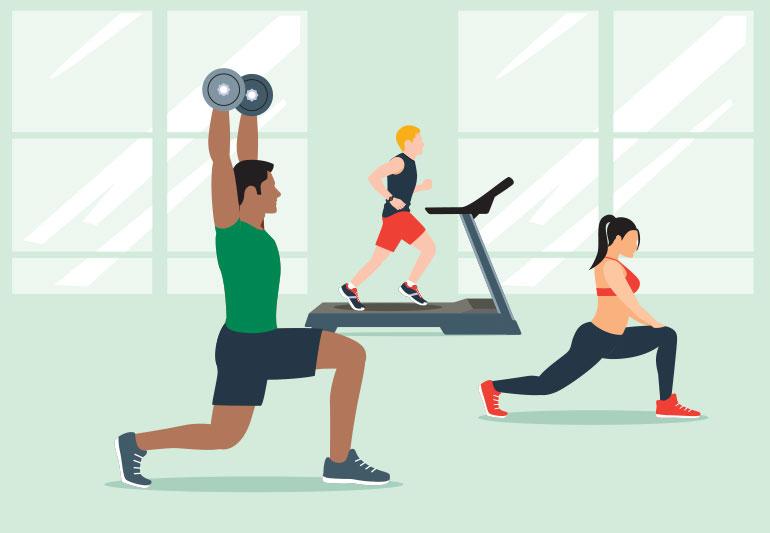
Circuit training combines different exercises with minimal rest in between. This method is great for those who want to mix cardio with strength training. A typical circuit might include jumping jacks, burpees, and mountain climbers. Plan a circuit that lasts around 20-30 minutes, including short bursts of cardio exercises. The variety keeps you mentally engaged and targets different muscle groups. You’ll be surprised at how quickly the time flies by when you’re focused on switching between exercises. Are you ready to try a new type of cardio? Remember, the best exercise is one that you enjoy and can stick with consistently. What will you choose to challenge yourself today?Safety Tips For Cardio Workouts
Cardio workouts boost your heart and lung health. They improve endurance and stamina. But safety is vital to avoid injuries. Following safety tips makes your exercise routine effective and secure. Explore these simple safety tips for cardio workouts below.
Proper Warm-up And Cool-down
Begin with a warm-up to prepare your body. Light jogging or brisk walking works well. It increases blood flow and loosens muscles. Warming up reduces the risk of injury.
End your workout with a cool-down. Slow down gradually to lower your heart rate. Stretching helps relax muscles and prevent stiffness. It aids in a smooth recovery.
Listening To Your Body
Your body sends signals during exercise. Listen to them carefully. If you feel pain, stop immediately. Fatigue is normal, but pain is not.
Adjust your pace if you feel too tired. Overexertion can lead to injuries. Rest when needed to allow recovery.
Staying Hydrated
Hydration is key during cardio workouts. Drink water before, during, and after exercise. It helps maintain energy levels and prevents dehydration.
Carry a water bottle for easy access. Sip water regularly to keep your body hydrated. Proper hydration supports your performance and well-being.

Credit: www.goodrx.com
Expert Advice On Cardio Frequency
Understanding how often to engage in cardio respiratory endurance exercises can be puzzling. Experts offer a range of advice, emphasizing a balance that suits your lifestyle and fitness goals. It’s crucial to consider various factors to maximize the benefits without overdoing it.
Balancing Cardio With Strength Training
Finding the right balance between cardio and strength training is key to a well-rounded fitness routine. Experts suggest integrating both for optimal results. For instance, you might dedicate three days a week to cardio and two days to strength training, allowing your body to recover and grow stronger.
Avoiding Overtraining
Overtraining can lead to fatigue and injuries, derailing your fitness journey. It’s vital to listen to your body and recognize signs of exhaustion. If you find yourself constantly tired or experiencing persistent muscle soreness, it might be time to scale back.
Adapting To Progress
As your fitness level improves, your cardio routine should evolve too. Gradually increase the intensity or duration to continue challenging your body. This adaptation not only prevents plateaus but keeps your workouts exciting and engaging.
Have you found the perfect cardio routine yet? Remember, the best plan is one you can stick to and enjoy. Adjust and experiment until you discover what works best for you.
Frequently Asked Questions
How Long Should A Cardio Session Last?
A typical cardio session should last between 20 to 60 minutes. This duration allows your body to effectively improve cardiovascular endurance. Beginners can start with shorter sessions and gradually increase time as fitness improves.
Is 30 Minutes Of Cardio Enough Daily?
Yes, 30 minutes of daily cardio is often sufficient for maintaining cardiovascular health. It can help improve your endurance and burn calories. Consistency is key, so aim for at least five days a week to see benefits.
Can I Do Cardio Every Day?
Yes, you can do cardio every day, but vary intensity and duration. This helps prevent burnout and injuries. Include rest days or low-intensity sessions to allow recovery. Listen to your body to avoid overtraining.
Does Cardio Improve Respiratory Endurance?
Yes, regular cardio exercises improve both cardiovascular and respiratory endurance. Activities like running, cycling, and swimming enhance lung capacity and efficiency. As endurance builds, you’ll notice improved breathing and stamina during physical activities.
Conclusion
Cardio respiratory endurance is key for health. It’s about balance, not excess. Listen to your body. Start with short sessions. Gradually increase time as you feel stronger. Consistency is important. Regular exercise boosts endurance. It helps your heart and lungs.
Remember to enjoy the process. Find activities you love. This keeps motivation high. Always consult a doctor before starting. Safety first. Aim for progress, not perfection. Small steps lead to big results. Keep moving forward. Your health is worth the effort.
Stay active and healthy!