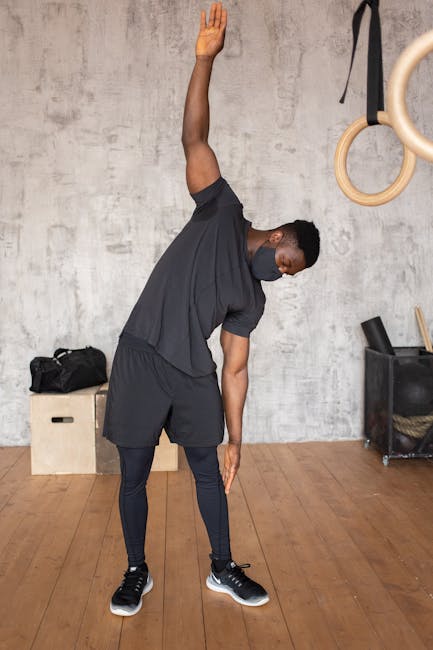
Imagine moving effortlessly through your day, feeling agile and strong, without the constant fear of pulling a muscle or straining a joint. This isn’t just a dream—it’s entirely possible when you prioritize flexibility in your daily routine.
Flexibility isn’t just for dancers or athletes; it’s a vital component for everyone, helping you stay active and injury-free. Have you ever wondered why some people rarely suffer from injuries, even when they lead an active lifestyle? The secret often lies in how flexible their bodies are.
By enhancing your flexibility, you can dramatically reduce the risk of injuries and enjoy a more resilient body. Curious about how this works? Keep reading to discover how incorporating flexibility into your life can be a game-changer for your health and well-being.

Credit: genefit.pro
Importance Of Flexibility
Flexibility reduces the risk of injuries by enhancing muscle elasticity and joint range of motion. It ensures smoother movements and decreases muscle tension, leading to fewer strains and sprains. Regular stretching and flexibility exercises improve overall balance and coordination.
Flexibility plays a crucial role in our overall well-being. It enhances the ability of our muscles to stretch and contract. This allows for a wider range of motion. With greater flexibility, the risk of injuries diminishes.Understanding Flexibility
Flexibility is the capacity of your muscles and joints to move freely. It involves stretching muscles and tendons, increasing their length. When muscles are flexible, they adapt better to sudden movements. This reduces strain and potential damage.Benefits Of Being Flexible
Enhanced flexibility improves posture and alignment. It aids in the proper functioning of muscles and joints. Flexible muscles recover faster from workouts. They endure less stress during physical activities, minimizing injury risks.Ways To Improve Flexibility
Regular stretching exercises are key. Yoga and Pilates focus on stretching and strengthening muscles. Dynamic stretches warm up muscles before activities. Static stretches improve flexibility after workouts.Impact On Daily Activities
Flexibility makes everyday tasks easier. Bending, lifting, and reaching become effortless. It enhances performance in physical activities, making movements smooth. Improved flexibility supports balance and coordination.Flexibility For All Ages
Anyone can benefit from improved flexibility. Children develop better motor skills with regular stretching. Adults maintain mobility and prevent stiffness. Seniors enhance joint function and reduce fall risks.Role In Injury Prevention
Flexibility boosts muscle health, reducing strain and tears. Stretching improves joint range, lowering injury risks during activities. Regular flexibility exercises keep muscles and joints agile, aiding in safer movement.
Flexibility plays a crucial role in injury prevention, often overlooked in favor of strength and endurance. However, it is the silent hero that supports your body’s ability to move efficiently and safely. Imagine being able to reach for something without the fear of pulling a muscle or straining a joint. This is where flexibility shines.Understanding Flexibility
Flexibility refers to the range of motion available in your joints. It’s more than just being able to touch your toes. It involves the ability to move comfortably and effectively through various motions. By regularly engaging in stretching exercises, you can improve this range, making everyday activities feel effortless.Benefits Of Enhanced Flexibility
When your muscles are flexible, they can stretch and contract without stress. This adaptability reduces the risk of injuries like strains and sprains. With enhanced flexibility, your body can absorb shocks better, protecting you during sudden movements or falls.Stretching Techniques To Boost Flexibility
Incorporate dynamic stretching into your routine to improve flexibility. These stretches mimic movements you perform during your activities, preparing your muscles for action. Static stretches, held for 15-30 seconds, help elongate muscles and maintain their flexibility post-workout.Personal Experience With Flexibility Training
I recall a time when I underestimated the power of flexibility. After a minor fall, my quick recovery was largely due to the stretching routine I’d been following. It was an eye-opener, proving how flexibility can safeguard against unexpected injuries.Creating A Flexibility Routine
Develop a routine that includes both static and dynamic stretches. Target key areas such as hamstrings, hips, shoulders, and back. Dedicate 10 minutes daily to these exercises and watch your range of motion improve, alongside your injury resistance.Engaging With Your Flexibility Goals
Are you truly aware of how flexible your body is? Challenge yourself to stretch a little further each day. Notice how your movements become smoother. Set achievable goals, and celebrate small victories to keep motivation high. Flexibility isn’t just a bonus; it’s essential. As you embrace it, you’ll find your body feels more agile and resilient. How will you integrate flexibility into your daily life?Enhancing Range Of Motion
Improving flexibility can safeguard against injuries by increasing range of motion. Stretching keeps muscles supple and joints more mobile. This reduces strain and enhances physical performance during various activities.
Flexibility is not just about bending and stretching; it’s a powerful tool to enhance your body’s range of motion, which plays a crucial role in preventing injuries. Imagine being able to move freely and effortlessly, whether you’re reaching for something on a high shelf or executing a perfect squat. Increasing your range of motion allows your muscles and joints to operate more effectively, reducing the risk of strains and tears. Does your daily routine include activities that challenge your flexibility? The more you engage in flexibility exercises, the better your body can adapt to unexpected movements. This adaptability is key to staying injury-free.Understanding Range Of Motion
Your range of motion refers to the full movement potential of a joint, usually its range of flexion and extension. When your joints move smoothly through their full range, they are less likely to be injured during physical activities. Consider how often you reach, twist, and bend in your daily life. By enhancing your range of motion, you can perform these tasks with greater ease and less risk.Benefits Of Enhanced Motion
Increasing your range of motion comes with a host of benefits. It improves your posture, which can alleviate chronic back and neck pain. It also enhances blood circulation, aiding in faster recovery and reducing muscle soreness. Plus, with better motion, you can enjoy activities like dancing or playing sports without worrying about pulling a muscle.Simple Ways To Improve Flexibility
Incorporating simple stretching exercises into your routine can make a big difference. Try dynamic stretches like leg swings or arm circles before a workout to warm up your muscles. Static stretches, such as touching your toes, can be effective after exercising to help your muscles relax and extend further.Personal Story: Discovering The Power Of Flexibility
Years ago, I struggled with frequent ankle sprains. A trainer recommended incorporating flexibility exercises into my routine. I was skeptical at first, but after months of consistent stretching, I noticed a significant decrease in injuries. My body felt more resilient, and I could enjoy activities like hiking and running without hesitation.Practical Tips For Everyday Flexibility
You don’t need to spend hours in the gym to boost your flexibility. Incorporate stretching into your daily routine while watching TV or before bed. Try yoga or Pilates classes that focus on flexibility and balance. These small changes can lead to big improvements in your overall mobility. How will you incorporate these flexibility tips into your routine?Types Of Flexibility Exercises
Flexibility exercises like stretching and yoga enhance joint movement and muscle strength. This reduces the risk of strains and sprains. Improved flexibility ensures better posture and balance, which also helps in preventing injuries. Regular practice keeps muscles and joints ready for sudden actions.
Flexibility exercises play a vital role in injury prevention. They enhance joint mobility, improve muscle elasticity, and support overall physical health. Different types of flexibility exercises offer unique benefits. Let’s explore a few effective methods.Static Stretching
Static stretching involves holding a stretch for a period. It usually lasts between 10 to 30 seconds. This type of stretch helps lengthen muscles. It also improves flexibility by holding positions without movement. Common examples include touching your toes or the butterfly stretch. Static stretching is great for cooling down after exercise.Dynamic Stretching
Dynamic stretching involves active movements. These stretches mimic the activity you’ll perform. They prepare the body for physical activity. Arm circles, leg swings, and walking lunges are popular choices. Dynamic stretching enhances functional flexibility. It increases blood flow and warms up muscles effectively.Ballistic Stretching
Ballistic stretching uses bouncing movements. These movements push your body beyond its normal range. It’s an advanced technique and can be risky if done incorrectly. Athletes sometimes use it for performance preparation. Ballistic stretching should be approached with caution. Proper technique and control are essential.Proprioceptive Neuromuscular Facilitation
Proprioceptive Neuromuscular Facilitation (PNF) is a more advanced technique. It combines stretching and contracting muscles. PNF is usually done with a partner. It involves holding a stretch, contracting the muscle, then stretching further. PNF increases flexibility effectively. It’s widely used in rehabilitation and sports training.Integrating Flexibility In Daily Routine
Daily flexibility routines enhance muscle elasticity, reducing the risk of strains. Regular stretching promotes joint mobility, safeguarding against injuries. Incorporating flexibility in workouts aids recovery, ensuring muscles remain healthy and resilient.
Integrating flexibility into your daily routine can significantly reduce the risk of injuries. Flexibility exercises improve the range of motion and muscle elasticity. This helps your body handle physical stress better. Adding simple stretches to your daily schedule is a practical way to boost flexibility. This approach makes it easier to maintain a balanced and healthy lifestyle.Stretching In The Morning
Start your day with stretching exercises. They wake up your muscles and prepare them for the day. Morning stretches can enhance your energy levels and improve alertness. Focus on key muscle groups like the back, legs, and shoulders.Incorporating Flexibility In Work Breaks
Use short breaks at work for quick stretching sessions. These moments reduce stiffness caused by prolonged sitting. Stand up and stretch your arms, neck, and back. This practice improves circulation and keeps your muscles relaxed.Evening Relaxation Techniques
Evening stretches help unwind after a busy day. Include activities like yoga or simple stretches. They relax your body and mind, preparing you for a restful sleep. This routine can improve sleep quality and reduce stress.Weekend Activities For Flexibility
Plan weekend activities that promote flexibility. Engage in sports like swimming or dancing. These activities are fun and enhance your body’s flexibility. They also provide a great opportunity for family bonding.Using Technology For Flexibility Training
Leverage apps and online platforms for guided stretching routines. They offer structured programs tailored to different fitness levels. Access these resources anytime for convenient flexibility training at home.
Credit: torrentbjj.com
Common Myths About Flexibility
Flexibility often prevents injuries by allowing muscles to move freely without strain. Many myths suggest stretching isn’t necessary, but flexible muscles handle stress better, reducing injury risk.
Flexibility is often misunderstood, leading to many myths that can hinder your journey to better health. You may have heard that flexibility is only for dancers or athletes, or that it’s something you either have or don’t. These misconceptions can prevent you from reaping the full benefits of flexibility, especially in injury prevention.Myth: Flexibility Is Only For The Young
It’s easy to think that only young people can improve their flexibility. However, flexibility can be enhanced at any age. Many older adults have successfully improved their range of motion, reducing pain and increasing mobility.Myth: Stretching Before Exercise Prevents All Injuries
Stretching is beneficial, but it’s not a foolproof way to prevent injuries. Dynamic warm-ups that include movement are more effective. Stretching should complement a comprehensive warm-up routine, not replace it.Myth: You Need To Stretch Every Muscle Equally
Not all muscles need the same level of stretching. Focus on areas that are tighter or more prone to injury. A personalized approach to flexibility yields better results and prevents over-stretching.Myth: Flexibility Is A Talent, Not A Skill
Some believe flexibility is an innate gift. In reality, flexibility is a skill that improves with consistent practice. Regular stretching and mobility exercises can enhance your flexibility over time.Myth: Flexibility And Strength Are Mutually Exclusive
You might think being flexible means sacrificing strength. In truth, flexibility and strength can coexist and complement each other. Proper balance between the two enhances overall performance and reduces injury risk. Understanding these myths can guide you toward a more informed approach to flexibility. What myths have you believed about flexibility? Recognizing and dispelling these myths can open new doors to a healthier lifestyle.Flexibility For Different Age Groups
Flexibility plays a key role in preventing injuries across all age groups. It helps muscles and joints move smoothly, reducing the risk of strains and sprains. Regular stretching can keep the body agile and resilient.
Flexibility plays a crucial role in preventing injuries across different age groups. Each stage of life demands unique flexibility needs and exercises. Understanding these helps maintain health and reduce injury risks. Let’s explore how flexibility benefits children, adults, and seniors.Children And Adolescents
Children and adolescents are in a rapid growth phase. Their bodies are constantly changing. Flexibility exercises support their muscular development. These exercises enhance coordination and balance. Stretching routines can be simple and fun. Activities like yoga or dance are engaging and effective. Keeping muscles flexible helps prevent sports injuries. It’s essential during active play and sports.Adults
Adults often face busy schedules. Regular flexibility exercises combat stress and tension. Stretching helps maintain muscle health and joint function. It aids in reducing the risk of strains and sprains. Many adults spend hours sitting at desks. Flexibility training can counteract posture problems. Yoga or Pilates are great options. They promote flexibility and relaxation. Incorporating stretching into daily routines is vital.Seniors
Flexibility becomes increasingly important for seniors. Aging can lead to decreased mobility. Stretching exercises help maintain independence. They improve balance and coordination. Flexibility exercises reduce stiffness and pain. Gentle stretching can prevent falls. Activities like tai chi or water aerobics are suitable. They offer low-impact options for seniors. Consistent practice enhances life quality.Balancing Flexibility With Strength
Improving flexibility can reduce the risk of injuries by enhancing joint range of motion. Flexible muscles adapt better to movements, preventing strains and sprains. Regular stretching keeps muscles strong and flexible.
Balancing flexibility with strength is crucial for injury prevention. Imagine a rubber band that stretches easily but breaks under pressure. Similarly, your body needs both flexibility and strength to withstand the demands of daily life and physical activities. Embracing this balance not only enhances performance but also safeguards against strains and sprains.Understanding The Importance Of Flexibility
Flexibility is the ability to move your joints through their full range of motion. It allows you to perform activities with ease and reduces the risk of injury. When muscles are flexible, they’re less likely to tear or overextend during sudden movements.Building Strength To Support Flexibility
Strength training complements flexibility by building muscle resilience. Strong muscles can better support joints and absorb the impact of physical activities. Incorporate exercises like squats, lunges, and planks to enhance your muscle strength.The Synergy Between Strength And Flexibility
Think of strength and flexibility as partners. Strength stabilizes your body while flexibility allows fluid movement. When these elements are balanced, you reduce the risk of injuries like muscle tears and joint sprains.Practical Tips For Achieving Balance
- Mix stretching and strength exercises in your routine.
- Focus on dynamic stretches before workouts and static stretches afterward.
- Ensure you’re not over-stretching; listen to your body’s limits.
Personal Experience: Finding My Balance
Years ago, I focused solely on strength training, neglecting flexibility. This led to frequent injuries. By incorporating yoga and dynamic stretches, I found a balance that kept me injury-free and improved my overall performance.Engaging Your Mind: Why Balance Matters?
Consider this: Is your current fitness routine putting too much emphasis on either flexibility or strength? Balance is key. Reflect on your workouts and ensure you’re nurturing both aspects to keep injuries at bay. Embracing the synergy between flexibility and strength is a proactive step towards a healthier, injury-free lifestyle. Adjust your routine and feel the difference.Tips For Effective Stretching
Enhancing flexibility through regular stretching can reduce injury risks. It keeps muscles limber and joints agile. Consistent practice boosts overall body performance and resilience.
Flexibility is key to preventing injuries. Stretching effectively can help enhance flexibility. Knowing the right techniques ensures you stretch safely and gain maximum benefits. Here are some tips to guide your stretching routine.Warm Up Before Stretching
Never stretch cold muscles. A gentle warm-up increases blood flow to muscles. Spend 5-10 minutes walking or jogging. This prepares your body for deeper stretches.Focus On Major Muscle Groups
Target large muscles for effective stretching. Focus on hamstrings, quadriceps, and back muscles. Stretching these areas boosts overall flexibility.Hold Each Stretch
Hold each stretch for at least 15-30 seconds. This duration allows muscles to lengthen effectively. Avoid bouncing during stretches to prevent injury.Breathe Deeply
Maintain deep, steady breaths while stretching. Breathing helps you relax and stretch deeper. Inhale through the nose and exhale slowly.Listen To Your Body
Pay attention to how your body feels. Stretch to the point of slight discomfort, not pain. If you feel pain, stop immediately.Incorporate Stretching Into Your Routine
Make stretching a regular part of your routine. Aim to stretch at least three times a week. Consistency is key to improving flexibility over time.Stay Hydrated
Drink plenty of water before and after stretching. Hydration helps keep muscles supple and flexible. It also supports overall muscle recovery.
Credit: www.facebook.com
Monitoring Progress And Improvements
Flexibility is key in preventing injuries. Stretching regularly keeps muscles limber and joints healthy. Improved range of motion reduces strain during physical activities, helping protect the body from harm.
Monitoring your progress and improvements in flexibility can be both enlightening and rewarding. It offers a clear picture of how your body responds to the stretches and exercises, helping you understand what works best for you. By tracking changes over time, you not only maintain motivation but also safeguard against potential injuries.Using A Flexibility Journal
Keeping a journal can be a game-changer. Write down the stretches you perform and note how your body feels before and after each session. This simple act can reveal patterns—perhaps you’re more flexible in the evening than the morning.Setting Realistic Goals
Goals should be challenging yet achievable. Maybe you aim to touch your toes without bending your knees or hold a stretch for 30 seconds. As you hit these milestones, adjust your goals.Regular Assessments
Conduct regular self-assessments to gauge improvement. Simple tests, like the sit and reach or shoulder flexibility test, can be done at home. Record your results to see progress over weeks and months.Listening To Your Body
Your body often sends signals that are easy to ignore. If a stretch feels uncomfortable, it might be time to modify your routine. Flexibility is meant to prevent injuries, not cause them.Seeking Professional Guidance
Sometimes a fresh perspective from a professional can illuminate your path. A physical therapist or trainer can offer insights you might not have considered. They can also help tailor your program to prevent injuries. By monitoring your progress, you open a dialogue with your body, learning its strengths and limitations. What surprises have you encountered in your flexibility journey? Perhaps you’ve discovered a stretch that dramatically improved your mobility. This ongoing process is not just about flexibility—it’s about embracing a healthier, injury-free lifestyle.Frequently Asked Questions
What Is Flexibility In Physical Fitness?
Flexibility is the ability of muscles and joints to move freely. It enhances range of motion and reduces stiffness. Practicing flexibility exercises can improve posture and balance. It helps in performing daily activities with ease and reduces the risk of injuries.
How Does Flexibility Prevent Injuries?
Flexibility helps in maintaining muscle health and joint function. It enables muscles to stretch and recover efficiently. Improved flexibility reduces muscle tension and soreness. It prevents strain and tears during physical activities, minimizing injury risks.
Can Stretching Improve Flexibility?
Yes, stretching is a key method to enhance flexibility. Regular stretching exercises increase muscle elasticity and joint mobility. They improve blood circulation and reduce muscle stiffness. Incorporating stretching routines into daily workouts can significantly enhance flexibility.
Is Yoga Effective For Flexibility?
Yoga is highly effective in improving flexibility. It combines stretching, breathing, and balance exercises. Yoga enhances muscle strength and joint mobility. Regular practice leads to improved posture and reduced injury risks. It also promotes relaxation and mental well-being.
Conclusion
Flexibility plays a key role in injury prevention. Stretching keeps muscles strong and healthy. It allows joints to move freely. Regular stretching reduces muscle tension and stress. It helps maintain good posture too. Flexibility training aids balance and coordination. This lowers the risk of falls and injuries.
People of all ages benefit from flexible muscles. Starting a flexibility routine is simple. Just a few minutes daily can make a difference. Feel stronger and safer in your activities. Stay flexible and stay healthy.