
Imagine stepping onto the field, court, or gym floor, ready to give it your all. But, have you ever considered how important a proper warm-up is for your performance and safety?
If you’ve ever underestimated the power of warming up, it’s time to rethink. Did you know that a well-executed warm-up can be your secret weapon against injuries? That’s right. By dedicating just a few minutes to this crucial step, you can protect your body and enhance your performance.
Curious to learn how? Dive in as we unravel the mysteries of how warming up can be your best defense against injuries. Your future self will thank you!
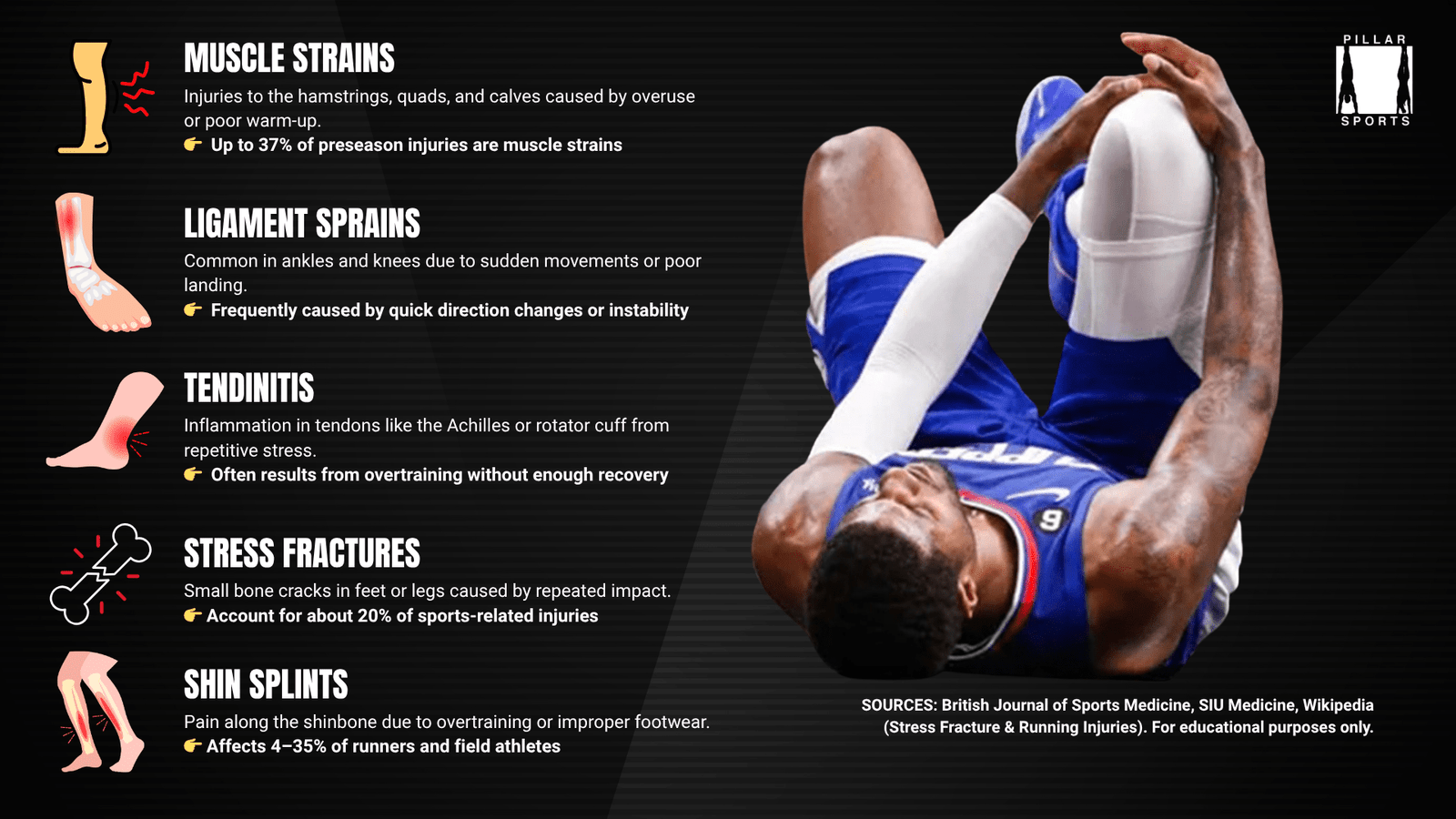
Credit: pillarsports.com
Importance Of Warm-up
Warm-up exercises are crucial for preventing injuries. They increase blood flow and prepare muscles for activity. Proper warm-ups enhance flexibility and reduce muscle strain.
The importance of warming up before exercise cannot be overstated. It serves as a bridge between rest and physical activity. A proper warm-up prepares your body, reducing the risk of injury. It allows muscles to stretch and joints to loosen. This preparation is crucial for a safe and effective workout.Preparing The Body For Exercise
Warming up increases your heart rate slowly. This helps blood flow to your muscles. Warm muscles are more flexible and less prone to tears. A gradual start also enhances oxygen delivery. This supports your muscles and boosts endurance.Enhancing Physical Performance
A good warm-up can improve your overall performance. It primes your muscles and nervous system. This results in better coordination and strength. Athletes often notice improved speed and agility after warming up. Your body reacts faster and more effectively. This can lead to better results in your workout.
Credit: www.threads.com
Physiological Effects
Warming up is not just a ritual before a workout; it is a critical component that prepares your body for the physical activity ahead. The physiological effects of a warm-up can significantly reduce the risk of injury and enhance your performance. Understanding these effects can make your exercise routine safer and more effective.
Increased Blood Flow
When you start warming up, your heart rate begins to rise, pumping more blood to your muscles. This increased blood flow delivers essential nutrients and oxygen, preparing your muscles for the exertion to come. Think about how you feel when you start moving after sitting for a long time—the sense of energy as your blood circulates more efficiently. Adequate blood flow ensures that your muscles are ready to handle the stress of exercise, reducing the likelihood of strains and tears.
Improved Muscle Flexibility
Warm-ups are key to enhancing muscle flexibility. As your muscles heat up, they become more pliable and elastic. This flexibility can help prevent injuries such as muscle pulls or tears. Picture the difference between stretching a cold rubber band versus a warm one; the latter stretches smoothly without snapping. Incorporating dynamic stretches into your warm-up routine can further increase flexibility, enabling your muscles to move through a wider range of motion.
Enhanced Joint Mobility
Your joints are the hinges that allow movement, and warming up can significantly improve their mobility. Fluid circulation within your joints increases, lubricating them for smoother operation. This reduces friction and wear, which can lead to joint injuries. Consider how your morning routine might involve gentle movements to ease into the day. Similarly, warming up before exercising ensures your joints are prepared to move freely and efficiently, reducing the risk of injury.
Psychological Benefits
Warming up enhances blood flow to muscles, reducing stiffness. This prepares the body for physical activity, minimizing injury risk. Mental focus and readiness also improve, allowing better performance and safety.
Warm-up exercises are not just about preparing your body for physical activity; they also offer significant psychological benefits. While you might have thought that warming up was only about stretching muscles, it has a profound impact on your mental readiness as well. Engaging in a warm-up routine can enhance your mental focus and reduce anxiety, which are crucial for preventing injuries and improving performance.Boosting Mental Focus
A well-structured warm-up helps sharpen your mental concentration. As you go through the motions, your mind shifts from the clutter of daily life to the task at hand. Imagine the last time you felt scattered before a workout—your thoughts everywhere but on the exercise. A warm-up can center your mind, helping you focus better on your form and technique. This increased focus doesn’t just make you more efficient; it can also reduce the risk of injury. When your mind is engaged, you’re more likely to notice and correct any missteps, ensuring your body moves in a safe and effective way.Reducing Anxiety
Feeling anxious before physical activity is common. You might worry about performance, getting injured, or even just feeling out of place. Warming up can help ease these feelings. The rhythmic nature of warm-up exercises can have a calming effect. As your heart rate gradually increases, your body releases endorphins, which are natural mood lifters. By the time you finish your warm-up, you’re likely to feel more relaxed and confident. This mental shift can make a significant difference in how you approach your workout, helping you push past mental barriers and focus on enjoying the activity.Injury Prevention Mechanisms
Warming up is crucial for avoiding injuries during physical activities. It prepares your body for the increased demands of exercise. Understanding the injury prevention mechanisms can keep you safe and active.
Reducing Muscle Stiffness
Warm-ups increase blood flow to your muscles. This makes them more flexible and less stiff. Flexible muscles can move more freely. This reduces the likelihood of tears and strains. Stretching also helps in maintaining muscle elasticity.
Minimizing Risk Of Strains
A proper warm-up gradually raises your heart rate. This prepares your cardiovascular system for exercise. It ensures your muscles receive enough oxygen. Oxygen-rich muscles are less prone to strains. Dynamic stretches improve muscle coordination. This further lowers the risk of injury.
Preventing Overuse Injuries
Repeated stress on muscles can lead to overuse injuries. Warm-ups help distribute this stress evenly. They activate different muscle groups. This prevents any single muscle from overworking. Consistent warm-ups maintain muscle balance. Balanced muscles are less likely to suffer from overuse.
Types Of Warm-up Exercises
Dynamic stretches, static stretches, and cardio warm-ups are key. They increase blood flow and flexibility, reducing injury risk. Preparing muscles and joints properly helps prevent strains and sprains during physical activity.
Types of Warm-Up Exercises Warming up is crucial before any physical activity. It prepares your body and mind for exercise. Different types of warm-up exercises cater to various needs. They enhance flexibility, increase heart rate, and focus on specific muscles. This ensures your body is ready for action, minimizing injury risk. Let’s explore three key types of warm-up exercises.Dynamic Stretching
Dynamic stretching involves active movements. It helps improve flexibility and range of motion. You perform stretches while moving, not holding positions. Examples include arm circles and leg swings. These exercises loosen muscles effectively. Dynamic stretching boosts blood flow, warming up your body.Cardiovascular Activities
Cardiovascular activities raise your heart rate. They prepare your heart and lungs for intense exercise. Jogging, jumping jacks, and skipping are great examples. These activities increase circulation, delivering more oxygen to muscles. They also elevate body temperature, reducing injury risk.Sport-specific Movements
Sport-specific movements mimic actions in your activity. They target the muscles you’ll use most. For runners, this could be high knees or butt kicks. Basketball players might perform dribbling drills. These exercises fine-tune coordination and muscle memory. They ensure you’re ready for specific challenges in your sport.Common Mistakes
Warming up is crucial to prevent injuries during physical activities. Yet, many make common mistakes that reduce its effectiveness. Recognizing these errors can lead to better performance and safety.
Skipping Warm-up
Many people skip warm-ups due to time constraints or impatience. This increases the risk of muscle strains and joint injuries. A proper warm-up prepares the body for the physical demands ahead. It gradually increases heart rate and blood flow to muscles. This reduces the chance of sudden strains.
Insufficient Duration
Some believe a few minutes of warm-up are enough. This is a mistake. A short warm-up might not fully prepare the body for exercise. Aim for at least 10-15 minutes of warm-up activities. This ensures muscles and joints are ready for more intense movements. Longer warm-ups can enhance flexibility and performance.
Inadequate Intensity
Warming up with low intensity may not be effective. The warm-up should be challenging, yet not exhausting. It should mimic the main activity but at a lower intensity. This helps in gradually adapting the body to higher demands. An effective warm-up balances intensity with ease. It ensures the body is well-prepared for the workout ahead.

Credit: www.wvnews.com
Frequently Asked Questions
Why Is Warming Up Important?
Warming up increases blood flow to muscles, improving flexibility and readiness for physical activity. It helps to gradually increase heart rate, preparing the cardiovascular system for exercise. This process reduces the risk of strains and injuries by ensuring muscles are warmed and more pliable before engaging in intense activity.
How Does Warm Up Prevent Injury?
A proper warm-up prepares your body for exercise by increasing muscle temperature. Warm muscles are more flexible, reducing the risk of strains. It also enhances coordination and reaction time, minimizing the chance of accidents. Additionally, warming up helps to mentally prepare, improving focus and performance during physical activity.
What Is A Good Warm-up Routine?
A good warm-up routine includes dynamic stretches and light aerobic exercises. Start with five to ten minutes of brisk walking or jogging to increase heart rate. Follow with dynamic stretches targeting major muscle groups like arm circles, leg swings, and lunges.
This combination prepares muscles and joints for more intense exercise.
Can Skipping Warm-up Cause Injuries?
Yes, skipping warm-up can increase the risk of injuries. Without warming up, muscles are less flexible and prone to strains. It can also lead to poor coordination and slower reaction times, increasing the likelihood of accidents. A proper warm-up is crucial for preparing the body safely for exercise.
Conclusion
Warm-ups are crucial for injury prevention. They prepare muscles and joints. Boost flexibility and blood flow. Enhance coordination and balance. Reduce muscle strain risk. Simple exercises can make a big difference. Start with gentle movements. Gradually increase intensity for best results.
Listen to your body signals. Regular warm-ups improve performance safely. Remember to stay consistent. Warm-up routines build a strong foundation. Protect your body from unexpected injuries. Enjoy your activities without pain. Prioritize warm-ups for a healthier lifestyle. Feel confident and stay active.