Imagine feeling stronger, more confident, and less prone to injury, all thanks to a simple addition to your fitness routine. Yes, you read that right.
Strength training is not just about building muscles or looking fit; it’s a powerful tool to safeguard your body from injuries. Whether you’re an athlete, a weekend warrior, or someone just looking to stay active without the worry of getting hurt, strength training holds the key.
Curious about how lifting weights and resistance exercises can become your personal shield against injuries? Dive into the rest of this article and discover the secrets of how strength training can transform not just your fitness, but your overall health and well-being. Your body will thank you.

Credit: www.instagram.com
Benefits Of Strength Training
Strength training strengthens muscles and joints, reducing injury risk. It enhances body stability and balance. Improved muscle coordination helps prevent falls and strains.
Strength training offers more than just muscle growth. It plays a crucial role in preventing injuries. By strengthening muscles, joints, and bones, it builds a foundation for a resilient body. This section explores how strength training benefits these areas.Improved Muscle Strength
Strength training boosts muscle power. Strong muscles support daily activities better. They absorb impact and reduce strain on joints. This means fewer injuries during physical tasks. Regular strength exercises make muscles more efficient. They help in quick recovery after minor injuries.Enhanced Joint Stability
Strong muscles lead to stable joints. Stability helps in maintaining balance and coordination. It reduces the risk of sprains and dislocations. Training encourages proper alignment and posture. It minimizes stress on joints during movement. Stabilized joints are less prone to wear and tear.Increased Bone Density
Strength training increases bone density over time. Stronger bones are less likely to fracture. Weight-bearing exercises stimulate bone growth. It helps in maintaining healthy bone mass. This is particularly important as we age. Strong bones provide a solid framework for the body.
Credit: www.facebook.com
Mechanisms Of Injury Prevention
Strength training enhances muscle strength, stability, and flexibility, reducing the risk of injuries. Improved balance and coordination also contribute to injury prevention during physical activities. Muscles and joints become more resilient, allowing safer movement and minimizing injury chances.
Strength training is a powerful tool for preventing injuries. It strengthens muscles, tendons, and ligaments. This makes them more resilient. This resilience is crucial for injury prevention. Strength training works through several mechanisms. These mechanisms enhance the body’s ability to withstand stress and impact.Reducing Muscle Imbalances
Muscle imbalances can lead to injuries. Strength training addresses these imbalances. It ensures balanced muscle development. Balanced muscles support joints better. This reduces the risk of strains and sprains. Strength training targets weaker muscles. It helps them become stronger. This creates a more stable body structure.Enhancing Flexibility
Flexibility is key in injury prevention. Strength training improves flexibility. It stretches and strengthens muscles. This allows for a greater range of motion. A wider range of motion reduces injury risk. Flexible muscles absorb shock better. This protects joints and ligaments during movement.Promoting Proper Movement Patterns
Proper movement patterns are crucial for safety. Strength training teaches correct techniques. It enhances coordination and balance. Correct movement reduces stress on joints. This lowers the chance of injuries. Strength training builds muscle memory. It ensures movements are performed correctly every time.Types Of Strength Training Exercises
Strength training can be your secret weapon in preventing injuries. The key is to choose the right types of exercises that build muscle, enhance flexibility, and improve balance. Let’s explore some effective strength training exercises that can support your fitness journey and keep you safe from harm.
Resistance Training
Resistance training involves the use of weights or resistance bands to build muscle strength. These exercises can be done with free weights like dumbbells or barbells, or using machines at the gym.
- Example:Squats with a barbell can strengthen your legs and core, helping you maintain stability and reduce the risk of falls.
- Tip:Start with lighter weights and focus on proper form to avoid injury.
Have you ever noticed how carrying groceries feels easier over time? That’s the magic of resistance training at work.
Bodyweight Exercises
Bodyweight exercises use your own weight to build strength, making them convenient for home workouts. They are perfect for beginners and can be modified for all fitness levels.
- Example:Push-ups are excellent for building upper body strength and can be adjusted by changing the hand position or elevation.
- Tip:Consistency is key—aim for a few sets each week to see improvement.
Think about how amazing it feels to achieve your first full push-up—it’s a milestone that shows your progress.
Functional Strength Workouts
Functional strength workouts focus on exercises that mimic daily activities, enhancing your ability to perform everyday tasks with ease. These workouts improve coordination, balance, and flexibility.
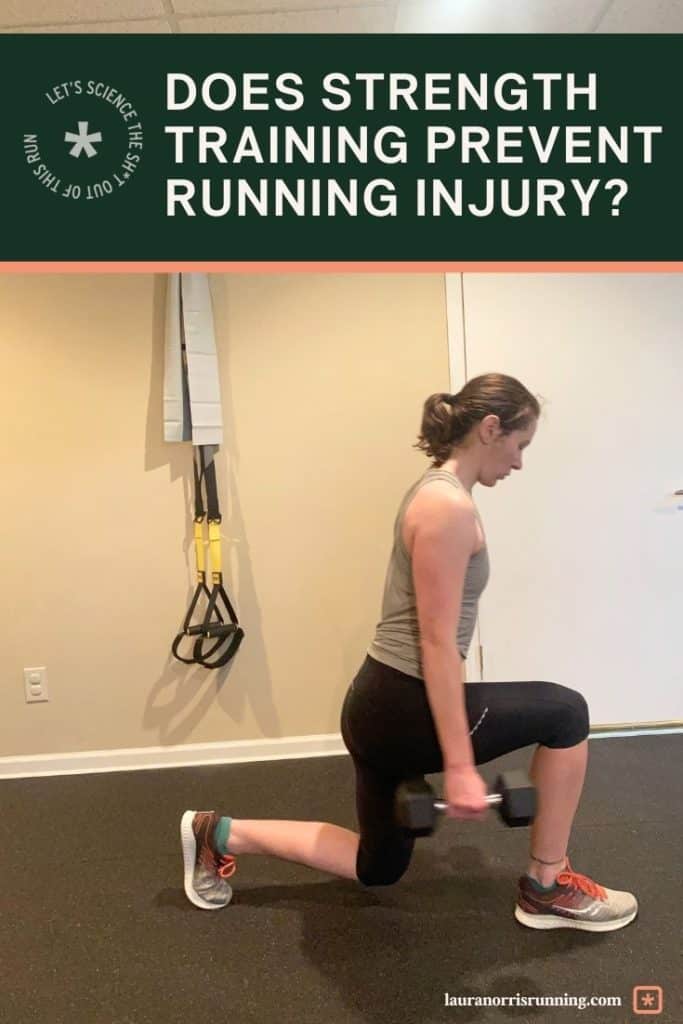
- Example:Lunges can improve balance and leg strength, making activities like climbing stairs much easier.
- Tip:Incorporate movements that involve multiple joints and muscles to maximize benefits.
Ask yourself: How would it feel to move through your day with more energy and less fatigue?
By incorporating these types of strength training exercises into your routine, you can build a foundation that not only supports your fitness goals but also protects you from injuries. Remember, prevention is always better than cure. Which type of exercise will you try first?
Designing A Balanced Strength Training Program
Designing a balanced strength training program helps in preventing injuries by building muscle stability and joint support. It enhances flexibility and ensures muscles can handle physical stress, reducing the risk of strains.
Designing a balanced strength training program is crucial for preventing injuries and achieving optimal performance. A well-rounded plan ensures all muscle groups are strengthened, reducing the risk of muscle imbalances that can lead to injuries. Let’s dive into the essential components of creating an effective program.Incorporating Variety
Adding variety to your workouts keeps your body guessing and prevents boredom. Use a mix of exercises targeting different muscle groups. This ensures a comprehensive strength build-up. Switch between free weights, machines, and bodyweight exercises. Each type engages muscles differently. Variety not only enhances your physical development but also maintains your motivation.Progressive Overload Techniques
Progressive overload is about gradually increasing the stress on your muscles. It’s crucial for gains and injury prevention. Increase weights, reps, or sets over time. This method promotes muscle adaptation and growth. Ensure you maintain proper form as you progress. Compromising form for heavier weights can lead to injuries.Importance Of Recovery And Rest
Rest and recovery are as vital as the workouts themselves. They allow your muscles to repair and grow stronger. Schedule rest days and listen to your body. Overtraining can lead to fatigue and increase the risk of injury. Incorporate activities like stretching or yoga on rest days. These can aid in recovery and enhance flexibility. Balancing your strength training program not only boosts your performance but also safeguards your body. What changes will you make to your routine today?Common Mistakes To Avoid
Strength training helps prevent injury by improving muscle strength, enhancing balance, and increasing joint stability. Avoid common mistakes like neglecting warm-ups, using poor form, or lifting too much weight. These errors can lead to injuries rather than preventing them.
In the journey to enhance your strength and prevent injuries, it’s crucial to be aware of common pitfalls that can hinder your progress. Whether you’re a seasoned athlete or a beginner, avoiding these mistakes can make all the difference in maintaining a safe and effective workout routine. Let’s delve into some of the most frequent errors and how you can steer clear of them.Overtraining Risks
Pushing your body too hard and too often can lead to overtraining, a common mistake among fitness enthusiasts. Overtraining not only stalls progress but also increases the risk of injuries. Ensure you allow adequate rest days for recovery, and listen to your body’s signals. Consider incorporating rest periods and varying your workout intensity to keep your muscles healthy and responsive. Have you noticed feeling fatigued even before starting your workout? It might be your body’s way of asking for a break.Neglecting Warm-up And Cool-down
Skipping warm-up and cool-down sessions can be detrimental to your training efforts. A proper warm-up prepares your muscles and joints for the workout, reducing the risk of strains and sprains. Similarly, a cool-down helps your body transition back to a resting state, preventing stiffness and soreness. Make it a habit to spend at least five to ten minutes on each. Perhaps a brisk walk or dynamic stretches could be your go-to warm-up routine. What simple changes can you make today to incorporate these essential steps into your regimen?Ignoring Core Strength
Neglecting core strength is another frequent error that can lead to injuries, especially in the lower back. A strong core stabilizes your entire body, supporting your movements and enhancing balance. Integrate exercises like planks, bridges, and abdominal crunches into your routine to bolster your core. Think about the last time you focused on core exercises—could it be time to revisit them? A strong core can be your secret weapon against injuries.Real-life Examples And Case Studies
Strength training is more than just building muscle; it’s a pivotal element in injury prevention. By examining real-life examples and case studies, you can see how athletes and individuals have used strength training to overcome physical challenges and enhance their resilience. These stories not only highlight the benefits but also provide inspiration and practical insights for your own fitness journey.
Athletes Who Reduced Injuries
Consider the story of a professional soccer player who faced recurring knee injuries. By integrating targeted strength training into her routine, focusing on the muscles surrounding the knee, she managed to reduce injury occurrences significantly. Her coach emphasized exercises like lunges and leg presses, which strengthened her quadriceps and hamstrings.
Another example is a marathon runner who suffered from shin splints. By adopting strength training exercises for the calves and lower legs, he was able to alleviate the pain and continue competing. The runner shared that simple exercises like calf raises and toe walks made a substantial difference.
Success Stories In Rehabilitation
Strength training is also a cornerstone in rehabilitation. A middle-aged individual recovering from a shoulder surgery found solace in carefully structured strength exercises. Her physiotherapist designed a plan that included light weights and resistance bands, gradually improving her range of motion and reducing pain.
Similarly, a young gymnast who endured a wrist fracture benefited from a tailored strength regimen. Focusing on forearm and wrist strengthening exercises, she regained her flexibility and confidence, eventually returning to competitive gymnastics. This transformation was aided by consistent wrist curls and grip exercises.
These stories underline the importance of personalized strength training plans. As you consider your own fitness goals, ask yourself: How can strength training be integrated into your routine to prevent injuries? The answer lies in understanding your body’s needs and committing to a structured approach.

Credit: www.tiktok.com
Frequently Asked Questions
How Does Strength Training Reduce Injury Risk?
Strength training enhances muscle strength, improving body stability and balance. This stability reduces the risk of falls and injuries. Stronger muscles support joints and prevent excessive wear and tear. Additionally, improved muscle coordination aids in better movement control, reducing the chances of accidental injuries during physical activities.
Can Strength Training Improve Joint Health?
Yes, strength training improves joint health by strengthening the muscles surrounding the joints. This support helps to stabilize joints, reducing stress and preventing injury. Regular strength training also enhances flexibility and range of motion, contributing to overall joint function and health.
Why Is Muscle Balance Important For Injury Prevention?
Muscle balance prevents injuries by ensuring that opposing muscle groups work harmoniously. Imbalanced muscles can cause joint strain and uneven stress distribution. Strength training promotes balanced muscle development, reducing the risk of overuse injuries. It ensures optimal muscle function, supporting safe and efficient movement.
Is Strength Training Beneficial For All Age Groups?
Absolutely, strength training is beneficial for all age groups. It enhances muscle strength, bone density, and overall physical health. For older adults, it reduces fall risk and improves daily functional abilities. Children and adolescents can benefit from improved athletic performance and injury prevention through balanced muscle development.
Conclusion
Strength training helps keep your body strong and balanced. It builds muscles and supports joints. This reduces the risk of injuries in daily activities. Regular exercise strengthens bones and improves flexibility. It also enhances coordination and balance. These benefits protect you from falls and strains.
Strong muscles support your body better. This means less stress on bones and joints. Start with simple exercises and increase gradually. Consistency is key to reaping these benefits. Remember, a strong body is a safer body. Stay committed to your strength training journey.
Your future self will thank you.