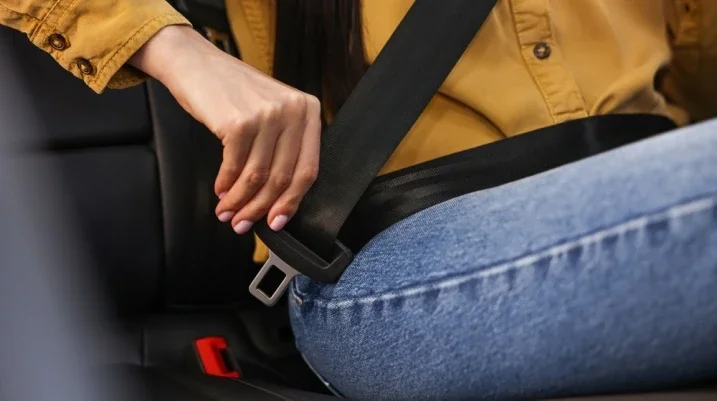
Imagine you’re cruising down the highway, the wind in your hair, music playing, and suddenly—unexpectedly—a car swerves in front of you. Your heart races, your mind scrambles, and in those crucial milliseconds, your seat belt is your silent guardian.
You’ve probably heard countless times how seat belts save lives, but have you ever wondered how this simple strap across your body actually prevents injury? Understanding this could be the key to appreciating the true power of buckling up every time you get into your car.
As you delve into the mechanics and science behind seat belts, you’ll discover why they’re more than just a legal requirement—they’re a lifesaver. This article will unravel the secrets of seat belts and reveal how they work to protect you and your loved ones. Stay with us, and you’ll never see that simple buckle the same way again.
Importance Of Seat Belts
Seat belts are vital for safety on the road. They save lives and reduce injuries during accidents. Wearing a seat belt can significantly lower the risk of harm. Let’s explore why seat belts are essential for everyone.
Historical Context
Seat belts have been around for decades. The first patent for a seat belt was in 1885. By the 1950s, car manufacturers began installing them. They became mandatory in many countries by the 1970s. These regulations were driven by research showing seat belts prevent injuries.
Statistics On Safety
Statistics highlight the importance of seat belts. They reduce the risk of fatal injury by 45%. For serious injuries, seat belts cut the risk by 50%. In the US, seat belts save over 14,000 lives yearly. They help prevent ejection during collisions, a leading cause of death.

Credit: www.facebook.com
Mechanics Of Seat Belts
Understanding the mechanics of seat belts is crucial for appreciating their life-saving capabilities. These everyday tools might seem simple, but they are designed with precision to protect you during unexpected collisions. The interplay between their components and their functionality in a crash scenario highlights their importance.
Components And Design
Seat belts consist of several key components: the webbing, retractor, latch plate, and buckle. The webbing is the strong fabric that secures you in your seat, designed to withstand significant force without tearing. Retractors ensure the belt remains taut, adjusting to your movements while driving. The latch plate and buckle provide a secure connection, allowing for quick release when necessary.
Design-wise, seat belts are engineered to distribute forces evenly across your body. This prevents concentrated stress points, reducing the risk of injury. Moreover, seat belts are strategically positioned to restrain the strongest parts of your body, such as your pelvis and chest.
Functionality During Collisions
During a collision, seat belts act as your first line of defense. Their functionality is designed to counteract sudden impacts by keeping you firmly in your seat. They prevent you from being thrown forward or sideways, minimizing contact with the dashboard or windows.
Consider this: in a crash, the rapid deceleration can exert forces that are several times your body weight. Seat belts manage these forces by stretching slightly, absorbing energy, and slowing down your movement. This controlled deceleration is critical in preventing injury.
Have you ever wondered why some belts lock during sudden stops? This is a feature of the retractor, designed to hold you securely in place during quick decelerations. It’s a reminder of the sophisticated mechanics at play, working silently to keep you safe.
Types Of Seat Belts
Seat belts, like lap belts and three-point belts, prevent injuries by securing passengers during sudden stops or crashes. They distribute force across stronger body parts, reducing impact on vital areas. This minimizes the risk of severe injury, keeping occupants safer on the road.
Seat belts are more than just a strap across your body; they’re a vital safety feature designed to protect you in a crash. Understanding the different types of seat belts can give you insights into how they function to keep you safe. Let’s dive into the key types of seat belts and see how each plays a crucial role in preventing injuries.Three-point Belts
Three-point belts are the most common type of seat belt found in vehicles today. They are named for their Y-shaped configuration that secures at three points: the shoulder, chest, and pelvis. This design distributes the force of a collision across the stronger parts of your body, reducing the risk of serious injury. Imagine you’re in a car accident. Without a three-point belt, the impact could throw you forward, causing severe harm. This type of belt cradles you securely, much like a reassuring hug, keeping you in place.Lap Belts
Lap belts are primarily used in older vehicles and in the middle seats of some cars. They wrap across your waist and are anchored on either side of your hips. While not as protective as three-point belts, they still offer significant restraint. If you’ve ever traveled in an older car or on certain airplanes, you’ve likely used a lap belt. They are effective at preventing you from being ejected from the seat but don’t provide the upper body support of a three-point belt. So, while they’re better than no belt at all, they leave room for improvement in protection.Automatic Belts
Automatic belts were introduced in the late 20th century as a way to ensure passengers buckle up. These belts automatically slide into place when you close the car door. The convenience factor is high, though some people find them intrusive. Have you ever sat in a car where the belt seems to have a mind of its own? That’s the automatic belt doing its job to protect you. While convenient, they are usually paired with a lap belt to ensure full protection, emphasizing the importance of using both parts for optimal safety. Understanding these types can help you make informed decisions about your safety. Do you know which type of seat belt your car has? Knowing could be crucial in an emergency. Always ensure your seat belt is fastened securely, regardless of the type, because your safety is worth it.How Seat Belts Reduce Injuries
Seat belts are more than just a legal requirement; they are a vital component in safeguarding you during a car accident. While it might seem like a simple strap, the seat belt plays a critical role in reducing the severity of injuries. The effectiveness of seat belts lies in their design and functionality, offering protection in multiple ways.
Impact Force Distribution
When a collision occurs, the force generated can be overwhelming. Seat belts are engineered to distribute this impact force across your chest, hips, and shoulders. This distribution minimizes the risk of injury to any single part of your body. Imagine the force being absorbed evenly rather than concentrated in one area—it’s like having a protective shield. Have you ever felt the seat belt tighten during a sudden stop? That’s the mechanism in action, safeguarding you from harm.
Prevention Of Ejection
One of the most life-saving functions of a seat belt is preventing ejection from the vehicle. In a high-impact crash, the force can easily propel you out of your seat. By securely holding you in place, seat belts drastically reduce the risk of being thrown out of the car. Consider the statistics: individuals who remain inside the vehicle have significantly higher survival rates. Have you ever thought about how a simple belt could be your strongest anchor in those critical moments?
Reduction Of Whiplash
Whiplash, a common neck injury during accidents, occurs when your head is jerked forward and backward suddenly. Seat belts, especially when paired with headrests, help reduce the likelihood and severity of whiplash. They restrain your upper body, limiting rapid movement. Think about the times you’ve braced yourself during a sudden brake; the seat belt acts as a crucial stabilizer, lessening the strain on your neck. How often do we underestimate the importance of this restraint?
Common Myths
Seat belts are crucial for safety, yet myths about their effectiveness persist. These myths can lead to misunderstandings and risky behavior. Let’s debunk some common myths about seat belts and their role in preventing injuries.
Myth Of Low-speed Safety
Many believe seat belts are unnecessary at low speeds. This myth is dangerous. Even at 30 mph, a collision can cause serious harm. The force of impact at low speeds can still be significant. Without a seat belt, you risk hitting the dashboard or windshield. A seat belt keeps you secure and reduces injury risks.
Misconceptions About Airbags
Some think airbags replace seat belts. This is a misconception. Airbags and seat belts work together. Airbags deploy to cushion the impact, but they don’t restrain you. Without a seat belt, you may collide with the airbag. This can cause injuries instead of preventing them. Wearing a seat belt ensures both safety features function properly.

Credit: www.facebook.com
Proper Seat Belt Usage
Seat belts hold passengers securely during sudden stops. They distribute force evenly across the chest and pelvis. This reduces the risk of serious injury.
Proper Seat Belt Usage Wearing a seat belt is not just about strapping in. It’s about ensuring it fits and protects you effectively. Proper usage can mean the difference between a minor scare and a major injury.Correct Positioning
The seat belt should rest across the middle of your chest and shoulder, away from your neck. It should lie flat and snug, without any twists. The lap belt must sit low on your hips, not your stomach, to provide optimal protection. Consider this: have you ever noticed how a badly positioned seat belt can dig into your neck? That discomfort is a sign it’s not positioned correctly, and in an accident, it could cause harm instead of preventing it. Always take a moment to adjust before driving.Adjustments For Children
Children require special attention when it comes to seat belts. Their smaller frames mean the standard seat belt might not fit correctly. Use a booster seat to ensure the belt fits over their shoulder and across their chest. Many parents assume their child is ready for a regular seat belt as soon as they outgrow a car seat. However, a booster seat is crucial until the seat belt fits properly without it. Keep in mind that a properly adjusted seat belt can drastically reduce the risk of injury for your child. When was the last time you checked the seat belt fit for your child? A quick check could make all the difference.Technological Advancements
Technological advancements in seat belts have significantly improved passenger safety. Modern vehicles now incorporate innovative designs to enhance protection. These advancements aim to reduce injuries during accidents. As technology evolves, seat belts become smarter and more integrated. They provide better safety measures for passengers.
Smart Seat Belts
Smart seat belts have sensors that detect a passenger’s movement. These sensors adjust the belt’s tension for optimal safety. They tighten automatically when a collision seems imminent. This reduces the risk of injury by securing passengers firmly.
These belts also connect to a vehicle’s system. They can alert drivers if passengers are not buckled up. This ensures that everyone in the vehicle is secure at all times. Smart seat belts are an important step in modern safety technology.
Integration With Vehicle Systems
Integration with vehicle systems enhances seat belt functionality. Advanced systems monitor real-time data from the car’s sensors. They adjust seat belt tension based on speed and road conditions. This dynamic adjustment improves passenger safety significantly.
Some systems also communicate with airbags. They synchronize deployment during a crash to offer maximum protection. By integrating with the car’s technology, seat belts work more effectively. This leads to a safer travel experience for all passengers.
Legislation And Compliance
Seat belts save lives. Their use is essential in reducing road injuries. Legislation enforces seat belt use globally. Compliance ensures safety for all road users. Understanding the laws and penalties helps promote consistent use.
Seat Belt Laws Worldwide
Seat belt laws exist in almost every country. They vary in enforcement and specifics. Some nations mandate front-seat use only. Others require all occupants to buckle up. Developed countries have stricter regulations. Developing nations are catching up. Consistent laws aim to minimize injuries and fatalities.
Penalties For Non-compliance
Penalties for not wearing a seat belt differ worldwide. Most countries impose fines. Some add demerit points to driving records. Penalties increase with repeat offenses. Severe cases might lead to license suspension. Enforcement encourages the habit of buckling up. It enhances overall road safety.

Credit: www.facebook.com
Frequently Asked Questions
Why Are Seat Belts Important For Safety?
Seat belts are crucial for safety because they restrain passengers during sudden stops or crashes. They prevent individuals from being ejected from the vehicle. This reduces the risk of serious injuries or fatalities. Wearing a seat belt is one of the simplest ways to enhance safety on the road.
How Do Seat Belts Reduce Injury Risk?
Seat belts reduce injury risk by distributing the force of a collision across stronger parts of the body. They help keep occupants secure in their seats. This minimizes movement that can lead to impact with the vehicle’s interior. This significantly lowers the chances of severe injuries.
What Happens If You Don’t Wear A Seat Belt?
If you don’t wear a seat belt, you risk being thrown from your seat during a crash. This increases the likelihood of hitting the dashboard, windows, or other passengers. The absence of a seat belt also raises the potential for serious injuries or death.
Are Seat Belts Effective In All Types Of Crashes?
Seat belts are effective in most crashes, including frontal and side collisions. They work by keeping passengers secured in their seats and reducing movement. Although not foolproof, they significantly improve survival chances and reduce injury severity in a wide range of accident scenarios.
Conclusion
Seat belts save lives. Simple, yet crucial. They hold you in place. During sudden stops or crashes, your body stays secure. Less movement means fewer injuries. The risk of being thrown from the car drops. This reduces harm. Wearing a seat belt is easy.
It takes seconds. But those seconds matter. Every drive. Every time. Protect yourself. Keep safety first. It’s not just about laws. It’s about life. Your life. Make seat belts a habit. They are your first line of defense. Stay safe.
Stay buckled.