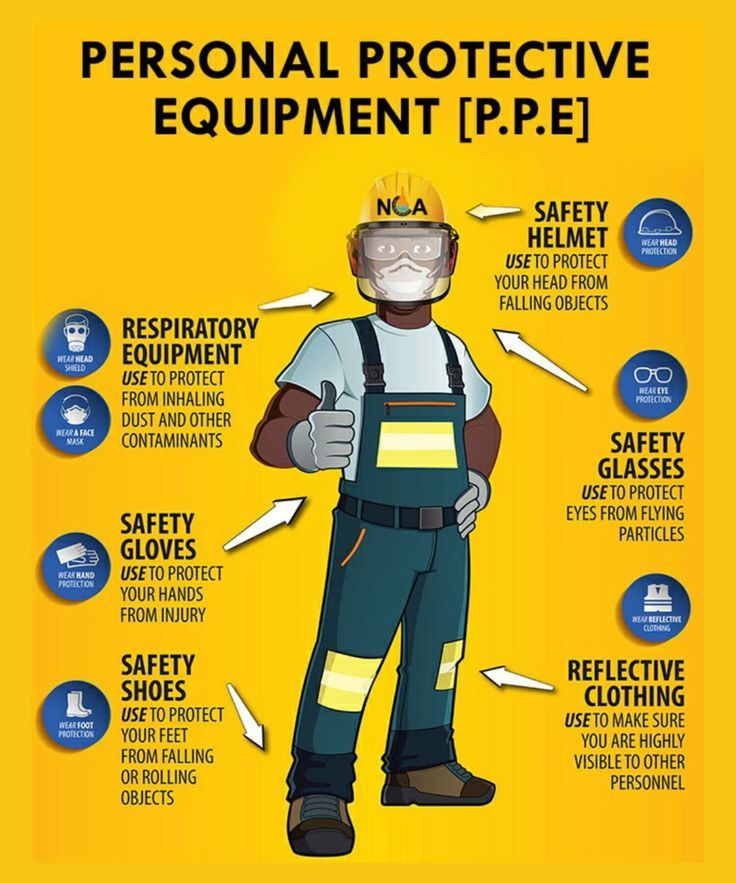
Imagine you’re about to take part in your favorite sport or tackle a challenging DIY project. Excitement is in the air, but so is the risk of injury.
Wouldn’t you want to feel secure, knowing that you’re protected? That’s where protective equipment comes into play. It’s not just about wearing gear—it’s about ensuring your safety and enhancing your performance. We’ll dive into how protective equipment acts as your personal shield, preventing injuries and giving you the confidence to push your limits.
You’ll discover the science behind these life-saving tools and why they’re essential, not just for professionals, but for anyone who values their well-being. So, if you’re curious about how to stay safe and enjoy your activities to the fullest, you’re in the right place. Let’s explore how protective gear can be your best ally in staying injury-free.

Credit: www.instagram.com
Types Of Protective Equipment
Protective equipment plays a crucial role in preventing injuries during various activities. It serves as a barrier against potential hazards, minimizing the risk of harm. Understanding the different types of protective equipment can help individuals choose the right gear for their needs.
Helmets
Helmets protect the head from impacts. They are essential for activities like cycling, motorcycling, and construction work. A well-fitted helmet reduces the risk of head injuries significantly. Modern helmets come with advanced features, offering enhanced comfort and safety.
Gloves
Gloves safeguard the hands from cuts, abrasions, and chemicals. They are vital in industries such as manufacturing and healthcare. Different materials are used to make gloves, each suited for specific tasks. Choosing the right type ensures optimal protection and dexterity.
Body Armor
Body armor protects vital organs from trauma. It’s common in law enforcement and military settings. This gear absorbs impact, reducing injury severity. Lightweight designs are now available, providing comfort without compromising safety.
Footwear
Protective footwear shields the feet from sharp objects and falls. Steel-toed boots are popular in construction and industrial sectors. These shoes offer sturdy support and slip resistance, crucial for hazardous environments.
Eye Protection
Eye protection prevents injuries from debris and chemicals. Safety glasses and goggles are used in labs and workshops. They come in various designs to fit different face shapes. Clear vision is maintained while safeguarding the eyes.
Mechanisms Of Protection
Protective equipment minimizes injury by absorbing impact, reducing friction, and providing barriers against harmful elements. Helmets, gloves, and pads cushion blows and protect sensitive areas. This defense helps athletes, workers, and everyday people stay safe in various environments.
Protective equipment plays a crucial role in minimizing the risk of injury in various activities, from sports to industrial work. Understanding how this equipment functions can help you choose the right gear for your needs and maximize its effectiveness. The mechanisms of protection include absorbing impact, distributing force, reducing friction, and preventing penetration. Each of these mechanisms is designed to address specific types of hazards, ensuring that you can perform tasks safely and confidently.Absorbing Impact
Imagine you’re playing a sport where sudden blows are common, like football. The helmets and padding used are crafted to absorb impact. This means they cushion the blow by spreading the energy over a larger area and for a longer time. By doing this, the equipment decreases the force that reaches your body, which greatly reduces the risk of injuries like concussions or bruises. Think about how you feel when you fall onto a soft mattress versus a hard floor—the impact is significantly lessened.Distributing Force
Some protective gear is designed to distribute force across a larger area. Take, for example, a catcher’s chest protector in baseball. Instead of letting a fast-moving ball hit one spot, the protector spreads the force over a broader surface. This distribution prevents concentrated pressure that can cause serious harm. It’s like when you press down on a bed of nails: the force is spread out, making it safer than it seems.Reducing Friction
Friction can be a silent enemy, causing abrasions and burns. Protective equipment such as gloves and knee pads are often made with materials that reduce friction. This is particularly important in activities like cycling or skating, where surfaces can be rough. By reducing friction, these items prevent skin damage and allow you to focus on performance rather than pain.Preventing Penetration
In environments where sharp objects are a risk, preventing penetration is key. Imagine working in construction or handling glass. Equipment like reinforced gloves and steel-toed boots are designed to prevent sharp objects from piercing through. These barriers are often made from tough materials like Kevlar or steel, offering a robust defense against cuts and punctures. It’s like having an invisible shield that stops potential threats in their tracks. Think about your own activities—are you equipped with the right protection? By understanding these mechanisms, you can make informed choices that safeguard your wellbeing.Material Composition
Protective equipment prevents injury by using strong and flexible materials. These materials absorb impact and shield the body. Proper design ensures safety and comfort.
Material Composition plays a crucial role in how protective equipment prevents injury. The materials used determine the effectiveness and comfort of the gear. Different materials are chosen based on the type of protection they offer, ensuring that you stay safe while engaging in various activities. Let’s delve into the specifics of these materials.Impact-resistant Materials
Impact-resistant materials are designed to withstand forceful blows and collisions. Think about helmets and knee pads that protect athletes during sports. These materials, like polycarbonate and high-density polyethylene, absorb and distribute the force of an impact, reducing the risk of fractures or concussions. Have you ever wondered what makes your helmet so sturdy? It’s the clever use of these durable compounds.Shock-absorbing Materials
Shock-absorbing materials are essential for reducing vibrations and sudden jolts. Many sports shoes incorporate EVA foam or gel inserts to cushion your landings. Imagine running without these—your joints would be screaming! By minimizing shock, these materials help prevent injuries like sprains and strains, making your activities safer and more enjoyable.Breathable Fabrics
Breathable fabrics keep you comfortable by allowing moisture and heat to escape. Whether you’re cycling or hiking, gear made from materials like mesh and moisture-wicking polyester ensures you stay dry and cool. Ever felt like your gear was suffocating you? Breathable fabrics solve this problem, making your protective equipment more pleasant to wear during long, sweaty sessions.Heat-resistant Materials
Heat-resistant materials are crucial in environments where high temperatures can cause harm. Firefighters rely on gear made from aramid fibers like Kevlar, which protect against burns. Have you ever marveled at their ability to withstand intense heat? These materials help shield the skin, preventing injuries that could be life-threatening. As you consider your protective gear, think about how the right material composition can make all the difference in your safety.
Credit: arrowheadtribal.com
Importance Of Proper Fit
Protective equipment plays a key role in preventing injuries. The proper fit of this gear is vital for its effectiveness. Ill-fitting equipment can cause discomfort and reduce safety. A snug fit ensures the gear stays in place during activity. This enhances protection and reduces the risk of injury.
Size And Adjustability
Correct size ensures maximum coverage and protection. Equipment should match the user’s body measurements. Adjustable features allow for customization. This is crucial for accommodating different body shapes. Adjustable straps and buckles help in achieving a secure fit. Users should be able to modify the fit easily. This flexibility ensures comfort and safety.
Comfort And Mobility
Comfort boosts the willingness to wear protective gear. If equipment is uncomfortable, users may avoid wearing it. Properly fitted gear should not restrict movement. It should allow natural body movements. Mobility is important for performing tasks effectively. Unrestricted movement keeps users agile and safe. Proper fit balances comfort with protection.
Retention And Stability
Retention ensures the gear stays in place during use. Stability prevents shifting that can expose vulnerabilities. Properly fitted equipment remains secure under stress. This is especially important during high-impact activities. Gear that stays in place protects better. Stability also prevents distractions during activities. It allows users to focus on the task without worry.
Role In Different Sports
Protective equipment is crucial in sports to minimize injury risks. Helmets, pads, and guards shield athletes from impacts and falls. These tools absorb shock, reducing the chance of fractures, sprains, and other injuries.
Protective equipment plays a crucial role in sports, shielding athletes from injuries. Different sports require varied gear based on their unique demands and risks. Understanding the importance of protective equipment in each sport helps in ensuring safety and enhancing performance. Let’s explore how protective gear is vital across various sports categories.Contact Sports
Contact sports involve physical interaction between players, like football and rugby. Helmets protect the head from impacts, reducing concussion risks. Pads for shoulders and knees absorb shocks during tackles. Mouthguards prevent dental injuries. These essentials help minimize the harm from frequent collisions.Extreme Sports
Extreme sports include activities like skateboarding and rock climbing. Helmets protect against head injuries during falls. Knee and elbow pads cushion joints against hard surfaces. Harnesses and ropes provide safety in climbing, preventing falls. These gear pieces safeguard athletes in high-risk environments.Motor Sports
Motor sports, such as car racing, demand specialized gear. Helmets with visors shield the face from debris and impacts. Fire-resistant suits protect against heat and flames. Gloves and boots offer grip and protection. These equipment pieces are essential for safety at high speeds.Water Sports
Water sports include activities like surfing and kayaking. Life jackets keep athletes afloat in emergencies. Helmets protect against head injuries in turbulent waters. Wetsuits provide warmth and prevent abrasions. These items ensure safety in unpredictable water conditions.Advancements In Technology
Protective equipment, like helmets and pads, absorbs impact to reduce injury risk. Innovations in materials enhance safety and comfort. Smart gear now monitors body conditions, offering real-time alerts to prevent harm.
Advancements in technology have transformed protective equipment dramatically. Modern designs focus on increasing safety and comfort. New materials and smart features enhance performance and reduce injury risks. These innovations aim to protect users better, adapting to various needs and environments.Smart Protective Gear
Smart protective gear integrates sensors and electronics. It monitors environmental conditions and user health. For example, helmets with sensors detect impacts. They alert wearers to potential concussions. Smart shoes track foot pressure, preventing injuries. This technology provides real-time feedback, improving safety.Ergonomic Design
Ergonomic design improves comfort and support. It reduces strain on muscles and joints. Protective gear now adapts to body movements. This design minimizes fatigue during long activities. Helmets, gloves, and boots fit better and feel lighter. Proper ergonomic design enhances user performance and reduces injury risks.Customizable Equipment
Customizable equipment caters to individual needs. Users can adjust gear for personal fit and comfort. Manufacturers offer modular designs. These allow users to add or remove components. Customization ensures optimal protection and usability. It helps users feel secure and confident during activities.Common Misconceptions
Protective equipment plays a crucial role in preventing injuries. It shields athletes, workers, and everyday people from potential harm. Despite its importance, several misconceptions exist about protective gear. These misunderstandings can lead to improper use and unnecessary risks. Let’s explore some common misconceptions.
Overreliance On Equipment
Many believe protective gear makes them invincible. This false sense of security can lead to risky behavior. Protective equipment reduces injury risk, but doesn’t eliminate it. It’s essential to use it alongside safe practices. Balance is key in maintaining safety.
Cost Vs. Safety
Some think expensive gear offers better protection. This isn’t always true. Costly items may have extra features, but basic equipment often provides adequate safety. It’s crucial to focus on quality rather than price. Ensure the gear meets safety standards.
Durability Myths
Durability is often misunderstood. People assume durable gear lasts forever. In reality, protective equipment has a limited lifespan. Regular inspections and replacements are necessary. Wear and tear reduce effectiveness over time. Prioritize maintenance for optimal protection.

Credit: m.facebook.com
Maintaining Protective Equipment
Protective equipment reduces injury by acting as a barrier against harmful impacts. It absorbs shock, lessening damage to the body. Properly maintained gear ensures optimal performance and safety during activities.
Maintaining protective equipment is crucial for ensuring its effectiveness in preventing injuries. Just like a well-oiled machine, your gear needs regular attention to function optimally. Imagine slipping on a helmet only to realize it’s cracked or worn out. Not only does this compromise safety, but it can lead to serious consequences. By keeping your protective equipment in top condition, you safeguard yourself against potential hazards. Let’s delve into how you can maintain your gear properly.Regular Inspection
Your protective equipment should be inspected regularly. This doesn’t mean a quick glance over, but a thorough check-up. Look for cracks, tears, or signs of wear and tear. Are the straps still secure? Is the padding intact? These checks can be the difference between safety and injury. Make it a habit to inspect your gear before each use. Think of it as a pre-flight checklist for your own safety.Cleaning And Care
Cleaning and caring for your equipment is more than just wiping it down. Dirt and grime can weaken materials over time. Use appropriate cleaning agents for different types of gear. For helmets, a mild soap and water solution usually does the trick. Gloves might need a different approach. Dry your equipment thoroughly to avoid mold and mildew. Regular cleaning not only extends the life of your gear but ensures it performs effectively.Replacement Guidelines
Knowing when to replace your equipment is essential. Even the best gear has a lifespan. Check manufacturer guidelines for specific timelines. If you’re noticing decreased performance or visible damage, it might be time for a new purchase. Don’t wait until it’s too late. Ask yourself if you trust your equipment to protect you in an accident. If the answer is no, it’s time for a replacement. Your safety is worth the investment.Frequently Asked Questions
How Does Protective Equipment Reduce Injury Risk?
Protective equipment acts as a barrier between the body and potential hazards. It absorbs impacts, distributes force, and minimizes exposure to dangerous elements. Proper gear can significantly lower injury risk during activities like sports, construction, or hazardous work environments, ensuring safety and enhancing performance.
What Types Of Protective Gear Are Most Effective?
Effective protective gear includes helmets, gloves, pads, and goggles. Helmets protect the head from impacts. Gloves prevent hand injuries. Pads cushion joints against falls. Goggles shield eyes from debris. Each type of gear is designed to protect specific body parts, reducing the likelihood of injury.
Why Is Proper Fit Important For Protective Gear?
Proper fit ensures that protective gear functions optimally. Ill-fitting gear can shift or fail during impact, compromising safety. A snug fit keeps gear securely in place, enhancing its protective capabilities. Always check size charts and adjust straps to ensure a secure and comfortable fit.
Can Protective Equipment Prevent All Injuries?
While protective equipment significantly reduces injury risk, it cannot prevent all injuries. It minimizes the severity and likelihood of harm but doesn’t eliminate risk entirely. Users should combine protective gear with safe practices and awareness to maximize safety and minimize potential hazards.
Conclusion
Protective equipment plays a crucial role in injury prevention. Helmets shield the head, reducing impact from falls. Gloves protect hands from cuts and abrasions. Pads guard knees and elbows, preventing scrapes and bruises. Properly fitted gear enhances comfort and safety.
Choosing the right equipment can make a significant difference. Always prioritize safety while engaging in physical activities. Regularly inspect equipment for any signs of wear. Replace damaged items promptly to ensure maximum protection. Stay safe and enjoy activities with peace of mind.
Simple choices can lead to safer outcomes. Protect yourself, stay active, and have fun!