
Are you curious about what really drives athletes to push beyond their limits and achieve greatness? It’s not just about physical strength or skill.
The secret lies in something more profound: motivation. Imagine stepping onto the field, court, or track with a burning desire that propels you to perform at your best. How does this inner drive shape your performance in sports? Understanding the impact of motivation can unlock your potential, whether you’re an amateur enthusiast or a seasoned professional.
It’s the fuel that powers your performance engine, influencing your focus, energy, and resilience. Get ready to delve into the fascinating relationship between motivation and athletic success. By the end of this article, you’ll discover how to harness this powerful force to elevate your game and achieve the goals you’ve always dreamed of.

Credit: www.youtube.com
The Role Of Motivation In Sports
Motivation plays a vital role in sports. It drives athletes to excel and achieve their goals. Without motivation, even the most talented individuals may fall short. It fuels the desire to improve, compete, and succeed. Understanding how motivation affects performance can help athletes reach their full potential.
Motivation influences every aspect of sports performance. It determines how hard athletes train and compete. A motivated athlete will push beyond their limits. They exhibit resilience and determination. Motivation impacts both physical and mental aspects of performance. It helps in overcoming challenges and setbacks.
The Impact Of Internal Motivation
Internal motivation comes from within. It’s the passion for the sport itself. Athletes driven by internal motivation love what they do. They find joy in training and competing. This type of motivation leads to consistent effort. It also fosters long-term dedication.
External Motivation And Its Effects
External motivation stems from outside rewards. These include trophies, fame, and recognition. While powerful, it can be less sustainable. Athletes may feel pressure to perform for rewards. It can lead to stress and burnout if not balanced.
Balancing Different Types Of Motivation
Finding the right balance is key. Both internal and external motivations are important. Athletes should focus on personal goals and achievements. External rewards should enhance, not overshadow, internal motivations. Coaches play a role in guiding this balance.
Strategies To Enhance Motivation
Setting clear goals boosts motivation. Short-term and long-term goals are essential. Positive reinforcement encourages continued effort. Celebrating small victories can enhance motivation. Visualization techniques can also be effective.
Intrinsic Vs. Extrinsic Motivation
Motivation plays a crucial role in sports performance. It can be divided into two main types: intrinsic and extrinsic motivation. Understanding these can help athletes improve their performance and reach their goals.
Understanding Intrinsic Motivation
Intrinsic motivation comes from within. Athletes driven by this motivation engage in sports for personal satisfaction. They love the sport itself, not just the rewards. This love leads to increased focus and dedication. For them, mastering skills is a joy. They find fulfillment in the process, not just the outcome. This type of motivation often results in long-term commitment. It fuels a genuine passion for improvement.
Role Of Extrinsic Motivation
Extrinsic motivation originates from external factors. It includes rewards like trophies, money, and fame. Athletes motivated extrinsically may focus more on winning. They seek validation from others and tangible rewards. This motivation can drive short-term performance boosts. It is often seen in competitive settings where stakes are high. While effective, it might not sustain long-term passion.
Balance Between Intrinsic And Extrinsic Factors
Finding a balance between intrinsic and extrinsic motivation is key. Too much focus on rewards can lead to burnout. Ignoring personal satisfaction may result in lost interest. Combining both can enhance performance significantly. Athletes should seek joy in the game while setting tangible goals. This balance helps maintain enthusiasm and drive. Coaches can encourage both types of motivation for better results.
Motivational Theories In Sports
Understanding motivational theories in sports reveals how motivation influences performance. Athletes driven by clear goals often excel in their sports. Positive motivation boosts confidence, leading to improved outcomes and personal growth.
Motivation plays a crucial role in sports performance. Athletes need to stay motivated to reach their goals. Understanding motivational theories helps coaches inspire their teams. These theories offer insights into what drives athletes.Self-determination Theory
Self-Determination Theory centers on intrinsic and extrinsic motivation. Intrinsic motivation comes from within. Athletes are driven by personal satisfaction and enjoyment. Extrinsic motivation involves external rewards like trophies or praise. Balancing both types enhances performance. Coaches aim to foster intrinsic motivation. It leads to greater commitment and perseverance.Achievement Goal Theory
Achievement Goal Theory focuses on how athletes define success. There are two main types: task-oriented and ego-oriented. Task-oriented athletes aim to improve their skills. They value personal growth and mastery. Ego-oriented athletes seek to outperform others. They are driven by winning and recognition. Coaches encourage task-oriented goals for long-term success. This leads to more consistent and sustainable progress.Expectancy-value Theory
Expectancy-Value Theory examines how athletes weigh effort and rewards. It considers two factors: expectancy and value. Expectancy is the belief in one’s ability to succeed. Value is the importance placed on the achievement. Athletes perform better when they expect success and value the outcome. Coaches build confidence and highlight the benefits of goals. This boosts motivation and enhances performance.Psychological Factors Influencing Motivation
Motivation plays a crucial role in sports performance. Psychological factors significantly influence this motivation. Understanding these factors can help athletes excel. Let’s explore some key psychological elements affecting motivation in sports.
Self-confidence And Motivation
Self-confidence impacts an athlete’s motivation. Believing in one’s abilities boosts performance. Confident athletes often take more risks. They are not afraid to push their limits. This confidence fuels their motivation to succeed. Doubt, on the other hand, hinders performance. It can lead to decreased motivation and effort.
Impact Of Goal Setting
Setting goals is vital for motivation. Goals provide a clear direction. They help athletes focus their efforts. Achieving small goals boosts confidence. It motivates athletes to aim for bigger ones. Well-defined goals can improve an athlete’s performance. They offer a sense of accomplishment and purpose.
Stress And Anxiety Management
Stress and anxiety can affect motivation negatively. Athletes under stress may lose focus. Anxiety can lead to poor performance. Managing these feelings is crucial. Relaxation techniques can help reduce stress. Mindfulness practices keep anxiety in check. A calm mind helps maintain motivation and improves performance.
Coaching And Motivation
Coaching plays a pivotal role in shaping athletes’ motivation. The right coach can ignite a fire within athletes, pushing them to reach their full potential. But how exactly does coaching affect motivation, and how can coaches maximize this impact to enhance performance?
Effective Motivational Techniques
Coaches often use tailored motivational techniques to inspire their athletes. One effective method is setting clear, achievable goals. When athletes have specific targets, they’re more likely to stay focused and committed.
Another technique is positive reinforcement. Recognizing progress, no matter how small, can boost an athlete’s confidence and drive. Have you ever felt a rush of motivation when someone acknowledged your efforts? That’s the power of positive reinforcement.
Coaches can also encourage athletes by sharing stories of past successes or showcasing role models. These examples can serve as powerful motivators, illustrating what is possible with determination and hard work.
Communication And Feedback
Open communication between coaches and athletes is essential. Effective coaches actively listen and provide constructive feedback. This ensures athletes understand their strengths and areas for improvement.
Feedback should be specific and actionable. Instead of saying, “You need to improve,” a coach might suggest, “Focus on your breathing during sprints to enhance endurance.” Such detailed advice helps athletes know exactly what to work on.
Moreover, a supportive environment where athletes feel heard can significantly bolster motivation. Are you providing a space where athletes feel comfortable expressing their thoughts and concerns?
Building A Motivational Environment
Creating a motivational environment involves more than just pep talks. It includes fostering a culture of teamwork and mutual support. When athletes feel part of a cohesive unit, their motivation to perform well and support their teammates increases.
Encouraging a growth mindset is also crucial. Coaches can inspire athletes to view challenges as opportunities for growth rather than obstacles. This mindset shift can lead to increased resilience and motivation.
Finally, the physical environment matters too. Training facilities should be equipped and designed to inspire. An uplifting atmosphere can enhance mood and motivation, making athletes eager to train.
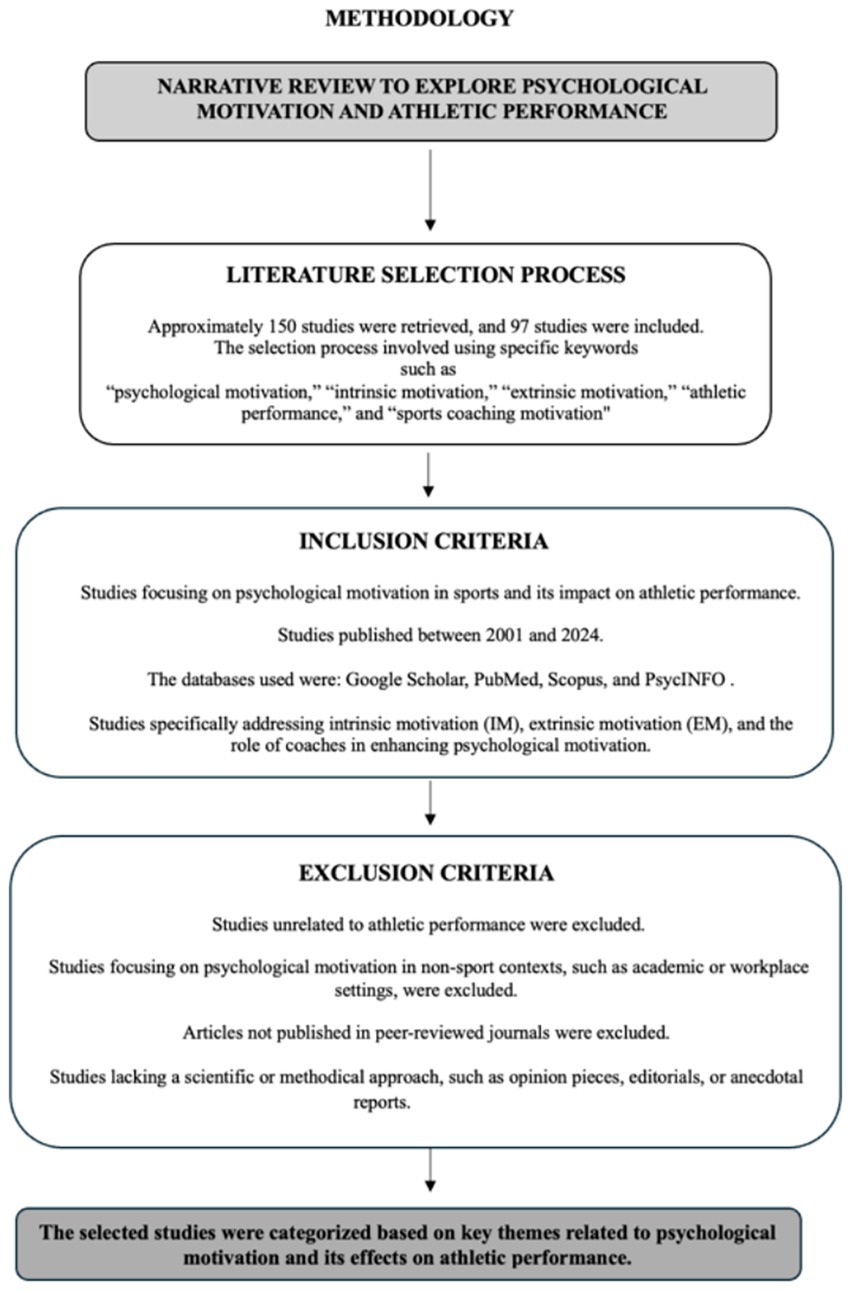
Credit: www.frontiersin.org
Team Dynamics And Motivation
Team dynamics play a crucial role in shaping the motivation levels of athletes. When individuals come together, they form a unit that can either boost or hinder performance. Understanding how these dynamics influence motivation can unlock potential in sports teams. But what elements within a team truly impact motivation?
Importance Of Team Cohesion
Team cohesion is the glue that holds team members together. A team that gels well often displays higher motivation levels. When players feel connected, they’re more likely to support each other and push towards common goals. Think about a time when you worked in a harmonious team; didn’t it feel like you could achieve anything?
Creating a cohesive environment involves regular team-building activities and open communication. Encourage every member to voice their opinions, fostering a sense of belonging. How can you make each player feel like an integral part of the team?
Leadership Influence
Leadership plays a pivotal role in motivating a team. A good leader inspires and motivates through actions and words. They set clear goals and guide the team towards achieving them. Have you ever been part of a team with a leader who made you feel like your contributions truly mattered?
Effective leaders know how to tap into individual strengths and align them with team objectives. They create an environment where players strive for excellence. Consider what qualities you admire in leaders, and how these can be nurtured in your team.
Peer Support And Motivation
The encouragement and support from teammates can be a powerful motivational tool. Positive reinforcement from peers often leads to improved performance. Remember a time when a simple pat on the back or kind words lifted your spirits during a challenging game?
Peer support fosters a culture of mutual respect and motivation. Encourage players to celebrate each other’s achievements and learn from mistakes together. How can you cultivate an atmosphere where everyone feels motivated to support one another?
Challenges In Maintaining Motivation
In the world of sports, maintaining motivation is crucial for peak performance. However, athletes often face challenges that can hinder their drive. From facing setbacks to preventing burnout, each obstacle tests their resilience and commitment. Understanding these challenges can equip you with strategies to keep your motivation strong, ensuring you stay on track toward your goals.
Dealing With Setbacks
Setbacks are inevitable in any sports journey. Whether it’s an injury, a disappointing loss, or a plateau in progress, these moments can shake your confidence and motivation. It’s crucial to view setbacks as learning opportunities. Reflect on what went wrong and plan your next steps. This proactive approach can transform setbacks into stepping stones.
Imagine a basketball player missing a crucial free throw; it’s not just about bouncing back physically. Emotionally, they must harness resilience and focus on improvement. How do you handle setbacks in your own sports endeavors?
Burnout Prevention
Burnout is a silent enemy that creeps in unnoticed, draining your enthusiasm and energy. The intense pressure to perform and constant training can lead to exhaustion. To prevent burnout, balance is key. Ensure you’re taking breaks, engaging in activities outside sports, and maintaining a social life. These breaks recharge your mind and body.
Consider the story of an athlete who took up painting alongside their rigorous training. This creative outlet provided relaxation, helping them return to their sport refreshed and motivated. What non-sport activity could rejuvenate your spirit?
Long-term Motivation Strategies
Motivation must be sustainable for long-term success. Setting clear, achievable goals is fundamental. Break your ultimate objective into smaller milestones. Celebrate these wins to fuel your motivation continuously. Visualization can also play a significant role. Picture yourself achieving your goals; this mental imagery can boost your determination.
Think about a marathon runner who sets a goal to complete a race within a specific time. Each training session focuses on beating the last time, creating a cycle of motivation. What long-term strategies can you implement in your sporting journey?
Case Studies Of Motivated Athletes
Motivation plays a crucial role in sports performance. Athletes often push their limits due to strong motivation. Studying motivated athletes reveals insights into the power of motivation. Let’s explore some inspiring case studies.
Success Stories
Michael Jordan, a basketball legend, exemplifies motivation. He faced many challenges and setbacks. Yet, his determination drove him to excel. He practiced relentlessly, always aiming to improve.
Another inspiring story is that of Serena Williams. Her commitment and passion for tennis are unmatched. She overcame injuries and personal challenges to achieve greatness.
Lessons From Elite Performers
Elite athletes teach us valuable lessons. Consistency and dedication are key. Cristiano Ronaldo, for example, trains with unwavering focus. His dedication to fitness and skill improvement is evident.
Simone Biles also provides great insights. Her mental resilience sets her apart. She maintains focus under immense pressure, showcasing the impact of mental strength.
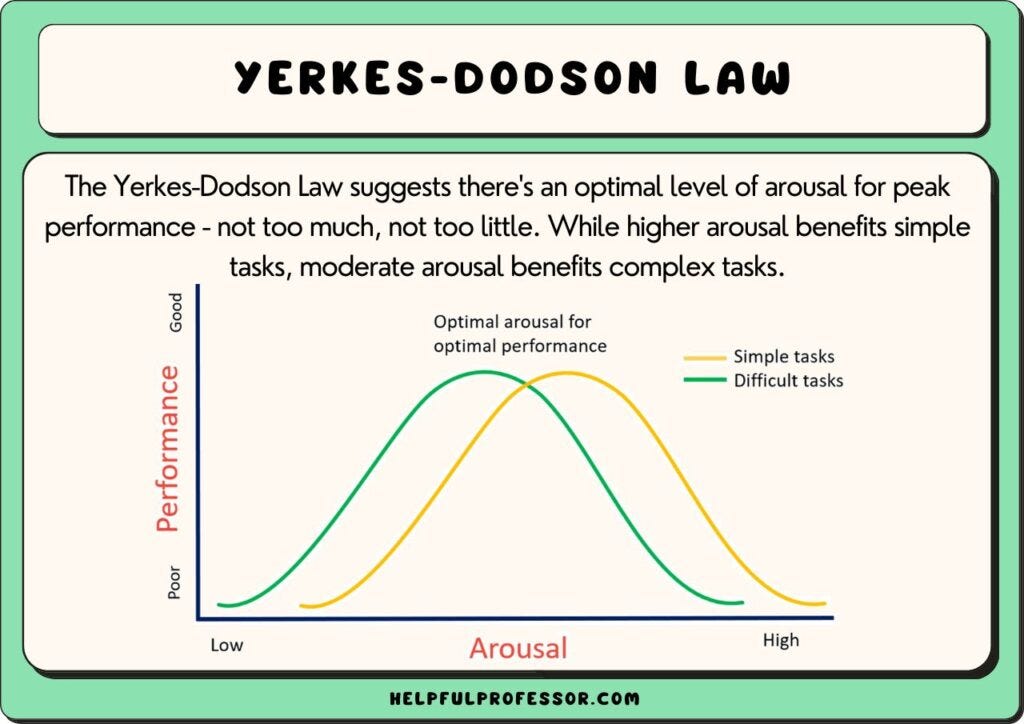
Credit: medium.com
Frequently Asked Questions
How Does Motivation Impact Sports Performance?
Motivation significantly enhances sports performance by increasing focus, determination, and resilience. It fuels athletes’ dedication to training, pushing them towards their goals. A motivated athlete is more likely to persist through challenges and improve their skills, ultimately leading to better performance outcomes.
What Role Does Intrinsic Motivation Play In Sports?
Intrinsic motivation drives athletes to perform for personal satisfaction and love of the sport. It enhances enjoyment and long-term commitment, leading to sustained performance improvements. Athletes motivated intrinsically often experience greater fulfillment and are more resilient in the face of setbacks.
Can Lack Of Motivation Affect Athletic Performance?
Yes, lack of motivation can severely hinder athletic performance. It leads to decreased effort, focus, and commitment, resulting in poorer outcomes. Unmotivated athletes may struggle to maintain consistent training, impacting skill development and competitive success.
How Do Coaches Boost Athletes’ Motivation?
Coaches boost motivation by setting achievable goals, providing positive feedback, and fostering a supportive environment. They tailor training to individual needs and encourage self-reflection. By building strong relationships, coaches inspire athletes to strive for excellence and remain committed to their sport.
Conclusion
Motivation drives athletes to achieve their best in sports. It fuels passion and commitment. Athletes with high motivation often perform better. They train harder. Stay focused. Overcome challenges. Motivation impacts mindset and energy levels. It can turn potential into achievement.
Coaches play a key role. They inspire and guide athletes. Supportive environments boost motivation. Celebrating small wins keeps spirits high. Every athlete needs motivation. It’s the heart of performance. Without it, talent may not shine. With it, success becomes possible.
Motivation and performance go hand in hand. They’re a powerful duo in sports.