Imagine gearing up for a big game or a crucial workout session. You’ve trained hard, your gear is ready, and your mind is focused on winning.
But there’s one critical factor you might be overlooking: hydration. Specifically, hypohydration, or being under-hydrated, can quietly sabotage your performance when you least expect it. You might not even realize the impact it has until it’s too late. You will discover how hypohydration can directly affect your sports performance, leaving you with less energy, slower reactions, and reduced endurance.
Understanding the signs and knowing how to counteract them can be your secret weapon to staying ahead of the competition. Keep reading to uncover the science behind hypohydration and find practical tips to keep it from holding you back. Your performance deserves the best, and knowing how to manage your hydration is a game-changer.
Credit: link.springer.com
Hypohydration Defined
Hypohydration is a state where the body lacks sufficient water. It impacts every system in the body. Athletes often face this challenge during intense activities. Understanding hypohydration is crucial for peak performance.
Water balance is vital for health. It affects muscle function and endurance. Even slight dehydration can hinder sports performance.
Water Balance In The Body
Our bodies need water for optimal function. Muscles rely on water for strength. Proper hydration supports energy and focus.
Dehydration disrupts these processes. It can lead to fatigue and reduced performance. Maintaining water balance is key for athletes.
Signs Of Hypohydration
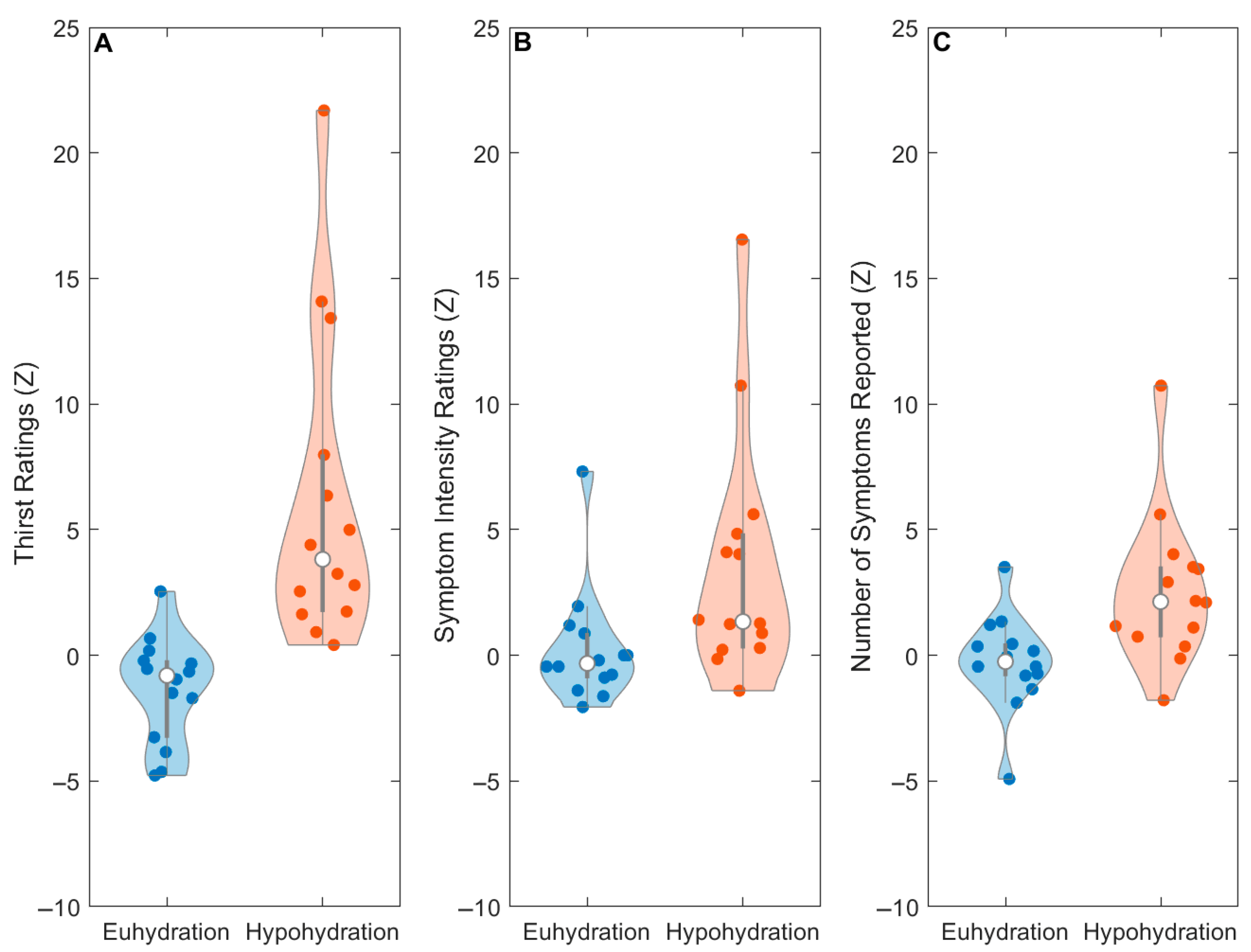
Recognizing hypohydration is essential. Common signs include dry mouth and dizziness. Athletes may experience cramps or headaches.
These symptoms can affect game play. Early detection helps manage performance. Staying aware of these signs is important.
Impact On Athletic Performance
Hypohydration can lower strength and endurance. It affects reaction time and coordination. Athletes might perform below their potential.
Proper hydration supports recovery and stamina. It ensures the body functions optimally. Keeping hydrated is crucial for success.
Causes Of Hypohydration
Hypohydration, often referred to as dehydration, is a condition that can significantly impact athletic performance. Understanding its causes is crucial for athletes and sports enthusiasts aiming to optimize their performance. Below are the key factors leading to hypohydration.
Environmental Factors
Ever felt like the sun was draining your energy during a run? High temperatures and humidity can increase sweat rates, leading to fluid loss. Even cold environments can be deceptive; you might not feel thirsty, but your body still loses moisture. Recognizing these environmental challenges can help you prepare better.
Physical Exertion
Think about your last intense workout. Did you sweat more than usual? Vigorous physical activity demands more from your body, often resulting in significant fluid loss. It’s not just the duration, but the intensity that matters. Are you pushing your limits without replenishing fluids?
Inadequate Fluid Intake
Skipping that water bottle can be a costly mistake. Many athletes underestimate their fluid needs, especially during endurance events. Drinking just when you’re thirsty might not be enough. Have you ever calculated how much water your body actually needs during exercise?
By understanding these causes, you can take proactive steps to maintain optimal hydration and enhance your sports performance. Remember, your body’s needs are unique, so listen to its signals and adjust your hydration strategy accordingly.
Physiological Impacts
Hypohydration, or low body water, impacts sports performance. Athletes’ bodies change in various ways. Let’s explore these physiological impacts.
Effect On Blood Volume
Hypohydration reduces blood volume, causing thicker blood. This makes the heart work harder. The body struggles to deliver oxygen and nutrients. Athletes may feel tired and slow. Performance drops significantly.
Impact On Thermoregulation
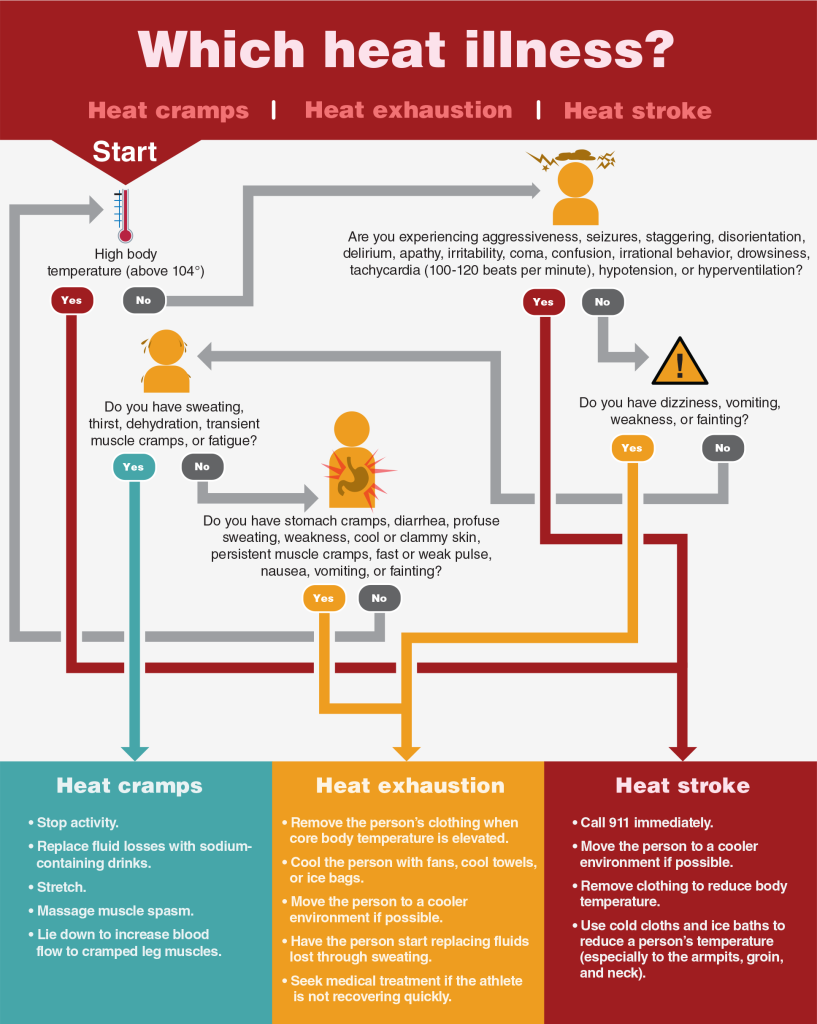
The body struggles to cool itself. Sweating decreases, leading to overheating. Heat exhaustion risks increase. Athletes might face heat cramps or heat stroke. Maintaining body temperature becomes challenging.
Muscle Function Alterations
Muscles lose efficiency with less water. Cramping and fatigue occur more often. Reaction times slow down. Muscle strength decreases, affecting performance. Recovery takes longer, impacting future workouts.
Performance Consequences
Hypohydration, or a lack of adequate body water, can significantly impact athletic performance. Athletes often rely on their physical and mental capabilities to excel, but hypohydration can undermine both. This section explores how insufficient hydration affects endurance, strength, power, and cognitive function during sports activities.
Endurance Reduction
Dehydration leads to a decrease in blood volume. This affects the body’s ability to deliver oxygen to muscles. As a result, endurance levels drop, making prolonged activities challenging. Athletes may tire quickly and struggle to maintain pace. Even a slight water deficit can impact stamina.
Strength And Power Decline
Muscle function relies on proper hydration. Hypohydration can lead to reduced muscle strength and power. Without enough water, muscles can’t contract effectively. This results in weaker performance during strength-based activities. Lifting weights or sprinting becomes less efficient.
Cognitive Function Impairment
Dehydration doesn’t just affect the body; it impacts the mind too. Cognitive functions like focus, decision-making, and reaction time suffer. Athletes need sharp mental skills to react swiftly. Lack of hydration can slow mental processes, leading to poor judgment and delayed responses. This can affect strategy and performance significantly.
Risks In Different Sports
Hypohydration affects athletes in various sports differently. Each sport presents unique challenges and risks related to fluid loss. Understanding these risks helps athletes maintain optimal performance levels. Let’s explore how hypohydration impacts different sports categories.
Endurance Sports
Endurance sports demand prolonged physical exertion. Activities like marathon running and cycling require sustained energy. Hypohydration in these sports leads to early fatigue. It reduces endurance capacity and affects overall performance. Athletes may experience dizziness and muscle cramps. Proper hydration strategies are essential to prevent these issues.
Team Sports
Team sports require coordination and communication. Sports like soccer and basketball involve high-intensity bursts. Hypohydration can impair cognitive functions. It affects decision-making and reaction times. This impacts teamwork and strategy execution. Maintaining hydration is crucial for peak performance in team settings.
Weight-class Sports
Weight-class sports include wrestling and boxing. Athletes often use dehydration to meet weight requirements. This practice can be risky. Hypohydration affects strength and power output. It increases the risk of injury and reduces concentration. Proper hydration management is vital for safety and performance.
Credit: www.mdpi.com
Hydration Strategies
Hypohydration can significantly reduce endurance and strength in athletes. Even slight dehydration impacts cognitive functions and physical performance. Proper hydration strategies are crucial for maintaining optimal athletic performance and recovery.
Hydration Strategies are crucial for athletes aiming to optimize their performance and recovery. Proper hydration can make the difference between achieving a personal best and struggling to complete a workout. Dehydration, or hypohydration, can lead to decreased endurance, strength, and agility. Implementing effective hydration strategies can help you maintain peak performance and enhance recovery. Let’s explore key practices to ensure you stay hydrated before, during, and after your exercise routines.Pre-exercise Hydration
Start your day with a glass of water. This sets a solid foundation for your hydration strategy. Consider drinking a sports drink or water with added electrolytes about 30 minutes before exercise. This prepares your body and replenishes essential minerals lost through sweat. Monitor your urine color. If it’s dark, you’re likely dehydrated. Aim for a pale yellow shade before starting your workout.During-exercise Hydration
Carry a water bottle during your workout. Sip regularly, even if you don’t feel thirsty. Thirst can be a late indicator of dehydration. For activities lasting longer than an hour, consider drinks with electrolytes. They help maintain your energy and prevent cramps. Listen to your body. If you feel dizzy or overly fatigued, pause and hydrate immediately. Your performance is directly linked to how well you stay hydrated.Post-exercise Recovery
Rehydrate immediately after exercise. Drink water or a recovery drink within 30 minutes of finishing your workout. Include foods rich in water content, like fruits and vegetables, in your recovery meal. They aid in rehydration and provide essential nutrients. Reflect on your hydration routine. Did you drink enough throughout your workout? Adjust your strategy based on how you felt during and after exercising. Effective hydration strategies are not just about drinking water; they involve a mindful approach to managing fluid intake at all stages of your exercise routine. How will your performance change when you start prioritizing hydration?Monitoring Hydration Status
Hypohydration can significantly impair sports performance by reducing endurance and strength. Athletes may experience fatigue and slower reaction times. Hydration monitoring is crucial to maintain optimal physical ability during activities.
Monitoring hydration status is crucial for athletes. Staying hydrated enhances performance and prevents health issues. Effective monitoring helps athletes maintain optimal fluid levels. Several methods exist to assess hydration status reliably.Urine Color Analysis
Urine color is a simple hydration indicator. Light yellow means well-hydrated, while dark yellow suggests dehydration. This method is easy and quick. Athletes can check their urine color daily. It gives immediate feedback on their hydration status. However, other factors can affect urine color, such as diet or medications.Body Weight Tracking
Tracking body weight helps monitor hydration. Weighing before and after exercise shows fluid loss. A significant weight drop can indicate dehydration. Athletes should aim to replace lost fluids promptly. Regular body weight checks offer consistency. This method is reliable for maintaining hydration.Advanced Monitoring Technologies
Advanced technologies offer precise hydration tracking. Devices like smart water bottles record fluid intake. Wearable sensors provide real-time hydration data. These tools help athletes manage their hydration better. They can set reminders to drink water. Technology aids in efficient hydration strategies.
Credit: link.springer.com
Future Research Directions
The world of sports science is constantly evolving, and understanding hypohydration’s impact on athletic performance is no exception. As technology advances and data collection becomes more precise, researchers are poised to uncover new insights that could revolutionize how athletes approach hydration. Future studies hold the promise of refining our understanding and offering practical solutions to enhance performance.
Understanding Genetic Factors
Could your genetic makeup influence your susceptibility to hypohydration? Exploring genetic factors might reveal why some athletes are more prone to dehydration than others. This research could lead to personalized hydration strategies, tailored to your unique genetic profile.
Technological Innovations
Imagine wearable devices that provide real-time hydration levels during exercise. Future research might focus on developing technology that helps you monitor and adjust your hydration needs instantly. Such innovations could be game-changers in sports performance.
Impact On Different Sports
Does hypohydration affect a marathon runner differently than a basketball player? Investigating the impact of dehydration across various sports could yield sport-specific hydration guidelines. This would ensure athletes in every discipline maintain optimal performance levels.
Environmental Influences
How do environmental conditions like heat and humidity alter hypohydration effects? Future studies could explore the relationship between climate and dehydration, helping you adapt your hydration strategy based on the environment you compete in.
Nutrition And Hydration Synergy
Can the foods you eat enhance your body’s hydration capacity? Research into the synergy between nutrition and hydration might reveal dietary choices that improve fluid retention. This could empower you to make smarter nutritional decisions for better hydration.
Psychological Aspects
Does your mental state affect your hydration levels? Investigating the psychological aspects of hydration might uncover how stress or focus impacts fluid balance. Understanding this could help athletes maintain better hydration during intense competition.
Each of these research directions could pave the way for breakthroughs that transform sports performance. What if you could have access to hydration strategies tailored just for you? The future holds exciting possibilities that could change how you approach your athletic endeavors. Are you ready to embrace the potential of personalized hydration solutions?
Frequently Asked Questions
What Is Hypohydration In Sports?
Hypohydration is a state of reduced body water. It occurs when athletes lose more fluids than they intake. This can lead to decreased performance, increased fatigue, and risk of injury during sports activities.
How Does Hypohydration Affect Endurance?
Hypohydration negatively impacts endurance by reducing blood volume. This decreases oxygen delivery to muscles, leading to faster fatigue. Athletes may struggle to maintain optimal performance levels during prolonged activities.
Can Hypohydration Cause Muscle Cramps?
Yes, hypohydration can lead to muscle cramps. Loss of essential electrolytes during dehydration disrupts normal muscle function. This increases the likelihood of painful cramps, especially in high-intensity sports.
Why Is Hydration Critical For Athletes?
Proper hydration maintains performance and prevents heat-related illnesses. It supports cardiovascular function and thermoregulation. Athletes need adequate fluids to optimize muscle contractions and energy levels.
Conclusion
Hypohydration negatively impacts sports performance. Athletes may experience fatigue and slower reactions. Muscles can cramp, and endurance drops. Hydration is key for peak performance. Drinking water helps maintain energy levels. Athletes should monitor fluid intake closely. Staying hydrated improves focus and coordination.
Performance stays optimal with proper hydration. Preparing for exercise includes drinking enough water. Avoid hypohydration to perform your best. Simple steps can make a big difference. Remember, hydration affects your game. Drink wisely and succeed in sports. Keep your body fueled and ready to go.
Stay hydrated, stay strong!