
Imagine stepping onto the field, court, or track, feeling the weight of the world on your shoulders. Your mind, once a powerhouse of strategy and focus, now feels clouded and heavy.
This is the silent struggle many athletes face when dealing with depression. You might wonder how something so internal can ripple out into your physical performance. The truth is, depression doesn’t just affect your mood; it seeps into every corner of your life, including your ability to perform in sports.
As you read on, you’ll uncover the hidden ways depression can impact your game, and perhaps find the insights you need to support yourself or someone you care about in the athletic world. Stay with us as we explore this crucial topic, because understanding it could change everything.

Credit: www.mdpi.com
Understanding Depression In Athletes
Depression is a serious issue affecting athletes worldwide. It goes beyond feeling sad or down. Understanding depression in athletes is crucial for supporting mental health in sports. Athletes face unique pressures that may contribute to depression. These pressures can affect their performance and well-being.
Symptoms And Signs
Athletes may show various symptoms of depression. These include persistent sadness and loss of interest in activities. Other signs may be fatigue, irritability, or changes in appetite. Difficulty concentrating and sleep issues are common. Some may experience feelings of hopelessness or worthlessness. Physical symptoms like headaches or stomachaches can also occur. Recognizing these signs early is important for getting help.
Prevalence In Sports
Depression is prevalent among athletes, affecting many sports disciplines. It can impact both amateur and professional players. Studies show higher rates of depression in competitive sports. The pressure to perform and succeed is immense. Injuries and career uncertainties add to mental stress. Young athletes may be particularly vulnerable.
Causes And Triggers
Several factors contribute to depression in athletes. Intense training regimens can lead to physical and mental exhaustion. Pressure to win or meet high expectations is overwhelming. Social isolation from rigorous schedules affects relationships. Injuries or failures can trigger depressive episodes. Some athletes face bullying or discrimination. Stress from balancing sports with other life demands is common. Understanding these causes helps in providing effective support.

Credit: www.instagram.com
Mental Health And Physical Performance
Understanding the connection between mental health and physical performance is crucial for athletes striving for excellence. Depression can significantly impact sports performance, affecting various mental faculties essential for success. Let’s explore how depression influences cognitive abilities, motivation, energy levels, and concentration.
Cognitive Impairments
Depression can cloud your cognitive functions, making it harder to process information quickly and accurately. Imagine being on the field and struggling to remember plays or strategies. These impairments can lead to misjudgments during crucial moments.
Have you ever felt overwhelmed by simple tasks? This mental fog can extend to sports, slowing your reaction times and decision-making abilities.
Motivation And Energy Levels
Depression often saps motivation and energy, which are vital for any athlete. You might find it challenging to get out of bed, let alone push through a rigorous training session.
Without the drive to excel, you may skip workouts, affecting your physical conditioning and overall performance. The lack of energy can translate into slower movements and reduced endurance.
Concentration And Focus
Staying focused during a game or competition is essential, yet depression can scatter your thoughts. Picture yourself in a match, losing focus and missing important cues from teammates or opponents.
How do you regain concentration when your mind constantly drifts? Techniques like mindfulness can help, but it’s a daily battle for many athletes facing depression.
Impact On Team Dynamics
Depression can disrupt team dynamics by affecting communication and trust. Athletes may become withdrawn or less supportive. This can lead to misunderstandings and a decrease in team cohesion, ultimately impacting overall sports performance.
Depression can have a profound impact on team dynamics in sports. It can disrupt communication, erode trust, and weaken the support systems that are crucial for a team’s success. When one or more athletes on a team experience depression, it can ripple through the entire group, affecting performance and morale.Communication Barriers
Depression often leads to withdrawal and isolation. Athletes may struggle to express their thoughts and feelings, hindering effective communication within the team. This can result in misunderstandings and conflicts, as teammates may misinterpret silence or lack of participation as disinterest or hostility. Imagine a basketball player who suddenly stops calling out plays during a game. This silence can confuse and frustrate teammates, disrupting the flow of the game. How can a team function seamlessly when its members are not on the same page?Trust And Cohesion
Trust is the backbone of any successful team. When an athlete is battling depression, their reliability and consistency may waver. Teammates might start questioning their commitment, leading to distrust. Consider a soccer team where a key player frequently misses practice due to mental health struggles. The rest of the team might feel let down, believing the player is not pulling their weight. This can create resentment and weaken the team’s unity. Without trust, can a team truly achieve its full potential?Peer Support Systems
A strong peer support system can be a lifeline for athletes dealing with depression. Teams that foster a culture of openness and understanding can help individuals feel valued and supported. Encourage team members to check in with each other regularly. Simple gestures like asking, “How are you really doing today?” can make a significant difference. Creating a safe space for honest conversations can help alleviate the burden of depression, allowing athletes to feel less alone. Are you doing your part to support your teammates, or are you unintentionally contributing to their struggles? Addressing depression in sports isn’t just about improving performance; it’s about nurturing a supportive environment where every athlete can thrive. By recognizing and tackling these challenges, teams can enhance their dynamics and achieve greater success.Training And Recovery Challenges
Depression can hinder an athlete’s focus and energy levels. It leads to poor motivation and decreased performance. Mental health struggles disrupt training routines and recovery processes, impacting overall sports achievement.
Dealing with depression while maintaining a sports career can be a daunting journey. Training and recovery are critical components of any athlete’s routine, yet depression can severely impact these areas. Understanding how depression can affect these elements is essential for athletes who want to continue performing at their best.Injury Risks
Depression can increase the likelihood of injuries in sports. When you’re feeling mentally drained, your focus and coordination might suffer, leading to accidents. This is particularly dangerous in high-contact sports where split-second decisions are crucial. Athletes often report feeling disconnected from their bodies, which can result in poor form and increased strain on muscles and joints.Rest And Recuperation
Adequate rest is a pillar of athletic performance, yet depression often disrupts sleep patterns. You might find yourself lying awake at night or feeling fatigued despite a full night’s sleep. This lack of rest can delay recovery times and decrease energy levels, making it harder to face daily training sessions. The body needs time to repair and rejuvenate, but depression can rob you of these precious hours.Adaptation To Stress
Sports inherently involve stress—pushing limits, dealing with competition, and managing expectations. Depression can make it difficult to adapt to these stresses. Your usual coping mechanisms might seem ineffective, and stress can feel overwhelming. This can lead to a vicious cycle where stress exacerbates depression and vice versa. Have you ever noticed how your performance dips during particularly stressful periods? It’s not just in your head; it’s a real challenge many athletes face. By addressing these training and recovery challenges head-on, athletes can start creating strategies to mitigate depression’s impact on their sports performance.Role Of Coaches And Support Staff
Coaches and support staff play a crucial role in identifying depression in athletes. Their guidance and support can help athletes manage mental health challenges, improving both their well-being and sports performance.
The role of coaches and support staff is crucial in managing depression in athletes. They act as the first line of defense in recognizing early signs of mental health issues. Their support can significantly impact an athlete’s performance and well-being. Creating a nurturing environment and knowing when to intervene are key responsibilities.Recognizing Mental Health Issues
Coaches need to spot signs of depression early. Changes in behavior or mood can be indicators. Athletes may become withdrawn or lose interest in the sport. Fatigue and lack of focus are also common signs. Coaches should be observant and attentive to these changes. Open communication with athletes helps in recognizing these issues.Creating A Supportive Environment
A supportive environment fosters trust and openness. Coaches should encourage athletes to talk about their feelings. Building a team culture that values mental health is important. Regular check-ins can help athletes feel supported. Training sessions should include mental health awareness. This helps normalize discussions about mental health.Intervention And Referral
Intervention is crucial when signs of depression are evident. Coaches must know how to approach athletes sensitively. They should refer athletes to mental health professionals when needed. Knowing local resources and specialists can be beneficial. Providing information about mental health services is important. This ensures athletes receive the help they need promptly.Strategies For Managing Depression
Depression can lower energy levels and focus, impacting sports performance. Athletes may struggle with motivation and confidence. Effective strategies include therapy, exercise, and support networks to manage symptoms and maintain performance.
Depression can have a significant impact on sports performance, affecting everything from energy levels to concentration. But managing depression effectively can help athletes maintain their performance and overall well-being. Here are some strategies to help manage depression and its effects on sports performance.Therapeutic Approaches
Therapy can be a powerful tool in managing depression. Cognitive-behavioral therapy (CBT) is often recommended as it helps in changing negative thought patterns. Many athletes find success in working with sports psychologists who understand the unique pressures of competitive sports. Group therapy also offers a support network where athletes can share experiences and coping strategies. This can be particularly beneficial in team sports, fostering a sense of solidarity and mutual understanding. Medication may be necessary for some, and consulting with a healthcare professional is crucial to finding the right balance.Lifestyle Modifications
Small lifestyle changes can have a big impact on mental health. Regular exercise is not only essential for physical fitness but also boosts mood and reduces stress. Ensure you balance intense training with activities that bring joy and relaxation. Nutrition plays a critical role as well. A diet rich in omega-3 fatty acids, fruits, and vegetables can enhance mood and energy levels. Sleep is another vital factor, as lack of rest can exacerbate symptoms of depression and impair performance.Building Resilience
Resilience is the ability to bounce back from setbacks and is crucial for athletes facing depression. Setting realistic goals and celebrating small victories can boost confidence and motivation. Visualization techniques can help prepare for challenges, reducing anxiety and improving focus. Mindfulness and meditation practices can enhance resilience by promoting a greater sense of control and calm. Journaling is another effective tool, allowing you to process emotions and track progress over time. Have you considered how these practices could fit into your daily routine to strengthen your mental fortitude?Success Stories And Case Studies
Depression can significantly impact athletes’ focus and motivation. This mental health challenge often leads to decreased performance and heightened anxiety. Understanding success stories and case studies provides insights into effective strategies for managing depression in sports.
Success stories and case studies about athletes overcoming depression offer hope. They show that challenges can be faced and overcome with strength. These stories highlight personal journeys, revealing how athletes rise above mental struggles. Through these narratives, we see resilience, determination, and the human spirit’s power.Athletes Overcoming Depression
Many athletes have battled depression and emerged victorious. Michael Phelps, the Olympic swimmer, faced dark times but sought help. He opened up about his mental health, inspiring others to do the same. His journey shows the importance of talking about mental struggles. Serena Williams also shared her experiences with depression. She turned to therapy, finding ways to cope and thrive. Her story encourages athletes to seek support.Long-term Impact On Career
Depression can have lasting effects on an athlete’s career. It may lead to changes in performance and focus. Some athletes take breaks to heal, which affects their rankings. Yet, many return stronger, with renewed passion. Their experiences often lead to advocacy for mental health awareness. They use their platform to promote understanding and support.Lessons Learned
Athletes teach us valuable lessons through their journeys. They show the importance of acknowledging mental health struggles. Seeking help is not a sign of weakness. It’s a step towards healing and growth. Their stories emphasize resilience and the power of support networks. These lessons inspire others to prioritize mental well-being.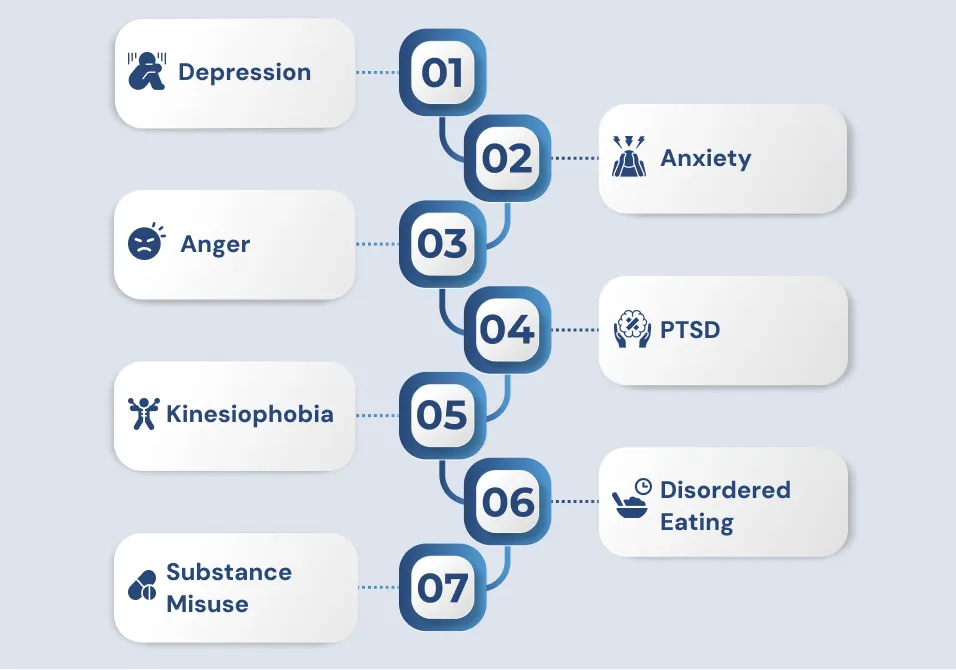
Credit: concisemedico.co.uk
Frequently Asked Questions
How Does Depression Impact Athletic Performance?
Depression can lead to decreased motivation, fatigue, and difficulty concentrating, affecting an athlete’s training and performance. It can also cause increased anxiety, affecting decision-making during competitions. These factors can result in poor performance, reduced enjoyment, and a higher likelihood of burnout in sports.
Can Depression Affect An Athlete’s Physical Health?
Yes, depression can negatively impact physical health by causing sleep disturbances, appetite changes, and chronic pain. These symptoms can lead to decreased energy levels and hinder physical recovery. Over time, this can adversely affect an athlete’s overall health and ability to maintain peak performance.
Does Depression Influence Teamwork In Sports?
Depression can affect communication and relationships within a team, leading to misunderstandings and decreased cohesion. An athlete experiencing depression may withdraw from team activities or struggle with interpersonal interactions. This can impact overall team dynamics and performance, emphasizing the importance of mental health support in sports.
Are Athletes More Prone To Depression?
Athletes may face unique pressures, such as performance expectations and intense training schedules, which can increase vulnerability to depression. Additionally, injuries or retirement can lead to identity struggles and emotional distress. Recognizing these challenges is crucial for providing appropriate mental health resources and support.
Conclusion
Depression deeply impacts sports performance. It slows down reaction times. Lowers energy levels. Causes loss of focus. Athletes might feel overwhelmed. Struggle with motivation. Even small tasks feel impossible. Emotional distress affects physical ability. Performance declines as stress increases. Athletes need support.
Proper guidance can help. Encouragement boosts confidence. Mental health is vital. Athletes should seek help. Professional support is crucial. Understanding depression is key. It helps in managing its effects. With care, athletes can improve. Balance between mental and physical health is essential.
Support systems make a difference. Every athlete deserves a healthy mind.