
Have you ever wondered how your weight might be affecting your performance on the field or in the gym? You’re not alone.
Many athletes and fitness enthusiasts question the impact of being overweight on their sports performance. This topic is not just about numbers on a scale; it’s about understanding how your body works and how you can optimize it for better results.
You might find that small changes can lead to significant improvements in speed, agility, and endurance. By exploring this subject, you can uncover insights that might just give you the edge you’ve been looking for. Keep reading to discover how weight influences your athletic abilities and what you can do to enhance your performance.
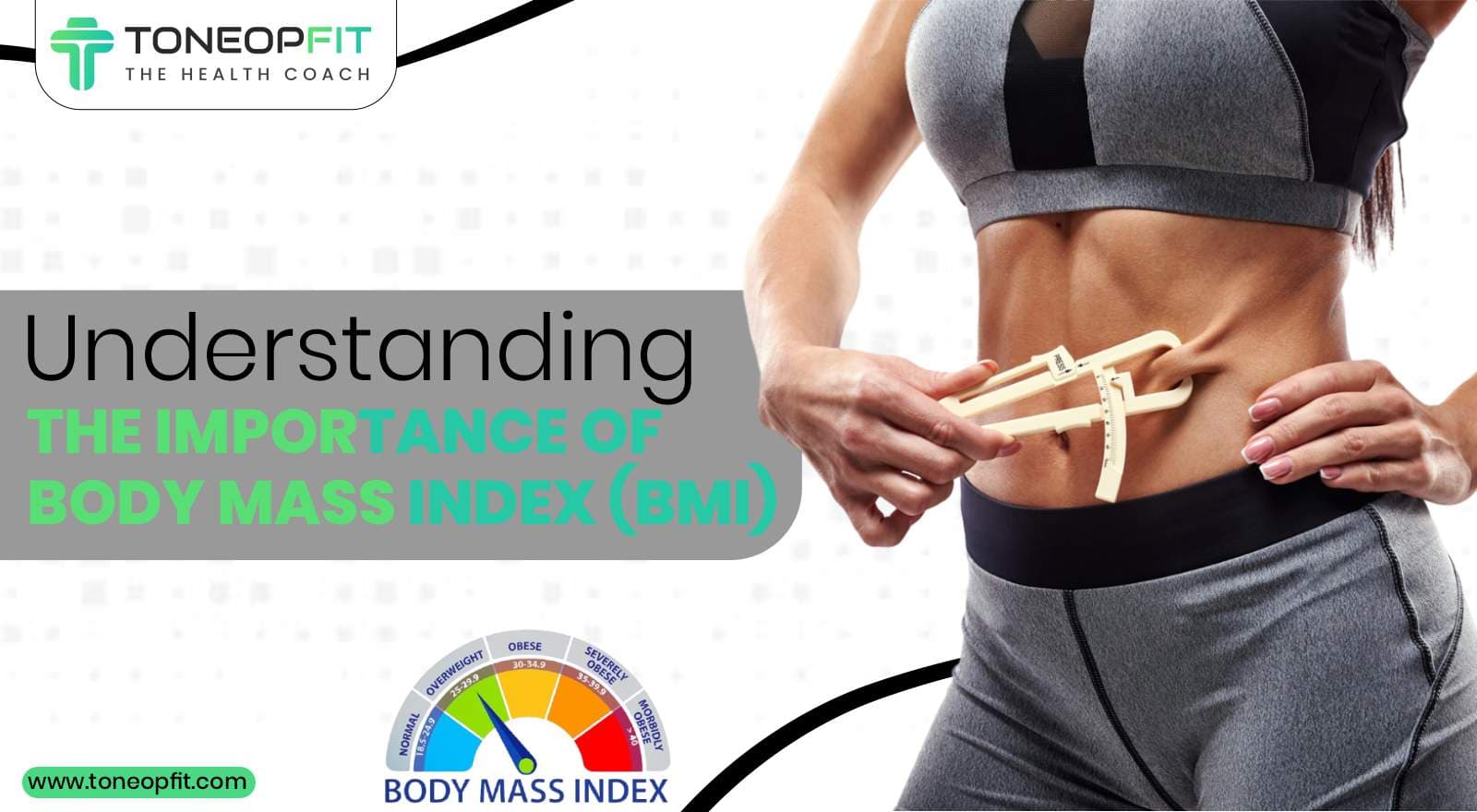
Credit: toneopfit.com
Physical Challenges
Being overweight presents various physical challenges that can significantly impact sports performance. While the effects vary from person to person, understanding these challenges can help you make informed decisions about your health and athletic pursuits. Let’s delve into how excess weight can influence endurance, speed, agility, strength, and power.
Impact On Endurance
Carrying extra weight can make sustaining prolonged physical activity difficult. Your body has to work harder to maintain the same pace, leading to faster exhaustion.
Consider how hiking uphill feels compared to walking on flat ground. The increased effort can limit your stamina, making it challenging to perform well in endurance-focused sports like marathon running or cycling.
Have you ever noticed a decline in your stamina during practice sessions? This is a common experience for many athletes dealing with weight issues.
Speed And Agility Limitations
Excess weight can slow you down, affecting your speed and agility. Quick movements require your muscles to work efficiently, and added weight can hinder this process.
Think about how difficult it is to sprint with a backpack full of books. The extra weight can impede swift directional changes, which are crucial in sports like soccer or basketball.
Have you ever found yourself struggling to keep up with faster teammates? This might be the weight impacting your agility.
Strength And Power Considerations
While being overweight might suggest increased strength due to larger muscle mass, it doesn’t always translate to power. Power is the combination of strength and speed.
Imagine trying to lift a heavy object quickly. The extra weight can make explosive movements harder, crucial for sports like weightlifting or football.
Do you feel strong but lack the explosive power needed for quick bursts? Balancing weight and strength is key to improving performance.
Health Implications
Being overweight can significantly affect your sports performance, especially when considering the health implications. It’s not just about having extra weight; it’s about how that weight can influence your body’s ability to function at its best. Your physical health plays a crucial role in how well you perform and how you recover after intense activities.
Injury Risks
Carrying extra weight increases the chance of injuries. Your body has to work harder to support the added pounds, putting more strain on muscles and bones. This can lead to common sports injuries like sprains and fractures. Imagine trying to run with a backpack full of bricks; your body may struggle to keep up, increasing the risk of an accident.
Cardiovascular Health
Your heart is the engine driving your performance. Extra weight can burden this engine, making it work overtime. Poor cardiovascular health can lead to fatigue and shortness of breath during activity. Have you ever felt exhausted after only a few minutes into a run? That’s your heart signaling it’s struggling to cope with the workload.
Joint And Muscle Strain
Excess weight can put significant pressure on your joints and muscles. This pressure can lead to chronic pain and long-term damage. Think about how your knees might feel after a long day of walking with heavy bags. Over time, this strain can hinder your ability to perform at your best and enjoy the sports you love.
Are you feeling limited in your sports performance due to weight? Consider how addressing these health implications might open new doors for you. Taking steps towards a healthier weight can enhance your ability to play, recover, and enjoy your favorite sports.
Psychological Factors
Engaging in sports requires more than physical ability. Psychological factors play a crucial role. Being overweight can impact an athlete’s mental state, affecting performance on the field. Understanding these psychological elements is key for athletes and coaches alike.
Confidence And Self-esteem
Carrying extra weight can lower an athlete’s confidence. This can lead to self-doubt during competitions. Athletes might feel they don’t belong on the team. This lack of confidence can result in poor performance. Believing in oneself is essential for success in sports.
Motivation And Focus
Motivation drives athletes to train hard. Overweight athletes might struggle with staying motivated. They could lose focus during practice or games. Distractions become more frequent. This can hinder skill development and overall performance.
Perception By Teammates And Coaches
Team dynamics are vital for success. Teammates and coaches might perceive overweight athletes differently. They could doubt their abilities or commitment. This can lead to exclusion from key plays. Feeling underestimated can affect an athlete’s mental state.
Nutritional Aspects
Excess weight can slow down movement, reduce endurance, and increase the risk of injuries in sports. Carrying extra pounds often leads to fatigue faster, impacting overall athletic performance. Proper nutrition and weight management are crucial for athletes to maintain peak physical condition.
Nutritional aspects play a crucial role in sports performance, especially for athletes who are overweight. The right nutrition can enhance energy levels, improve endurance, and support overall health, enabling you to perform at your best. However, being overweight can complicate how your body utilizes nutrients, which may impact your athletic capabilities.Dietary Requirements
Your body needs a balanced diet to fuel your sports activities. When carrying extra weight, it’s essential to focus on nutrient-dense foods that provide the necessary vitamins and minerals without excessive calories. Consider incorporating lean proteins, whole grains, and a variety of fruits and vegetables into your meals. These foods provide the energy needed for workouts and help in muscle recovery.Energy Management
Managing energy efficiently is key to maintaining performance levels. Overweight athletes may experience quicker fatigue due to the additional effort required to move their body mass. Monitor your calorie intake and adjust it according to your activity level. Balancing energy intake with expenditure can help in maintaining a healthy weight and improving your stamina.Role Of Hydration
Proper hydration is vital for all athletes, but it becomes even more critical when you’re overweight. Extra body weight can lead to increased sweating, which may result in a higher risk of dehydration. Ensure you’re drinking enough water before, during, and after exercise. Hydration helps in regulating body temperature, maintaining joint lubrication, and optimizing performance. Have you ever noticed how much better you perform when you’re well-hydrated? Prioritize water over sugary drinks or sodas to keep your hydration levels optimal. By focusing on these nutritional aspects, you can enhance your sports performance and work towards achieving your athletic goals. What changes can you make in your diet today to fuel your performance tomorrow?Performance Adaptations
Carrying extra weight can slow movement and cause fatigue in sports. It increases the risk of injuries and affects overall performance. Athletes may struggle with endurance and agility, impacting their ability to compete effectively.
Being overweight can significantly impact your sports performance, but it’s not just a matter of weighing more. It’s about how your body adapts to perform efficiently under the added weight. Performance adaptations are necessary to ensure that you can still excel in your chosen sport, despite the extra pounds. These adaptations involve changes in techniques, training routines, and even the equipment you use. Let’s dive into how you can turn potential obstacles into opportunities for success.Adjusting Techniques
Carrying extra weight requires a shift in how you approach your sport. You might find that certain techniques that worked for you before no longer feel as effective or comfortable. This is a chance to refine your skills. Experiment with different stances or grips to find what suits your current physique best. Consider a basketball player who has gained weight. They might need to adjust their shooting form to maintain accuracy. Have you tried altering your technique to match your body changes? It could lead to surprising improvements.Training Modifications
Training needs to be tailored to accommodate your current weight while still pushing you towards peak performance. Focus on exercises that enhance strength and endurance, but also improve flexibility and balance. High-intensity interval training (HIIT) can be effective for overweight athletes. It offers cardiovascular benefits without putting excessive strain on joints. Are you incorporating varied workouts to keep your sessions dynamic and effective?Equipment And Gear Choices
The right equipment can make a significant difference in your performance. Being overweight might necessitate choosing gear that offers more support or is specifically designed to handle additional weight. For runners, opting for shoes with extra cushioning can reduce the impact on joints. Cyclists might benefit from reinforced frames. Have you explored gear that complements your body type to enhance your sporting experience? By actively engaging in performance adaptations, you not only maintain your sports performance but also potentially discover new strengths. How are you adapting to ensure you remain at the top of your game?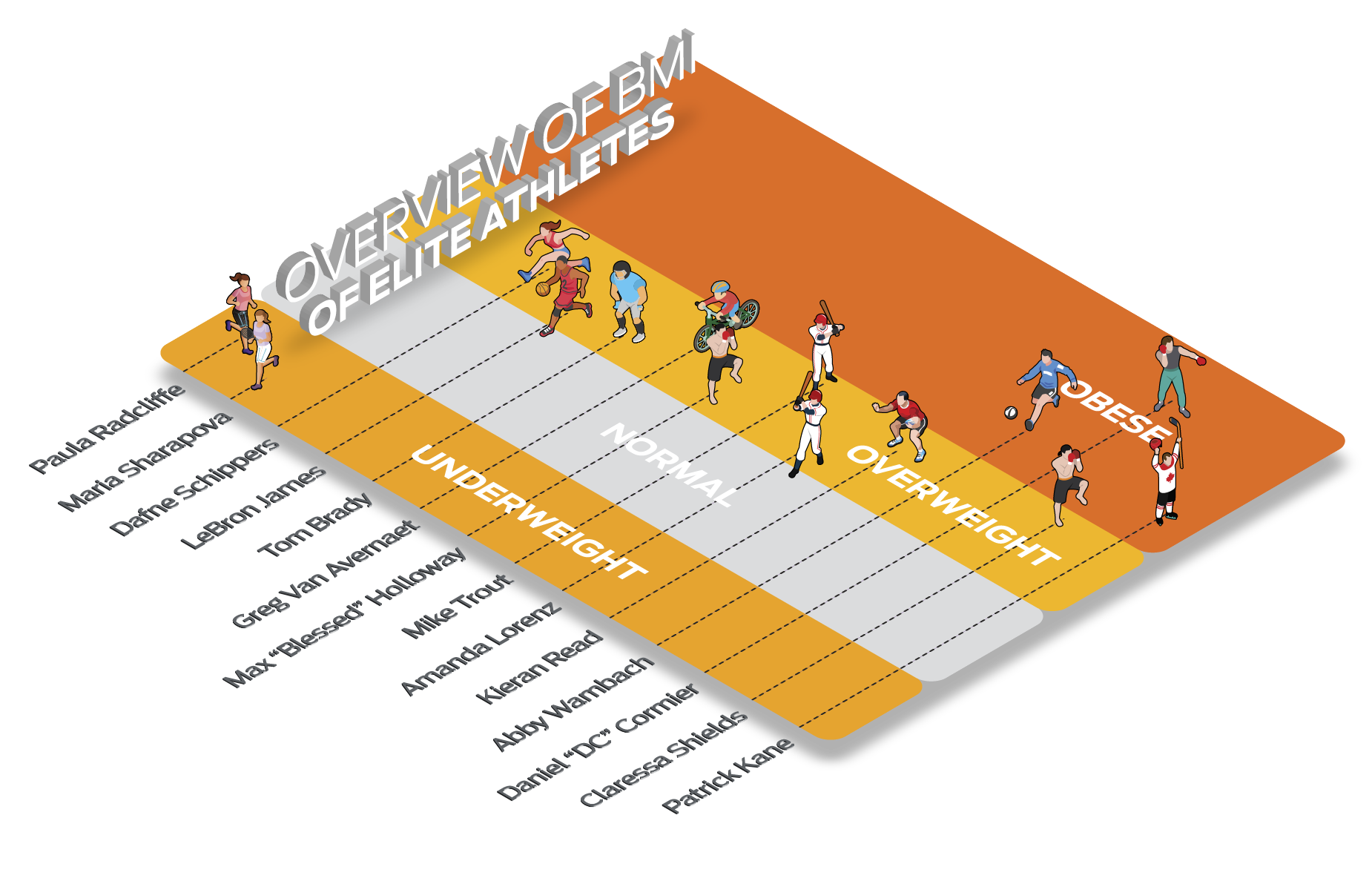
Credit: www.cyclingapps.net
Long-term Consequences
Excess weight can slow down speed and agility, impacting sports performance. It also increases the risk of injuries. Reduced endurance is another concern, affecting stamina during prolonged activities.
Long-term consequences of being overweight in sports can be significant. Athletes may face challenges that affect their performance and overall health. These challenges can extend beyond the playing field. Understanding these consequences helps athletes make informed decisions.Career Longevity
Being overweight can shorten an athlete’s career. Excess weight puts extra stress on the body. This stress can lead to injuries over time. Joint pain and muscle strains are common problems. These issues can force early retirement. An athlete’s ability to train effectively may decrease. Carrying extra weight demands more energy. This can lead to fatigue and slower recovery. Performance levels drop, making it hard to compete.Post-career Health
After retiring, athletes often face health challenges. Overweight athletes risk developing chronic conditions. Heart disease and diabetes are common concerns. These conditions can affect quality of life. Maintaining a healthy weight is crucial. It helps prevent long-term health issues. Former athletes should focus on balanced diets and regular exercise.Impact On Future Generations
Athletes serve as role models for young fans. Their lifestyle choices can influence future generations. Overweight athletes may unintentionally promote unhealthy habits. This impact can extend to children and aspiring athletes. Encouraging healthy living is important. Athletes should aim to inspire positive lifestyle changes. Educating young fans about health and fitness is essential.
Credit: www.facebook.com
Frequently Asked Questions
How Does Weight Impact Athletic Performance?
Excess weight can hinder speed and agility. It may lead to quicker fatigue during intense activities. More weight often puts extra stress on joints. This can increase injury risk. Maintaining a healthy weight can improve overall performance and endurance.
Can Being Overweight Affect Stamina In Sports?
Yes, being overweight can reduce stamina. Extra weight requires more energy to move. This can lead to quicker exhaustion. Improved fitness and reduced weight can enhance stamina. Better stamina boosts performance in endurance sports.
Does Excess Weight Increase Injury Risk In Sports?
Overweight individuals face higher injury risks. Extra weight stresses joints and ligaments. This can lead to strains or sprains. Proper weight management can lower injury chances. Strength training also helps protect against injuries.
How Can Overweight Athletes Improve Performance?
Overweight athletes can enhance performance by losing excess weight. Regular exercise and a balanced diet are crucial. Strength training helps improve muscle function. Aerobic activities boost endurance. Consulting a sports nutritionist can offer personalized guidance.
Conclusion
Being overweight can impact sports performance. Extra weight affects speed. Endurance can decline. Movements may become less agile. Athletes might face increased injury risk. Stamina could suffer, reducing game efficiency. Consistent training and balanced diet help improve fitness. Boosting performance requires effort and commitment.
Set realistic goals to stay motivated. Every athlete can enhance abilities with dedication. Understanding body limits is key. Fitness journey is personal. Tailor strategies to meet individual needs. Progress may be gradual, but persistence matters. Embrace the challenge. Focus on long-term health benefits.
Enjoy the process.