Have you ever felt those butterflies in your stomach before a big game or competition? You’re not alone.
Anxiety is a common experience among athletes, and while it often gets a bad rap, it can actually be your secret weapon on the field or court. Believe it or not, anxiety has the power to sharpen your focus, boost your energy levels, and even enhance your performance.
Intrigued? You should be. We’ll uncover the surprising ways anxiety can positively impact your sports performance and how you can harness its benefits to elevate your game. Keep reading to discover how to transform your nerves into your greatest ally in sports.
The Nature Of Anxiety In Sports
Anxiety in sports can sharpen focus and heighten alertness, improving performance. Athletes often channel nervous energy into motivation, boosting effort and resilience. This heightened state can lead to quicker reactions and better decision-making during critical moments.
The Nature of Anxiety in Sports Anxiety often gets a bad reputation in sports. Many see it as a hurdle to overcome. But anxiety can also be a hidden strength. Athletes may experience anxiety before a big game. This feeling can boost their alertness and readiness. It is important to understand anxiety’s role in sports. Knowing its nature can help athletes harness it positively.The Dual Role Of Anxiety
Anxiety can be both a friend and a foe. It can heighten focus, making athletes more aware of their surroundings. Anxiety also sharpens instincts and reactions. Athletes often perform better with elevated adrenaline levels. This heightened state can lead to peak performance.Anxiety As Motivation
The pressure to perform can drive athletes to excel. Anxiety pushes them to train harder. It can fuel determination and persistence. Athletes learn to channel this energy. They use it to set personal goals and strive to achieve them.Building Mental Strength
Managing anxiety builds mental toughness. Athletes develop coping strategies. These strategies help them stay calm under pressure. Mental resilience is crucial in competitive sports. Strong mental skills often lead to better performance.Improved Concentration
Anxiety can improve concentration. It sharpens focus on tasks at hand. Athletes become more aware of their actions. Enhanced concentration leads to better decision-making. It allows athletes to react swiftly in dynamic situations.Developing Emotional Awareness
Anxiety increases emotional awareness. Athletes become attuned to their feelings. This awareness helps in recognizing stress triggers. Understanding emotions aids in maintaining composure. Athletes learn to control their emotional responses effectively.Enhancing Reaction Time
Anxiety can enhance reaction time. It activates the body’s fight-or-flight response. Athletes often react quicker and more efficiently. This quick response is vital in fast-paced sports. It can make the difference between winning and losing.Harnessing Positive Energy
Athletes can transform anxiety into positive energy. They learn to view pressure as a challenge. This mindset shift boosts confidence and self-belief. Positive energy improves overall performance. It motivates athletes to push their limits.Anxiety As A Motivational Tool
Anxiety can boost sports performance by sharpening focus and increasing energy levels. Athletes often use nervous energy to enhance their concentration and reaction times. This heightened state of alertness can lead to improved results in competitions.
Anxiety often gets a bad reputation in sports. Yet, it can be a powerful tool. Some athletes use anxiety to boost their performance. It’s all about harnessing energy and drive. Anxiety can spark motivation, pushing athletes to excel. This mental state can be transformed into a positive force.Boosting Focus And Concentration
Anxiety sharpens the senses. Athletes often feel more alert under pressure. This heightened awareness aids focus. It helps them concentrate on their goals. Every detail becomes clearer. The mind tunes into the task at hand. Distractions fade away. Anxiety keeps the brain engaged. It drives athletes to stay on target.Enhancing Competitive Edge
Anxiety fuels determination. Athletes feel a surge of energy and power. This energy boosts their competitive spirit. They become more driven to win. Anxiety creates a sense of urgency. Athletes push harder and faster. It turns pressure into performance. This edge gives them an advantage in competitions.Harnessing Anxiety For Skill Improvement
Anxiety can boost sports performance by heightening focus and energy. Athletes often feel more alert and driven. This increased adrenaline helps them react faster and push their limits.
Harnessing Anxiety for Skill Improvement Anxiety in sports is often seen as a hurdle, but it can be a hidden ally. When channelled correctly, anxiety can push athletes to refine their skills and boost their performance. Imagine using that nervous energy to sharpen your game instead of fearing it.Increasing Practice Intensity
Anxiety can naturally heighten your sense of urgency. This urgency can lead to more focused and intense practice sessions. When you feel the pressure, you are likely to push yourself harder, which can enhance your endurance and skill set. Think about a time when you felt anxious before a game. You probably practiced with more dedication, going over drills repeatedly. This intensity can improve your muscle memory and reaction times.Encouraging Skill Mastery
Anxiety can be a powerful motivator for mastering skills. The desire to control nervousness can lead you to perfect specific techniques or strategies. It encourages you to pay closer attention to detail, ensuring that you leave no room for errors. Consider the last time you were anxious about a particular skill. Did it drive you to practice until you got it just right? This relentless pursuit of excellence can elevate your overall performance. Do you see anxiety as a friend or foe in your sports journey? Recognizing its potential to enhance your skills can transform your approach to training and competition. Embrace the challenge and let anxiety fuel your success.
Credit: www.nature.com
Anxiety And Mental Resilience
Anxiety can sharpen focus, heightening awareness in athletes. It often boosts energy, driving improved performance. Stress may enhance determination, pushing athletes to excel under pressure.
Anxiety and Mental Resilience Anxiety is often seen as a hindrance in sports. Yet, it can build mental resilience. Athletes learn to manage stress and improve their focus. This mental training helps them perform better under pressure.Building Mental Toughness
Athletes face challenges and push their limits. Anxiety forces them to confront fears. This builds mental toughness. They become stronger and more determined. Handling anxiety teaches perseverance. Mental toughness is key in sports. It helps athletes stay calm and focused. They learn to use anxiety to their advantage. This skill is crucial in competitions.Adapting To High-pressure Situations
High-pressure situations are common in sports. Anxiety teaches athletes to adapt quickly. They develop strategies to stay calm and focused. Athletes learn to perform under stress. Anxiety becomes a tool for growth. It sharpens their instincts and decision-making. Adapting to pressure improves their performance. Managing anxiety helps athletes remain composed. They use it to fuel their determination. This ability sets them apart in challenging moments.Positive Stress And Peak Performance
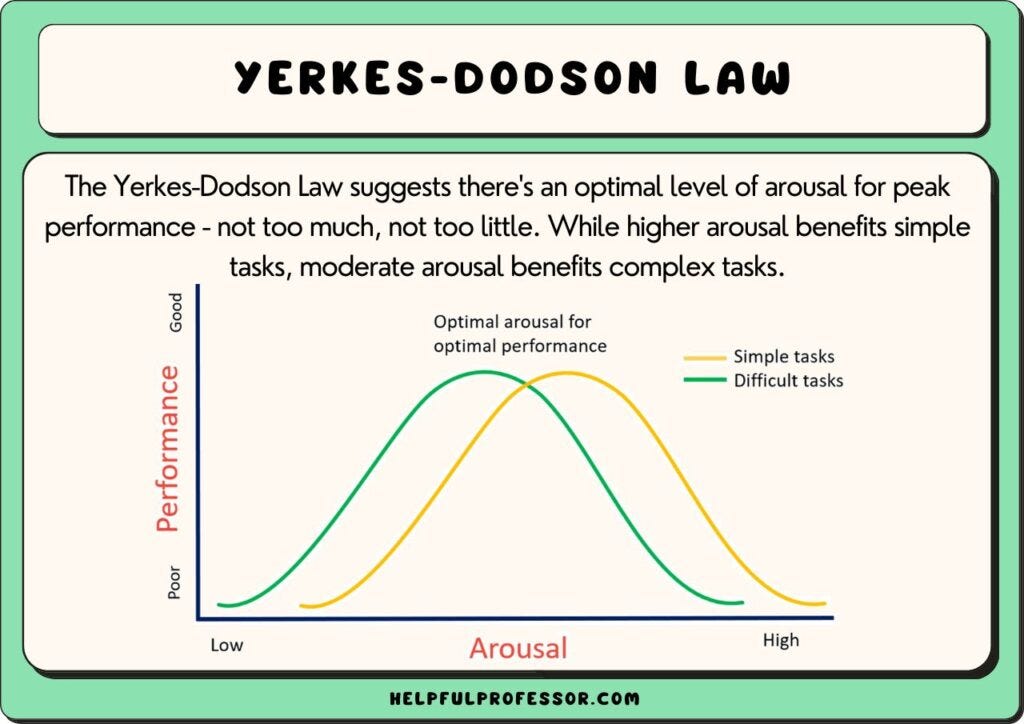
Anxiety can sharpen focus, enhancing sports performance. Athletes often channel nervous energy into motivation, driving peak results. Positive stress fuels resilience, pushing individuals to excel under pressure.
Positive stress, often termed as ‘eustress’, plays a crucial role in achieving peak performance in sports. Contrary to the common belief that anxiety is detrimental, a certain level of stress can actually enhance your performance. This positive stress sharpens your focus and energizes you, helping you reach new heights in your sporting endeavors.Channeling Energy Into Performance
When you feel anxious before a game, your body is gearing up to perform at its best. This anxiety is a form of energy waiting to be channeled. Instead of trying to suppress it, use this energy to fuel your performance. Think back to a time when you were nervous before a match but ended up playing better than expected. That’s positive stress at work. The key is to reframe your anxiety as excitement. By doing so, you can transform the nervous energy into a powerful force that propels you forward. Ask yourself, how can you use this energy to your advantage? Practice mindfulness and visualization techniques to focus your thoughts and harness this energy effectively.The Role Of Adrenaline In Sports
Adrenaline is a hormone that your body releases in response to stress and excitement. It prepares your body for action by increasing your heart rate and boosting your energy. This surge of adrenaline is what gives you the extra push to sprint faster, jump higher, or throw further. Athletes often refer to being ‘in the zone’—a state where everything seems to flow naturally. This is partly due to the effects of adrenaline. Recall a moment when you felt unstoppable during a game. It was likely adrenaline helping you perform at your peak. Understanding the role of adrenaline can help you manage its effects better. Instead of fearing the rush, embrace it. Let it remind you that your body is ready to excel. Are you prepared to let adrenaline be your ally on the field?
Credit: bmcpsychology.biomedcentral.com
Strategies To Utilize Anxiety
Anxiety can boost sports performance by sharpening focus and increasing motivation. Athletes often channel nervous energy into heightened alertness, enhancing their competitive edge. This positive aspect of anxiety helps in maintaining peak concentration during crucial moments in sports.
Anxiety can be a powerful force in sports. It often gets a bad reputation, but it can drive athletes to excel. Harnessing anxiety is key for peak performance. Athletes can use anxiety strategically by adopting specific techniques. Let’s explore some strategies that help athletes use anxiety positively.Mindfulness And Anxiety Control
Mindfulness can help athletes manage anxiety effectively. By focusing on the present moment, athletes reduce overwhelming thoughts. This practice helps in maintaining calm during competitions. Breathing exercises can enhance mindfulness further. Deep, controlled breaths keep the heart rate steady. Athletes gain control over their body’s response to stress. Regular mindfulness exercises improve concentration. This helps athletes stay focused during high-pressure situations.Visualizing Success
Visualization is a powerful tool in sports. Athletes imagine themselves succeeding in their tasks. This technique builds confidence and reduces anxiety. Visualization sets a mental blueprint for success. By mentally rehearsing, athletes prepare for real-life scenarios. It helps in anticipating challenges and overcoming them. This mental practice enhances performance by reducing uncertainty. Imagining positive outcomes fosters a winning mindset. Such mental strategies help athletes use anxiety constructively.Case Studies Of Successful Athletes
Many athletes use anxiety to boost their performance. Case studies show how some athletes turn anxiety into a competitive advantage. These athletes harness their nerves to sharpen focus and drive success.
Athletes Who Thrive Under Pressure
Some athletes excel when stakes are high. Anxiety pushes them to peak performance. Michael Jordan often felt nervous before games. He used this energy to stay sharp. Serena Williams admits to feeling anxious. It fuels her determination on the court. Anxiety keeps these athletes alert and motivated.
Usain Bolt embraced anxiety during races. It helped him break records. He focused his nervous energy on speed. Anxiety heightened his senses, making him more aware of his surroundings. Cristiano Ronaldo channels anxiety into confidence. It drives him to perform better under pressure. His nerves become a source of strength.
Learning From The Pros
Understanding how pros use anxiety can inspire young athletes. Observing their strategies teaches valuable lessons. Athletes learn to use anxiety as a tool rather than a hindrance. Breathing exercises help manage nerves. Visualization techniques prepare the mind for challenges.
Building mental resilience is key. Positive self-talk boosts confidence. Developing routines creates a sense of control. These techniques help athletes stay calm and focused. Anxiety becomes a motivator rather than a barrier. Athletes can learn to embrace pressure, turning it into a powerful ally.
Credit: medium.com
Frequently Asked Questions
Can Anxiety Improve Sports Focus And Concentration?
Yes, anxiety can enhance focus in sports. It triggers adrenaline, sharpening concentration and alertness. Athletes may experience heightened senses, allowing for improved performance. When managed effectively, anxiety can transform into a powerful tool, aiding athletes in maintaining their focus during crucial moments in competitions.
Does Anxiety Increase Athletic Motivation?
Anxiety can boost motivation by increasing adrenaline levels. This surge often fuels determination and energy, pushing athletes to perform better. The heightened state encourages them to strive for excellence, overcoming obstacles with renewed vigor. Properly managed anxiety can become a driving force, inspiring athletes to achieve their goals.
Can Anxiety Improve Reaction Times In Sports?
Yes, anxiety can enhance reaction times. It activates the body’s fight-or-flight response, increasing alertness. Athletes may react faster to stimuli, improving their performance in fast-paced sports. When anxiety is controlled, it sharpens reflexes, allowing athletes to respond more swiftly to changing situations during competitions.
Does Anxiety Contribute To Personal Growth In Athletes?
Anxiety can promote personal growth by teaching resilience. Facing anxious moments encourages athletes to develop coping strategies. These experiences build mental strength, enhancing their ability to handle pressure. Overcoming anxiety fosters confidence, helping athletes evolve into more robust competitors both mentally and physically.
Conclusion
Anxiety can boost sports performance in surprising ways. It sharpens focus, driving athletes to excel. With heightened senses, players anticipate movements better. This can lead to faster reactions in intense moments. Anxiety also fuels adrenaline, enhancing physical strength temporarily. Athletes often push harder, reaching new personal bests.
These feelings, when managed, become powerful allies. They turn nerves into motivation, not obstacles. Recognizing anxiety’s positive effects helps athletes harness this energy. With practice, managing anxiety becomes a skill. This skill transforms pressure into peak performance. Embracing anxiety’s benefits can lead to unexpected success in sports.