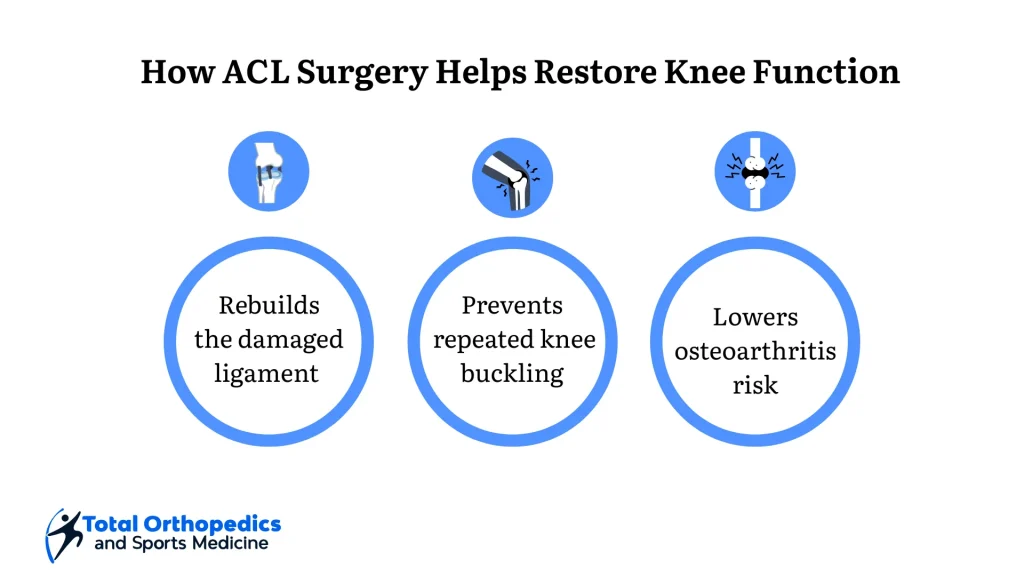
Are you worried about the risk of ACL injuries while staying active? You’re not alone.
Whether you’re an athlete pushing your limits or someone who enjoys weekend activities, the fear of an ACL injury can cast a shadow over your enthusiasm. This common knee injury not only causes pain but can also sideline you for months.
But here’s the good news: you can take proactive steps to protect your knees. By understanding the causes and implementing simple prevention strategies, you can keep your joints safe and enjoy your favorite activities without the looming fear of injury. Dive into this guide to discover effective techniques that will empower you to move with confidence and keep your knees healthy and strong.

Credit: www.instagram.com
Understanding Acl Injuries
Strengthen leg muscles to support the knee joint effectively. Practice proper techniques in sports activities to reduce strain. Regular stretching helps maintain flexibility and prevent injuries.
Understanding ACL Injuries The Anterior Cruciate Ligament (ACL) is a critical component of knee stability. An ACL injury can be a setback for anyone, from professional athletes to weekend warriors. Understanding these injuries is key to prevention and recovery.What Is An Acl Injury?
An ACL injury involves a tear or sprain of the anterior cruciate ligament in your knee. This ligament connects your thigh bone to your shinbone, stabilizing your knee joint. Damage to the ACL can result in knee instability and difficulty with movements.Common Causes
ACL injuries often occur during sports that involve sudden stops, jumps, or changes in direction. Activities like soccer, basketball, and skiing are high-risk. An awkward landing or a direct hit to the knee can also result in an ACL injury.Symptoms And Diagnosis
Symptoms of an ACL injury include a loud pop in the knee, severe pain, and rapid swelling. You may also experience a loss of range of motion and a feeling of instability when bearing weight. A doctor can diagnose an ACL injury through physical exams and imaging tests such as an MRI or X-ray. Understanding these aspects of ACL injuries can help you take proactive steps to keep your knees safe. Are you aware of the activities that put your ACL at risk? Taking preventive measures can make all the difference in maintaining an active lifestyle.
Credit: www.facebook.com
Risk Factors
Preventing ACL injuries is crucial, especially if you’re active in sports or physical activities. Understanding the risk factors can help you take proactive measures. These factors include age, gender, activity level, and previous injuries, each contributing in different ways to your overall risk profile.
Age And Gender
Your age and gender significantly affect your risk of an ACL injury. Statistics show that teenagers, particularly females, are more prone to these injuries. Hormonal differences and anatomical variations contribute to this increased risk. Are you aware of how your age and gender might influence your susceptibility?
Activity Level
The more active you are, the higher the risk of an ACL injury. Sports that involve sudden stops, jumps, or directional changes, like soccer and basketball, increase this risk. If your activity level is high, consider incorporating strength training and flexibility exercises to safeguard your ACL. What steps are you taking to balance your activity level with injury prevention?
Previous Injuries
Previous injuries can weaken your knee and increase the likelihood of an ACL injury. If you’ve injured your knee before, you’re at a higher risk. Rehabilitation and targeted exercises can help strengthen your knee and reduce this risk. How are you managing past injuries to protect your future health?
Prevention Strategies
Strengthen leg muscles to support the knee joint effectively. Practice balance exercises for better stability and control. Always warm up and stretch before physical activities to reduce injury risk.
Preventing ACL injuries is crucial for maintaining your active lifestyle. Whether you’re an athlete or someone who enjoys recreational sports, taking steps to safeguard your knees can make a significant difference. By incorporating targeted prevention strategies into your routine, you can reduce the risk of these common injuries.Strength Training
Strength training is a vital component in preventing ACL injuries. Focus on building the muscles around your knee, such as the quadriceps, hamstrings, and calves. Exercises like squats, lunges, and leg presses can enhance your knee stability. Adding resistance bands or weights can further increase the intensity and effectiveness of these exercises. Consistency is key, so aim to include strength training sessions at least two to three times a week.Flexibility Exercises
Flexibility exercises help maintain the range of motion in your joints, reducing the likelihood of strain. Stretching the muscles of your legs can improve flexibility and prevent injuries. Consider incorporating yoga or Pilates into your routine to enhance flexibility and balance. Remember to warm up before engaging in any physical activity, using dynamic stretches like leg swings or arm circles.Proper Technique
Using proper technique in sports and physical activities is crucial. Incorrect movements can put unnecessary stress on your ACL and other ligaments. Pay attention to your body mechanics, especially when jumping or landing. For example, keep your knees aligned with your toes to prevent inward twisting. Consider seeking guidance from a coach or trainer to ensure you’re using the right form. Practice makes perfect, and good technique can significantly lower your risk of injury. Are you ready to make these simple changes and protect your knees? Taking action today can save you from pain and downtime tomorrow.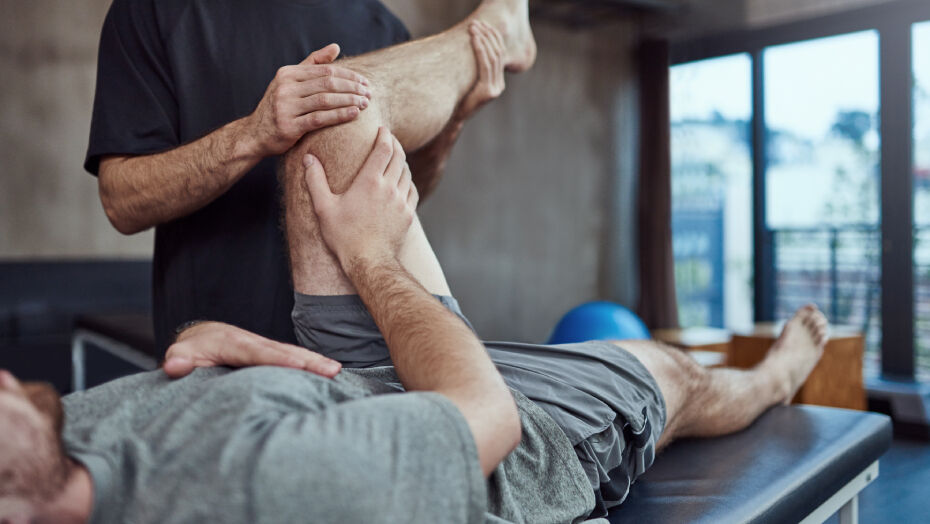
Credit: blog.ochsner.org
Role Of Warm-up And Cool-down
Warm-up and cool-down routines play a crucial role in preventing ACL injuries. They enhance flexibility and prepare muscles, reducing strain risks. Gradually increasing and decreasing intensity helps protect ligaments during physical activities.
Preventing ACL injuries is crucial, especially for those who love engaging in physical activities. The role of a proper warm-up and cool-down routine is often underestimated, yet it plays a significant part in safeguarding your knees. These routines not only prepare your muscles and joints for action but also aid in recovery, reducing the risk of injury.Importance Of Warm-up
A good warm-up increases blood flow to your muscles, enhancing flexibility and mobility. It primes your body for the physical demands ahead, making your movements more efficient and reducing the risk of strain. Imagine starting a car on a cold morning without letting it warm up—your body needs the same gentle preparation. Dynamic stretches, such as leg swings and arm circles, are particularly effective during warm-up. They mimic the movements you’ll perform, making your muscles and joints ready for action. Are you taking at least 10 minutes to properly warm-up before your activities?Effective Cool-down Techniques
After a workout, your body needs to transition back to a resting state smoothly. Cooling down helps remove lactic acid from your muscles, reducing soreness and stiffness. This phase is crucial for maintaining long-term joint health and flexibility. Static stretching during cool-down, like holding a hamstring stretch or a calf stretch, can help improve your range of motion. Deep breathing exercises can also assist in lowering your heart rate gradually. Have you tried incorporating yoga poses in your cool-down to enhance relaxation? By prioritizing a well-structured warm-up and cool-down routine, you’re not just preventing injuries—you’re investing in your overall athletic performance and longevity.Protective Gear And Equipment
Wearing knee braces can help stabilize the joint and reduce strain during activities. Strengthening exercises for the muscles around the knee improve support. Proper footwear with good traction minimizes slipping risks.
Preventing ACL injuries is crucial, especially for athletes and those engaging in physical activities. One way to reduce risk is by using protective gear and equipment. These tools not only provide support but also enhance your performance by ensuring safety. Investing in the right gear can make a significant difference in maintaining your knee health. Below, we’ll explore key aspects of protective gear, focusing on footwear and knee braces.Choosing The Right Footwear
Selecting the right footwear is more than just about style; it’s about safety and support. Good shoes provide stability, helping to prevent unnecessary twisting of the knee that could lead to an ACL injury. Consider shoes with a firm grip and proper cushioning to absorb shock. Is your footwear suitable for the type of activity you engage in? Running shoes differ from those used for basketball or soccer. Each sport has specific demands, so ensure your shoes meet those needs. Remember, worn-out shoes can lose their effectiveness, so replace them regularly.Use Of Knee Braces
Knee braces are a valuable tool for preventing ACL injuries, especially if you have a history of knee problems. They provide additional support and help maintain proper alignment during movement. Have you thought about trying a knee brace during high-intensity activities? Many athletes use them as a preventive measure. While not everyone may need one, for those prone to knee injuries, they can offer peace of mind and protection. When choosing a knee brace, consider comfort and fit. It should be snug but not too tight, allowing for freedom of movement. A poorly fitting brace can do more harm than good, so take time to find the right one for you.Nutrition And Lifestyle
Balanced nutrition and regular exercise strengthen muscles, reducing ACL injury risks. Incorporate stretches and proper warm-ups before activities. Stay hydrated and maintain a healthy weight to support joint health.
Preventing ACL injuries requires more than just physical training. Your nutrition and lifestyle play a crucial role in supporting your body’s resilience and recovery. By focusing on what you eat and how you live, you can enhance your muscle strength and joint stability, reducing the risk of injury.Dietary Considerations
Your diet is a powerful tool in injury prevention. Consuming a balanced intake of proteins, carbohydrates, and healthy fats can strengthen your muscles and ligaments. Lean proteins like chicken or tofu help repair tissues, while complex carbohydrates provide sustained energy for workouts. Include foods rich in Omega-3 fatty acids, like salmon and walnuts, which have anti-inflammatory properties essential for joint health. Don’t overlook the importance of vitamins and minerals; calcium and Vitamin D are vital for bone health, while Vitamin C supports collagen production. Adding colorful fruits and vegetables ensures you get these nutrients effortlessly.Hydration And Recovery
Staying hydrated is crucial, especially before and after intense physical activity. Water is more than just thirst-quenching; it’s fundamental to maintaining the elasticity and function of your joints. Dehydration can lead to cramps and impair your body’s ability to heal after strain. Post-exercise recovery is where hydration shines. Consider integrating electrolyte-infused drinks to replenish lost minerals. Your body needs water to transport nutrients efficiently, aiding in faster recovery. How often do you pause to think about your water intake after a workout? Making hydration a priority can dramatically improve recovery times and overall joint health. By embracing a proactive approach to nutrition and lifestyle, you not only bolster your physical defenses but also cultivate habits that contribute to your overall well-being. How will you enhance your daily routine to safeguard your body against ACL injuries?Professional Advice
Prevent ACL injuries by strengthening leg muscles and maintaining flexibility. Incorporate balance exercises and proper techniques during sports activities for safety.
Preventing ACL injuries requires informed and practical strategies. Seeking professional advice is crucial in understanding how to protect your knees effectively. By consulting experts, you can tailor a prevention plan that suits your individual needs, ensuring you can enjoy your favorite activities with confidence. Let’s explore how engaging with professionals can make a significant difference.Consulting Physiotherapists
Physiotherapists specialize in understanding the mechanics of your body. They can assess your movements and identify any weaknesses that might predispose you to ACL injuries. By doing so, they can craft a personalized exercise routine to strengthen your muscles and improve your stability. During my own recovery journey, a physiotherapist taught me exercises that focused on balance and coordination. This not only enhanced my physical resilience but also boosted my confidence in daily activities. Have you ever considered how a tailored approach might benefit your fitness routine?Training With Experts
Working with experienced trainers can provide insights into safe training techniques. They can guide you on proper form during exercises, which is crucial in minimizing strain on your knees. It’s not just about lifting weights; it’s about lifting them correctly. For instance, when I started training with an expert, I realized I had been squatting incorrectly for years. A small adjustment made a big difference in how I felt post-workout. Could refining your technique be the key to preventing future injuries? Incorporating professional advice into your routine isn’t just about prevention; it’s about achieving a holistic approach to fitness. By engaging with physiotherapists and training experts, you equip yourself with the knowledge and skills to maintain healthy joints and an active lifestyle.Monitoring And Adjustments
Regular monitoring of knee health and making necessary adjustments in exercise routines can prevent ACL injuries. Staying vigilant about pain and discomfort ensures timely intervention and safer physical activities.
Monitoring and adjustments are crucial for preventing ACL injuries. They ensure that your exercise routines remain effective and safe. By keeping a close eye on your progress and making necessary changes, you can minimize injury risks. This approach helps in maintaining the right balance between challenge and safety.Tracking Progress
Consistent tracking can offer insights into your physical condition. Use a journal or an app to record your exercises. Note down any discomfort or pain during workouts. This data helps in recognizing patterns and making informed decisions. Regular check-ins with a coach or physiotherapist can also provide valuable feedback. These professionals can assess your form and suggest improvements.Adapting Techniques
Adapting techniques involves modifying exercises to suit your current needs. If an exercise feels too challenging, consider reducing intensity or repetitions. Listen to your body’s signals and adjust accordingly. This prevents overexertion, which can lead to injuries. Incorporating diverse exercises can also aid in muscle balance. Varying your routine keeps the body agile and reduces stress on specific joints.Frequently Asked Questions
What Exercises Prevent Acl Injuries?
Strengthening exercises like squats and lunges help support the knee joint. Balance training improves stability, reducing ACL injury risk. Incorporate agility drills to enhance coordination and prevent awkward movements. Regularly practicing these exercises can significantly lower the chances of sustaining an ACL injury during physical activities.
How Important Is Stretching For Acl Injury Prevention?
Stretching is crucial for maintaining flexibility and reducing the risk of ACL injuries. Stretching improves muscle elasticity and joint mobility. It ensures the muscles around the knee are not too tight. Regular stretching routines can help maintain optimal range of motion, aiding in injury prevention.
Can Footwear Affect Acl Injury Risk?
Yes, appropriate footwear can significantly reduce ACL injury risk. Good shoes provide stability and support, reducing knee strain. They should offer proper grip and cushioning for different surfaces. Always choose footwear designed for your specific activity to protect your knees effectively.
How Does Body Weight Influence Acl Injury Chances?
Excess body weight increases stress on the knee joints, heightening ACL injury risk. Maintaining a healthy weight reduces pressure and strain on the knees. Combine regular exercise with a balanced diet to help manage weight. This approach supports knee health and minimizes injury chances.
Conclusion
Preventing ACL injuries requires smart habits and mindful practices. Consistent exercise strengthens muscles. Proper techniques reduce risks. Warm up before activities to prepare your body. Choose supportive footwear for stability. Listen to your body and rest when needed. Stay informed about injury signs.
Consult professionals if unsure about exercises. Safety should always come first. Protect your knees with care. Make injury prevention a priority. Your efforts today ensure healthy, active tomorrows. Consistency is key. Stay vigilant and proactive. Your body will thank you.