Imagine a world where you never have to worry about injuries at work or in your daily activities. Sounds fantastic, right?
This is where safety guards come into play. Whether you’re operating heavy machinery, using power tools, or simply walking through a bustling workplace, safety guards act as silent protectors, ensuring that you stay safe and sound. They are not just pieces of metal or plastic; they are your first line of defense against potential accidents.
But how exactly do they work their magic to prevent injuries? As you dive into this article, you’ll uncover the essential roles that safety guards play in safeguarding your well-being. You’ll gain insights that might just change the way you perceive these unassuming barriers. So, why leave your safety to chance when you can learn how to harness the power of safety guards to keep injuries at bay? Read on to discover how these unsung heroes contribute to a safer environment for you and those around you.

Credit: www.facebook.com
Role Of Safety Guards
Safety guards reduce the risk of injuries by blocking access to dangerous areas. They act as barriers, preventing accidental contact with hazardous machinery or equipment. Effective use of safety guards ensures safer work environments, protecting workers from potential harm.
In the bustling environments of factories, construction sites, and even everyday workplaces, safety guards play an essential role in protecting individuals from potential hazards. Often overlooked, these protective barriers are the unsung heroes that stand between you and potential injury. Their presence is critical, providing a line of defense against unforeseen accidents. But how exactly do safety guards serve their purpose?Physical Barriers
Physical barriers are perhaps the most visible role of safety guards. Imagine a machine with rapidly moving parts. Without a safety guard, those parts could easily cause harm to anyone nearby. Safety guards act as a shield, preventing direct contact with these dangerous components. Next time you see a guard rail or a machine cover, think of it as a silent sentinel keeping you safe. Have you ever considered the simple act of leaning on a railing? Without it, you could face a severe fall.Hazard Prevention
Beyond physical shielding, safety guards are crucial in hazard prevention. They are strategically placed to minimize risks. For example, a guard placed around a wet floor area can prevent slips and falls. These barriers are not just for show. They are carefully engineered solutions designed to anticipate and mitigate risks. Consider a time you walked through a construction zone. Those barriers were actively preventing debris from reaching you, maintaining a safe path. By understanding the role of safety guards, you can appreciate the layers of protection they provide in ensuring a safe environment. So next time you encounter a safety guard, reflect on the unseen dangers it shields you from.
Credit: www.instagram.com
Types Of Safety Guards
Safety guards, including barriers, shields, and enclosures, play a crucial role in workplace safety. They reduce injury risks by blocking access to dangerous areas and machinery parts, ensuring a safer work environment for everyone.
When discussing workplace safety, different types of safety guards play vital roles. They protect workers, reduce risks, and ensure safe operations. Safety guards are essential in various industries, providing a barrier between hazards and employees. Understanding different types of safety guards helps in implementing effective safety measures.Machine Guards
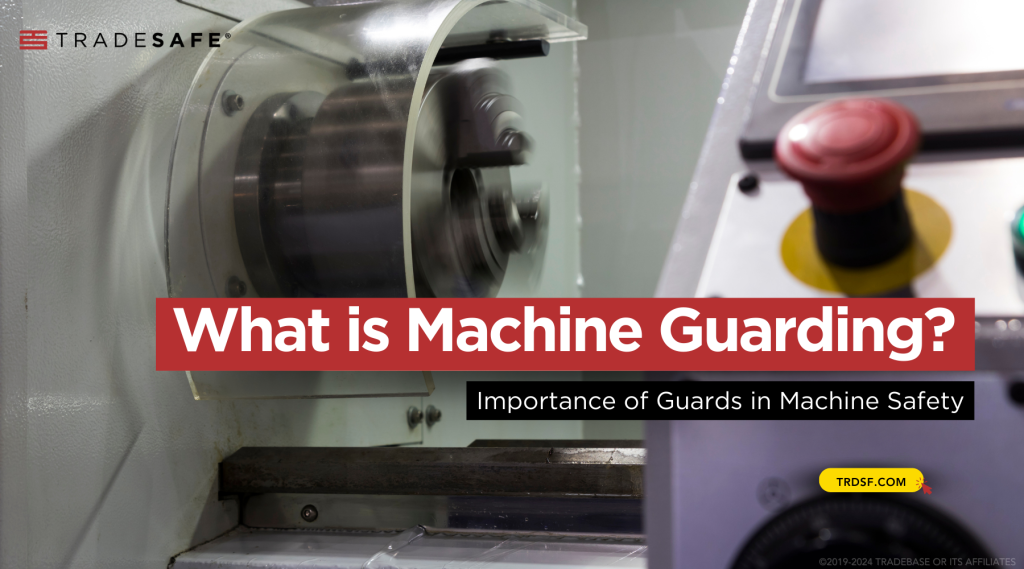
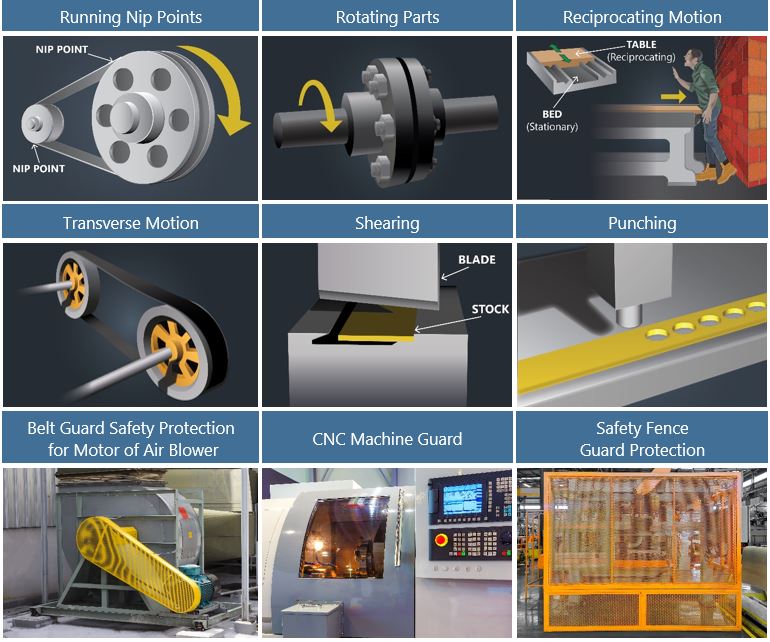
Machine guards are crucial in manufacturing settings. They prevent contact with moving parts, reducing the risk of injury. These guards include fixed, adjustable, and self-adjusting types. Fixed guards are permanent and provide constant protection. Adjustable guards can be modified for different tasks, offering flexibility. Self-adjusting guards adapt to the size of the material, ensuring safety without hindering operations.Vehicle Guards
Vehicle guards protect against accidents involving industrial vehicles. They are used in warehouses and construction sites. These guards include barriers, safety gates, and reflective markings. Barriers separate pedestrian zones from vehicle paths. Safety gates control access to high-risk areas. Reflective markings enhance visibility, making vehicles and pathways easily noticeable.Personal Protective Equipment
Personal Protective Equipment (PPE) is individual safety gear. It includes helmets, gloves, goggles, and safety shoes. Helmets protect the head from falling objects. Gloves safeguard hands from cuts and chemicals. Goggles shield eyes from dust and debris. Safety shoes prevent injuries from heavy objects and slips. PPE is essential in environments where hazards cannot be completely eliminated.Industries Utilizing Safety Guards
Safety guards play a crucial role in preventing workplace injuries. Various industries rely on these protective measures to ensure worker safety. By employing safety guards, industries can significantly reduce the risk of accidents and enhance productivity. Let’s explore some key industries that extensively use safety guards.
Manufacturing
The manufacturing industry faces numerous hazards due to heavy machinery. Safety guards are essential to protect workers from moving parts. They prevent accidental contact, reducing the risk of severe injuries. Guards cover dangerous machine parts like blades and gears. This helps to maintain a safe working environment. Regular inspections ensure the guards remain effective and intact.
Construction
Construction sites are known for their high-risk environment. Safety guards are vital in protecting workers from falls and equipment accidents. Guardrails are used on scaffolds and open edges to prevent falls. Machine guards on tools like saws and drills protect from sharp edges. These measures help create a safer site for all workers.
Healthcare
In healthcare, safety guards protect both staff and patients. They minimize risks associated with medical equipment. Guards on radiology machines prevent radiation exposure. Protective barriers in laboratories protect from chemical spills. These safeguards ensure a safer healthcare environment for everyone involved.
Benefits Of Safety Guards
Safety guards protect individuals from potential harm. They act as barriers, reducing the risk of accidental injuries. By maintaining a safe environment, they help ensure everyone’s well-being.
Safety guards are essential tools in workplaces. They play a crucial role in preventing injuries. Their benefits extend beyond mere protection. Let’s explore how they contribute to a safer work environment.Reducing Workplace Accidents
Safety guards act as barriers between hazards and employees. They prevent direct contact with dangerous machines. This reduces the chances of accidents significantly. Employees can perform tasks without fear of injury. This leads to fewer workplace incidents and a safer environment.Enhancing Employee Confidence
When safety measures are visible, employees feel secure. Safety guards provide assurance that risks are minimized. Confident employees are more productive. They focus better on tasks without constant worry. This boosts morale and enhances overall work performance.Compliance With Regulations
Regulatory bodies require adherence to safety standards. Safety guards help businesses meet these requirements. They ensure that machinery and equipment are safe. Compliance avoids legal penalties and enhances the company’s reputation. It also shows commitment to employee safety.Implementing Safety Guards
Implementing safety guards is vital in preventing workplace injuries. Safety guards protect workers from dangerous machinery and equipment. They create a barrier between the user and potential hazards. Proper implementation ensures maximum safety and efficiency.
Assessment And Planning
Start by assessing workplace risks and identifying potential hazards. Determine which areas require safety guards. Consult with safety experts and employees. Plan safety guard placement based on the assessment. Consider the type of machinery and the tasks performed. Proper planning reduces risks effectively.
Installation And Maintenance
Install safety guards following manufacturer guidelines. Ensure they fit correctly and securely. Regularly inspect guards for wear and damage. Schedule maintenance checks to ensure functionality. Replace or repair damaged guards immediately. Training employees on safe usage is crucial. Proper installation and maintenance keep workers safe.
Innovations In Safety Guard Technology
Innovations in safety guard technology have transformed workplace safety. New advancements ensure better protection and reduce injury risks. These developments focus on smart solutions and improved materials. They offer efficient and reliable safety measures.
Smart Safety Solutions
Smart technology integrates into safety guards, enhancing their functionality. Sensors detect hazards early, alerting workers to potential dangers. Some systems automatically adjust guards to optimize safety. These features improve response times and minimize human errors.
Wireless connectivity allows remote monitoring of safety systems. Managers can oversee operations through apps, ensuring guards function correctly. These tools help maintain high safety standards effortlessly.
Material Advancements
New materials enhance the durability and effectiveness of safety guards. Lightweight composites reduce fatigue for workers, while maintaining strong protection. These materials resist wear, extending the lifespan of safety equipment.
Advanced polymers offer flexibility and impact resistance. They adapt to various environments, providing reliable protection across industries. Innovations in materials ensure safety guards are robust and efficient.
Challenges In Safety Guard Usage
Safety guards play a pivotal role in preventing injuries, yet their usage isn’t without challenges. These obstacles can affect the effectiveness and adoption of safety guards in various environments. From financial constraints to skill gaps, these challenges demand attention to ensure safety remains uncompromised.
Cost Implications
The financial aspect of implementing safety guards can be daunting. You might find yourself weighing the initial investment against potential safety benefits. Some businesses face budget constraints that make purchasing high-quality safety guards challenging.
Have you ever considered the long-term savings? While upfront costs are significant, investing in quality guards can reduce injury-related expenses over time. It’s essential to evaluate the costs in light of potential savings from reduced accidents and liability claims.
Training Requirements
Introducing safety guards isn’t just about installing equipment; it demands proper training. Lack of adequate training can lead to misuse or neglect of safety guards, nullifying their protective benefits.
Imagine a scenario where employees don’t fully understand the importance of these guards. Are they equipped with the right skills to use them effectively? Investing in comprehensive training programs ensures that staff are well-prepared, maximizing the safety guards’ potential.
Consider setting up regular refresher sessions. Continuous education keeps everyone informed and vigilant, reducing the risk of complacency and enhancing safety culture.
Credit: www.ensafe.com
Frequently Asked Questions
What Are Safety Guards In The Workplace?
Safety guards are protective devices designed to prevent injuries. They act as barriers between workers and hazardous equipment, ensuring safe operation. By reducing direct contact with machinery, safety guards significantly decrease the risk of accidents. Their strategic placement and durable design are key to enhancing workplace safety.
How Do Safety Guards Reduce Injury Risks?
Safety guards reduce injury risks by creating physical barriers. These barriers prevent direct contact with hazardous equipment, thereby minimizing accidents. Additionally, they ensure compliance with safety regulations, promoting a safer work environment. By shielding workers from potential dangers, safety guards play a crucial role in injury prevention.
Are Safety Guards Mandatory In Industries?
Yes, safety guards are often mandatory in industries. Regulatory bodies require them to ensure worker safety. Compliance with safety standards is essential to avoid penalties. Safety guards are crucial in industries with high-risk machinery, reducing the likelihood of accidents and enhancing overall workplace safety.
How Often Should Safety Guards Be Inspected?
Safety guards should be inspected regularly, ideally monthly. Regular inspections ensure they function effectively and comply with safety standards. Identifying wear and tear early can prevent accidents. Consistent maintenance and checks are vital for ensuring that safety guards continue to provide optimal protection.
Conclusion
Safety guards play a crucial role in preventing injuries. They protect workers from dangerous equipment. This reduces accidents and keeps workplaces safer. Employees feel more secure and focused. Safety guards also save companies from costly lawsuits. Businesses maintain good reputations by prioritizing safety.
Investing in quality safety guards is wise. They ensure peace of mind for everyone. Safety should always be a top priority. Guards are essential in achieving this goal. Prioritize safety to create a better work environment. Keep everyone protected and confident.
Safety guards are key to fewer injuries.