Are you tired of feeling winded after climbing a flight of stairs or struggling to keep up during a game of soccer? Improving your cardio endurance could be the key to unlocking a more energetic and active lifestyle.
Imagine running without getting out of breath, enjoying longer hikes, or simply feeling more vibrant throughout your day. Sounds appealing, right? You’ll discover simple yet effective strategies to boost your cardio endurance, making those dreams a reality. Keep reading to find out how you can transform your fitness routine and enhance your overall well-being.
Your journey to a healthier, more resilient you starts right here.
Credit: www.hollandandbarrett.com
Benefits Of Cardio Endurance
Improving cardio endurance boosts heart health and increases stamina. Regular exercise enhances lung capacity, making daily activities easier. It also helps reduce stress and improves overall mood.
Cardio endurance is the ability to sustain physical activity over time. It plays a crucial role in maintaining overall health and fitness. Developing cardio endurance leads to several benefits for the body and mind. These benefits can enhance your daily life and boost your well-being.Improved Heart Health
Regular cardio exercises strengthen the heart muscle. A strong heart pumps blood efficiently, improving circulation. This reduces the risk of heart disease and stroke. It also helps maintain healthy blood pressure levels.Increased Lung Capacity
Cardio workouts enhance lung capacity, allowing you to breathe better. Improved lung function means more oxygen reaches your muscles. This boosts energy levels and reduces fatigue during physical activities.Weight Management
Cardio activities burn calories effectively. Engaging in them helps maintain a healthy weight. It also reduces body fat, supporting a leaner physique. This contributes to overall fitness and well-being.Enhanced Mental Health
Exercise releases endorphins, improving mood and reducing stress. Cardio workouts can alleviate symptoms of anxiety and depression. They promote relaxation and improve sleep quality.Boosted Energy Levels
Regular cardio exercise increases stamina. More energy makes daily tasks easier. You’ll feel more alert and active throughout the day. This leads to a productive and fulfilling lifestyle.Improved Metabolic Rate
Cardio activities boost metabolism, aiding in efficient calorie burning. A higher metabolic rate supports weight loss and management. It also helps in maintaining a healthy body composition.Increased Longevity
Studies show that cardio fitness is linked to a longer life span. Regular exercise reduces the risk of chronic diseases. It also enhances your quality of life, keeping you active and healthy.Setting Realistic Goals
Improving cardio endurance begins with setting achievable targets. Start small and gradually increase your workout intensity. Focus on consistency and track your progress to stay motivated.
Setting realistic goals is key to improving cardio endurance. It helps keep motivation high and progress steady. Without achievable targets, it’s easy to become discouraged. Let’s explore how to set practical goals for better cardio fitness.Understanding Your Current Fitness Level
Begin by assessing your current fitness. Know where you stand. A baseline helps measure progress. Try a simple test like a timed walk or jog. Record your time and distance. This gives a clear starting point.Choosing Goals That Match Your Lifestyle
Consider your daily routine. Set goals that fit your life. Busy schedule? Aim for short, frequent workouts. Have more free time? Plan longer sessions. Align your goals with your lifestyle for sustainability.Setting Incremental Targets
Break down big goals into smaller steps. Small wins build momentum. Instead of running 5 miles, start with one. Gradually increase distance. This approach prevents burnout and encourages consistency.Monitoring Progress Regularly
Track your progress weekly. Use a journal or app. Record time, distance, and feelings. Adjust goals based on your performance. Celebrate small achievements. They boost morale and keep you focused.Adjusting Goals Based On Feedback
Listen to your body. It provides valuable feedback. Feeling tired or sore? Modify your plan. Increase rest days. Lower intensity if needed. Flexibility in goal setting prevents injury and promotes long-term success. By setting realistic goals, you pave the way for lasting improvements in cardio endurance.Choosing The Right Exercises
Boosting cardio endurance requires selecting exercises that elevate heart rate over time. Opt for activities like running, cycling, or swimming. These workouts build stamina and enhance cardiovascular health effectively.
Choosing the right exercises is crucial for improving cardio endurance. Different activities offer unique benefits for your heart health. Selecting exercises that suit your lifestyle and preferences is essential. This increases the likelihood of maintaining a consistent routine. Below are some excellent exercise options to enhance your cardiovascular endurance.Running And Jogging
Running and jogging are highly effective for building endurance. Start with a comfortable pace and gradually increase speed. Consistency is key to seeing improvements in your stamina. Ensure proper footwear to avoid injuries. Track your progress to stay motivated.Cycling Techniques
Cycling is an excellent low-impact cardio workout. It strengthens your legs and boosts endurance. Use different cycling techniques to challenge yourself. Try varying speed and resistance levels. Outdoor cycling offers fresh air and scenic views. Indoor cycling is a great option during bad weather.Swimming Tips
Swimming engages multiple muscle groups, enhancing endurance. Focus on different strokes to work various muscles. Practice breathing techniques to improve efficiency. Aim for at least 30 minutes of continuous swimming. Swimming also provides a full-body workout without stressing joints.High-intensity Interval Training
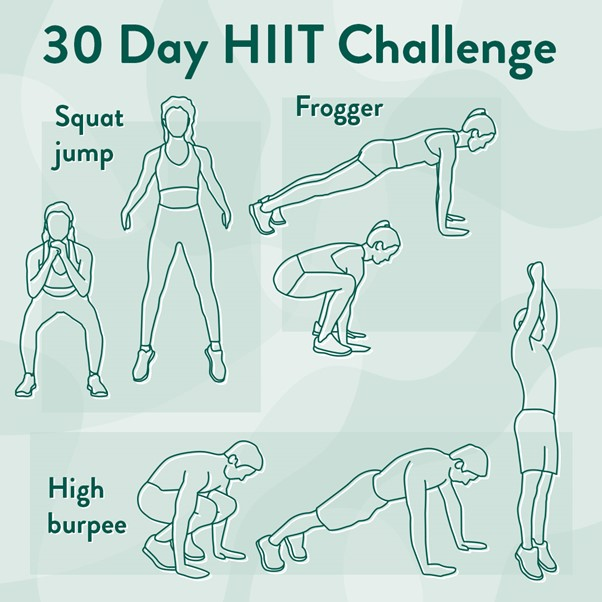
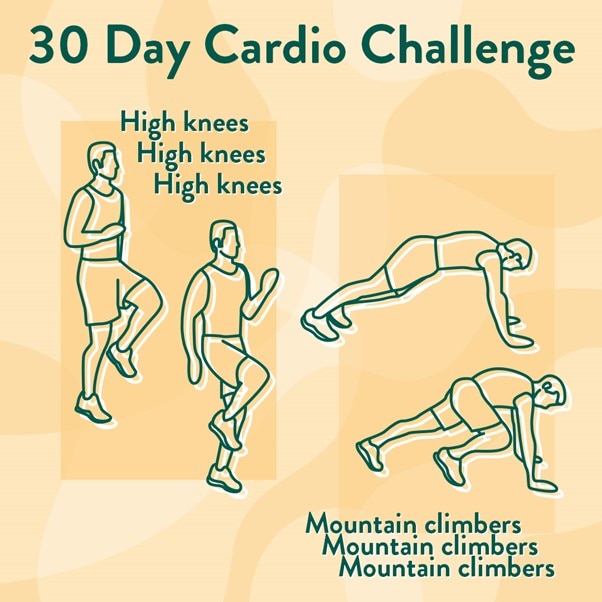
High-Intensity Interval Training (HIIT) combines short bursts of intense exercise with rest. It’s efficient for boosting cardio endurance. Incorporate exercises like sprints, jumping jacks, or burpees. HIIT sessions typically last 20 to 30 minutes. This makes it a time-effective workout option.Creating A Consistent Routine
Creating a Consistent Routine Establish a regular workout schedule to enhance cardio endurance. Include activities like jogging, cycling, or swimming. Gradually increase intensity and duration for better results.
Creating a consistent routine is the key to improving cardio endurance. Regular exercise helps build stamina and keeps the heart healthy. It prevents fatigue and boosts energy levels. Sticking to a routine can be challenging. But with the right plan, it becomes manageable and effective. Here are some tips to create a routine that works for you.Set Clear Goals
Goals help track progress. Choose specific targets like running for 30 minutes. Make them achievable to stay motivated.Choose Activities You Enjoy
Pick exercises that are fun. Enjoyment makes it easier to stick with the routine. Whether it’s cycling, swimming, or dancing, find what you love.Schedule Your Workouts
Plan exercise sessions in advance. Set aside a specific time each day. Consistency helps make exercise a habit.Start Slow And Gradual
Begin with short sessions. Gradually increase intensity and duration. This approach prevents injury and builds endurance steadily.Mix It Up
Variety keeps workouts exciting. Try different activities throughout the week. This prevents boredom and works different muscle groups.Track Your Progress
Use apps or journals to monitor achievements. Seeing improvement boosts motivation. It helps identify areas that need more focus.Listen To Your Body
Pay attention to signals like pain or fatigue. Rest when needed. This prevents overtraining and promotes recovery.Stay Hydrated
Drink plenty of water before, during, and after exercise. Hydration is crucial for performance and recovery.Find A Workout Buddy
Exercising with a friend increases accountability. It makes workouts more enjoyable. Encourage each other to stay committed.Celebrate Your Success
Reward yourself for reaching milestones. Small celebrations keep motivation high. Recognize your hard work and progress.Incorporating Strength Training
Incorporating strength training can boost your cardio endurance significantly. It helps build muscles, which supports your cardiovascular system. Strength training enhances your stamina, allowing you to exercise longer. This method is beneficial for your overall fitness routine.
Balancing Cardio And Strength
Finding the right balance is crucial for endurance. Too much cardio can tire your muscles. Too much strength training can reduce flexibility. Aim for two to three strength sessions weekly. Mix them with your cardio workouts. This balance prevents burnout and promotes muscle recovery.
Key Exercises For Endurance
Some exercises are great for endurance. Squats and lunges build leg muscles. This supports longer runs or cycling sessions. Push-ups and planks strengthen your core. A strong core improves your posture during cardio. Deadlifts enhance back strength, reducing fatigue over time.
Include these exercises in your routine. They complement your cardio, boosting endurance levels. Consistency is key to seeing results. Set a schedule and stick to it for best outcomes.
Nutrition And Hydration
Improving cardio endurance requires more than just exercise. Nutrition and hydration play crucial roles in boosting your performance and recovery. The right nutrients give your body the energy it needs, while proper hydration keeps you feeling strong and prevents fatigue. Paying attention to what you eat and drink before and after workouts can make a significant difference.
Pre-workout Meals
Eating the right foods before exercising prepares your body for the effort ahead. Focus on a balanced meal with carbohydrates and proteins. Carbs provide energy, while proteins support muscle repair. Consider options like oatmeal, bananas, or yogurt. These foods digest easily and fuel your workout.
Avoid heavy meals that can cause discomfort. Light snacks are ideal. Timing matters too. Eat at least 30 minutes before starting your workout. This gives your body time to digest and absorb nutrients.
Post-workout Recovery
After exercising, your body needs nutrients to recover. A mix of protein and carbs helps restore energy and repair muscles. Options like smoothies, chicken, or quinoa are excellent choices. These foods replenish lost nutrients and aid recovery.
Hydration is equally important. Drink water to replace fluids lost through sweat. This keeps your body hydrated and supports recovery. Consider adding electrolytes if your workout was intense. These help maintain balance in your body.
Tracking Progress
Monitor workout intensity to boost cardio endurance. Use apps or journals to track distance, time, and heart rate. Adjust goals regularly for consistent improvement.
Tracking your progress in improving cardio endurance is essential for staying motivated and achieving your goals. By monitoring your performance, you can make informed decisions on what adjustments are needed in your training routine. It’s not just about seeing numbers go up; it’s about understanding what those numbers mean for your health and fitness journey.Using Fitness Apps
Fitness apps are powerful tools for tracking your cardio progress. They offer insights into your workouts, allowing you to see patterns and improvements over time. Many apps come equipped with features that let you log your exercises, track distances, and even compare past performances. Imagine finishing a run and immediately seeing how your pace improved from last week. These apps can send you reminders, suggest workouts, and even celebrate your milestones with virtual badges. By using these tools, you’re not just tracking numbers; you’re building a narrative of your progress.Monitoring Heart Rate
Monitoring your heart rate is crucial for gauging your cardio endurance. It tells you how your heart responds to exercise and recovery, providing a clear picture of your cardiovascular health. You might notice that your resting heart rate decreases as your endurance improves. Heart rate monitors and wearable technology offer real-time data, making it easier to adjust your intensity during workouts. Are you pushing too hard or not enough? Your heart rate can guide you. By understanding these fluctuations, you can train smarter and avoid burnout. Tracking progress through these methods not only keeps you informed but also keeps you engaged. How will you use this data to challenge yourself today?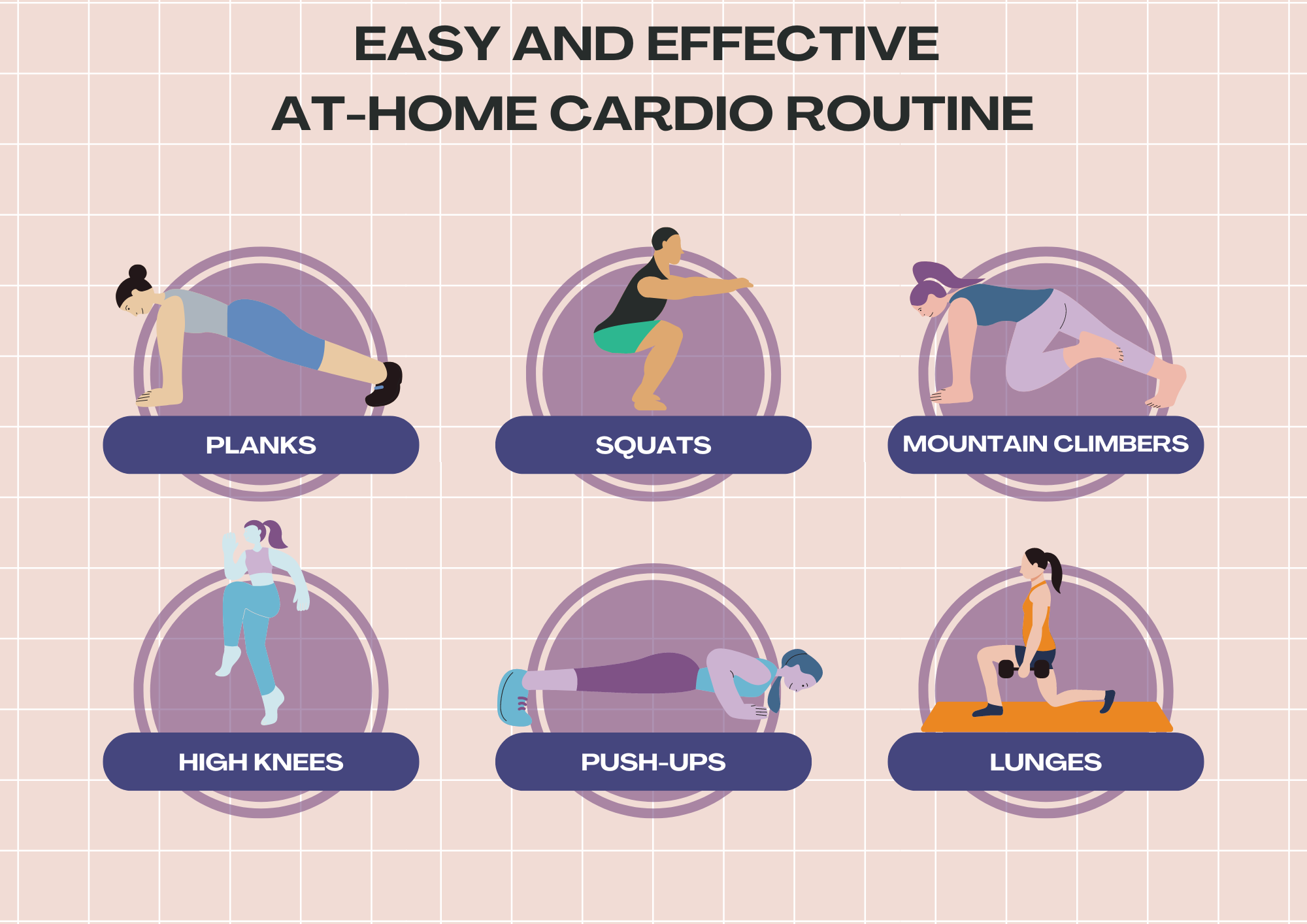
Credit: myyogateacher.com
Avoiding Common Mistakes
Avoid overtraining by gradually increasing workout intensity to improve cardio endurance. Mix different exercises to keep routines fresh and engaging. Stay consistent with your exercise schedule and listen to your body to prevent injuries.
Improving your cardio endurance can be a rewarding journey, but it’s easy to fall into common mistakes that can hinder your progress. Whether you’re a seasoned athlete or just starting out, being aware of these pitfalls can help you achieve your fitness goals more effectively. Let’s dive into some key areas where people often go wrong and how you can avoid them.Overtraining Risks
Pushing yourself too hard might seem like the fastest way to improve, but it can actually set you back. Overtraining can lead to fatigue, injury, and even burnout. It’s crucial to listen to your body and recognize when it’s time to dial back the intensity. Have you ever felt exhausted despite getting enough sleep? This could be a sign you’re overtraining. Instead of adding more workout sessions, try focusing on quality and consistency. Remember, it’s about building endurance over time, not burning out quickly.Ignoring Rest Days
Rest days are not a sign of weakness; they are essential for recovery and improvement. Many people skip rest days, thinking they’ll lose progress. However, your muscles need time to repair and strengthen. Consider scheduling regular rest days into your routine. This might be the missing link in your training strategy. Have you given your body time to heal after a challenging workout? By taking a break, you allow your body to recharge and perform better in the long run. In the quest for improving cardio endurance, avoid these mistakes and watch your progress soar.Staying Motivated
Boosting your cardio endurance requires consistent effort and motivation. Set achievable goals to track progress and stay focused. Incorporate variety into your workouts to keep them engaging and challenging.
Staying motivated while working on improving your cardio endurance can be challenging. You might start off with enthusiasm, but as the days go by, keeping that momentum can become difficult. Discovering effective strategies to keep your motivation alive is key to achieving your fitness goals.Setting Milestones
Breaking down your ultimate goal into smaller, achievable milestones can keep your motivation high. Consider setting weekly or monthly targets that are specific and measurable. For instance, aim to run an extra kilometer by the end of the month or increase your cycling time by 15 minutes every week. As you reach each milestone, celebrate your progress. Whether it’s treating yourself to a new workout outfit or enjoying a guilt-free dessert, rewarding yourself can reinforce your efforts. Reflect on how far you’ve come and visualize the next milestone. This keeps the journey exciting and gives you a clear path to follow.Finding A Workout Buddy
Having someone to share the journey with can make all the difference. A workout buddy holds you accountable, pushes you when you feel like giving up, and shares in the joy of each achievement. You can swap tips, challenge each other, and even compete in friendly races to see who can improve the fastest. A workout buddy also turns exercise sessions into social events. Imagine chatting about your day while jogging or laughing over the latest Netflix series during cooldown stretches. This social aspect can transform workouts from a task into a fun part of your routine. Who do you know who might join you in this cardio adventure?
Credit: www.gq-magazine.co.uk
Frequently Asked Questions
What Exercises Boost Cardio Endurance Fast?
To quickly boost cardio endurance, focus on activities like running, cycling, and swimming. These exercises elevate heart rate and improve stamina. Incorporating interval training can also enhance endurance efficiently. Consistency and gradually increasing intensity are key for noticeable improvements.
How Often Should I Do Cardio Workouts?
Aim for at least 150 minutes of moderate cardio weekly. Alternatively, you can engage in 75 minutes of vigorous activity. Spread sessions throughout the week for best results. This frequency helps improve endurance and overall cardiovascular health.
Can Diet Affect My Cardio Endurance?
Yes, diet significantly impacts cardio endurance. Consuming balanced meals with carbohydrates, proteins, and healthy fats fuels workouts. Staying hydrated is crucial for optimal performance. Nutrient-rich foods support recovery and energy levels, enhancing endurance over time.
How Does Interval Training Improve Endurance?
Interval training alternates between high-intensity bursts and low-intensity recovery. This method boosts cardiovascular efficiency and stamina. It challenges the heart and muscles, improving oxygen utilization. Regular interval sessions can lead to significant endurance gains.
Conclusion
Building cardio endurance takes time and consistency. Start with small steps. Gradually increase intensity and duration. Mix up your routine with varied exercises. Cycling, swimming, and running offer great benefits. Stay motivated by setting achievable goals. Track your progress to stay focused.
Listen to your body and rest when needed. Hydration and nutrition play key roles in performance. Celebrate small victories to keep spirits high. Remember, every effort counts towards better endurance. Keep pushing forward. Your heart will thank you. Embrace the journey to stronger cardio health.