Imagine feeling more energetic and less fatigued throughout your day. Picture yourself running up a flight of stairs without gasping for air.
Building cardio endurance can turn these scenarios into reality. If you’ve ever wondered how to boost your stamina and enhance your overall fitness, you’re in the right place. You’ll discover simple yet effective strategies to improve your cardiovascular health. You’ll learn how to make your heart stronger, your lungs more efficient, and your body more resilient.
Whether you’re a beginner or someone looking to push your limits, these tips will help you achieve your goals. Get ready to transform your workouts and elevate your life.
Importance Of Cardio Endurance
Building cardio endurance is key to a healthy lifestyle. It improves heart health and boosts energy levels. Regular activities like walking, jogging, or cycling strengthen your stamina over time.
Cardio endurance is vital for a healthy lifestyle. It boosts heart and lung function, allowing you to perform physical activities with ease. Enhancing cardio endurance helps improve energy levels. It also supports weight management and reduces the risk of chronic diseases. Understanding its importance can motivate you to integrate cardio workouts into your routine.Benefits Of Cardio Endurance
Cardio endurance keeps your heart strong. It enhances the efficiency of your cardiovascular system. This means your heart pumps blood more effectively. It also increases your lung capacity. Breathing becomes easier, even during physical exertion. Improved endurance aids in daily tasks. You feel less fatigued and more energetic.Impact On Mental Health
Cardio workouts positively affect mental health. They release endorphins, which improve mood and reduce stress. Regular exercise boosts self-esteem. It provides a sense of achievement and well-being. Mental clarity and focus increase with better cardio endurance. You may find it easier to concentrate and solve problems.Cardio Endurance And Weight Management
Building cardio endurance helps in weight control. Cardio exercises burn calories effectively. This supports weight loss and fat reduction. A strong cardiovascular system speeds up metabolism. Efficient calorie burning leads to maintaining a healthy weight. It contributes to overall fitness and well-being.Reducing Health Risks
Improving cardio endurance lowers health risks. It decreases the chance of heart disease and high blood pressure. Regular cardio workouts reduce cholesterol levels. They also minimize the risk of diabetes. A strong heart and lungs contribute to a longer, healthier life.Incorporating Cardio Into Your Routine
Start with simple activities. Walking, jogging, or cycling are great options. Gradually increase intensity and duration. Aim for at least 30 minutes of cardio daily. Consistency is key to building endurance. Find activities you enjoy to stay motivated.
Credit: m.facebook.com
Choosing The Right Cardio Exercises
Choosing the right cardio exercises is crucial in your journey to build endurance. Each activity offers unique benefits that cater to different fitness levels and preferences. Whether you’re a beginner or a seasoned athlete, the key is to find an exercise that you enjoy and can commit to regularly. Let’s explore some popular options and see which might be the perfect fit for you.
Running And Jogging
Running and jogging are accessible and efficient ways to boost your cardio endurance. They require minimal equipment and can be done anywhere, making them ideal for busy schedules. Start with a slow pace and gradually increase your distance and speed. You’ll find yourself feeling stronger and more energetic as your endurance builds.
Cycling
Cycling is a low-impact option that’s gentle on your joints while providing a rigorous workout. Whether outdoors or on a stationary bike, cycling helps to improve cardiovascular health and leg strength. Consider joining a cycling group to make your rides more enjoyable and motivating. Who knows, you might discover a new passion!
Swimming
Swimming is a full-body workout that effectively increases endurance and strength. It’s perfect for those who prefer a low-impact exercise due to its gentle nature on the joints. Dive into different strokes to keep your routine interesting and challenging. Have you ever noticed how swimming seems to calm your mind as it strengthens your body?
Rowing
Rowing engages multiple muscle groups and offers a comprehensive cardiovascular workout. Whether on water or using a rowing machine, this exercise improves your stamina and upper body strength. Why not try a rowing class to learn the proper technique and meet others who share your fitness goals?
Hiit Workouts
High-Intensity Interval Training (HIIT) is an excellent choice for those who want to maximize their workout in a short time. It involves short bursts of intense activity followed by rest periods, effectively boosting endurance and burning calories. Tailor the intensity to your level and gradually push your limits. Are you ready to challenge yourself with HIIT?
Creating A Consistent Routine
Building cardio endurance requires a consistent routine. Start with short, manageable workouts to gradually increase stamina. Mix activities like jogging, cycling, or swimming to keep things interesting and effective.
Creating a consistent routine is the cornerstone of building cardio endurance. It’s not just about running or cycling; it’s about laying down the foundation of habits that propel you forward. Imagine waking up every morning, knowing exactly what your workout plan is and feeling the anticipation of improvement. This routine becomes your ally, helping you progress steadily without overwhelming your schedule.Setting Realistic Goals
Begin by setting achievable goals that match your current fitness level. If you’re just starting out, aim for small victories, like a 20-minute brisk walk. Gradually increase the duration and intensity, fostering a sense of accomplishment. Clear goals make progress tangible, motivating you to keep pushing.Designing A Weekly Schedule
Craft a weekly schedule that fits seamlessly into your life. Consider your work hours, family commitments, and personal time. You might decide on a Monday, Wednesday, Friday routine, complemented by a weekend activity. This structure simplifies your planning, ensuring regular exercise without the chaos of last-minute decisions.Incorporating Rest Days
Rest days are not a sign of weakness; they’re essential for recovery. Your body needs time to repair and strengthen. Schedule these days intentionally, perhaps after a particularly challenging workout. Listen to your body and adjust as needed. Remember, rest is a crucial element of a sustainable routine. Creating a consistent routine is a journey, not a sprint. What small adjustment can you make today to strengthen your commitment to cardio endurance?
Credit: fanaticwrestling.com
Progressive Overload Techniques
Enhancing cardio endurance involves gradually increasing exercise intensity. Incorporate varied workouts like interval training or hill sprints. Consistent progression challenges your heart and lungs, boosting stamina over time.
Building cardio endurance requires a strategic approach, and progressive overload techniques are essential in this journey. These techniques gradually increase the demands on your cardiovascular system, helping you to enhance your stamina and overall fitness. Let’s explore some effective methods to apply progressive overload to your cardio workouts.Increasing Duration
Start by extending the time you spend on your current cardio activities. If you’re used to running for 20 minutes, aim for 25 minutes next week. This gradual increase challenges your heart and lungs to work harder over longer periods. Consider your favorite TV show — could you run or cycle while watching an episode? This way, you’re naturally adding minutes to your workout without it feeling like a chore. Don’t rush the process. Small increments in duration can lead to significant improvements over time.Boosting Intensity
To boost intensity, incorporate short bursts of high-intensity activity into your routine. Think of sprinting for 30 seconds during your jog or increasing resistance on your stationary bike. High-intensity intervals push your limits and increase your heart rate, promoting endurance. It’s not just about speed; it’s about making each second count. Challenge yourself. Could you tackle a hill during your next run or cycle? Embrace the burn as you power through tougher terrains.Mixing Workout Types
Variety is the spice of life — and workouts! Mixing different types of cardio can prevent boredom and stimulate different muscle groups. Try alternating between swimming, cycling, and running throughout the week. Think of it as a cardio buffet. Each workout type offers unique benefits, whether it’s the joint-friendly nature of swimming or the muscle engagement in cycling. Ask yourself: are you stuck in a routine? Mixing it up might be the key to breaking through your plateau. It’s about keeping things fresh and exciting. By applying these progressive overload techniques, you can effectively build your cardio endurance, paving the way for a healthier, more active lifestyle.Nutrition And Hydration
Building cardio endurance requires more than just exercise. Nutrition and hydration play key roles in supporting your body’s ability to perform and recover. Balanced nutrition fuels your workouts, while proper hydration ensures your body functions optimally. These elements work together to enhance your endurance and keep you energized.
Fueling The Body
A balanced diet provides the energy needed for cardio workouts. Focus on consuming carbohydrates, proteins, and healthy fats. Carbohydrates are essential as they are your body’s primary energy source during exercise. Include whole grains, fruits, and vegetables in your meals. Protein helps repair muscles post-workout. Lean meats, beans, and dairy are good options. Healthy fats, like those from avocados and nuts, support sustained energy.
Hydration Strategies
Proper hydration is crucial for endurance. Water regulates body temperature and maintains blood flow. Drink water throughout the day, not just during exercise. Pay attention to your body’s signals. If you feel thirsty, drink. During intense workouts, consider electrolyte drinks. They replace salts lost through sweat. Monitor urine color as a hydration indicator. Pale yellow is ideal.
Pre And Post-workout Nutrition
Eating before and after workouts is vital. Before exercising, have a light meal rich in carbs. This provides immediate energy. A banana or a small bowl of oatmeal works well. Post-workout, focus on protein and carbs. This aids muscle recovery and replenishes energy stores. A smoothie with yogurt and berries is a great choice. Timing matters. Eat 30 minutes before and within 45 minutes after workouts.

Credit: www.womenshealthmag.com
Monitoring Progress
Building cardio endurance involves consistent exercise and gradually increasing intensity. Start with brisk walking or jogging. Mix in activities like cycling or swimming to keep it engaging. Track your progress to stay motivated and set achievable goals.
Monitoring your progress is essential for building cardio endurance. It helps track achievements and identify areas for improvement. Progress tracking keeps motivation high and ensures consistent development. Here are some effective methods to monitor your cardio journey.Using Fitness Trackers
Fitness trackers are valuable tools for monitoring cardio progress. They provide real-time data on heart rate and distance. Most devices also track calories burned and exercise duration. This data helps understand workout intensity and improvements. Sync your tracker with a smartphone app for detailed insights. Set daily and weekly goals to stay motivated.Keeping A Workout Journal
A workout journal is another effective way to track progress. Write down each workout session, noting exercises and duration. Record any challenges faced and how you overcame them. Review your journal weekly to identify patterns and improvements. This practice keeps you accountable and motivated.Recognizing Improvements
Recognizing improvements boosts confidence and keeps you focused. Notice how your endurance increases over time. Celebrate small victories, like running longer without fatigue. Track improvements in speed, stamina, and recovery time. Understanding these gains reinforces your commitment to cardio fitness.Overcoming Common Challenges
Building cardio endurance requires consistent practice and gradual intensity increase. Start with short sessions, gradually extending duration and intensity. Incorporate diverse activities like cycling and swimming to keep workouts engaging and effective.
Building cardio endurance is a rewarding journey, but it comes with its own set of challenges. While enthusiasm might fuel your initial efforts, it’s common to encounter obstacles along the way. Understanding these challenges and knowing how to overcome them can make all the difference in achieving your fitness goals.Dealing With Plateaus
Hitting a plateau can be frustrating. It might feel like you’re putting in the effort but not seeing any progress. To push through, try varying your routine. Swap running for cycling or include interval training to your schedule. Change not only keeps your body guessing but also keeps your mind engaged.Staying Motivated
Motivation tends to waver over time. Keeping your goals visible can help maintain your drive. Write down your reasons for building endurance and place them where you can see them daily. Joining a group or finding a workout buddy can also add a layer of accountability and fun.Preventing Injuries
Injuries can sideline your progress quickly. Listen to your body and don’t ignore any pain signals. Incorporate rest days into your routine to allow your muscles to recover. Regularly stretching and warming up before your workouts can also be crucial in preventing strains and sprains. What challenges have you faced in your cardio journey? Recognizing them is the first step in overcoming them.Frequently Asked Questions
What Is The Best Way To Build Cardio Endurance?
The best way is to incorporate regular aerobic exercises. Activities like running, cycling, or swimming boost cardiovascular health. Gradually increase intensity and duration to improve endurance. Consistency is key, so aim for at least 150 minutes of moderate activity weekly.
How Often Should I Do Cardio Workouts?
For optimal results, aim for cardio sessions 3 to 5 times weekly. Each session should last 30 to 60 minutes. This frequency helps build endurance effectively. Always listen to your body and adjust based on your fitness level.
Can Strength Training Improve Cardio Endurance?
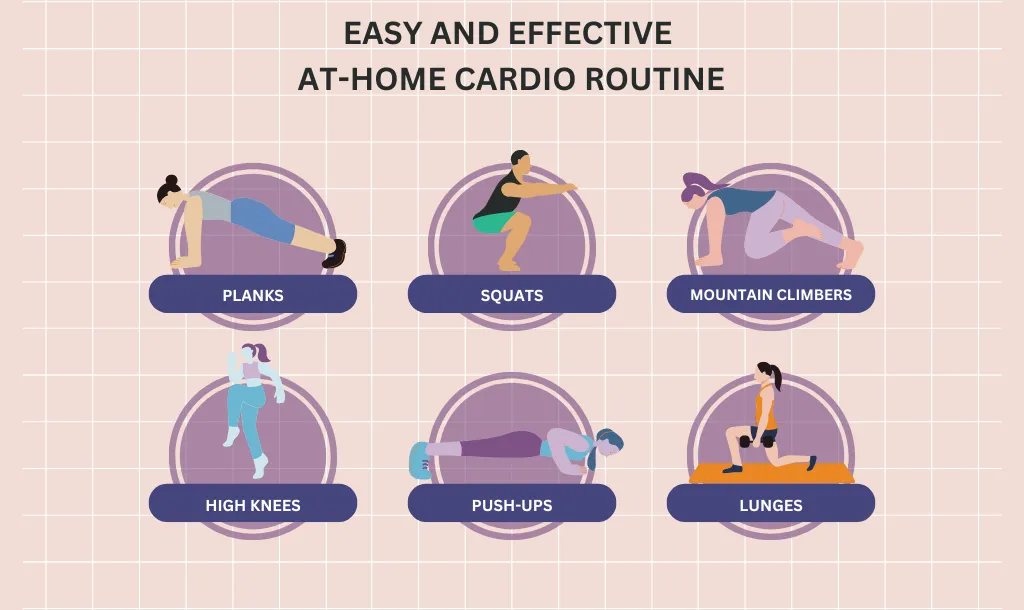
Yes, strength training can support cardio endurance. It builds muscle efficiency, enhancing oxygen use during cardio activities. Incorporate exercises like squats, lunges, and deadlifts. Aim for two strength sessions weekly to complement your cardio workouts.
What Are Some Beginner-friendly Cardio Exercises?
Beginner-friendly exercises include brisk walking, cycling, and swimming. These activities are low-impact yet effective. They help gradually build stamina without overwhelming your body. Always start at a comfortable pace and increase intensity as your endurance improves.
Conclusion
Building cardio endurance takes dedication and consistency. Start with small, manageable goals. Gradually increase your workout intensity. Listen to your body. Balance rest and exercise. Stay hydrated and eat well. Celebrate your progress. Remember, it’s a journey, not a sprint.
Patience pays off. Your heart grows stronger with time. Enjoy the process and stay motivated. Support from friends can help. Keep your workouts varied for interest. Cardio endurance improves overall health. Feel the energy boost. Live a more active life.
Keep pushing forward. You’ll see results soon. Stay committed.