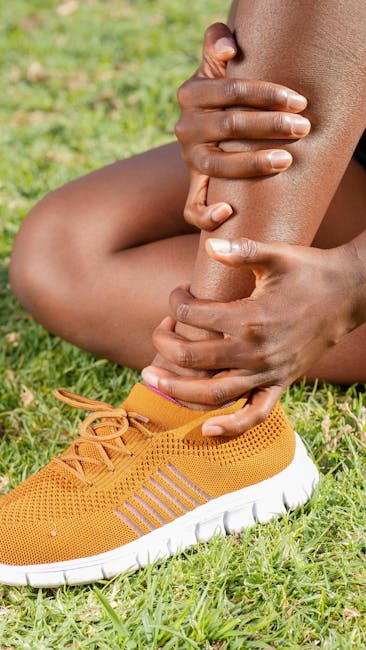
Imagine gearing up for your favorite sport, feeling that rush of adrenaline, only to be sidelined by an unexpected injury. Frustrating, right?
Injuries not only halt your progress but can also dampen your enthusiasm for the game. The good news is that many sports injuries are preventable, and with a few simple steps, you can stay in the game and keep doing what you love.
You’ll discover practical and effective strategies to protect yourself from common sports injuries. Whether you’re a seasoned athlete or just starting out, these tips can be your game-changer. Keep reading, because your health and passion for sports deserve nothing less than the best care.
Warm-up Techniques
Stretching muscles before exercise boosts flexibility and circulation, reducing injury risks. Dynamic movements, like leg swings, prepare joints for activity, enhancing performance and safety.
The importance of warming up before engaging in any sports activity cannot be overstated. Warm-up techniques help prepare your body, increase blood flow to muscles, and reduce the risk of injuries. Think about the last time you felt stiff before a workout; a proper warm-up can ease that tension and enhance your performance. How often do you rush into a game without warming up? Taking the time to warm up properly can make all the difference.Dynamic Stretching
Dynamic stretching involves active movements that help warm up the muscles and joints. Unlike static stretches, dynamic stretches mimic the movements of your sport. Try leg swings or arm circles to engage different muscle groups effectively. Incorporating these stretches can improve flexibility and coordination.Gradual Intensity Increase
Increasing the intensity of your warm-up gradually is crucial. Start with light activities like walking or slow jogging. This can ease your body into more intense movements. By gradually increasing intensity, you allow your muscles and cardiovascular system to adapt, reducing the risk of sudden strain.Sport-specific Drills
Sport-specific drills are tailored to the particular demands of your sport. If you’re a basketball player, incorporate dribbling and shooting drills into your warm-up. These drills prepare your body for the movements you’ll perform during the game. Think of them as a sneak preview of the real action.Breathing Exercises
Breathing exercises are often overlooked but are essential for a comprehensive warm-up. Deep breathing increases oxygen flow to your muscles and helps calm your nerves. Try inhaling deeply through your nose and exhaling slowly through your mouth. This can enhance your focus and readiness for the activity ahead.Hydration Check
Ensuring you’re hydrated before starting your warm-up is vital. Even mild dehydration can affect your performance and increase injury risk. Drink water or sports drinks to keep your body in optimal condition. Consider how much better you feel when you’re hydrated versus when you’re not.Proper Equipment
Proper equipment is essential in preventing sports injuries. The gear you use can make a significant difference in your safety and performance. Whether you’re playing football, cycling, or engaging in martial arts, having the right equipment is crucial. But what does it mean to have ‘proper equipment’? Let’s dive into the specifics to keep you safe and in the game.
Choosing The Right Gear
Selecting the appropriate gear for your sport is like choosing the right tools for a job. You wouldn’t use a paintbrush to hammer a nail, would you? Similarly, in sports, each piece of equipment is designed with specific needs in mind. Make sure your helmet fits snugly, your shoes provide adequate support, and your pads offer enough protection. The right gear not only enhances performance but also reduces the risk of injury.
Consider the materials and design of your equipment. Lightweight, breathable fabrics can prevent overheating and discomfort. Look for features that prioritize safety without compromising on comfort. If you’re unsure, consult coaches or experienced players for advice. Their insights can be invaluable.
Maintaining Equipment
Imagine buying a brand-new car and never changing its oil. Eventually, it breaks down. Sports equipment requires similar attention. Regular maintenance ensures your gear remains functional and safe. Inspect your equipment routinely for any signs of wear and tear. A frayed strap or worn-out sole can be a recipe for disaster.
Cleaning your equipment can extend its lifespan and keep it in top condition. Remove dirt and sweat to prevent deterioration. Store your gear properly to avoid damage. For instance, keeping your helmet in direct sunlight might weaken its structure over time. Small maintenance habits can make a big difference.
Have you ever considered how often you check your gear? Neglecting maintenance can lead to unforeseen injuries. Do you think your equipment is in its best shape? Taking the time to maintain it might just be the key to staying injury-free.
Strength And Flexibility
Building strength and flexibility helps prevent sports injuries. Strong muscles support joints and reduce strain. Flexibility improves range of motion, lowering injury risk.
Strength and flexibility play a crucial role in preventing sports injuries. Building muscle strength helps support joints and improve balance. Flexibility ensures muscles can move through their full range, reducing strain. Together, they create a solid foundation for physical activities.Strength Training Benefits
Strength training builds muscle, enhancing physical performance. It increases bone density, reducing injury risk. Strong muscles support joints, minimizing stress. Better balance helps prevent falls and mishaps. Regular strength exercises improve endurance, allowing longer participation in sports.Importance Of Stretching
Stretching keeps muscles flexible and ready for activity. It reduces muscle tension, preventing strain. Regular stretching improves joint mobility. Flexible muscles adapt better to sudden movements. Warm muscles are less prone to tears and injuries. Stretching before and after sports maintains muscle health.
Credit: m.facebook.com
Hydration And Nutrition
Preventing sports injuries starts with proper hydration and nutrition. These two elements fuel your body and keep it in peak condition. Without them, the risk of injury increases significantly. Staying hydrated and eating right can make all the difference in an athlete’s performance and safety.
Hydration Guidelines
Water is essential for every athlete. It regulates body temperature and keeps muscles working. Drink water before, during, and after exercise. This helps maintain fluid balance. Aim for 8-10 ounces every 20 minutes during activity. Thirst is not always a reliable indicator. Monitor urine color as a hydration check. Pale yellow is ideal.
Nutritional Needs For Athletes
Athletes need a balanced diet to support their activity. Carbohydrates provide energy, so include whole grains and fruits. Proteins repair muscles. Opt for lean meats, beans, or tofu. Healthy fats like avocados support joint health. Don’t skip meals. Eating small, frequent meals keeps energy levels steady. Vitamins and minerals are vital. Ensure a varied diet to cover all nutritional bases.
Correct Technique
Correct technique is essential for preventing sports injuries. Using the right form reduces stress on muscles and joints. It enhances performance and minimizes risks. Athletes need to prioritize learning the correct technique to stay safe.
Learning Proper Form
Understanding proper form is crucial for athletes. It involves knowing the right movements and postures. Incorrect form can lead to strains and sprains. Practicing the correct form regularly helps in building muscle memory. Videos and tutorials can be useful tools. They provide visual guidance on proper techniques. It’s important to focus on accuracy rather than speed.
Role Of Coaching
Coaching plays a vital role in injury prevention. Coaches guide athletes in mastering correct techniques. They provide feedback on form and posture. A good coach identifies mistakes early. This helps athletes correct their form promptly. Regular coaching sessions ensure consistent improvement. Athletes should communicate openly with their coaches. Asking questions leads to better understanding.

Credit: www.yourperformancelab.com
Rest And Recovery
Rest and Recovery play a crucial role in preventing sports injuries. Adequate rest allows muscles to repair and grow stronger. Prioritizing recovery helps maintain peak performance and reduces injury risk.
Rest and recovery play a key role in preventing sports injuries. Many athletes overlook the power of taking a break. Rest allows the body to heal and recharge. Recovery helps muscles grow stronger and improve performance. Together, they form the backbone of a safe and effective training routine.Importance Of Rest Days
Rest days prevent injuries by allowing muscles to repair. They reduce fatigue and stress on the body. Without rest, the risk of strains and sprains increases. Rest days also improve mental focus and motivation. Athletes often perform better after taking a day off.Recovery Strategies
Effective recovery strategies boost performance and prevent injuries. Consider incorporating these into your routine:- Stretching:Helps maintain flexibility and prevent muscle tightness.
- Hydration:Keeps muscles nourished and supports recovery.
- Sleep:Aids muscle repair and restores energy levels.
- Massage:Reduces muscle tension and improves circulation.
- Ice Therapy:Reduces inflammation and speeds up healing.
Listening To Your Body
Preventing sports injuries is not just about warming up and wearing the right gear. One of the most crucial aspects is learning to listen to your body. This means paying attention to signals it sends during and after physical activity. Your body communicates more than you might think, and tuning into these cues can be a game-changer in maintaining your athletic health.
Recognizing Warning Signs
Your body often whispers before it shouts. Subtle signs like persistent soreness, unusual fatigue, or changes in performance might indicate an underlying issue. Ignoring these warnings can lead to more severe injuries. Consider how you felt during your last run or workout. Did anything seem off? A recurring discomfort or a nagging pain shouldn’t be dismissed lightly.
Reflect on your experiences. Have you ever pushed through pain, only to regret it later? Recognizing these early signals allows you to take preventive measures. Adjust your routine, rest, or modify activities to address these concerns before they escalate.
When To Seek Professional Help
Sometimes, listening to your body means knowing when to call in the experts. If pain persists despite rest or if you notice swelling, it’s time to consult a professional. Consider your long-term athletic goals. Is it worth risking your future performance for a short-term gain?
Think of those moments when uncertainty clouded your judgment. Seeking professional advice can provide clarity and direction. A physiotherapist or sports medicine specialist can offer insights into your body’s signals, ensuring you’re on the right path to recovery and prevention.
Ultimately, your body’s signals are there to guide you. By tuning into them and taking appropriate action, you can enjoy your favorite sports while minimizing the risk of injury.
Environmental Awareness
When it comes to preventing sports injuries, being aware of your surroundings is crucial. Environmental factors can greatly impact your performance and safety. By understanding and adapting to these elements, you can minimize risks and enhance your athletic experience.
Understanding Weather Conditions
Weather plays a significant role in sports safety. Before heading out, check the forecast. A sudden downpour or extreme heat can catch you off guard and lead to injuries.
Adjust your gear accordingly. A sunny day requires sunscreen and hydration, while a rainy day calls for waterproof attire and traction-enhanced footwear.
Ask yourself: Are you prepared for unexpected weather changes during your sport? Being proactive can prevent mishaps and keep you safe.
Adapting To Different Surfaces
Not all surfaces are created equal. Grass, concrete, sand, and turf each offer unique challenges. Understanding how your sport interacts with these surfaces is vital.
Consider wearing appropriate footwear. Cleats work well on grass, while cushioned shoes are better for concrete. Adjust your movements to suit the surface and prevent falls or strains.
Have you ever tried running on a sandy beach? You might have noticed how it demands more effort and balance. Adapting to such surfaces can improve your agility and prevent injuries.
By staying alert to environmental factors, you can enjoy your sport while minimizing risks. After all, safety is key to a successful athletic journey.

Credit: www.wvnews.com
Frequently Asked Questions
What Are Common Sports Injuries?
Common sports injuries include sprains, strains, fractures, and dislocations. These injuries often result from overuse or improper technique. Wearing appropriate gear and warming up can help reduce risks. Proper training and conditioning are essential to prevent injuries. Consult a specialist if you experience persistent pain or discomfort.
How To Avoid Sports Injuries Effectively?
To avoid sports injuries, always warm up and cool down. Use appropriate gear and maintain proper form. Gradually increase intensity and duration of activities. Stay hydrated and listen to your body. If you feel pain, stop and rest. Regular check-ups with a healthcare professional can help prevent injuries.
Why Is Warming Up Important?
Warming up is crucial to prepare your muscles and joints. It increases blood flow and flexibility, reducing injury risk. A proper warm-up session should include stretching and light cardio exercises. It helps improve performance and recovery. Always make time for warming up before any physical activity.
How Does Proper Gear Prevent Injuries?
Proper gear provides protection and support during sports activities. It reduces the risk of injuries by cushioning impacts and stabilizing joints. Always choose gear that fits well and is suitable for your sport. Replace worn-out equipment regularly. Consult experts to ensure you’re using the right gear.
Conclusion
Preventing sports injuries is crucial for a healthy lifestyle. Start with proper warm-ups before any activity. Stretching helps improve flexibility and reduce injury risk. Always use the right gear for your sport. Pay attention to your body’s signals. Rest when needed.
Overtraining leads to injuries. Maintain a balanced diet to keep your body strong. Hydration is key for muscle function. Consult a professional if pain persists. Consistent care and attention can keep you safe and active. Remember, prevention is better than cure.
Stay informed, play safe, and enjoy your favorite sports.