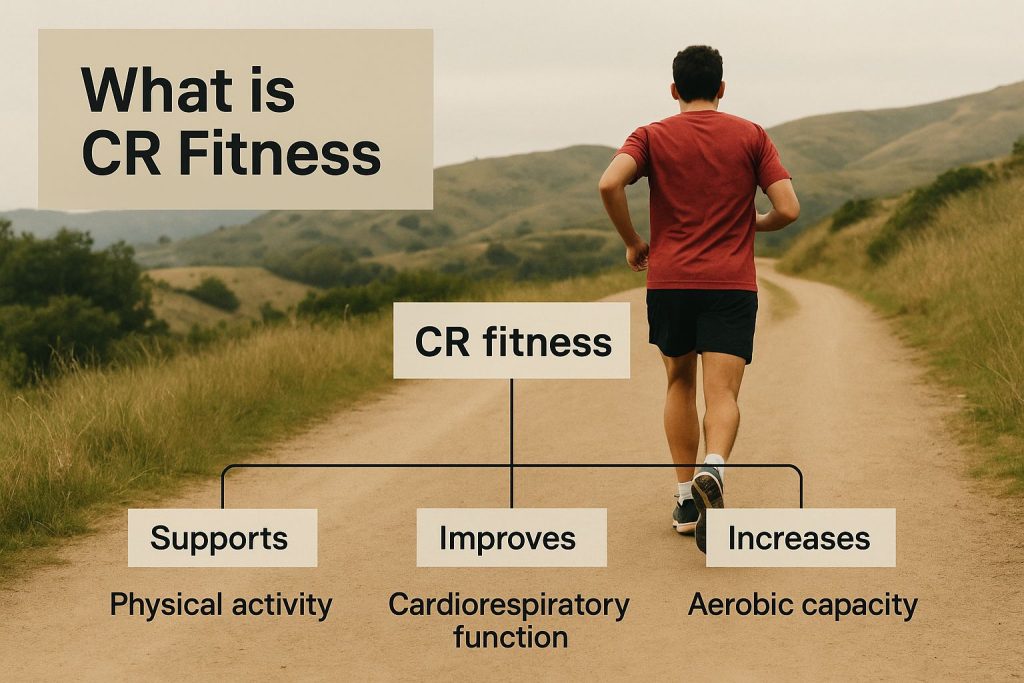
Are you looking to boost your cardio-respiratory endurance but don’t know where to start? You’re not alone.
Many people want to enhance their stamina and improve their heart and lung health. The good news is that with some simple strategies, you can significantly increase your endurance and feel more energized. Imagine climbing stairs without losing your breath or enjoying a long run without feeling exhausted.
These are just a few benefits you’ll experience. You’ll discover practical tips and expert advice on how to elevate your cardio-respiratory endurance. Ready to unlock a healthier, more vibrant you? Keep reading to find out how!

Credit: essentrics.com
Benefits Of Cardio-respiratory Endurance
Enhancing cardio-respiratory endurance boosts heart health and lung capacity. Regular aerobic exercises like jogging or swimming improve stamina. Increased endurance leads to better overall fitness and energy levels.
Cardio-respiratory endurance is more than just a fitness buzzword. It’s a crucial component of your overall health and well-being. Imagine being able to climb a flight of stairs without gasping for breath or enjoying a brisk walk with friends without feeling fatigued. These are just a few of the benefits that improving your cardio-respiratory endurance can bring into your life. So, what exactly can you gain from enhancing this aspect of your fitness? Let’s dive into the benefits that might surprise you and motivate you to take action.Improved Heart Health
Strengthening your cardio-respiratory endurance has a direct impact on your heart health. As you engage in regular aerobic activities, your heart becomes more efficient at pumping blood. This means it can deliver oxygen to your muscles with less effort. Over time, your resting heart rate decreases, and your risk of heart disease reduces. Imagine the peace of mind knowing your heart is working optimally, allowing you to enjoy life to the fullest.Enhanced Lung Capacity
When your cardio-respiratory endurance improves, your lungs become more capable of taking in oxygen. This means more oxygen reaches your bloodstream, fueling your body more effectively. Activities like running, swimming, or cycling gradually expand your lung capacity. Have you ever noticed how athletes seem to have endless energy? Their enhanced lung capacity is a big reason why.Better Stress Management
Exercise, particularly aerobic exercise, is a powerful stress reliever. When you improve your cardio-respiratory endurance, your body releases endorphins, the feel-good hormones. These can help you manage stress better and improve your mood. Picture yourself navigating life’s challenges with a calmer mindset, thanks to the natural stress-busting benefits of regular cardio.Increased Energy Levels
Boosting your cardio-respiratory endurance leads to increased energy levels throughout the day. The enhanced efficiency in oxygen delivery allows your muscles to work more effectively. As a result, you feel less tired and more alert. Have you ever wondered why those who exercise regularly seem to have more energy? It’s not magic; it’s improved endurance.Weight Management
Regular cardio activities help in burning calories, which is crucial for weight management. Improved endurance allows you to engage in longer sessions of exercise, leading to more calories burned. Imagine fitting into your favorite clothes and feeling confident in your skin. Improved cardio-respiratory endurance is a step in the right direction for achieving your weight goals.Improved Mental Clarity
Cardio-respiratory activities aren’t just good for your body; they benefit your mind too. Engaging in regular exercise improves blood flow to the brain, boosting cognitive functions. Ever find yourself struggling with focus or memory? Enhancing your endurance might be the answer to clearer thinking and better problem-solving skills. Consider how these benefits can transform your daily life. What small changes can you make to start improving your cardio-respiratory endurance today? Remember, the journey to better health is a series of small, consistent steps. What will your first step be?Assessing Your Current Endurance Level
Assessing your endurance level helps identify areas for improvement. Regular exercise and a balanced diet can boost cardio-respiratory endurance. This builds a stronger heart and lungs, enhancing overall fitness.
Assessing your current endurance level is the first step in boosting your cardio-respiratory fitness. Understanding where you stand gives you the power to set realistic goals and track your progress. Knowing your baseline can help you tweak your training program for optimum results.Understanding Baseline Measurements
To kick things off, consider a simple walking or running test. Measure how far you can walk or run in a set time, or how long you can sustain a steady pace. This can be a great benchmark for your current endurance level.Tracking Your Resting Heart Rate
Your resting heart rate is a key indicator of your cardiovascular health. Check your pulse first thing in the morning. A lower resting heart rate generally means better cardiovascular fitness.Using Fitness Apps And Trackers
Leverage technology to your advantage. Apps and fitness trackers can monitor your heart rate and activity levels. They provide valuable data that can help you see trends over time.Conducting A Simple Step Test
Try a step test using a sturdy platform. Step up and down for a set period, then measure your heart rate recovery time. Faster recovery times often reflect better cardio-respiratory endurance.Recording Your Progress
Keep a dedicated journal or log. Record your test results, heart rate, and any other relevant details. Consistently tracking these metrics can motivate you and highlight improvements.Setting Smart Goals
Once you have your baseline, set Specific, Measurable, Achievable, Relevant, and Time-bound goals. Clear objectives can guide your training and keep you motivated. What are your endurance goals? Assessing your current endurance level isn’t just about numbers. It’s about understanding your body and setting the stage for improvement. Are you ready to take the next step towards a healthier you?Effective Cardio Exercises
Effective cardio exercises boost your heart and lung capacity. They enhance endurance and improve overall health. These activities can be done indoors or outdoors, offering flexibility and variety. They cater to different fitness levels, making them accessible for everyone.
Running And Jogging
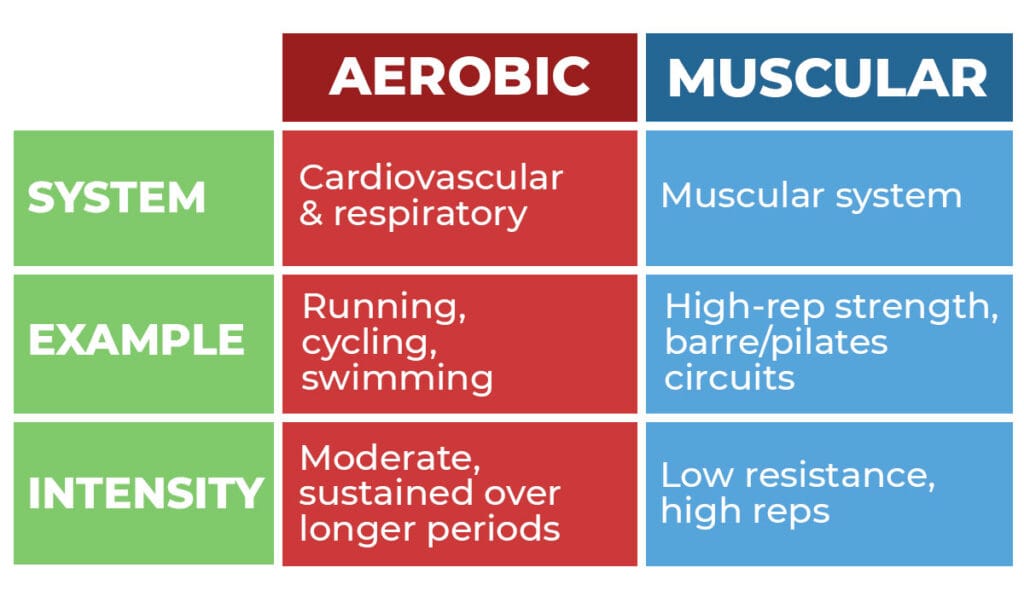
Running and jogging are excellent for cardio-respiratory health. They improve heart function and lung capacity. Start with a slow pace and gradually increase speed. This keeps the exercise challenging yet manageable. You can run on a treadmill or outdoors. Both provide great cardio benefits.
Cycling
Cycling strengthens your heart and lungs. It is a low-impact exercise, ideal for joint health. Ride a stationary bike or cycle outside. Adjust the resistance to increase intensity. Cycling is suitable for all fitness levels and promotes endurance.
Swimming
Swimming works your entire body. It boosts heart rate while minimizing strain on joints. Swim laps or try water aerobics for variety. This exercise enhances lung capacity and increases stamina. Swimming is refreshing and effective for cardio-respiratory endurance.
Rowing
Rowing engages multiple muscle groups. It enhances cardiovascular health and builds endurance. Use a rowing machine or row on water. Focus on technique to maximize benefits. Rowing challenges your heart and lungs, making them stronger.
Credit: www.nourishmovelove.com
Incorporating Interval Training
Interval training boosts cardio-respiratory endurance by alternating between intense and moderate exercises. This method enhances heart and lung efficiency. Regular practice leads to improved stamina and overall fitness.
Incorporating interval training into your routine is a game-changer for boosting your cardio-respiratory endurance. This method involves alternating between periods of high intensity and lower intensity, pushing your heart and lungs to adapt and improve. You might find the idea daunting, but once you start seeing the results, the challenge becomes worth it.High-intensity Interval Training (hiit)
High-Intensity Interval Training (HIIT) is a popular method that can dramatically elevate your endurance levels. It involves short bursts of intense exercise followed by brief recovery periods. Picture sprinting for 30 seconds, then walking for a minute. This approach not only enhances your cardio-respiratory fitness but also efficiently burns calories. HIIT sessions are typically shorter, around 20 to 30 minutes, making them perfect for a busy schedule. They can include various exercises like running, cycling, or even bodyweight movements like burpees. The key is to push yourself during the high-intensity phase to maximize benefits.Pacing And Rest Periods
Balancing the pace and rest periods is crucial for effective interval training. You should aim for a pace that challenges you but is sustainable for the entire workout session. This ensures your body adapts and improves over time. Rest periods don’t mean stopping completely; it’s about lowering the intensity to recover. Listen to your body and adjust the rest intervals according to your fitness level. As your endurance improves, you can decrease rest time or increase intensity, continually challenging your limits. Are you giving yourself enough time to recover, or could shortening your rest periods be the next step in your training? Finding the right balance is essential for sustained progress.Strength Training For Endurance
Boost cardio-respiratory endurance with strength training. It enhances muscle efficiency, supporting longer and more intense aerobic sessions. Balanced workouts improve stamina and heart health.
Strength Training for Endurance Strength training can boost your cardio-respiratory endurance. It helps muscles work longer without tiring. This type of training is not just for building muscles. It enhances your heart and lung capacity, too. When you add strength exercises, you make the body more efficient. You can perform activities longer and with more energy.Resistance Exercises
Resistance exercises build muscle strength. They use weights, bands, or body weight. These exercises improve endurance by making muscles stronger. Squats, lunges, and push-ups are great examples. Start with lighter weights and increase over time. Aim for more repetitions to build stamina. This helps your heart and lungs work better.Core Stability
Core stability is crucial for endurance. It involves strengthening your abdomen and back muscles. These muscles support your body during movement. Planks and bridges are excellent core exercises. They improve balance and coordination. A strong core helps you breathe better during physical activity. Improved breathing boosts cardio-respiratory endurance significantly.Importance Of Consistency
Consistency is the cornerstone of building cardio-respiratory endurance. Without it, any effort you make will likely not yield the long-term benefits you’re aiming for. Think about how often you start something only to drop it after a few days. When it comes to improving your endurance, maintaining a regular routine is crucial for progress.
Importance Of Setting A Routine
Establishing a routine helps you stay on track. Set specific days and times for your workouts. Make it as non-negotiable as your job or school. This commitment will help you see improvements over time.
Tracking Your Progress
Keep a journal or use an app to track your workouts and improvements. Seeing how far you’ve come can motivate you to keep pushing. Remember, small wins add up over time.
Adapting To Challenges
Life throws curveballs, and your fitness routine might take a hit. Adapt by adjusting your schedule or workout intensity. Consistency doesn’t mean perfection. It’s about showing up more often than not.
Making It Enjoyable
Choose activities you enjoy, whether it’s cycling, swimming, or jogging. If you dread your workouts, consistency will suffer. Find joy in the process, and you’ll be more likely to stick with it.
Accountability Partners
Share your goals with a friend or join a workout group. Accountability can enhance consistency. You’ll be less likely to skip a workout if someone is counting on you to be there.
Consistency isn’t just about showing up; it’s about making each session count. Are you ready to commit to a routine that can transform your endurance levels? Your future self will thank you.
Nutrition And Hydration
Boosting your cardio-respiratory endurance isn’t just about rigorous training. Nutrition and hydration play a crucial role in enhancing performance and stamina. What you eat and drink can power your workouts and support recovery, helping you push your limits and achieve your fitness goals.
Balanced Diet
A balanced diet provides the fuel your body needs for endurance activities. Focus on whole foods like fruits, vegetables, lean proteins, and whole grains. These foods offer essential vitamins and minerals, giving you sustained energy.
Consider the timing of your meals to optimize performance. Eating a small, balanced meal about 3-4 hours before exercising can provide the energy needed for your workout. Including a mix of carbohydrates, proteins, and fats ensures that your body has what it needs to perform at its best.
Electrolyte Balance
Electrolytes are crucial for maintaining fluid balance and muscle function. During intense workouts, you lose electrolytes through sweat. Replenishing them is essential to prevent cramps and fatigue.
Think about incorporating electrolyte-rich drinks or foods into your routine, especially in hot weather or during long exercise sessions. Drinks like coconut water or sports drinks can be effective. You could also try foods like bananas, which are high in potassium, to keep your electrolyte levels in check.
How often do you think about the role of nutrition in your workouts? Small changes in your diet and hydration habits can lead to significant improvements in your cardio-respiratory endurance. Keeping your body well-nourished and hydrated ensures you can go the extra mile—literally and figuratively.
Rest And Recovery Strategies
Increasing cardio-respiratory endurance involves strategic rest and recovery. Incorporate balanced workouts with adequate hydration and nutrition. Regular sleep and stress management enhance endurance, promoting overall health and performance.
Rest and Recovery Strategies Boosting your cardio-respiratory endurance isn’t just about pushing your limits during workouts. It’s equally important to focus on how you rest and recover. Quality rest can enhance performance, prevent injuries, and keep you motivated. Do you often overlook the importance of recovery? It might be time to rethink your strategy.Sleep Patterns
Sleep is your body’s natural recovery mechanism. Establishing a consistent sleep schedule can significantly impact your endurance. Aim for 7-9 hours of quality sleep each night. Create a calming bedtime routine. This could involve reading a book, meditating, or stretching. Avoid screens at least an hour before bed to enhance sleep quality.Active Recovery
Active recovery days are crucial for maintaining endurance. These are days where you engage in low-intensity activities. Think of activities like walking, yoga, or swimming. Active recovery helps reduce muscle soreness and keeps your body moving without overexertion. On these days, listen to your body and keep activities enjoyable. Have you tried incorporating active recovery into your routine yet? It might be the missing piece in your endurance puzzle.Tracking Progress
Enhance your cardio-respiratory endurance by incorporating regular aerobic exercises like jogging, swimming, or cycling into your routine. Gradually increase the duration and intensity to build stamina. Tracking progress helps you stay motivated and see improvements over time.
Tracking your progress in improving cardio-respiratory endurance is essential for maintaining motivation and achieving your fitness goals. It allows you to see tangible results and adjust your methods when necessary. Regularly assessing your progress can also help you identify what works best for you and keep you accountable.Setting Goals
Begin by setting clear, achievable goals. Determine what you want to accomplish and by when. Goals should be specific, such as running a mile in under eight minutes or increasing your biking distance by 10%. Write down your goals and revisit them regularly. This keeps your objectives front and center, helping you stay focused and motivated. Do your goals excite you? They should ignite passion and determination, propelling you forward.Monitoring Improvements
Use a fitness app or journal to log workouts and track progress. This can include the duration of your workouts, distance covered, and how you felt during the exercise. Regularly compare your current performance with past records. Celebrate improvements, no matter how small. Are there areas where you’re not seeing progress? It might be time to adjust your routine or seek advice from a fitness professional. Embrace the process and enjoy the journey. Tracking progress isn’t just about reaching a destination; it’s about appreciating how far you’ve come.
Credit: www.tiktok.com
Frequently Asked Questions
What Exercises Boost Cardio-respiratory Endurance?
Aerobic exercises like jogging, cycling, and swimming effectively improve cardio-respiratory endurance. These activities increase heart rate and lung capacity, enhancing stamina. Consistent practice helps the body utilize oxygen more efficiently, supporting overall cardiovascular health and endurance levels.
How Often Should I Train For Endurance?
Training three to five times a week is ideal for building endurance. Consistent practice ensures gradual improvement without overstraining the body. Incorporate rest days to allow muscle recovery, aiding in long-term endurance development and preventing injury.
Can Diet Affect Cardio-respiratory Endurance?
Yes, diet significantly impacts endurance. Consuming balanced meals with carbohydrates, proteins, and healthy fats fuels workouts. Hydration is crucial for maintaining energy levels. Nutrients like iron and vitamins help with oxygen transportation and energy production, supporting endurance.
Are Warm-up Exercises Necessary For Endurance?
Warm-up exercises are essential for preparing muscles and preventing injuries. They increase blood flow and flexibility, enhancing performance. A proper warm-up leads to improved endurance during workouts, making your sessions more effective and sustainable.
Conclusion
Boosting your cardio-respiratory endurance takes effort and consistency. Start with small steps. Gradually increase your workout intensity over time. Mix activities like running, swimming, or cycling. This variety keeps workouts engaging. Always remember to listen to your body. Rest is crucial for recovery and growth.
Stay hydrated and maintain a balanced diet. These support your endurance goals. Track your progress to stay motivated. Celebrate each milestone achieved. With dedication, improved endurance is within reach. Stay committed, and enjoy the journey to better health.