
Imagine a world where every child in your early childhood program explores, learns, and grows without the shadow of injuries. Sounds perfect, right?
As someone who cares deeply about the safety and well-being of children, you know how crucial it is to create a secure environment where little ones can thrive. But the real question is, how can you make this a reality?
How can you ensure that your program not only nurtures young minds but also protects their precious bodies? The answers lie in simple, effective strategies that you can implement right away. Read on to discover how you can transform your early childhood program into a safe haven for all its curious, energetic participants.
Importance Of Safety In Early Childhood
Creating a safe environment in early childhood programs is crucial. Regularly inspect play areas and remove hazards. Implement safety protocols, like supervised play, to prevent injuries. Teach children about safety rules in simple terms. This proactive approach ensures their well-being and fosters a secure learning atmosphere.
Safety in early childhood programs is paramount. Every parent wants their child to thrive in a secure environment, where exploration and learning go hand-in-hand without fear. Imagine dropping off your child at an early childhood center, confident that they are safe and protected. This sense of assurance is not just a wish—it’s a necessity.Understanding The Risks
Young children are naturally curious, often unaware of potential dangers. This curiosity can lead to accidents if proper safety measures are not in place. Recognizing common risks such as sharp objects, choking hazards, and unguarded staircases can help you take proactive steps to prevent injuries.Creating Safe Spaces
Ensuring safety starts with the physical environment. Think about how furniture is arranged; is it sturdy and child-friendly? Are electrical outlets covered? Soft floor mats can cushion falls, while secure gates can prevent wandering into unsafe areas. An organized space reduces risks significantly.Importance Of Supervision
Effective supervision is more than just watching over children—it’s about engaging with them. Are caregivers attentive and responsive? Do they anticipate potential hazards during activities? Active supervision helps prevent accidents before they occur, creating a safe and dynamic learning atmosphere.Training And Education
Regular safety training for staff is crucial. Are they equipped to handle emergencies? Can they administer first aid if needed? Educating staff ensures that safety protocols are followed consistently, making the environment safer for everyone involved.Encouraging Safe Play
Safe play is essential for development. Are toys age-appropriate and free from small parts that could pose choking risks? Encouraging play in designated areas can minimize accidents. A safe play environment allows children to learn risk management while having fun.Involving Parents And Guardians
Safety is a collaborative effort. How can parents contribute to creating a safe environment? Regular communication with caregivers about safety concerns can lead to effective solutions. Involving parents fosters a community dedicated to child safety. Safety in early childhood is not just about preventing injuries; it’s about ensuring peace of mind for everyone involved. By prioritizing these aspects, you can create a nurturing environment where children flourish safely. What steps are you taking to enhance safety in your child’s early learning experiences?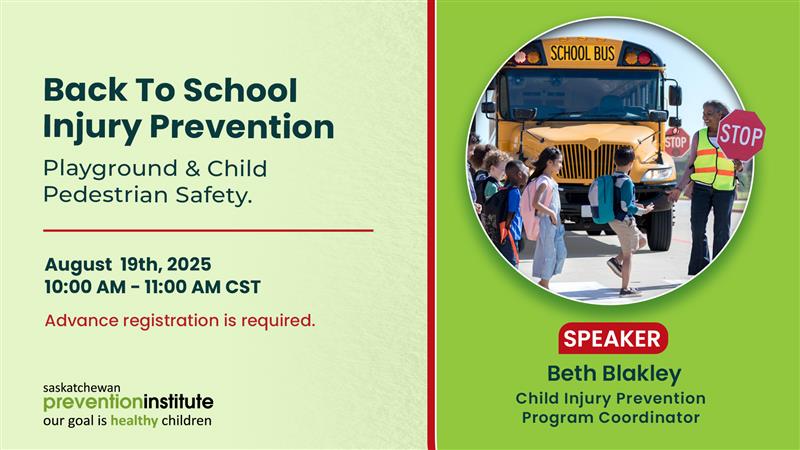
Credit: skprevention.ca
Common Causes Of Injuries
Understanding the common causes of injuries in early childhood programs is crucial. It helps caregivers create a safer environment for young children. By recognizing these causes, we can take proactive steps to minimize risks. Let’s explore some frequent causes of injuries in these settings.
Falls And Trips
Falls and trips are the leading causes of injuries in children. Kids are naturally curious and energetic. They often run, jump, and climb. Loose rugs, uneven floors, or cluttered play areas increase the risk. Regular inspections and maintenance can help prevent these accidents. Secure rugs and clear pathways to ensure safety.
Choking Hazards
Choking is a significant risk for young children. They tend to put objects in their mouths. Small toys, marbles, and beads are common hazards. Foods like nuts and hard candies also pose risks. Caregivers should supervise mealtimes and play sessions. Ensure toys and objects are age-appropriate and safe.
Playground Accidents
Playgrounds are fun but can be dangerous. Falls from equipment like slides or swings are common. Poorly maintained equipment increases injury risks. Ensure playgrounds have soft surfaces like mulch or sand. Regularly inspect and maintain equipment to ensure safety. Supervision is crucial to prevent accidents during playtime.
Creating A Safe Environment
Ensure safe play by using soft mats and age-appropriate equipment. Regular checks for hazards prevent accidents.
Creating a safe environment in an early childhood program is crucial for preventing injuries. It involves a comprehensive approach that includes childproofing spaces, selecting safe toys, and implementing effective supervision strategies. These elements work together to ensure that children can explore and learn without unnecessary risks. The goal is not just to prevent accidents but to create a space where children feel secure and parents feel confident about their child’s safety.Childproofing Spaces
Childproofing is the first line of defense in creating a safe environment for young children. Secure all furniture to the walls to prevent tipping. Ensure that electrical outlets are covered and that cords are out of reach. Consider the height of shelves and the accessibility of items that could pose a risk. Use safety gates to block off areas that are not child-friendly. Regularly inspect the environment for potential hazards, such as loose floorboards or sharp corners.Safe Toy Selection
Choosing the right toys is essential in preventing injuries. Ensure toys are age-appropriate and free from small parts that could be choking hazards. Check for any sharp edges or loose parts. Opt for toys made from non-toxic materials. Regularly inspect toys for wear and tear to prevent accidents. Encourage parents to participate in toy safety checks to maintain a consistent standard.Supervision Strategies
Effective supervision is key to preventing accidents and injuries. Always maintain an appropriate child-to-adult ratio to ensure each child receives adequate attention. Stay within arm’s reach of young children, especially during playtime. Develop a system for monitoring children across different areas. Use walkie-talkies or baby monitors to communicate with other staff members. Encourage children to communicate their needs or any issues they encounter while playing. Implementing these strategies can significantly reduce the risk of injuries, creating a safe and nurturing environment for children to thrive. How do you ensure safety in your early childhood program?
Credit: www.facebook.com
Training Staff For Safety
Training staff effectively ensures children’s safety in early childhood programs. Prioritize clear communication and regular safety drills. Equip staff with knowledge on hazard identification and emergency response.
Training staff for safety is crucial in early childhood programs. Well-trained staff can greatly reduce the risk of injuries. They are better prepared to handle unexpected situations. Training ensures they understand safety protocols and respond quickly.First Aid And Cpr Certification
Staff must have current First Aid and CPR certifications. This prepares them to handle medical emergencies. Quick response can prevent minor injuries from becoming serious. Certification courses teach essential skills. They cover wound care, choking, and CPR techniques.Emergency Preparedness
Every program needs an emergency plan. Staff should know these plans by heart. Regular drills ensure everyone is prepared. Drills should cover fire, earthquake, and lockdown scenarios. Practice builds confidence and ensures calm during real events.Ongoing Safety Education
Safety training should be continuous. Regular workshops keep staff updated. New safety guidelines and strategies emerge often. Workshops can cover playground safety, equipment checks, and risk assessment. Keeping staff informed helps maintain a safe environment. Effective training is key to preventing injuries. It empowers staff to act swiftly and correctly.Engaging Parents In Safety Measures
Parents play a crucial role in ensuring safety in early childhood programs. Collaborating with them helps prevent injuries effectively. Sharing guidelines and strategies creates a safer environment for children.
Engaging parents in safety measures is crucial for preventing injuries in early childhood programs. This collaboration not only ensures a safer environment for children but also empowers parents to be active participants in their child’s well-being. When parents understand safety protocols and feel included, they are more likely to support and reinforce these measures at home. Let’s explore how effective communication and resource sharing can enhance this partnership.Communication With Parents
Open and honest communication with parents is the foundation of effective safety measures. Regular updates about safety policies and practices can be shared through newsletters, emails, or dedicated social media groups.
Consider setting up a communication board in the classroom where parents can easily access important information. This transparency helps build trust and ensures parents are informed about any changes or new safety initiatives.
Have you ever received feedback from parents that led to improved safety measures? Listening to parent concerns can lead to valuable insights and collaborative solutions.
Safety Workshops And Resources
Organizing safety workshops can be an engaging way to involve parents. These events offer hands-on training and practical advice on topics such as childproofing at home and emergency preparedness.
Distributing resources like pamphlets and online guides can provide parents with tools to continue these practices outside the program. A library of safety resources can be an invaluable asset for parents seeking guidance.
What if every parent walked away from a workshop with actionable steps to enhance safety at home? Imagine the collective impact this could have on your program’s overall safety culture.
By actively involving parents in safety measures, you create a community that prioritizes the well-being of every child. This partnership not only mitigates risks but also fosters a supportive environment where parents and educators work together towards a common goal.
Credit: www.youtube.com
Implementing Safety Policies
Implementing safety policies is key to preventing injuries in early childhood programs. Clear rules and regular safety checks help create a secure environment. Training staff on emergency procedures ensures quick response to accidents, keeping children safe.
Implementing safety policies in an early childhood program is crucial for creating a secure environment where children can learn and grow. These policies act as a roadmap for staff and help ensure that everyone knows their role in maintaining safety. By having clear guidelines, you not only protect the children but also foster a sense of trust with parents and caregivers.Regular Safety Audits
Regular safety audits are essential to identify potential hazards and rectify them before they lead to injuries. Imagine walking into a classroom and noticing a loose carpet corner that could trip a running child. A routine audit would catch this and other issues, ensuring that your space remains hazard-free. Encourage staff to view audits as a proactive step rather than a chore. This mindset shift can transform safety checks into a collaborative effort. When everyone is invested, the program becomes safer and more efficient.Incident Reporting Procedures
Clear incident reporting procedures are vital for addressing and learning from safety lapses. If a child falls and scrapes their knee, a thorough report can prevent future incidents by highlighting contributing factors. Make reporting straightforward and non-punitive to encourage transparency. When staff members feel safe to report, you gain valuable insights into patterns and areas for improvement. Consider training sessions to familiarize everyone with the reporting process. This not only boosts confidence but also ensures consistency in handling incidents. By addressing these areas, you can create a robust framework that minimizes injuries and fosters a safe, nurturing environment for young children. What steps can you take today to enhance the safety of your program?Promoting Safe Play
Creating a safe environment for young children reduces injuries in early childhood programs. Regular safety checks and training for staff help maintain a secure space. Educating children on safe play practices fosters awareness and caution during activities.
Promoting safe play in early childhood programs is crucial for preventing injuries and ensuring that children have a joyful and secure learning environment. As educators and caregivers, you have the responsibility to create a space where children can explore and learn without unnecessary risks. Understanding the balance between freedom and safety can be challenging, but with some thoughtful planning, it’s achievable.Age-appropriate Activities
Selecting activities that match the developmental stage of children is essential. Younger children benefit from simple games that do not require fine motor skills or complex instructions. Consider using building blocks, which are great for toddlers as they encourage creativity and are safe to handle. Older children, on the other hand, might enjoy more structured activities like simple board games or supervised craft projects. These activities require more concentration and coordination, which are suitable for their age and development level. Always ensure that materials used are non-toxic and free from small parts to prevent choking hazards.Structured Play Guidelines
Creating guidelines for structured play can significantly reduce the risk of injuries. Establish clear rules for how toys and equipment should be used. For instance, explain why running inside may not be safe and guide them towards safer outlets for their energy. Supervision plays a key role in structured play. Always have an adult present to oversee activities and step in if necessary. This not only ensures safety but also helps in guiding children to make better choices during playtime. Encourage children to express themselves if they feel uncomfortable or unsafe during any activity. This open line of communication can prevent minor issues from becoming serious and teaches children to be aware of their own safety. Engaging with children in play can also be an insightful experience for you. It offers a chance to observe their interactions and adjust guidelines as needed to enhance both safety and enjoyment. What steps will you take today to ensure a safer play environment?Evaluating Safety Measures
Ensuring safety in early childhood programs involves regular training for staff on injury prevention techniques. Childproofing play areas and using age-appropriate equipment reduce risks. Consistent supervision and clear safety policies further protect children from harm.
Evaluating safety measures in early childhood programs is crucial. Children’s well-being depends on safe environments. Regular evaluations help identify potential hazards. Staff must assess playgrounds, classrooms, and common areas. Inspections should be routine and thorough. Everyone must be vigilant about safety protocols. Collaboration among staff ensures comprehensive safety checks.Feedback And Improvement
Feedback from staff and parents is vital. It identifies gaps in safety measures. Encourage open discussions about concerns. Create suggestion boxes for anonymous inputs. Regular meetings can address urgent safety issues. Use feedback to adjust safety protocols. Improvements should be swift and effective. Prioritize suggestions that enhance safety.Tracking Safety Metrics
Tracking safety metrics is essential. Record incidents and near misses. Analyze data for patterns and trends. Use metrics to improve safety strategies. Implement software for efficient tracking. Regular reports keep everyone informed. Metrics highlight areas needing more attention. Ensure transparency in sharing safety data.Frequently Asked Questions
How To Ensure Child Safety In Programs?
Ensuring child safety involves creating a secure environment. Implement safety protocols, regular inspections, and supervision. Educate staff on emergency procedures and first aid. Childproof areas and use age-appropriate equipment. Encourage open communication with parents about safety concerns. Continuous training and vigilance are essential to prevent injuries.
What Are Common Injuries In Early Childhood Programs?
Common injuries include falls, cuts, and bruises. These often result from playground accidents or tripping. Supervise children closely and ensure equipment is safe. Address hazards like sharp edges and slippery surfaces. Regularly check toys and furniture for wear and damage.
Encourage safe play practices to minimize risks.
Why Is Staff Training Crucial For Safety?
Staff training is vital for maintaining safety standards. Educated staff can identify and manage potential hazards effectively. Training includes first aid, emergency response, and child supervision techniques. Regular workshops keep skills up-to-date. Well-trained staff reduce the risk of accidents, ensuring a safer environment for children.
How To Childproof An Early Childhood Program?
Childproofing involves removing potential hazards from the environment. Secure furniture to walls and cover sharp edges. Use safety gates and outlet covers. Ensure toys are age-appropriate and non-toxic. Regularly inspect playground equipment. Implement strict cleanliness standards to prevent infections. Childproofing reduces the likelihood of injuries.
Conclusion
Preventing injuries in early childhood programs is crucial. A safe environment fosters growth. Regular safety checks help identify potential hazards. Staff training ensures quick responses to any incidents. Clear rules guide children’s actions and reduce risks. Supervision is key; watchful eyes can prevent mishaps.
Involve parents in safety discussions for better awareness. Safety equipment, like mats, cushions falls. Encourage safe play practices among children. All these steps contribute to a secure, nurturing space. Prioritizing safety supports healthy development and peace of mind for everyone involved.
Keep children safe, happy, and thriving in their learning journey.