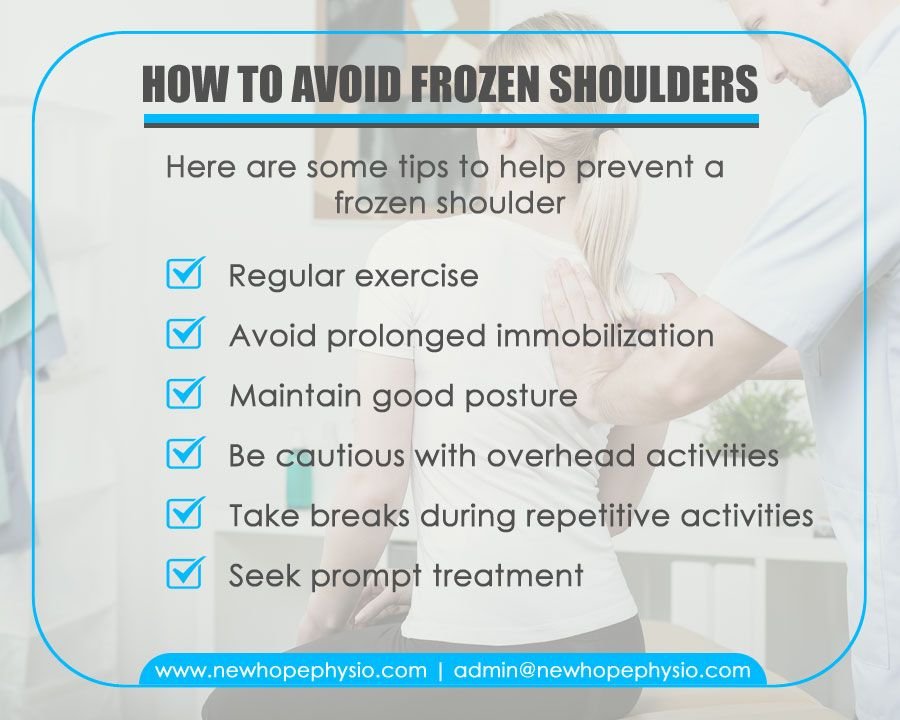
You’re about to discover how to protect one of the most vital parts of your body: your shoulders. Imagine effortlessly lifting, reaching, or throwing without that nagging pain or worry of an injury.
Whether you’re an athlete, a fitness enthusiast, or someone who just wants to avoid the discomfort of shoulder issues, understanding how to prevent these injuries is crucial. You’ll learn practical tips and strategies to keep your shoulders strong and injury-free.
Don’t let shoulder pain hold you back from doing what you love. Let’s dive into how you can safeguard your shoulders and maintain your active lifestyle.
Common Causes Of Shoulder Injuries
Understanding common causes of shoulder injuries helps in prevention. Overuse, poor posture, and accidents are frequent culprits. Strengthening shoulder muscles and practicing good posture are effective preventive measures.
Shoulder injuries are more common than you might think, and understanding what causes them is crucial to preventing them. While many people know that accidents can lead to injuries, few realize how everyday actions can put the shoulder at risk. The shoulder is a complex joint, and it’s essential to protect it from the frequent threats we encounter in daily life. Let’s delve into some of the common causes that can lead to shoulder injuries.Overuse And Repetitive Movements
Your shoulder is involved in almost every arm movement, making it susceptible to overuse. Think about the repetitive tasks you do daily, like typing or cooking. These activities can strain the shoulder over time. If you’re a painter or a mechanic, you’re even more at risk due to the repetitive lifting or reaching overhead. Consider taking regular breaks and stretching exercises to give your shoulders a much-needed rest. Ask yourself, are you giving your shoulders the downtime they deserve?Improper Lifting Techniques
Have you ever lifted a heavy object without thinking twice about your technique? Many shoulder injuries occur due to poor lifting habits. When you lift, the force should come from your legs and not your arms or shoulders. Visualize the scenario: you bend over to pick up a box, using your shoulder as the main force. Over time, this can lead to strains or even tears in the shoulder muscles. Practicing proper lifting techniques can save you from unnecessary pain. How often do you pay attention to your lifting habits?Sports-related Incidents
Athletes often push their bodies to the limit, and the shoulder frequently takes the brunt. Sports like tennis, swimming, or baseball demand a lot from this joint. A sudden twist or impact can lead to dislocation or even rotator cuff injuries. But it’s not just professional athletes who are at risk. Weekend warriors and casual players can also suffer from shoulder injuries. Ensuring proper warm-ups and cool-downs can significantly reduce this risk. Are you adequately preparing your body for the physical demands of your favorite sport? Understanding these common causes can empower you to make informed decisions. Whether you’re lifting a grocery bag or swinging a racket, think about your shoulder. Keeping it healthy can keep you active and pain-free.
Credit: www.youtube.com
Importance Of Shoulder Health
Your shoulders are essential for almost every activity you do. From lifting your groceries to playing your favorite sports, they play a pivotal role. Keeping them healthy isn’t just about avoiding pain; it’s about maintaining your lifestyle and independence.
Imagine reaching for a book on the top shelf and feeling a sharp pain. Or not being able to carry your child because your shoulder doesn’t cooperate. These scenarios highlight how crucial shoulder health is.
So, how can you ensure your shoulders stay in top shape? By understanding their importance and taking proactive steps to prevent injuries.
Impact On Daily Activities
Shoulder injuries can disrupt your daily routine, making simple tasks seem impossible. Ever tried cooking dinner with a sore shoulder? Even stirring a pot can become a challenge.
Think about how often you use your shoulders. Driving, typing, or even dressing can become difficult if your shoulders aren’t functioning well. The impact isn’t just physical; it can affect your mood and productivity too.
Paying attention to shoulder health can save you from these inconveniences. Regular stretches and exercises can be a game-changer, allowing you to maintain your active lifestyle.
Long-term Consequences Of Neglect
Ignoring shoulder health can lead to serious long-term issues. Chronic pain and reduced mobility might become your daily companions. This isn’t just about discomfort; it can lead to more severe conditions.
Neglecting shoulder health can also affect your future. Activities you love, like swimming or gardening, might become distant memories. Is that a risk you’re willing to take?
Consider investing time now to prevent future problems. Simple daily exercises and mindful movements can make a significant difference. After all, your shoulders are worth the effort.
Warm-up And Stretching Techniques
Shoulder injuries can be a real pain, literally and figuratively. They often result from a lack of proper preparation before physical activity. Warm-up and stretching techniques are crucial in preventing these injuries. They prepare the muscles, joints, and tendons for the exertion ahead. With the right exercises, you can enhance flexibility and strength, reducing the risk of shoulder injuries.
Dynamic Warm-up Exercises
Dynamic warm-ups are active movements that increase blood flow and muscle temperature. They prepare the body for more intense activity.
- Arm Circles: Stand straight, extend your arms, and make small circles. Gradually increase the size of the circles.
- Shoulder Rolls: Roll your shoulders forward and backward. It loosens the shoulder muscles.
- Cross-Body Arm Swings: Swing each arm across your body. This boosts flexibility and range of motion.
Effective Stretching Routines
Stretching helps maintain flexibility. It also prevents stiffness, which can lead to injuries.
- Overhead Reach: Extend your arms above your head. Hold the stretch for several seconds.
- Chest Stretch: Place your hands behind your back. Push your chest forward to stretch the shoulder muscles.
- Wall Stretch: Stand facing a wall. Place your palms against it and lean forward.
Incorporate these techniques into your routine. They are simple yet effective. They can make a significant difference in shoulder health.

Credit: www.facebook.com
Strengthening Exercises
Strengthening exercises can help prevent shoulder injuries by improving muscle stability and flexibility. Targeting muscles around the shoulder joints enhances support and reduces strain during activities. Regularly practicing these exercises builds resilience, minimizing the risk of injury.
Strengthening exercises are vital for preventing shoulder injuries. They build muscle around the shoulder, enhancing stability and reducing stress. A consistent exercise routine can boost flexibility and strength. This section explores two effective methods: resistance band workouts and bodyweight exercises for shoulder stability.Resistance Band Workouts
Resistance bands are versatile and effective. They provide adjustable tension, which is great for all fitness levels. Use them to perform exercises like shoulder presses and lateral raises. These moves target the deltoid muscles, improving strength. Another effective exercise is the band pull-apart. This targets the rotator cuff and upper back muscles. Always maintain proper form to avoid strain and maximize benefits.Bodyweight Exercises For Shoulder Stability
Bodyweight exercises are excellent for building stability. They require no equipment, making them accessible. A popular exercise is the plank shoulder tap. It engages the core while stabilizing the shoulder. Another simple exercise is the push-up. It strengthens the chest and shoulder muscles. For variation, try wall slides. These improve shoulder mobility and posture. Focus on controlled movements and steady breathing during each exercise. This enhances effectiveness and safety.Proper Posture And Ergonomics
Maintaining proper posture and ergonomics can significantly reduce the risk of shoulder injuries. Adjusting workspace height and keeping elbows close to the body helps minimize strain. Regular breaks and stretching exercises also contribute to shoulder health.
Proper posture and ergonomics are crucial for preventing shoulder injuries. Many people overlook their daily habits, which can lead to discomfort or even pain. Maintaining a good posture supports shoulder health and reduces strain. Ergonomics, the science of arranging workspaces to fit the user, plays a significant role. It helps create an environment that minimizes stress on the body.Desk And Chair Adjustments
Adjust your desk and chair to support your posture. Ensure your chair provides adequate back support. Keep your feet flat on the floor. Your desk should be at a comfortable height. Your elbows should be at a 90-degree angle when typing. Position your monitor at eye level to avoid neck strain. This setup reduces pressure on your shoulders.Correct Sleeping Positions
Sleeping position affects shoulder health. Avoid sleeping on your stomach, as it can strain your shoulders. Try lying on your back with a pillow under your knees. Use a supportive pillow for your neck. If you prefer sleeping on your side, use a pillow between your knees. This keeps your spine aligned. Proper sleeping positions prevent unnecessary pressure on shoulders.
Credit: www.safetyandhealthmagazine.com
Avoiding Overuse
Overuse is a common cause of shoulder injuries. Repeated motions strain the shoulder muscles. Understanding how to avoid overuse is crucial. This helps maintain shoulder health and prevent injuries.
Identifying Signs Of Fatigue
Recognizing fatigue is vital for prevention. Signs include soreness, stiffness, or weakness. Pay attention to these signals. They indicate your shoulder needs rest. Ignoring them can lead to serious injuries.
Rest And Recovery Strategies
Rest is essential for healing. Allow your shoulders time to recover. Use ice packs to reduce swelling. Gentle stretching aids recovery. Incorporate these strategies into your routine.
- Schedule regular breaks during activities.
- Alternate tasks to avoid repetitive strain.
- Use proper techniques to minimize stress.
Consistent rest and recovery protect your shoulders. Prioritize these strategies to maintain shoulder health.
Protective Gear And Equipment
Shoulder injuries can be painful and limit your activities. Protective gear and equipment play a crucial role in preventing these injuries. By investing in the right protective measures, you can safeguard your shoulders. This section covers important aspects of choosing the right gear and the use of supportive braces.
Choosing The Right Gear For Sports
Selecting appropriate gear is vital for shoulder safety in sports. Every sport has specific equipment designed for protection. For example, shoulder pads are essential in contact sports like football and hockey. These pads absorb impact and reduce injury risk. Make sure the gear fits well. Ill-fitting gear can cause more harm than good.
Consider the material of the gear. Durable materials provide better protection. Lightweight materials offer comfort without compromising safety. Check for certifications on gear. Certified equipment meets safety standards. This ensures you get reliable protection.
Use Of Supportive Braces
Supportive braces provide stability to the shoulder joint. They are crucial for people with previous shoulder injuries. Braces limit excessive movement, reducing re-injury risk. They are also useful during recovery from a shoulder injury.
Choose a brace that fits your needs. Some braces offer compression to reduce swelling. Others provide support during physical activities. Ensure the brace is adjustable. This allows for a snug fit, enhancing support. Consult with a healthcare provider for the best brace for your condition. Proper guidance ensures effective use of braces.
Seeking Professional Guidance
Consulting a professional helps in understanding proper techniques to prevent shoulder injuries. They offer tailored exercises and advice for safe movement. Regular check-ins ensure progress and adjustments to strengthen and protect shoulders effectively.
Seeking professional guidance is crucial for preventing shoulder injuries. Expert advice ensures you follow the right path. Professionals can identify your unique needs and tailor solutions.Consulting Physical Therapists
Physical therapists specialize in body movement. They help improve shoulder strength and flexibility. They create personalized exercise plans. These plans target weak areas. Regular sessions can prevent injuries. Therapists monitor progress and adjust routines. Consistent therapy builds resilience. It reduces the risk of future injuries.When To Visit A Specialist
Certain signs indicate a specialist is needed. Persistent pain is one such sign. Limited shoulder movement is another. Swelling or redness should be checked. Specialists offer advanced diagnostics. They identify underlying issues. Early intervention prevents complications. Experts provide effective treatments. Their guidance aids recovery and prevention.Frequently Asked Questions
What Exercises Help Prevent Shoulder Injuries?
Exercises like shoulder rotations, wall angels, and resistance band workouts can strengthen shoulder muscles. Stretching regularly improves flexibility and reduces the risk of injuries. Consult a physical therapist for personalized exercise routines tailored to your specific needs and fitness level.
How Important Is Posture In Preventing Shoulder Injuries?
Maintaining proper posture is crucial to preventing shoulder injuries. Poor posture strains shoulder muscles, increasing injury risk. Regularly check your posture, especially when sitting or using electronic devices. Strengthening core muscles can also help support proper alignment and reduce shoulder strain.
Can Warm-up Routines Prevent Shoulder Injuries?
Yes, warm-up routines are essential for preventing shoulder injuries. They prepare muscles for physical activity, increasing blood flow and flexibility. Incorporate dynamic stretches and gentle movements to activate shoulder muscles effectively. Always start with a warm-up before engaging in intense exercises or sports.
How Does Ergonomic Equipment Aid In Shoulder Injury Prevention?
Ergonomic equipment, like chairs and keyboards, supports proper posture and reduces shoulder strain. Use adjustable chairs and desks to maintain a comfortable position. Ensure your computer screen is at eye level. This minimizes repetitive strain and helps prevent shoulder discomfort and injuries.
Conclusion
Taking care of your shoulders is important. Simple steps can prevent injuries. Warm up before activities. Stretch regularly to keep muscles flexible. Practice good posture. It helps in daily tasks and sports. Use proper techniques when lifting or exercising. Avoid overuse by taking breaks.
Listen to your body. Rest when needed. Seek medical advice if pain persists. Consistent care can keep shoulders strong. Protect your shoulders now. Enjoy an active, pain-free life. Healthy shoulders mean more fun and freedom. Stay active, stay healthy. Your shoulders will thank you!