Imagine waking up one morning to find that the simple act of typing an email or lifting a coffee mug sends a sharp pain shooting through your wrist. Repetitive Strain Injury (RSI) can sneak up on anyone who spends long hours in front of a computer or performing repetitive tasks.
But here’s the good news: you can take charge and prevent this discomfort before it becomes a daily struggle. You’ll discover practical tips and strategies to protect your muscles and joints from the strain of repetitive motions. By understanding how small changes in your routine can make a big difference, you’ll be empowered to maintain your productivity and comfort.
Curious about how you can safeguard your health? Keep reading to find out how easy it is to keep RSI at bay and ensure that your daily activities remain pain-free.
Credit: www.ccohs.ca
Understanding Repetitive Strain Injury
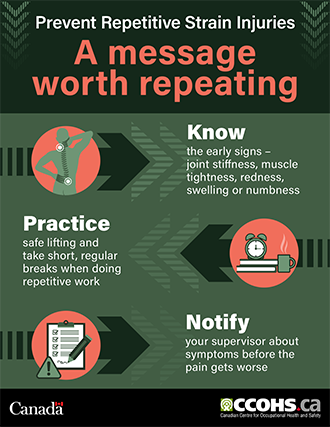
Repetitive Strain Injury (RSI) affects many individuals. It occurs due to repetitive actions. Understanding RSI can help in preventing it. Awareness of causes and symptoms is key. This ensures early detection and prevention. Let’s explore RSI further.
Common Causes
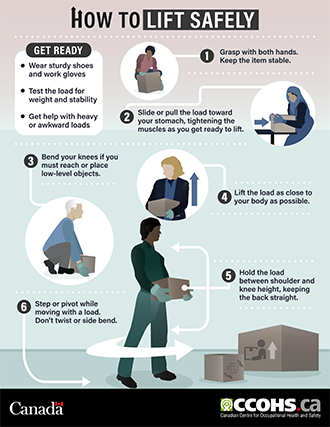
RSI often arises from repetitive tasks. Typing for long periods is a common cause. Poor posture can also contribute. Using computers without breaks increases risk. Some sports, like tennis, may lead to RSI. Heavy lifting without proper techniques is risky. Understanding these causes helps in prevention.
Symptoms To Watch For
RSI symptoms vary but are noticeable. You might feel pain in your hands. Tingling or numbness is common. Swelling in affected areas may occur. Weakness in hands or arms is a sign. Reduced range of motion can happen. Early detection helps in managing symptoms.
Ergonomic Workstation Design
Repetitive strain injury (RSI) can be a common issue for many. A well-designed ergonomic workstation can help prevent this. It focuses on creating a comfortable and efficient workspace. This setup reduces physical stress and enhances productivity.
Desk And Chair Adjustments
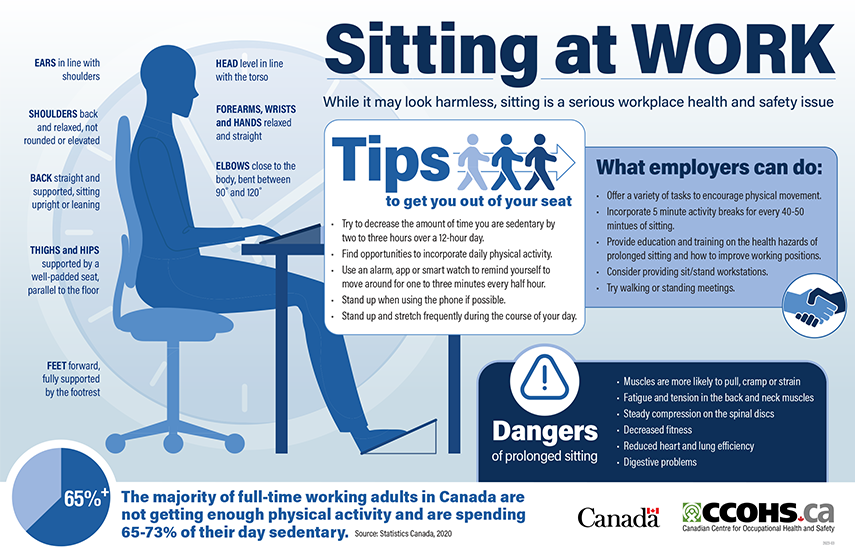
Start with adjusting your desk and chair. Your chair should support your back well. It should have a comfortable cushion. Adjust the height so your feet rest flat on the ground. Your desk height should allow elbows to sit at a 90-degree angle. This setup keeps your shoulders relaxed.
Optimal Computer Setup
Position your monitor at eye level. The top should be slightly below your eye line. Keep it at arm’s length for clear viewing. Your keyboard and mouse should be easily reachable. Avoid stretching your arms. Use a wrist pad to support your hands. This reduces strain on your wrists.
Regular Breaks And Stretching
Repetitive Strain Injury (RSI) is a common problem in today’s fast-paced world where many of us spend long hours at desks or using digital devices. One of the simplest yet most effective ways to prevent RSI is by incorporating regular breaks and stretching into your daily routine. These practices not only help in reducing the strain on your body but also refresh your mind, making you more productive. Have you ever noticed how a short walk or a few stretches can make you feel rejuvenated? Let’s dive into how you can make these habits a part of your life.
Effective Break Strategies
Taking regular breaks doesn’t mean losing productivity; in fact, it can enhance it. Schedule short, frequent breaks throughout your workday. For example, the Pomodoro Technique suggests working for 25 minutes and then taking a 5-minute break. This not only helps in reducing physical strain but also keeps your mind sharp.
During these breaks, step away from your desk. Stand up, walk around, or simply gaze out of the window. Changing your environment, even briefly, can refresh your perspective. Consider using break reminder apps that prompt you to pause and stretch, keeping you accountable.
Simple Stretching Exercises
Stretching is a powerful tool in combating RSI and doesn’t require much time or space. Try wrist stretches by holding your arm out, palm down, and gently pulling back on your fingers with your other hand. This simple exercise can alleviate tension built up from typing.
Neck and shoulder stretches are equally important. Tilt your head to one side, bringing your ear towards your shoulder, and hold for a few seconds. Repeat on the other side. These stretches can reduce stiffness from sitting too long.
Incorporate these exercises into your daily routine. Make them a habit every time you take a break. You’ll be surprised at how these small changes can make a big difference in preventing RSI.
Credit: www.ccohs.ca
Proper Typing Techniques
Repetitive strain injury can be prevented by using proper typing techniques. Keep wrists straight and fingers relaxed. Take frequent breaks to stretch and rest your hands.
Proper typing techniques are essential in preventing repetitive strain injuries (RSI), especially for those who spend long hours at the keyboard. Implementing simple changes can significantly reduce strain on your hands and wrists, ensuring a more comfortable and efficient typing experience. Let’s delve into two critical aspects that can make a big difference: keyboard positioning and the importance of wrist rest.Keyboard Positioning
Positioning your keyboard correctly can drastically reduce the risk of RSI. Your keyboard should be at a height where your elbows are at a 90-degree angle, with your forearms parallel to the floor. This setup minimizes strain on your shoulders and wrists. Ensure that the keyboard is directly in front of you, with the ‘B’ key aligned with your body’s center. This alignment helps in distributing the workload evenly across your arms. Avoid placing your keyboard too high or too low, as both can lead to discomfort and long-term injuries.Importance Of Wrist Rest
Using a wrist rest can provide crucial support and comfort while typing. A good wrist rest keeps your wrists in a neutral, relaxed position, preventing unnecessary stress. It’s essential to use a wrist rest that’s neither too soft nor too firm. The ideal rest should cushion your wrists gently, allowing for easy movement without adding pressure. Take a moment to assess if your current setup includes a wrist rest. If not, consider this simple addition to enhance your typing posture and prevent potential strain. By focusing on these aspects, you’re not just adjusting your workspace; you’re investing in your health and productivity. How often do you think about the way you type? Making small changes today can save you from discomfort tomorrow.Use Of Supportive Equipment
Supportive equipment like ergonomic keyboards and adjustable chairs can help prevent repetitive strain injuries. Proper alignment and posture reduce stress on muscles and joints, promoting comfort and health. Regular breaks and gentle stretches also aid in minimizing strain.
Repetitive strain injury (RSI) can be a silent disruptor in your daily life, often creeping in unnoticed until it becomes a significant issue. One effective strategy to combat RSI is using supportive equipment that encourages healthier habits and reduces strain on your body. Whether you’re typing away at a computer or navigating a mouse for hours, the right equipment can make a world of difference. Let’s explore some options that can support your journey to a pain-free work environment.Ergonomic Keyboards And Mice
Ergonomic keyboards are designed to fit the natural shape of your hands, providing a more comfortable typing experience. They often feature split designs and cushioned wrist rests to minimize strain. Imagine typing away without the nagging discomfort in your wrists! Similarly, ergonomic mice offer a better grip and posture for your hand, reducing the risk of developing RSI. Opt for a vertical mouse that aligns your wrist in a handshake position—it’s surprisingly comfortable and can prevent unwanted tension. By choosing these ergonomic tools, you can transform your workspace into a haven of productivity and well-being. Why not experiment with different models to find the perfect fit for your needs?Wrist Supports And Braces
Wrist supports and braces can be your best friends if you’re prone to wrist discomfort. They provide stability and help maintain neutral wrist positions during repetitive tasks. Picture yourself typing with ease, knowing your wrists are well-supported. These supports come in various forms, from simple gel pads to more structured braces. They can be a lifesaver during long hours at the computer or while engaging in hobbies like crafting or gaming. Consider incorporating wrist supports into your routine if you’re noticing signs of strain. They can be a preventive measure that keeps you comfortable and efficient. Have you ever tried one out? It might be the small change your wrists need. By integrating supportive equipment into your daily activities, you’re taking proactive steps to prevent RSI. Remember, it’s the small changes that can lead to significant results in your well-being.Physical Activity And Exercise
Repetitive strain injury (RSI) can be a major concern for those engaged in repetitive tasks. Physical activity and exercise play a crucial role in preventing RSI. Regular movement helps maintain muscle flexibility and reduces tension, which lowers the risk of injury.
Incorporating Exercise Into Daily Routine
Find small ways to add exercise throughout the day. Start with a short walk during breaks or stretch at your desk. Set reminders to stand and move every hour. These habits improve circulation and reduce muscle stiffness.
Use stairs instead of elevators. Park farther away to increase walking time. Simple changes make a big difference. Create a routine that fits your schedule and stick to it.
Strengthening Exercises For Prevention
Strengthening exercises build muscle resilience. Focus on exercises that target areas most affected by RSI, like wrists and shoulders.
Try wrist curls and shoulder rolls. These movements strengthen muscles and help prevent strain. Include exercises for other body parts too.
Use resistance bands or light weights. These tools enhance the effectiveness of your exercises. Consistency is key for long-term benefits.
Awareness And Education
Prevent repetitive strain injury through awareness and education. Maintain proper posture and take frequent breaks. Perform simple stretches to reduce strain.
Awareness and education play a crucial role in preventing repetitive strain injury (RSI). Understanding the causes and risk factors can help individuals and organizations create safer environments. Knowledge empowers people to recognize early symptoms and take action. By promoting awareness, we can reduce the incidence of RSI in workplaces.Training Programs
Implementing training programs is essential for RSI prevention. These programs teach proper ergonomics and safe practices. Employees learn how to adjust their workstations to fit their needs. Proper posture and equipment use are emphasized. Training can include exercises to strengthen muscles and improve flexibility. Regular sessions help reinforce these habits. Organizations should prioritize such initiatives to protect their workforce.Resources For Information
Access to information resources is vital for RSI prevention. Educational materials can be distributed in workplaces. Pamphlets, posters, and online resources offer valuable tips. These resources should cover symptoms, prevention, and exercises. Employers can provide links to websites with expert advice. Encouraging employees to seek information enhances their awareness. This proactive approach helps maintain a healthy workforce.
Credit: www.facebook.com
Frequently Asked Questions
What Causes Repetitive Strain Injury?
Repetitive strain injury (RSI) is caused by overuse of muscles and tendons. Repeated motions or maintaining poor posture can lead to RSI. Activities like typing or using tools without breaks contribute to this condition.
How Can Rsi Be Prevented At Work?
Prevent RSI by taking regular breaks and stretching. Ensure ergonomic setup for your workstation. Use tools that reduce strain and vary tasks to avoid repetitive motions.
Are Ergonomic Tools Effective For Rsi Prevention?
Yes, ergonomic tools can reduce stress on muscles and joints. They support natural body positions and minimize strain during repetitive tasks. Choose items like ergonomic keyboards and chairs for better comfort.
Can Exercises Help Prevent Rsi?
Exercise strengthens muscles and improves flexibility, reducing RSI risk. Stretching and targeted exercises promote blood flow and relaxation. Regular physical activity helps maintain overall musculoskeletal health.
Conclusion
Preventing repetitive strain injury is crucial for long-term health. Regular breaks help muscles relax. Adjusting workstations can reduce strain. Proper posture maintains comfort and safety. Stretching regularly keeps muscles flexible. Listen to your body’s signals. Early signs need attention. Simple changes can make a big difference.
Prioritize your well-being. Stay proactive in maintaining healthy habits. Remember, prevention is easier than recovery. Consistent care ensures a pain-free lifestyle. Stay informed and protect your body. Keep these tips in mind daily. Your health is in your hands. Make smart choices for a healthier future.