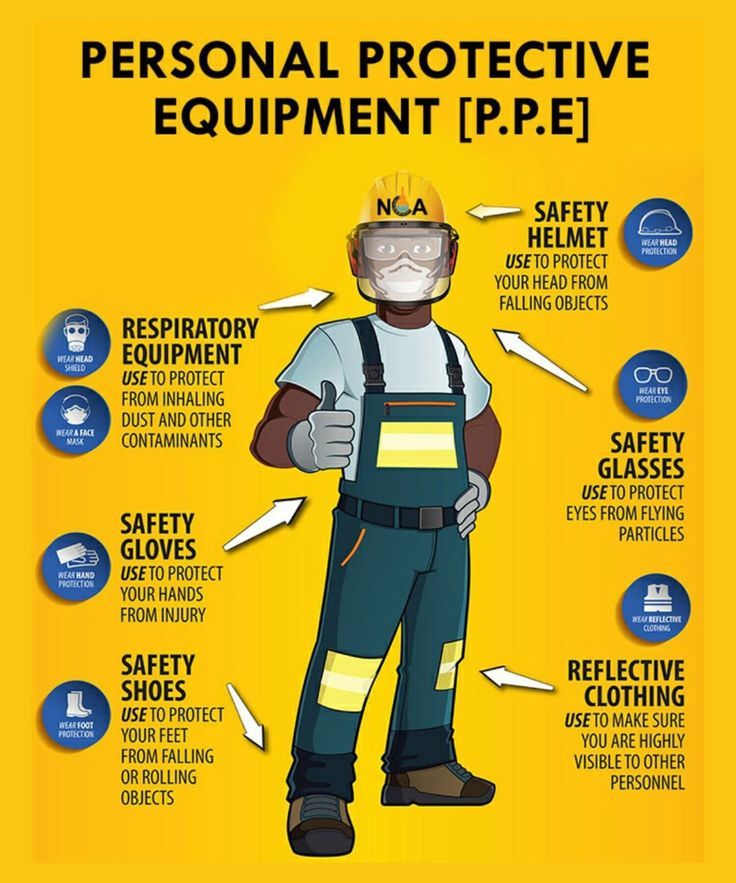
Imagine a world where you could eliminate the risks of accidents and injuries while working or engaging in activities you love. Sounds ideal, right?
The truth is, you can significantly reduce these risks by simply choosing the right protective clothing and equipment. Think about the peace of mind you’ll gain knowing that you’re shielded from potential harm. With every step you take, you’re protected.
This article will unravel how protective gear acts as your invisible armor, standing between you and unexpected mishaps. You’ll discover practical insights into how the right equipment not only safeguards your well-being but also enhances your confidence and performance. Are you ready to empower yourself with knowledge that could potentially save you from pain and inconvenience? Dive in to learn how protective clothing and equipment can be your best defense against injuries.
Importance Of Protective Gear
Protective gear serves as a vital barrier between you and potential hazards. Whether you’re working in a factory, construction site, or laboratory, wearing appropriate protective clothing can make a significant difference in preventing injuries. Imagine a carpenter without gloves or a helmet; the risk of splinters or head injuries is considerably higher. Protective gear is not just about compliance, it’s about safety and preserving your well-being.
Role In Workplace Safety
In any work environment, safety gear plays an essential role in safeguarding employees. Think of it as your armor, designed to minimize harm from accidents. Safety helmets, goggles, and gloves are specifically crafted to prevent injuries like cuts, burns, and impacts. Employers are responsible for providing this gear, but you have to make sure you use it correctly. Have you ever felt more secure with a helmet on a construction site? That’s the kind of assurance protective gear provides.
Impact On Injury Reduction
The impact of wearing protective clothing and equipment is profound in reducing injuries. Statistics show a significant decline in workplace injuries where protective gear is consistently used. Picture this: a construction worker falls, but a helmet saves him from a head injury. This scenario highlights how gear can be the difference between a minor incident and a life-threatening situation. Would you risk your safety by ignoring protective gear?
Types Of Protective Clothing
Protective clothing and equipment help prevent injuries by providing a barrier against hazards. Items like helmets, gloves, and goggles reduce risks from impacts, chemicals, and heat. Each type serves a specific purpose, ensuring safety in various environments.
Protective clothing plays a crucial role in preventing injuries in various work environments. Whether you’re working on a construction site, handling hazardous materials, or riding a motorcycle, the right gear can make all the difference. Understanding the different types of protective clothing available can help you choose the best options for your needs. Let’s explore some essential types of protective clothing.Head Protection
Your head is one of the most vulnerable parts of your body. That’s why helmets are essential in many industries. Imagine a construction worker without a helmet—it’s a scary thought. Helmets are designed to absorb impact, reducing the risk of serious head injuries. Some helmets come with additional features like visors or ear protection. These can be particularly useful in noisy or debris-filled environments. Investing in a high-quality helmet can be the difference between a minor bump and a life-threatening injury.Body Armor
Body armor isn’t just for law enforcement or military personnel. It’s increasingly used in industries where there’s a risk of physical harm. Think about someone working in a steel factory—body armor can protect against sharp objects and intense heat. Body armor is designed to shield vital organs from impact and penetration. Lightweight and flexible options are available, making them comfortable to wear for extended periods. When selecting body armor, consider the specific risks of your job.Foot And Leg Guards
Imagine stepping onto a nail or slipping in a wet area. Both scenarios can lead to painful injuries. Foot and leg guards are designed to protect against such hazards. Steel-toed boots, for instance, provide extra protection against heavy objects. Meanwhile, knee pads can be a lifesaver if you’re spending hours on your knees. When choosing foot and leg guards, ensure they fit well and offer the necessary protection for your specific tasks. Choosing the right protective clothing can be a daunting task, but the benefits are undeniable. Have you ever had an experience where protective clothing saved you from a potential injury? Understanding the importance of these gear types can motivate you to make safety a top priority. Remember, safety is not just about compliance—it’s about ensuring you can continue doing what you love without unnecessary risks.Essential Safety Equipment
Protective clothing and equipment reduce injury risks by creating barriers against hazards. Helmets, gloves, and goggles safeguard against impacts, chemicals, and heat. Ensuring proper fit and usage enhances their effectiveness in preventing workplace accidents.
Essential safety equipment is vital in preventing workplace injuries. Protective gear acts as a barrier between hazards and the human body. It reduces the risk of harm in many environments. Wearing the right equipment ensures safety and boosts confidence. It allows workers to focus more on tasks than on potential risks. Workers in various industries face different dangers. Essential equipment can protect them from injuries and health issues. Knowing the right gear for each situation is key. The following sections will explore some of the most crucial safety equipment.Respiratory Devices
Respiratory devices protect against harmful airborne particles. They are crucial in environments with dust, fumes, or gases. Masks and respirators ensure clean air intake. They prevent inhaling toxic substances. This reduces the risk of respiratory diseases. Proper fit and type are essential for effective protection.Hearing Protection
Loud noises can lead to hearing loss. Hearing protection reduces the impact of noise exposure. Earplugs and earmuffs are common solutions. They block harmful sound levels. Use them in noisy environments like construction sites. Protecting hearing is vital for long-term health. Comfortable and effective options are available for all needs.Eye And Face Shields
Eye and face shields guard against flying debris. They also protect from chemical splashes. Workers in manufacturing and lab settings use them often. Shields prevent serious injuries and burns. Choose shields that fit well and provide clear vision. Durability and comfort are important features. They ensure safety without hindering performance.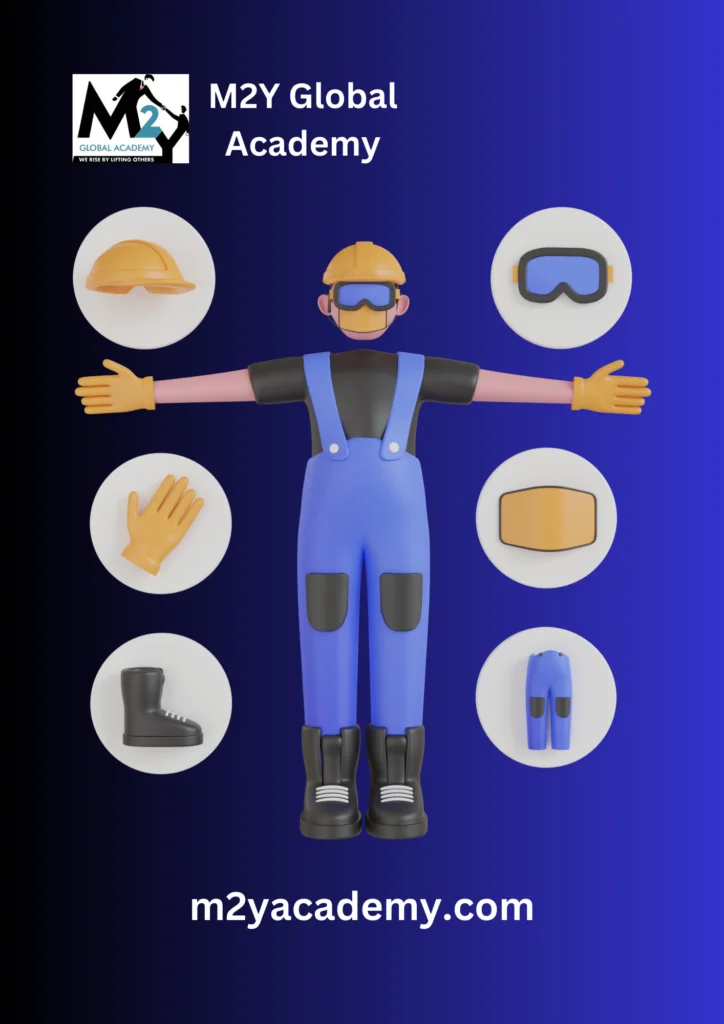
Credit: m2yacademy.com
Choosing The Right Gear
Choosing the right gear is crucial for safety. Protective clothing and equipment shield against injuries by reducing exposure to hazards. They offer a barrier against harmful substances, impacts, and extreme conditions, ensuring a safer environment for everyone.
Choosing the right protective clothing and equipment is crucial in preventing injuries in the workplace. It’s not just about grabbing the first set of gear you see; it’s about making informed choices. The right gear can be the difference between safety and danger, comfort and discomfort, efficiency and hindrance. Let’s dive into the key considerations you need to keep in mind when selecting protective gear.Assessing Workplace Hazards
Before you can choose the right gear, you must understand the specific hazards present in your workplace. Are you dealing with chemical exposure, high temperatures, sharp objects, or heavy machinery? Each of these environments requires different protective solutions. Start by conducting a thorough risk assessment. Speak with your colleagues and supervisors to gather insights. You might be surprised by the hazards you hadn’t considered. Create a checklist of potential risks in your area. This will help you in selecting gear that effectively addresses those dangers.Material And Design Considerations
Once you’ve identified the hazards, focus on the material and design of the protective gear. Not all materials are created equal, and each has its own advantages. Consider materials like Kevlar for cut resistance or Nomex for fire resistance. Think about the weight and flexibility of the material—will it hinder your movement or comfort? Look at the design features such as adjustable straps, ventilation options, and reinforced areas. These can make a significant difference in practicality and comfort. Test the equipment whenever possible. Trying it on can reveal issues you might not have considered, such as fit or ease of use. Choosing the right protective clothing and equipment is more than just a safety precaution—it’s an investment in your well-being and productivity. Are you taking the right steps to protect yourself?Proper Use And Maintenance
Proper use and maintenance of protective clothing and equipment significantly reduce injury risks. Regular inspections ensure safety gear remains effective. Training on correct usage enhances safety and minimizes accidents.
Proper use and maintenance of protective clothing and equipment are crucial in preventing workplace injuries. Imagine you’re putting on a life jacket before stepping onto a boat. If you wear it improperly or forget to check for damages, it might not save you when you need it. The same logic applies to protective gear in any environment—correct usage and regular maintenance can make the difference between safety and harm.Correct Usage Techniques
Wearing protective gear properly is your first line of defense. Ensure you know how to wear each piece of equipment correctly. For example, if you’re using a helmet, it should fit snugly without obstructing vision or hearing. Take time to adjust straps and fasteners to your body size. A loose safety harness can be as dangerous as not wearing one at all. Always follow the manufacturer’s guidelines for each gear item. Don’t hesitate to ask for a demonstration if you’re unsure about the right usage technique. It’s better to ask questions than to face an injury due to incorrect use.Regular Inspection And Care
Regularly inspecting your equipment can reveal wear and tear before it becomes a risk. Set a schedule for checking your gear—weekly or monthly, depending on how often you use it. Look for visible signs of damage, such as cracks, frays, or missing parts. A small tear in your gloves might seem insignificant until it exposes your skin to harmful chemicals. Maintaining your equipment is just as important as inspecting it. Clean your gear according to the manufacturer’s instructions to ensure it remains effective. Proper care can extend the life of your equipment and keep you safe. What if you discover damage during an inspection? Don’t just set it aside—report it immediately so it can be repaired or replaced. Your vigilance in maintenance could prevent a future accident.
Credit: www.hazmatstudent.com
Legal And Regulatory Aspects
Understanding the legal and regulatory aspects of protective clothing and equipment is crucial for both employers and employees. These rules are not just bureaucratic hurdles; they are essential guidelines designed to safeguard everyone in the workplace. By ensuring compliance, companies can prevent injuries and avoid costly legal battles.
Standards And Compliance
International and local standards set the benchmark for protective gear effectiveness. Compliance with these standards ensures that the equipment is capable of providing the necessary protection.
Organizations like OSHA in the U.S. and ISO globally outline specific requirements for different industries. Following these guidelines can significantly reduce workplace accidents.
Consider the construction industry, where high visibility clothing is mandatory. Adhering to this standard has saved countless lives from accidents involving heavy machinery.
Employer And Employee Responsibilities
Employers have a duty to provide protective equipment and educate employees on its use. They must ensure that the gear is in good condition and replaced when needed.
On the other hand, employees are responsible for using the equipment properly. Misuse can lead to accidents, which could have been avoided with proper adherence to guidelines.
Imagine a scenario where a worker refuses to wear a hard hat. If an injury occurs, who is at fault? This question highlights the shared responsibility in maintaining safety standards.
By understanding these legal aspects, both employers and employees can work together to create a safer work environment. Are you aware of the standards in your industry? How can you contribute to better compliance?
Future Trends In Protective Equipment
Protective clothing and equipment shield against injuries by offering a barrier between hazards and the body. Advanced materials and smart technology enhance safety by responding to environmental changes, ensuring optimal protection. As designs improve, the risk of injury decreases significantly.
Future trends in protective equipment are evolving rapidly. New technologies and eco-friendly materials are making significant impacts. These advancements aim to enhance safety while addressing environmental concerns. Understanding these trends can help industries adapt to changing demands.Technological Innovations
Smart textiles are gaining popularity in protective equipment. These materials integrate sensors to monitor vital signs. They can alert wearers to potential hazards in real-time. Augmented reality is another emerging trend. It provides workers with virtual safety instructions. This technology can increase awareness and improve safety protocols. Lightweight materials are also being developed. These materials offer better comfort without compromising protection.Sustainability And Eco-friendly Options
Eco-friendly options in protective equipment are on the rise. Manufacturers are exploring biodegradable materials. These reduce environmental impact once disposed. Recycled materials are being used to create new gear. This approach helps minimize waste and conserve resources. Energy-efficient production processes are becoming standard. They reduce carbon footprints during manufacturing. Sustainable practices in the industry are essential for long-term viability. Companies are investing in green certifications to ensure compliance.
Credit: www.safetyandhealthmagazine.com
Frequently Asked Questions
What Is Protective Clothing?
Protective clothing refers to garments designed to safeguard against hazards. It includes helmets, gloves, and boots. These items are essential for reducing the risk of injuries in dangerous environments. They provide a barrier against physical, chemical, and environmental threats. Proper use of protective clothing is crucial for safety.
How Does Equipment Prevent Injuries?
Equipment prevents injuries by providing essential protection in hazardous conditions. It helps absorb impacts and reduces exposure to harmful substances. Properly designed equipment ensures safety during operations. Wearing the right gear can significantly decrease the likelihood of accidents. Regular maintenance and correct usage enhance equipment effectiveness.
Why Is Protective Gear Important?
Protective gear is important because it minimizes injury risks. It shields the body from potential hazards in various work environments. Using appropriate gear ensures safety and compliance with regulations. It provides confidence and security, enabling workers to perform tasks efficiently.
Proper training in using protective gear is vital.
Can Protective Clothing Improve Safety?
Yes, protective clothing improves safety by acting as a barrier against hazards. It reduces exposure to risks in dangerous settings. Wearing appropriate gear lowers injury chances and enhances worker confidence. Selecting the right clothing for specific tasks is crucial. Regular checks ensure clothing maintains its protective qualities.
Conclusion
Protective clothing and equipment play a crucial role in safety. They shield against injuries and reduce risks. Workers stay safer with the right gear. Helmets, gloves, and boots offer essential protection. Visibility improves with bright colors and reflective strips. Comfort and fit matter to ensure effective use.
Regular checks and maintenance keep gear reliable. Investing in proper protective equipment saves lives. Employers and workers must prioritize safety daily. Understanding the importance of protective gear is vital. Stay safe, stay protected, and prevent injuries. Safety is everyone’s responsibility.