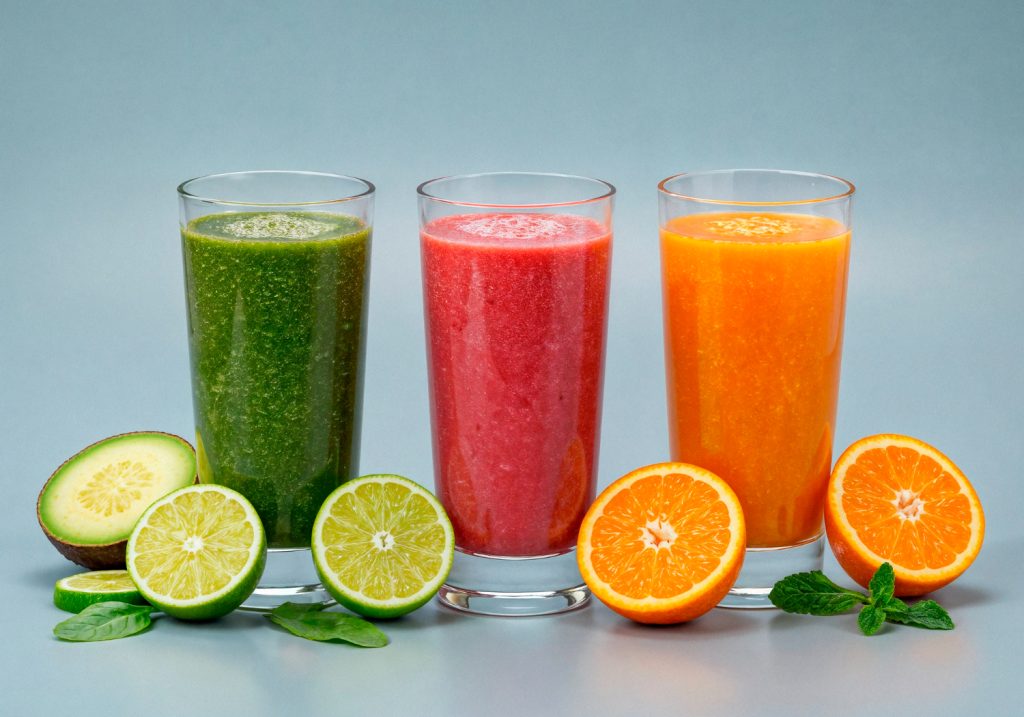
If you’ve ever found yourself needing to follow a liquid diet, you might wonder how to get the nutrition your body needs. Whether it’s due to medical reasons, a surgical procedure, or a personal choice, maintaining balanced nutrition on a liquid diet can feel daunting.
You’re not alone in this challenge, and there’s a way to ensure you stay healthy and satisfied. Imagine sipping on meals that not only fill you up but also fuel your body with essential vitamins and minerals. You’re about to discover the secrets to making this possible.
By the end of this article, you’ll feel empowered with knowledge and ready to transform your liquid diet into a nourishing experience. Keep reading to unlock the key to maintaining your health and vitality, even when your meals are in liquid form.
Benefits Of A Liquid Diet
Liquid diets can provide essential nutrients through smoothies, broths, and pureed foods. They support digestion and hydration.
Embarking on a liquid diet can be an intriguing journey, offering several benefits for those seeking a change in their nutritional routine. Whether you’re aiming to manage your weight, improve digestive health, or detoxify your body, a liquid diet may hold the keys to unlocking these goals. But how exactly can a liquid diet help you achieve these benefits?Weight Management
A liquid diet can be a powerful ally in weight management. By reducing calorie intake and simplifying meal choices, it can help you maintain control over your eating habits. Imagine the ease of consuming nutritious smoothies or soups that keep you satisfied without the need for complex meal prep. This can lead to more mindful eating and potentially fewer cravings for unhealthy snacks. Have you ever considered how simplifying your diet might help you curb those late-night munchies?Digestive Health
Liquid diets can support digestive health by offering your system a break from heavy foods. This can be particularly beneficial if you experience bloating or discomfort after meals. Liquids are often easier to digest, reducing strain on your digestive system. Imagine how soothing a warm broth or a refreshing juice could be for your stomach. Have you noticed how your body responds differently to a light meal compared to a heavy one?Detoxification
Detoxification is another compelling reason to consider a liquid diet. By focusing on pure liquids, you can help flush out toxins and impurities from your body. Think of it as giving your system a clean slate, allowing it to reset and rejuvenate. Incorporating antioxidant-rich juices or herbal teas can enhance this process. Have you ever felt the revitalizing effects of a detox, both mentally and physically? Exploring the benefits of a liquid diet might just be the refreshing change you need.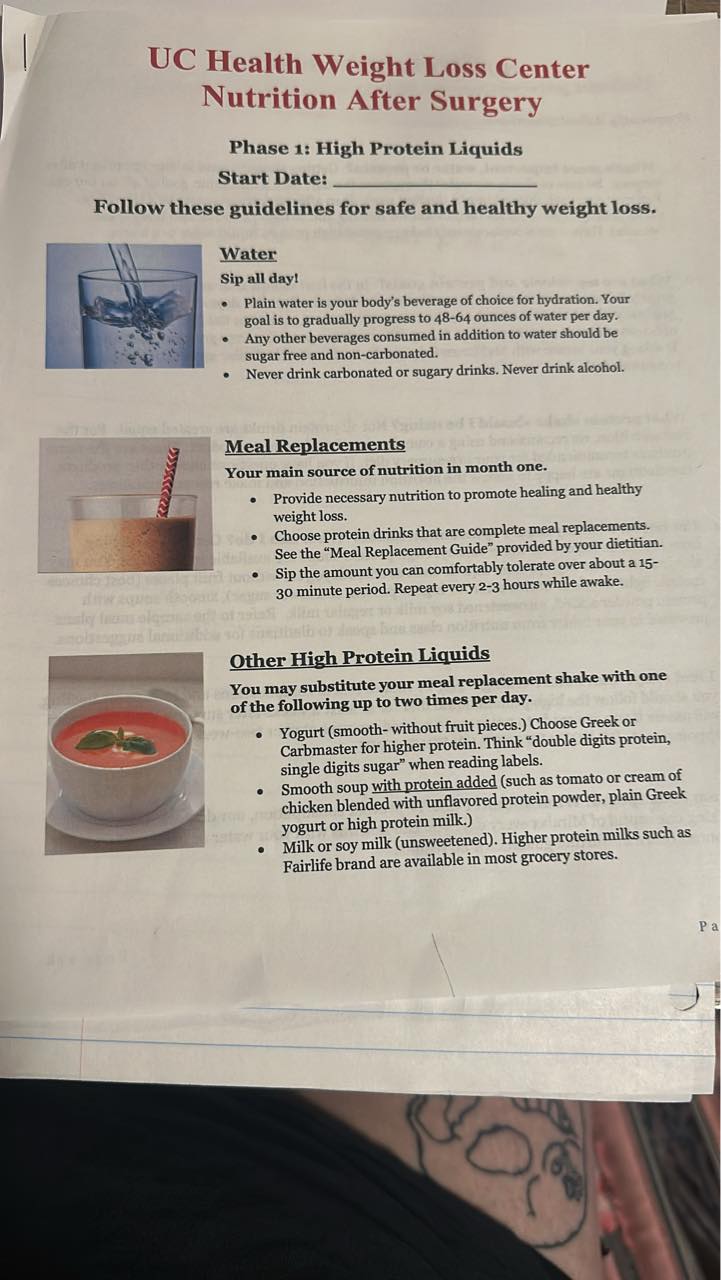
Credit: www.facebook.com
Types Of Liquid Diets
Discover various liquid diets that provide essential nutrients. Include juices, smoothies, and broths rich in vitamins and minerals. Consider protein shakes and fortified drinks to ensure balanced nutrition while on a liquid regimen.
The world of liquid diets is diverse. These diets range from simple broths to nutrient-rich juices. Understanding the types helps you choose the best fit for your needs.Clear Liquid Diet
A clear liquid diet includes broths, teas, and gelatin. These options are easy on the stomach. Clear liquids are often used before medical tests or surgeries. They hydrate and provide some energy without solid food. This diet is not suitable for long-term nutrition. It lacks essential nutrients needed for daily health.Full Liquid Diet
A full liquid diet offers more variety than clear liquids. It includes soups, milk, and smoothies. This diet is ideal for those who need more calories and protein. It can be used as a temporary solution after surgery. Full liquids are thicker and more filling. They provide better nutrition than clear liquids.Juice-based Diet
A juice-based diet focuses on fruit and vegetable juices. These juices are nutrient-rich. They offer vitamins, minerals, and antioxidants. Juice diets can detoxify the body and boost energy. Freshly squeezed juices are best. They contain natural sugars and fiber. This diet should be balanced with other nutrients for long-term health.Nutritional Needs
Getting nutrition on a liquid diet involves choosing nutrient-rich smoothies and soups. Include protein shakes and vegetable juices for balanced intake. Opt for fortified drinks to ensure essential vitamins and minerals are included.
Understanding your nutritional needs is crucial when you’re on a liquid diet. You might wonder if you can get all the necessary nutrients without solid food. The answer is yes, but it requires careful planning and selection of liquids that provide essential nutrients. Let’s explore how you can meet your nutritional needs on a liquid diet.Macronutrients
Getting enough macronutrients—proteins, carbohydrates, and fats—is vital. Protein can be found in smoothies with protein powder or liquid meal replacements. You can blend yogurt or nut butter into your drinks for healthy fats. Carbohydrates can come from fruit juices or vegetable broths. Consider what your body needs to fuel energy and repair tissues.Micronutrients
Micronutrients like vitamins and minerals are equally important. Liquid supplements and fortified drinks can help meet these needs. Green juices and homemade smoothies are packed with vitamins A, C, and K. Consider adding a multivitamin to your regimen if you’re unsure about your intake. Are you getting enough iron, calcium, or zinc from your current liquid diet?Hydration
Hydration is essential, but liquids aren’t just about water. Herbal teas, coconut water, and soups contribute to hydration and nutrient intake. Stay mindful of sugary drinks which can dehydrate rather than hydrate. Aim to drink a variety of liquids throughout the day. Are you keeping track of how much you’re drinking?Choosing Liquid Sources
Choosing Liquid Sources Finding the right liquid sources is key for a nutritious liquid diet. Opt for smoothies, broths, and soups rich in vitamins and minerals. Consider protein shakes for essential nutrients and energy.
Choosing liquid sources for your diet can be both exciting and challenging. With a plethora of options available, it becomes essential to select the right liquids that not only satisfy your taste buds but also meet your nutritional needs. Whether you are recovering from surgery, managing a medical condition, or simply exploring a new dietary approach, knowing what to include in your liquid diet is crucial for maintaining your health and well-being.Homemade Vs. Store-bought
When selecting liquid sources, you might wonder whether to go for homemade or store-bought options. Homemade liquids give you full control over the ingredients and allow you to avoid additives and preservatives. Imagine whipping up a fresh smoothie every morning with your favorite fruits and vegetables—pure bliss! On the other hand, store-bought options offer convenience, especially when you’re short on time. Yet, it’s essential to read labels carefully to ensure you’re getting nutrient-rich choices without added sugars or unhealthy fillers. Think of it as a way to balance your schedule with your nutritional goals.Vegetable Juices
Vegetable juices can be a powerhouse of nutrients, providing you with essential vitamins and minerals. Including a variety of veggies like spinach, kale, and carrots can enhance your health while keeping your palate interested. Have you ever tried a green juice with a hint of ginger? It’s not just refreshing but also a great way to boost your immune system. Consider rotating different vegetables to get a wide range of nutrients and avoid monotony. This approach ensures you’re not missing out on any vital components your body needs daily.Protein Shakes
Protein shakes are an excellent choice for those on a liquid diet needing to maintain or build muscle mass. They can be customized to fit your dietary preferences, whether you’re vegan, lactose-intolerant, or have other dietary restrictions. Ever thought about adding a scoop of your favorite protein powder to a smoothie with almond milk and a banana? It’s a delicious way to meet your protein needs. Remember to choose a protein shake that aligns with your overall dietary goals, such as those with low sugar content or added vitamins. Your body will thank you for the thoughtful nutrition boost.Incorporating Supplements
Incorporating Supplements Supplements can enhance nutrition on a liquid diet. They provide essential vitamins and minerals often missing in liquids. Consider protein powders, multivitamins, and omega-3 oils to fill nutritional gaps.
Incorporating supplements into a liquid diet can enhance nutritional intake. Liquids alone may not provide all essential nutrients. Supplements ensure you meet daily requirements. They are crucial for maintaining health during a liquid diet. Below, explore key supplements that can boost your nutrition.Multivitamins
Multivitamins are essential in a liquid diet. They provide vital vitamins and minerals. These nutrients support energy and immune health. Choose a high-quality multivitamin. It should cover daily vitamin needs. This helps balance your diet.Fiber Supplements
Fiber is often missing in liquid diets. Fiber supplements can help. They maintain digestive health. Fiber supports regular bowel movements. Select soluble fiber options. They dissolve easily in liquids. This aids digestion without solid foods.Electrolytes
Electrolytes are crucial for hydration. Liquid diets can lead to a lack of electrolytes. Supplements prevent electrolyte imbalance. They ensure proper muscle and nerve function. Look for powders or liquids. They mix well with other liquids. Keep your body well-hydrated and energized.Avoiding Common Pitfalls
Following a liquid diet can help with many health goals. Yet, it’s easy to fall into common pitfalls. These mistakes can hinder your progress. Understanding these pitfalls ensures you get proper nutrition.
Sugar Overload
Many liquid diets include juices or smoothies. These often contain high sugar levels. Excessive sugar can lead to energy spikes. It may also cause weight gain. Choose unsweetened options. Read labels carefully. This helps in managing sugar intake effectively.
Insufficient Protein
Protein is essential for muscle health. Liquid diets may lack enough protein. This can lead to muscle loss. Include protein-rich liquids. Consider adding protein powders. Use plant-based options like pea or soy protein. They are great choices for vegetarians and vegans.
Lack Of Variety
A liquid diet should be diverse. Sticking to one or two liquids gets boring. It can also lead to nutrient deficiencies. Rotate different fruits and veggies. Try varied soups and broths. These provide a range of nutrients. Keep your diet exciting and balanced.
Monitoring Your Health
Exploring liquid diets can provide essential nutrients by incorporating smoothies, broths, and juices rich in vitamins and minerals. Blending fruits, vegetables, and proteins ensures balanced nutrition for maintaining health during dietary transitions.
Monitoring your health on a liquid diet is crucial to ensure you are getting the necessary nutrients. While liquid diets can be beneficial for certain health conditions or weight loss goals, they come with potential risks like malnutrition. Staying vigilant about your health can help you avoid these pitfalls and maintain your well-being.Signs Of Malnutrition
Being on a liquid diet requires you to be aware of the signs of malnutrition. Watch for symptoms like fatigue, dizziness, or unexpected weight loss. If you notice changes in your hair, skin, or nails, it might be time to reassess your nutrition intake.Regular Check-ups
Scheduling regular check-ups with your healthcare provider can help you stay on track. They can monitor your nutrient levels and ensure your body is receiving what it needs. These appointments offer a chance to discuss any concerns or symptoms you might be experiencing.Adjustments Based On Needs
Your nutritional needs might change over time, requiring adjustments to your liquid diet. Perhaps you notice you’re feeling sluggish, or your doctor suggests more protein intake. Be open to modifying your diet to better suit your body’s requirements. If you ever feel uncertain about your nutritional status, remember that it’s okay to seek professional guidance. Wouldn’t it be better to adjust your diet now rather than face complications later? By monitoring your health closely, you can thrive on a liquid diet while keeping malnutrition at bay.
Credit: apps.apple.com
Transitioning Back To Solid Foods
Transitioning back to solid foods requires careful planning to maintain nutrition. Incorporate blended fruits and vegetables for vitamins. Gradually introduce soft foods like yogurt and oatmeal.
Transitioning back to solid foods can be both exciting and challenging. After following a liquid diet, your body needs time to adjust. It’s crucial to reintroduce solid foods carefully. This process supports your digestive system and ensures you get the nutrition you need. Here’s how you can make this transition smoother and healthier.Gradual Introduction
Start with soft foods like mashed potatoes or yogurt. These are easier to digest. Gradually add more solid foods to your meals. This helps your stomach adapt without discomfort. Remember to chew well and eat slowly. This aids digestion and prevents overeating.Balancing Solid And Liquid Meals
Balance is key. Combine liquid and solid meals throughout the day. For example, have a smoothie for breakfast and a salad for lunch. This keeps your diet varied and nutritionally balanced. Include protein, carbs, and healthy fats in your meals. This ensures your body gets what it needs to function well.Listening To Your Body
Pay attention to how your body reacts to each food. Notice any discomfort or digestive issues. Adjust your diet accordingly to avoid these problems. Your body will signal when it’s ready for more complex foods. Trust these signals and proceed slowly. This approach promotes a healthy transition to solid foods.
Credit: betterme.world
Frequently Asked Questions
What Foods Are Allowed On A Liquid Diet?
A liquid diet includes foods like broth, smoothies, and milkshakes. You can also have clear juices, gelatin, and soup. These foods ensure you get essential nutrients while keeping your diet liquid-based. Always consult a healthcare provider before making significant dietary changes.
Can You Get Enough Protein On A Liquid Diet?
Yes, you can get enough protein on a liquid diet. Incorporate protein-rich liquids like milk, protein shakes, and yogurt. Adding protein powders to smoothies can also help. Always ensure your protein intake meets your dietary requirements for maintaining muscle mass and overall health.
How Do I Avoid Nutrient Deficiencies?
To avoid nutrient deficiencies, include a variety of liquids. Opt for nutrient-rich smoothies, fortified juices, and broths. Consider adding supplements if necessary. Consulting a dietitian can help you tailor your liquid diet to meet all nutritional needs effectively.
Is A Liquid Diet Safe For Weight Loss?
A liquid diet can be safe for short-term weight loss. It helps reduce calorie intake effectively. However, it’s crucial to ensure you get all essential nutrients. Always consult with a healthcare professional to ensure safety and effectiveness for your specific health needs.
Conclusion
A liquid diet doesn’t mean missing out on nutrition. Smart choices make a difference. Blend fruits and veggies for vitamins. Add protein powders for strength. Choose broths for minerals and warmth. Include healthy fats for energy. Stay creative with your meals.
Listen to your body’s needs. Consult a nutritionist for guidance. Every sip can nourish your body. Keep a balanced approach to liquid meals. Nourish yourself well. A liquid diet can be healthy. It just takes a little planning and care.
Enjoy your journey to a healthier you.