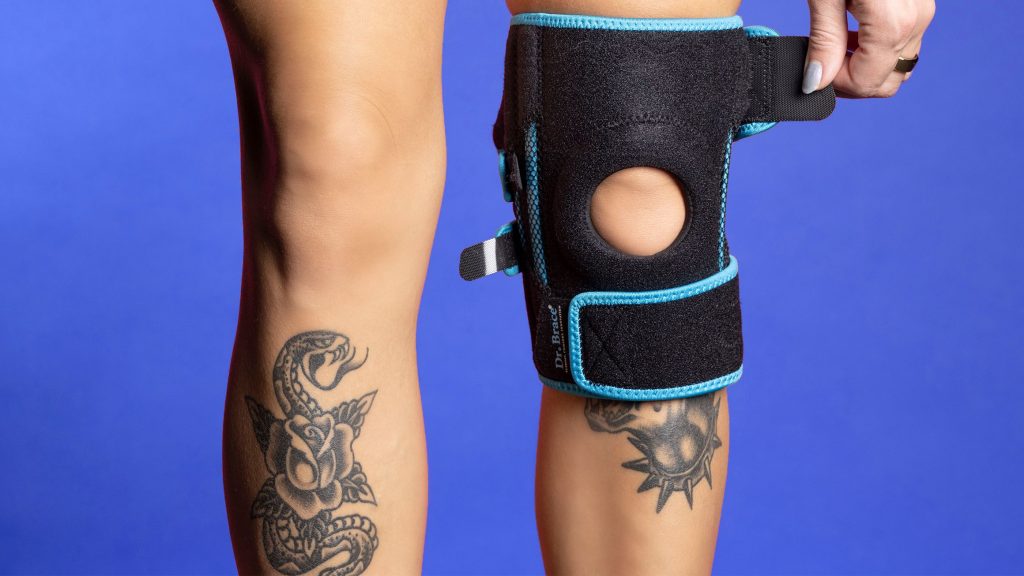
Imagine this: you’re about to step onto the field, gym, or court, feeling the adrenaline rush. But there’s a nagging thought at the back of your mind: “What if I get injured?”
It’s a concern many athletes and fitness enthusiasts like you have. One common solution people turn to is wearing a knee brace. But does it really prevent injury, or is it just a safety net for your peace of mind?
We’ll delve into the truth behind knee braces and their effectiveness. We’ll explore the science, the myths, and the real impact they can have on your performance and protection. So, if you’re curious about whether a knee brace could be your ticket to staying injury-free, read on. Your knees—and your future in sports and fitness—may depend on it.

Credit: medpoint.ie
Knee Braces: Types And Purposes
Knee braces serve various purposes and come in different types. They support the knee joint and help prevent injuries. Knowing the types can help in choosing the right one for your needs.
Functional Knee Braces
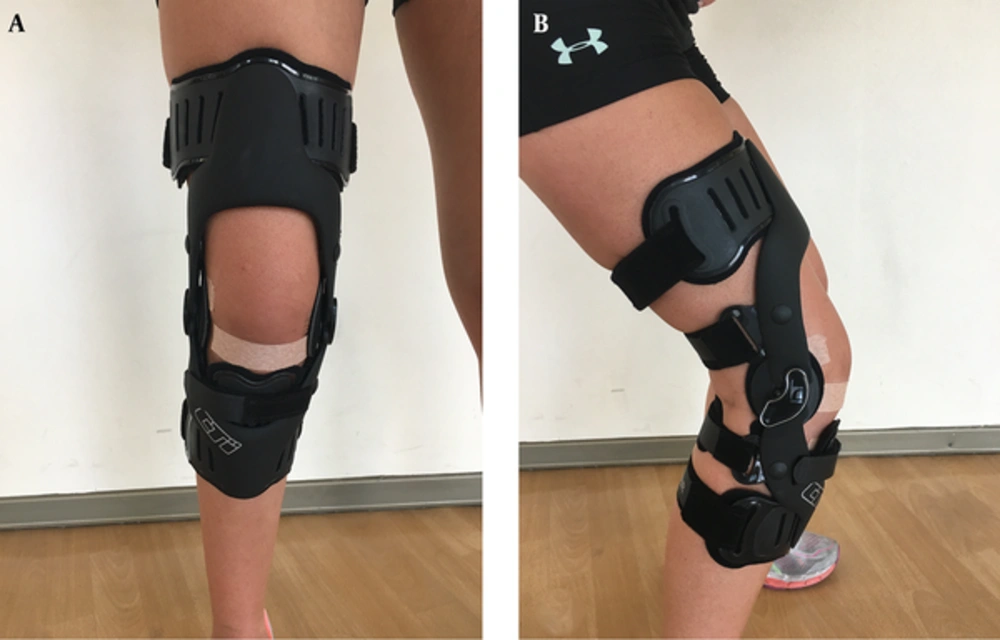
Functional knee braces stabilize injured knees. They are ideal for those recovering from ligament tears. Athletes often use them to return to sports safely. These braces provide support without limiting mobility.
Prophylactic Knee Braces
Prophylactic braces are designed to prevent injuries. Football players commonly use them. They protect the knee during contact sports. These braces help avoid ligament damage.
Rehabilitative Knee Braces
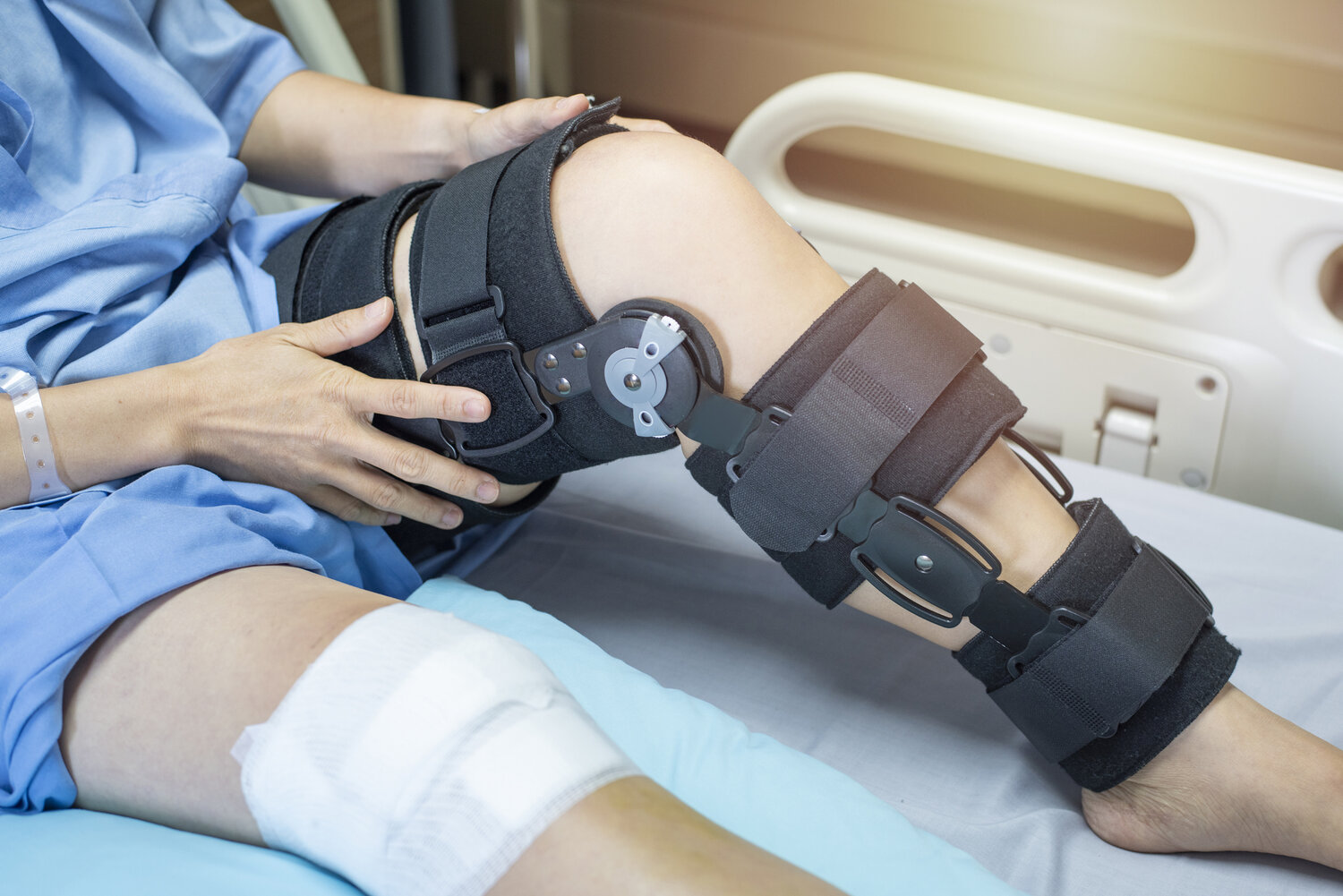
Rehabilitative braces are used post-surgery. They limit knee movement during recovery. Adjustable hinges control the range of motion. This helps in gradual healing and rehabilitation.
Unloader Knee Braces
Unloader braces relieve pain from arthritis. They shift weight away from the damaged part of the knee. This reduces pain and improves mobility. Ideal for those with osteoarthritis.
How Knee Braces Work
Knee braces stabilize joints and support ligaments, reducing strain during movement. They help distribute weight evenly across the knee. While they offer protection, they don’t guarantee prevention of injuries. Proper use and fitting are crucial for effectiveness.
Understanding how knee braces work can help you decide whether they’re right for you. It’s fascinating to see how these simple devices offer support, stability, and protection for your knees. They do much more than just wrap around your knee. Let’s dive into the mechanics behind their effectiveness.Support And Stability
Knee braces act like a fortress around your knee, providing much-needed support. They can be particularly beneficial if you’ve had previous injuries or are prone to knee issues. Imagine running a marathon; the brace gives your knee the extra strength to endure the miles. It does this by limiting excessive movement, which can prevent further strain or injury. Think of it as having a sturdy friend who’s always ready to catch you if you stumble.Joint Alignment
A well-designed knee brace helps in aligning your joint properly. Misalignment is a common issue that can lead to pain or discomfort. The brace acts as a guide to keep your knee in the right position. Have you ever felt your knee buckle unexpectedly? A knee brace can help prevent that by ensuring your joint stays aligned during movement. This is crucial for maintaining balance and preventing injuries.Pressure Distribution
Pressure distribution is another key aspect of knee braces. When you move, your knee takes on a lot of stress. A knee brace helps distribute this pressure evenly across your knee joint. This can reduce pain and improve your performance in sports or daily activities. Imagine your knee as a bridge; the brace helps distribute the weight so no single area bears too much pressure. This can be a game-changer for anyone looking to reduce knee pain or enhance their mobility. So, have you ever tried a knee brace? How did it change your experience? The benefits they offer are worth considering, especially if you want to safeguard your knees against future injuries.Common Knee Injuries
Knees are vital for movement. They bear the body’s weight. Injuries can disrupt daily life. Some injuries are more common than others. Understanding them is key to prevention.
Acl Tears
The ACL, or anterior cruciate ligament, stabilizes the knee. Tears usually occur during sports. Sudden stops or changes in direction cause them. These injuries are painful. They often require surgery and rehab.
Meniscus Injuries
The meniscus acts as a cushion between the thigh bone and shinbone. Twisting or turning the knee can injure it. Tears are common in sports and older adults. Symptoms include pain and swelling. Treatment varies from rest to surgery.
Patellar Tendinitis
This condition affects the tendon connecting the kneecap to the shinbone. It is common in athletes who jump frequently. Pain is felt at the front of the knee. Rest, ice, and physical therapy can help. Severe cases may need surgery.
Credit: drsterett.com
Scientific Studies And Findings
Scientific studies explore if knee braces truly prevent injuries. Findings suggest braces may offer support and reduce strain. However, relying solely on them for injury prevention might not be effective.
Scientific studies have long explored the role of knee braces in injury prevention. With sports injuries being a common concern, knee braces often promise a layer of protection. But how effective are they really?Research On Injury Prevention
Research on knee braces in injury prevention offers mixed results. Some studies suggest that knee braces provide added stability, particularly for those recovering from previous injuries. However, other findings indicate that they do not significantly reduce the occurrence of knee injuries in individuals with healthy joints. A 2015 study in the American Journal of Sports Medicine found that knee braces did not significantly lower the risk of anterior cruciate ligament (ACL) injuries in athletes. This raises the question: Is the perceived security of wearing a knee brace sometimes just a placebo effect?Effectiveness In Sports
In sports, where agility and quick reflexes are key, knee braces are often seen on the field. Some athletes swear by them for the extra confidence they provide. A survey of college football players revealed that those wearing knee braces reported feeling more secure during play. However, another study highlighted that knee braces might slightly hinder performance by restricting natural movement. Would you sacrifice a bit of speed for the promise of protection?Long-term Impact
Considering the long-term impact of wearing knee braces is crucial. While they may offer short-term support, some experts worry about potential dependency. Relying too heavily on knee braces might lead to weaker knee muscles over time. This could ironically increase the risk of injury once the brace is removed. Finding the balance between support and natural strength is essential for maintaining knee health. Have you considered how often you rely on external support instead of building your own strength?Expert Opinions
When it comes to understanding whether wearing a knee brace can prevent injury, it’s crucial to tap into the insights of experts. Orthopedic surgeons, physical therapists, and athletic trainers each offer unique perspectives that can help you make an informed decision. Let’s dive into what these professionals have to say.
Orthopedic Surgeons
Orthopedic surgeons often see the aftermath of knee injuries and understand the mechanics behind them. They generally agree that knee braces can offer additional support, especially post-injury. However, they emphasize that while braces may help stabilize the knee, they are not a foolproof solution to preventing injuries.
Dr. Smith, an orthopedic surgeon with 20 years of experience, notes, “Braces are beneficial in specific situations, but relying solely on them can give a false sense of security.” Are you using a brace as a crutch rather than a tool? It’s essential to focus on strengthening exercises alongside wearing a brace.
Physical Therapists
Physical therapists focus on rehabilitation and prevention, making their insights invaluable. They often recommend knee braces as part of a broader injury prevention strategy. However, they stress the importance of proper fitting and usage.
Physical therapist Jane Doe shares, “A brace can support your knee, but it’s not a substitute for muscle strength. Regular exercises that enhance flexibility and strength are crucial.” Have you considered integrating a balanced workout routine to complement your knee brace use?
Athletic Trainers
Athletic trainers are on the front lines of sports and fitness, witnessing knee injuries firsthand. They often endorse knee braces for athletes, especially during high-risk activities. Yet, they caution against over-reliance.
“Knee braces can be a great preventive tool,” says Coach John, an experienced athletic trainer. “However, athletes should not neglect agility drills and proprioception exercises.” Are you balancing your training regime to include both protective gear and skill-enhancing exercises?
As you can see, the consensus among experts is that while knee braces can be a helpful component of injury prevention, they should be part of a comprehensive approach that includes strength training and proper technique. What steps are you taking to ensure your knee’s health beyond just wearing a brace?
Credit: brieflands.com
Potential Benefits And Risks
Wearing a knee brace can be beneficial for many individuals. It offers support during physical activities and helps in preventing injuries. Yet, there are potential risks to consider. Understanding these benefits and risks is crucial for making informed decisions about knee brace usage.
Enhanced Performance
A knee brace can enhance performance by providing stability. It helps in maintaining proper alignment during movements. Athletes often use knee braces to boost confidence and reduce injury risks. For those recovering from injuries, braces offer extra support. This aids in safe and effective rehabilitation.
Risk Of Over-reliance
Over-relying on a knee brace may weaken natural knee strength. It can lead to dependency, affecting muscle development. Some people may start to rely on the brace instead of strengthening their knees. This dependency might result in diminished performance without the brace.
Possible Discomfort
Wearing a knee brace might cause discomfort for some individuals. Improper fitting can lead to irritation or skin issues. It may restrict movement, causing inconvenience during activities. Adjusting the brace properly can minimize discomfort and ensure effective use.
Factors Influencing Effectiveness
Wearing a knee brace can help prevent injury by providing stability and support. Its effectiveness depends on proper fit and usage. Personal factors like activity level and existing injuries also play a crucial role in its protective capabilities.
Factors influencing the effectiveness of a knee brace are crucial to understand. Wearing a knee brace can offer support and stability. It may also help in preventing injuries. But its effectiveness depends on several factors. Proper fit, individual physical condition, and type of activity matter greatly. These elements can determine how well a knee brace works. Understanding these can help make informed choices.Proper Fit And Usage
A knee brace must fit correctly to be effective. An improper fit can lead to discomfort. It may not offer the needed support. Ensure it is snug but not too tight. Follow instructions on how to wear it. Regular adjustments may be necessary. Proper usage involves wearing it during specific activities. Don’t wear it all the time unless advised by a professional. Knowing when and how to use it enhances its benefits.Individual Physical Condition
Each person’s physical condition affects a knee brace’s effectiveness. Consider existing knee issues. People with prior injuries may need specific types of braces. Muscle strength and flexibility also play roles. A stronger knee may need less support. Consult a healthcare provider for personalized advice. They can recommend the best brace for your condition. Personal health factors influence how well the brace performs.Type Of Activity
The type of activity influences knee brace effectiveness. Different activities require different levels of support. High-impact sports like basketball need more stability. Walking or casual activities might need less. Choose a brace suitable for the activity you plan. Some braces are designed for specific sports. Others are for general use. Match the brace with your activity for optimal results.Alternatives To Knee Braces
Knee braces can offer support but aren’t the only solution. For those seeking alternatives, several approaches can help maintain knee health. These methods focus on strengthening, flexibility, and proper preparation for physical activities.
Strengthening Exercises
Strong muscles around the knee reduce injury risk. Exercises targeting quadriceps, hamstrings, and calves are beneficial. Squats, lunges, and leg presses are effective. Start with light weights and gradually increase them. Consistent practice strengthens the knee’s support system.
Flexibility Training
Flexible muscles and joints help prevent injuries. Stretching exercises improve knee flexibility. Yoga and Pilates are great for enhancing flexibility. These activities also improve balance and posture. Regular stretching keeps muscles supple and reduces tension around the knee.
Proper Warm-up Techniques
A proper warm-up prepares the body for activity. Begin with gentle movements to increase blood flow. Incorporate dynamic stretches like leg swings and walking lunges. Warm-ups should last at least 10 minutes. They reduce stiffness and prepare the knee for more intense exercise.
Personal Stories And Testimonials
Personal stories highlight the benefits of knee braces in sports. Many athletes share experiences of reduced pain and support. Testimonials reveal how knee braces help prevent injury during physical activities.
Personal stories and testimonials offer a window into the real-world effectiveness of knee braces. While research and expert opinions are valuable, hearing from those who’ve worn knee braces can provide unique insights. How do these individuals feel about the role of knee braces in preventing injuries? Let’s explore their experiences.Athlete Experiences
Many athletes swear by knee braces for added support during high-stress activities. Take Sarah, a professional runner who suffered a minor knee injury last season. After her recovery, she began using a knee brace during training. Sarah noticed increased confidence in her movements, enabling her to push her limits without fear. Another athlete, Tom, shared how his knee brace became a crucial part of his basketball gear. It provided stability during rapid directional changes, minimizing the risk of reinjury. For athletes like Sarah and Tom, knee braces are not just preventive tools; they’re performance enhancers.Patient Perspectives
For patients recovering from knee surgery, knee braces can be a lifesaver. Jane, who underwent ACL surgery, described her knee brace as a security blanket. It allowed her to gradually return to daily activities with less anxiety. Conversely, some patients like Mike felt limited by the brace’s bulkiness. Though it provided support, it also required a period of adjustment. These testimonials highlight the diverse experiences patients have with knee braces, underscoring the importance of personal comfort and fit.Success And Challenges
While many report positive results, knee braces aren’t a one-size-fits-all solution. Success stories often come from those who found the right fit and wear schedule. However, challenges arise when expectations aren’t met or if the brace hinders movement. Consider the story of Lisa, who initially struggled with her knee brace during yoga. She adapted by choosing a less restrictive design, which ultimately improved her experience. This raises an important question: are you choosing the right brace for your activities? Testimonials reveal the multifaceted role of knee braces in injury prevention. They can be empowering and protective, yet they require careful selection and adjustment. What insights will you gain from your own knee brace journey?Frequently Asked Questions
Can Knee Braces Prevent All Knee Injuries?
Knee braces provide support but don’t guarantee complete injury prevention. They help stabilize and reduce strain during activities. However, they can’t entirely prevent injuries, especially if the activity is high-impact or involves sudden movements. Proper technique and conditioning are also crucial for minimizing the risk of knee injuries.
Are Knee Braces Effective For Sports?
Knee braces can be beneficial for sports, offering support and reducing injury risk. They help stabilize the knee during physical activities, enhancing confidence and performance. While helpful, they should not replace proper training and conditioning. Consult a professional for advice on the right brace for your sport.
Should I Wear A Knee Brace While Exercising?
Wearing a knee brace during exercise can offer support and prevent strain. It helps stabilize the knee, reducing the risk of injury during workouts. However, it’s essential to choose a brace suitable for your activity level. Always consult with a healthcare professional to ensure it’s appropriate for your needs.
Do Knee Braces Aid In Recovery?
Yes, knee braces can aid in recovery by providing support and stability. They reduce strain on the knee, helping alleviate pain and preventing further injury. However, they should be part of a comprehensive recovery plan, including rest, physiotherapy, and proper medical guidance for optimal results.
Conclusion
Wearing a knee brace can help reduce injury risk. It offers support and stability. Many athletes find them beneficial. But a knee brace isn’t a foolproof solution. Good training and technique matter too. Always consult with a healthcare professional. They can advise on the best brace for you.
Listen to your body and rest when needed. Stay active, but don’t ignore pain. Choose the right gear to protect your knees. Remember, prevention is better than cure. Stay safe and enjoy your activities.