
Are you considering jumping on the keto diet bandwagon? Before you do, it’s crucial to understand if this trendy diet provides the balanced nutrition your body needs.
You might be drawn in by the promise of rapid weight loss and improved energy levels, but is the keto lifestyle truly sustainable and nourishing in the long run? This article will dive deep into the components of the keto diet, unraveling whether it can meet your nutritional requirements without compromising your health.
By the end, you’ll have a clear understanding of what you’re signing up for and whether this diet is the right fit for your unique nutritional needs. So, are you ready to find out if the keto diet is a perfect match for your lifestyle? Let’s explore together.
Credit: www.facebook.com
Keto Diet Basics
The keto diet has gained immense popularity for its potential weight loss benefits and its unique approach to nutrition. At its core, the keto diet is all about shifting your body’s energy source from carbohydrates to fats. This dietary change can lead to a variety of health benefits, but it also raises questions about whether the keto diet offers balanced nutrition.
Principles Of Keto
The primary principle of the keto diet is to reduce carbohydrate intake significantly, allowing your body to enter a state called ketosis. In ketosis, your body becomes highly efficient at burning fat for energy. This is achieved by consuming a diet that is high in fats, moderate in proteins, and very low in carbohydrates.
Many people find this shift challenging at first. You might experience something called the “keto flu” as your body adapts to the new fuel source. However, once your body adjusts, you may experience increased energy levels and mental clarity.
Popular Foods In Keto
When following a keto diet, you will focus on foods that are low in carbohydrates and high in healthy fats. Common choices include:
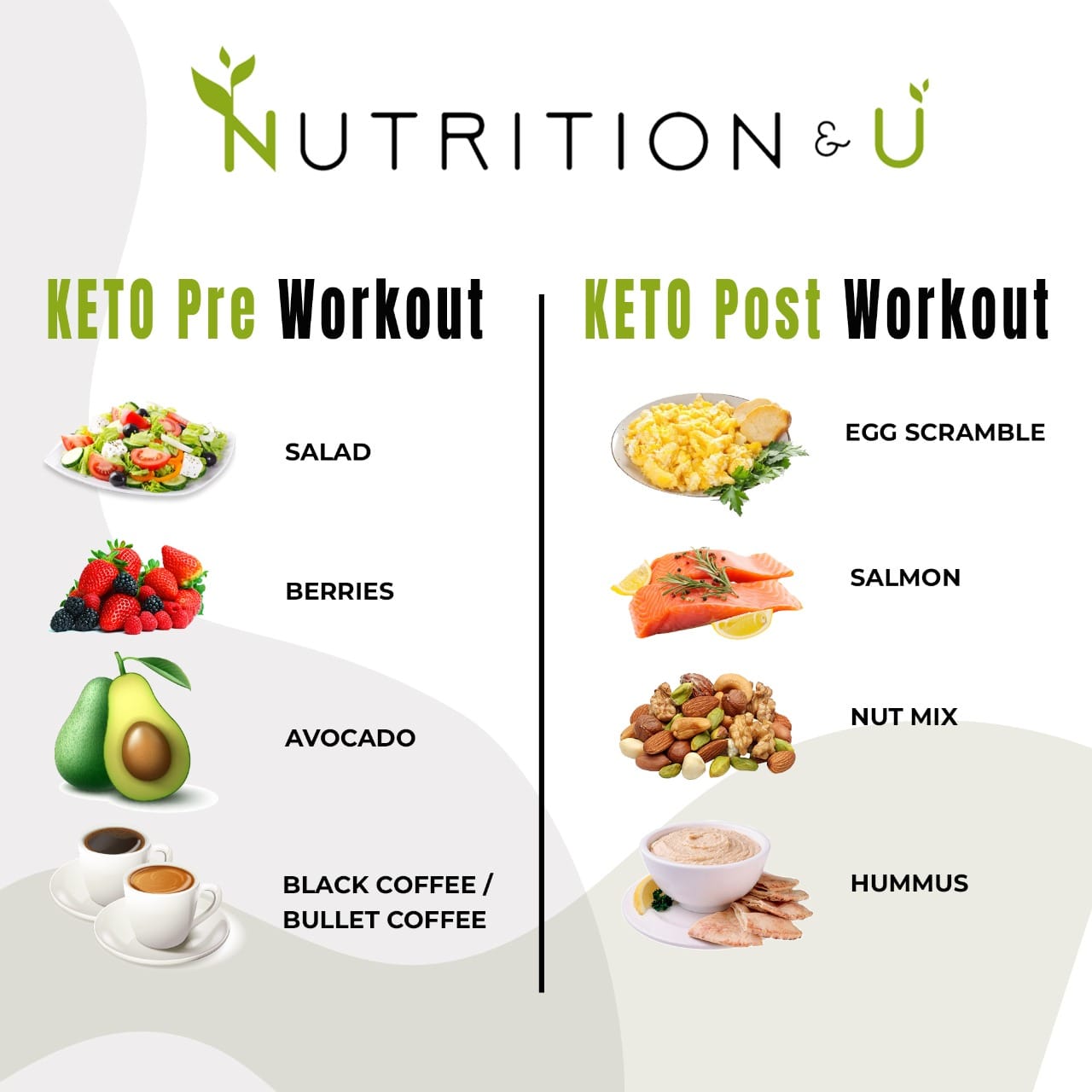
- Avocados, which are rich in healthy fats and fiber.
- Nuts and seeds, providing a good source of fats and protein.
- Fatty fish like salmon, offering essential omega-3 fatty acids.
- Cheese and full-fat dairy products, which add flavor and nutrients.
- Leafy greens and non-starchy vegetables that are low in carbs but rich in vitamins.
It’s important to plan your meals to ensure you’re getting a variety of nutrients. While the diet is high in fats, you should prioritize healthy sources to maintain heart health.
Does the keto diet align with your nutritional needs? The decision often depends on your personal health goals and how your body responds to this unique dietary approach.
Macronutrient Composition
The Keto diet has gained popularity for its macronutrient composition. It focuses on high fat, low carbs, and moderate protein. This approach aims to shift the body’s energy source from carbohydrates to fats.
High Fat Content
Fat intake is a key part of the Keto diet. Typically, 70-80% of daily calories come from fats. These can include healthy options like avocados, nuts, and olive oil. Fats provide energy and help maintain satiety throughout the day. This high-fat consumption encourages the body to enter ketosis. In ketosis, fat becomes the primary fuel source.
Low Carbohydrate Intake
Carbohydrates are significantly reduced in the Keto diet. Most diets limit carbs to 5-10% of daily intake. This means eating less bread, pasta, and sugars. Limiting carbs helps lower insulin levels and promote fat burning. Vegetables with low carbs like spinach and broccoli are favored.
Moderate Protein Levels
Protein consumption in Keto is moderate. It makes up about 15-25% of daily calories. Lean meats, eggs, and tofu are common protein sources. Protein supports muscle repair and growth. Too much protein can hinder ketosis, so balance is crucial.
Impact On Micronutrients
The keto diet, known for its low-carb, high-fat approach, has surged in popularity, promising effective weight loss and improved energy levels. Yet, amidst the praises, concerns about the diet’s impact on micronutrients arise. Are you missing out on essential vitamins and minerals while chasing ketosis?
Vitamins In Keto Diet
While following a keto diet, your intake of certain vitamins might be restricted due to limited food choices. For instance, the reduced consumption of fruits can affect your vitamin C intake. Have you ever noticed dry skin or frequent colds? These might be subtle signs of a vitamin deficiency.
Leafy greens and non-starchy vegetables are your allies, offering vital nutrients like vitamin K and vitamin A. Consider incorporating them into your meals more frequently. Ever tried a spinach and avocado salad? It’s not just delicious but packed with vitamins essential for your health.
Mineral Intake Concerns
Minerals play a crucial role in maintaining your body’s balance, but a keto diet can sometimes lead to a shortage. Are you feeling fatigued or experiencing muscle cramps? These could be symptoms of insufficient magnesium and potassium levels.
To counter this, focus on foods like nuts and seeds. Have you thought about adding almonds to your snack list? They not only satisfy your hunger but also boost your magnesium intake. Keeping your mineral intake in check is key to sustaining your energy and overall well-being.
Does your current keto meal plan address these nutritional gaps effectively? Consider tweaking your diet to include a wider variety of nutrient-rich foods. Balancing your micronutrients can enhance your keto journey, ensuring it’s not only successful but also healthy.

Credit: health.clevelandclinic.org
Health Benefits Of Keto
Exploring the keto diet reveals potential health benefits through low-carb, high-fat meals. This approach may help weight management while promoting balanced nutrition. Cautious planning ensures essential nutrients are included.
The Keto diet has gained popularity for its potential health benefits. It focuses on a low-carb, high-fat intake. This dietary approach encourages the body to burn fat for energy. Many people are curious about the health effects of this diet. Let’s explore how it impacts health.Weight Loss Effects
Many individuals experience weight loss on the Keto diet. The body enters a state called ketosis. In ketosis, it uses fat as the primary energy source. This can lead to a reduction in body fat. People often notice changes in their waistlines. The diet may also help curb hunger. This can lead to eating fewer calories overall.Impact On Blood Sugar
The Keto diet can help manage blood sugar levels. It reduces the intake of carbohydrates. This means fewer sugar spikes in the bloodstream. Many find this helpful in controlling insulin. Steady blood sugar can improve energy levels. Those with diabetes might find benefits here. Maintaining balanced blood sugar is crucial for overall health.Potential Health Risks
The Keto diet has gained tremendous popularity for its potential to aid weight loss. However, it’s crucial to understand the potential health risks associated with this high-fat, low-carb lifestyle. While you might achieve your weight goals, could you be sacrificing something more valuable—your overall health?
Nutritional Deficiencies
Embracing the Keto diet often means cutting out essential food groups, which can lead to nutritional deficiencies. By avoiding fruits, whole grains, and certain vegetables, you may miss out on vital vitamins and minerals like vitamin C, magnesium, and fiber.
Have you ever felt unusually tired or noticed a change in your skin’s appearance? These could be signs your body is craving nutrients. Consider including a variety of low-carb vegetables and possibly a multivitamin to fill these gaps.
Digestive Issues
If you’ve ever suddenly switched to a high-fat diet, you might have encountered digestive issues like constipation or diarrhea. The lack of fiber from grains and fruits in Keto can wreak havoc on your digestive system.
Is the discomfort worth the weight loss? To ease this, try adding more leafy greens and nuts to your meals. These can help maintain regular bowel movements and improve overall gut health.
Balancing Nutrition In Keto
The keto diet, known for low carbs and high fats, raises questions about balanced nutrition. Many people worry about missing essential nutrients. Balancing nutrition in keto requires careful food choices and strategies.
Incorporating Diverse Foods
Include a variety of foods in your keto plan. Eat leafy greens for vitamins and minerals. Choose nuts and seeds for healthy fats and proteins. Add fish and meat for essential amino acids. Don’t forget avocados and berries for fiber and antioxidants. A diverse diet ensures you get needed nutrients.
Supplementation Strategies
Supplements can help fill nutritional gaps in keto. Consider magnesium for muscle function and sleep. Omega-3 supplements support heart health. Take vitamin D for bone strength and immune support. Electrolytes are important to prevent imbalances. Always consult with a healthcare provider before starting supplements. They can guide you based on your needs.
Expert Opinions
Nutrition experts debate the Keto diet’s balance due to its low carb, high fat approach. Some argue it lacks essential nutrients, while others see benefits in controlled weight loss.
The keto diet is widely discussed, with a myriad of opinions about its nutritional balance. While some swear by its weight-loss effects, others raise concerns about its long-term health impacts. To understand the full picture, let’s dive into expert opinions.Dietitians’ Views
Many dietitians express caution about the keto diet’s nutritional balance. They argue that the diet’s high-fat, low-carb regimen can lead to nutrient deficiencies. Without proper planning, you might miss out on essential vitamins and minerals found in fruits and whole grains. Dietitians often emphasize the importance of variety in your diet. A diverse intake of foods ensures you receive a range of nutrients. This can be a challenge on a strict keto diet, where many food groups are restricted. However, some dietitians acknowledge the diet’s benefits for certain individuals. Those with specific health issues, like epilepsy, may find the keto diet helpful. Always consult a healthcare professional before making significant dietary changes.Research Findings
Research on the keto diet presents mixed results. Some studies highlight short-term benefits such as weight loss and improved blood sugar levels. These findings often excite those looking for quick results. Yet, other research raises concerns about long-term health effects. Potential issues like heart disease and liver problems are linked to prolonged keto adherence. Such findings prompt questions about the diet’s sustainability. Interestingly, some studies reveal that individual responses to the keto diet vary greatly. What works for one person may not work for another. This individual variability highlights the importance of personalized nutrition advice.
Credit: www.everydayhealth.com
Frequently Asked Questions
What Is Keto Diet Nutrition Balance?
The keto diet is high in fats, moderate in protein, and low in carbs. This balance aims to shift the body into ketosis for energy. While it can be effective for weight loss, it may lack certain nutrients typically found in higher-carb diets.
Does Keto Diet Meet Daily Nutrient Needs?
The keto diet may not meet all daily nutrient needs. It often lacks fiber and essential vitamins from fruits and grains. Supplementing with vitamins and diversifying food choices can help address these nutritional gaps.
Are Fruits Allowed In Keto Diet?
Most fruits are limited on the keto diet due to high sugar content. Berries, such as strawberries and blueberries, can be consumed in moderation. They offer nutrients while maintaining low carb intake, aligning with keto guidelines.
How Does Keto Affect Heart Health?
The keto diet can impact heart health due to high fat intake. Focus on healthy fats like avocados and nuts to support heart health. Monitoring cholesterol and consulting with a healthcare provider is recommended for individuals with heart concerns.
Conclusion
The keto diet has both benefits and challenges. It may help with weight loss. But it lacks some nutrients. Essential vitamins and minerals can be missing. Balance is key. Consider adding vegetables and supplements. Consult with a health expert. Ensure your diet meets your needs.
Listen to your body. What works for one might not work for another. A balanced approach can lead to better health. Stay informed and make wise choices. Your health journey is personal. Keep exploring and learning.