
Are you curious about the Atkins Diet and whether it truly offers balanced nutrition or if it leaves out essential nutrients? You’re not alone.
With its promise of quick weight loss and low-carb living, the Atkins Diet has captured the attention of many health enthusiasts like you. But before you dive into this popular eating plan, it’s crucial to understand what it really entails and how it might impact your health.
Is it a sustainable choice for you in the long run, or could it potentially deprive you of the nutrients your body needs? We’ll unravel the mysteries behind the Atkins Diet, helping you make an informed decision that aligns with your health goals. Stick around to discover if it’s the right fit for you!
Atkins Diet Basics
The Atkins Diet focuses on low carbohydrates to help with weight loss. It might miss some nutrients like fiber. Protein and fat are emphasized, but fruits and certain grains are limited.
The Atkins Diet, a popular low-carb approach, often raises questions about its nutritional balance. Understanding its foundation can help you decide if it’s the right choice for your health goals. Let’s explore the essentials of the Atkins Diet.Core Principles
The Atkins Diet focuses on reducing carbohydrates to encourage your body to burn fat for fuel. This process, known as ketosis, is the cornerstone of the diet’s weight loss claims. The diet encourages a higher intake of proteins and fats while minimizing carbs, which can lead to quick initial weight loss. However, you might wonder if this approach provides all the nutrients your body needs.Phases Of The Diet
The Atkins Diet is structured into four phases, each with its specific goals and food recommendations.- Induction:The first phase is strict, with a focus on very low carb intake, typically around 20 grams per day. You might find this challenging but rewarding as your body starts shedding pounds.
- Balancing:Gradually, you reintroduce more nutrient-rich carbs like nuts and berries. This phase helps you find your carb tolerance level while continuing to lose weight.
- Pre-Maintenance:As you approach your weight goal, you can add more carbs, allowing greater variety in your meals.
- Maintenance:The final phase aims to maintain your weight while enjoying a balanced diet that suits your lifestyle.

Credit: www.youtube.com
Nutrient Exclusion Concerns
The Atkins Diet, a popular low-carbohydrate diet, often raises concerns about nutrient exclusion. While it promises weight loss and improved health, you may wonder if the diet provides balanced nutrition or leaves out essential nutrients. Let’s delve into these concerns to understand the impact of carbohydrate restriction and its effects on vitamins and minerals.
Carbohydrate Restriction
Carbohydrate restriction is the hallmark of the Atkins Diet, which aims to shift your body into fat-burning mode. However, cutting down on carbs might limit your intake of fiber-rich foods such as fruits, vegetables, and whole grains. You might miss out on the benefits these foods offer, like improved digestion and sustained energy levels. Consider how incorporating more fiber could enhance your diet. Could adding more variety help you feel fuller longer?
Impact On Vitamins And Minerals
With a focus on protein and fats, the Atkins Diet might inadvertently reduce your consumption of certain vitamins and minerals found in carb-rich foods. Essential nutrients like vitamin C, potassium, and magnesium are abundant in fruits and vegetables, which are limited in this diet. This restriction can lead to deficiencies that may affect your overall health. How can you ensure you’re getting these nutrients without straying from your dietary goals?
Balancing Nutrition In Atkins
The Atkins Diet focuses on low carbohydrates and high protein intake. It may lack some essential nutrients. Careful planning is needed to ensure balanced nutrition and avoid deficiencies.
Balancing Nutrition in Atkins The Atkins Diet focuses on low-carbohydrate intake. It emphasizes protein and fats. Critics argue it may lack nutritional balance. Yet, it can be balanced with careful choices. Understanding the role of proteins, fats, and vegetables is key.Protein And Fat Intake
The diet encourages high protein consumption. It includes lean meats and fish. Proteins are essential for muscle repair. They also help in feeling full longer. Fats are another major component. Healthy fats like olive oil or nuts are recommended. These fats support heart health. Balancing protein and fats is crucial for energy. They should be consumed in moderation.Incorporating Vegetables
Vegetables are vital for vitamins and minerals. They add fiber to the diet. Fiber aids digestion and prevents constipation. Choose non-starchy vegetables. Spinach, broccoli, and kale are excellent choices. They are low in carbs yet nutrient-rich. Vegetables ensure the diet remains balanced. They complement proteins and fats well. Integrating them is essential for overall health.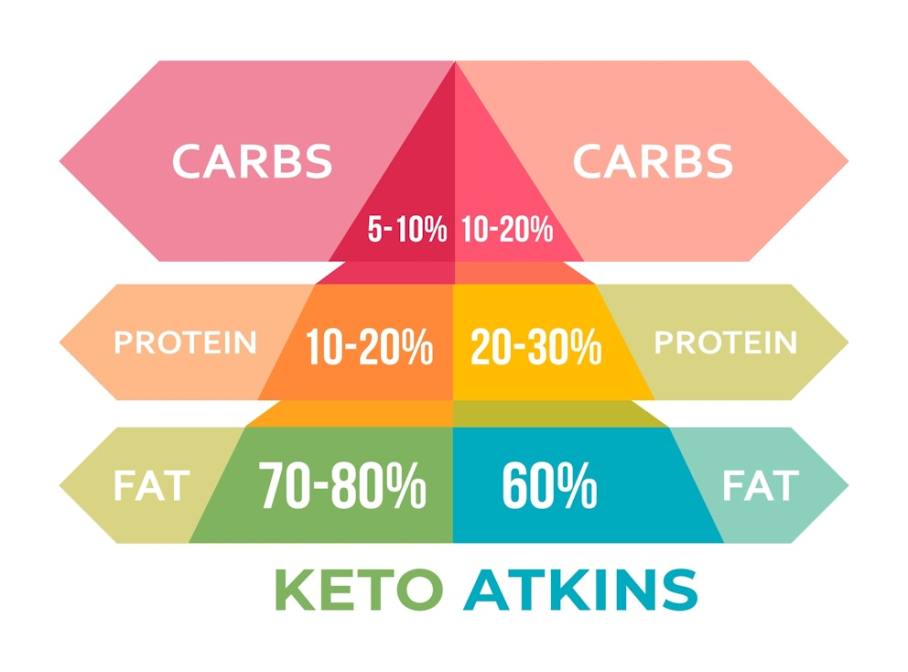
Credit: www.drberg.com
Health Implications
The Atkins Diet, a popular low-carb regimen, promises weight loss and improved health. However, its nutritional balance has been a topic of debate. Understanding the health implications of this diet can guide you in making informed decisions about your dietary choices.
Short-term Effects
Adopting the Atkins Diet might initially lead to rapid weight loss. This is often due to the body’s shift to burning fat for energy instead of carbohydrates. You may also experience increased energy levels and reduced appetite, making it easier to stick to the diet.
However, some people report experiencing fatigue, headaches, and dizziness in the early stages. These symptoms, often referred to as the “keto flu,” result from the body’s adjustment to a lower carb intake. It’s crucial to stay hydrated and ensure adequate electrolyte intake to mitigate these effects.
Long-term Consequences
Over time, the restrictive nature of the Atkins Diet could lead to nutrient deficiencies. Carbohydrates in whole grains and fruits provide essential vitamins and minerals. Missing out on these nutrients might affect your overall health.
Additionally, a high intake of saturated fats, often encouraged by the diet, could raise cholesterol levels. This may increase the risk of heart disease. Balancing your diet with healthy fats, like those found in avocados and nuts, could help reduce this risk.
Have you considered how sustainable the Atkins Diet is for your lifestyle? Long-term adherence requires careful planning to ensure nutritional needs are met. Consulting a healthcare professional can offer personalized guidance tailored to your health goals.
Comparative Nutritional Analysis
Examining the Atkins Diet reveals a focus on low carbohydrates, which may lead to nutrient gaps. Essential vitamins and minerals sometimes get excluded, raising concerns about balanced nutrition. Understanding these limitations can help address nutritional needs effectively.
Comparative Nutritional Analysis Diving into the nutritional aspects of the Atkins Diet compared to a traditional diet offers intriguing insights into how each approach affects your body. Is one really better than the other, or do they both have unique benefits? Let’s explore this through a detailed comparison.Traditional Diet Vs. Atkins
The traditional diet often emphasizes balance and moderation, including a variety of food groups like carbohydrates, proteins, and fats. On the other hand, the Atkins Diet drastically reduces carbs, focusing instead on proteins and fats. Consider this: while a typical meal plan might include whole grains, fruits, and vegetables, Atkins followers often opt for meat, cheese, and eggs. This shift significantly alters the macronutrient intake, raising questions about long-term health impacts.Scientific Studies And Findings
Numerous studies have been conducted to understand the nutritional implications of the Atkins Diet. Some research points to its effectiveness in weight loss, particularly in the short term, compared to traditional diets. However, concerns arise over the exclusion of certain nutrients, such as fiber and essential vitamins found in fruits and grains. Are these missing nutrients worth the trade-off for rapid weight loss? The science isn’t entirely conclusive, but it does suggest that understanding your body’s needs should be a priority when choosing a diet. Could a hybrid approach, balancing the best of both worlds, be the key to sustainable health?
Credit: www.onlymyhealth.com
Tips For Maintaining Balance
Maintaining balance on the Atkins Diet can be a bit tricky, given its focus on low carbohydrates. While it offers benefits like weight loss and improved energy levels, it’s crucial to ensure you’re not missing out on essential nutrients. How can you make sure your diet is well-rounded while following Atkins? Let’s dive into some practical tips.
Supplementation Strategies
Sometimes, despite your best efforts, your diet might lack certain nutrients. Consider using supplements as a safety net. A good multivitamin can cover your basic needs. Omega-3 supplements can help if your fish intake is low.
Think about calcium and vitamin D too, especially if dairy is limited. But remember, supplements are not a replacement for food. They’re just a backup plan. Always consult a healthcare professional before adding new supplements to your routine.
Dietary Adjustments
Making slight tweaks to your diet can boost its nutritional profile. Include a wide variety of protein sources, like eggs, poultry, and fish, to ensure you’re getting enough B vitamins and minerals.
Leafy greens and colorful veggies should be your go-to for fiber, vitamins, and antioxidants. If you’re missing your morning cereal, try adding seeds like chia or flax to your yogurt or salad for extra nutrients.
Have you thought about diversifying your fats? Incorporate nuts, seeds, and avocados to get healthy fats and keep your heart happy. Making small changes can lead to big improvements in your overall nutrition.
Balancing the Atkins Diet is entirely achievable with a mindful approach. How do you plan to keep your diet nutritious while staying true to Atkins? Share your thoughts!
Frequently Asked Questions
Does The Atkins Diet Provide Balanced Nutrition?
The Atkins Diet focuses on low carbs and high protein. While it can aid weight loss, it may lack essential nutrients like fiber, vitamins, and minerals. It’s important to plan meals wisely and consider supplements to ensure a balanced intake of all necessary nutrients for overall health.
What Nutrients Does The Atkins Diet Exclude?
The Atkins Diet significantly reduces carbohydrate intake, which can lead to a lack of fiber. Whole grains, fruits, and some vegetables are limited. This may result in insufficient vitamins and minerals, particularly those found in high-carb foods. Careful meal planning can help mitigate these exclusions.
Is The Atkins Diet Safe For Everyone?
The Atkins Diet might not be suitable for everyone, especially those with kidney issues or diabetes. Its high-protein nature can put stress on the kidneys. Always consult with a healthcare provider before starting any diet, especially if you have underlying health conditions or concerns.
Can The Atkins Diet Cause Nutrient Deficiencies?
Yes, the Atkins Diet can potentially cause nutrient deficiencies due to its restrictions on certain food groups. The limited intake of fruits, vegetables, and whole grains may lead to deficiencies in vitamins, minerals, and fiber. To avoid this, it’s important to diversify food choices and consider supplementation.
Conclusion
The Atkins Diet offers weight loss benefits but raises concerns about nutrition balance. Protein and fat take center stage, while carbs are limited. This can lead to missing out on essential nutrients found in fruits and grains. Fiber intake may drop, affecting digestive health.
Personal needs vary, so consult with a nutrition expert. Consider your health goals and preferences. Balance is key for long-term wellness. Explore food options and ensure nutrient diversity. Make informed choices for a healthier life. Remember, a diet should support overall well-being.