
Are you curious about the role testosterone plays in weight loss? If you’ve ever wondered whether this powerful hormone can help shed those stubborn pounds, you’re not alone.
Many people are exploring the link between testosterone and weight loss, but the information out there can be confusing. You want clear answers, and you’re in the right place. We’ll dive into the science behind testosterone and its potential impact on your weight.
You’ll discover surprising insights that could change the way you approach your weight loss journey. So, if you’re ready to unlock the secrets of testosterone and achieve your weight goals, keep reading. Your path to understanding starts here.
Role Of Testosterone In The Body
Testosterone plays a crucial role in the human body. It is a hormone that influences various functions. Understanding its impact can shed light on whether it affects weight loss.
Hormonal Functions
Testosterone is vital for male development. It supports muscle growth and bone density. It also affects mood and energy levels. In women, it helps maintain muscle and bone strength. It impacts libido in both genders.
Impact On Metabolism
Testosterone influences how the body processes food. It affects metabolism rates. Higher levels can lead to increased energy expenditure. This means burning calories faster. It also helps in building lean muscle. More muscle can increase metabolism further.

Credit: www.instagram.com
Testosterone And Fat Distribution
Testosterone is often linked to strength and masculinity, but its role in fat distribution is equally significant. Understanding how testosterone affects where fat is stored in the body can shed light on its potential impact on weight loss. Let’s explore the nuances of how testosterone influences fat distribution and storage.
Visceral Vs. Subcutaneous Fat
Fat in your body is not all the same. It primarily exists as visceral and subcutaneous fat. Visceral fat is the harmful type stored around your organs, linked to various health issues like heart disease and diabetes. Subcutaneous fat, on the other hand, is the fat just beneath your skin, typically less harmful.
Testosterone plays a role in reducing visceral fat, which can be beneficial for your health. Men with higher testosterone levels tend to have less visceral fat. This is a key reason why maintaining healthy testosterone levels can be essential for reducing health risks associated with high visceral fat.
Hormonal Influence On Fat Storage
Hormones are like your body’s internal messaging system, directing how and where fat is stored. Testosterone is a vital player in this system, influencing muscle mass and fat distribution. When testosterone levels are balanced, your body is more likely to burn fat efficiently.
A drop in testosterone can lead to increased fat storage, particularly in the abdominal area. This is why many men experience a change in body composition as they age. Ensuring your testosterone levels are in check may help you manage your weight more effectively.
Are you aware of your body’s fat distribution? Observing how your body changes with age or lifestyle adjustments can provide insights into your hormonal health. Monitoring these changes can be a practical step towards better managing your weight and overall health.
Mechanisms Of Weight Loss
Testosterone plays a role in weight loss by increasing muscle mass and boosting metabolism. Higher levels can lead to more efficient fat burning. But, it doesn’t directly cause significant weight loss on its own.
Understanding how testosterone influences weight loss can be both fascinating and enlightening. Testosterone, a hormone predominantly found in males but also present in females, plays several roles in the body, particularly related to weight management. Exploring the mechanisms of weight loss through testosterone can reveal surprising insights. Let’s delve into how increased muscle mass and energy expenditure contribute to this process.Muscle Mass Increase
Testosterone has a significant impact on muscle mass. When testosterone levels rise, so does your muscle-building potential. This is crucial because muscles burn more calories than fat, even at rest. Think of muscles as your body’s calorie-burning powerhouse. By increasing muscle mass, you naturally elevate your metabolic rate. Have you ever noticed how athletes seem to eat more but maintain a lean physique? Their increased muscle mass allows for greater calorie burning.Energy Expenditure
Testosterone doesn’t just boost muscle mass; it also enhances energy expenditure. This means your body can burn more calories throughout the day. Increased energy expenditure helps in weight management by balancing the calories consumed and burned. Imagine having more energy to tackle daily tasks and workouts, which in turn, encourages more calorie burning. Consider how you feel after a good workout—invigorated, right? That post-exercise energy spike is partially due to testosterone’s role in enhancing energy efficiency. Could this be the missing piece in your weight loss journey? By understanding these mechanisms, you can better harness testosterone’s potential benefits for weight management. Are you ready to leverage this knowledge for a healthier, leaner you?Research Findings
Recent studies explore the link between testosterone and weight loss. Increased testosterone may aid fat reduction and muscle growth. Results suggest potential weight management benefits for individuals with low levels.
Research on testosterone and weight loss shows mixed results. Some studies suggest a link, while others don’t. Understanding these findings can help clarify the relationship between testosterone and weight.Clinical Studies
Clinical studies explore testosterone’s effects on body weight in controlled settings. Some trials show testosterone therapy leads to fat reduction in men. These studies often involve men with low testosterone levels. They receive hormone treatments under medical supervision. Participants often experience weight loss during these trials. The loss is usually in fat mass, not muscle. This suggests testosterone may help burn fat. But, some studies found no significant weight changes. Researchers note that individual responses can vary.Observational Data
Observational data offers insights from real-world settings. Researchers observe people without interfering. Some observational studies found a link between testosterone levels and body weight. Men with higher testosterone often have lower body fat. This data suggests a possible connection. But, it’s not definitive. Other factors like diet and exercise also play roles. Observational studies don’t prove cause and effect. They highlight trends and associations instead. This means testosterone might influence weight indirectly. More research is needed to understand these findings fully.Factors Affecting Testosterone Levels
Testosterone levels can impact weight loss by influencing muscle mass and fat distribution. Higher testosterone may help with maintaining lean muscle, potentially aiding weight management. Factors like age, diet, and lifestyle affect testosterone levels, playing a role in how the body manages weight.
Understanding the factors affecting testosterone levels can provide insights into whether testosterone influences weight loss. Testosterone, a vital hormone in the body, plays a crucial role in muscle mass, energy levels, and overall vitality. However, its levels can fluctuate due to various factors, impacting your overall health and weight management.Age And Lifestyle
As you age, your testosterone levels naturally decline. This decrease can start as early as your 30s, potentially leading to weight gain if not managed properly. Engaging in a sedentary lifestyle can further exacerbate this decline. Adopting an active lifestyle can help maintain testosterone levels. Regular exercise, especially strength training, can boost hormone production. Have you considered how your daily routine might be impacting your hormonal health?Dietary Influences
What you eat significantly affects your testosterone levels. Diets high in processed foods and sugars can lead to lower testosterone levels. Conversely, a diet rich in healthy fats, proteins, and vegetables can support optimal hormone production. Incorporating foods like eggs, nuts, and leafy greens can be beneficial. Are you fueling your body with the right nutrients to support your testosterone levels? Understanding these factors can empower you to make informed decisions about your health. Small lifestyle and dietary changes can have a significant impact on maintaining healthy testosterone levels and supporting weight management.Testosterone Therapy
Testosterone therapy has gained attention in recent years. Many consider it for weight loss and overall wellness. This treatment involves supplementing testosterone levels in the body. It can help those with low testosterone levels. Some believe it might aid in shedding extra pounds.
Potential Benefits
Testosterone therapy can boost energy levels. Increased energy may lead to more physical activity. This can contribute to weight loss. Improved muscle mass is another benefit. Muscle burns more calories than fat. With therapy, muscle mass may increase, aiding weight management.
Enhanced mood and motivation are often reported. Feeling better can inspire healthier habits. Some users experience better sleep. Quality sleep supports weight control. Testosterone therapy may also regulate metabolism. A well-functioning metabolism can help maintain a healthy weight.
Risks And Side Effects
Not all experiences with testosterone therapy are positive. Some may face acne or oily skin. These skin changes can be bothersome. Hair loss is another concern. Some users notice thinning hair. Mood swings might occur. Emotional changes can impact daily life.
There is a risk of increased aggression. Behavioral changes can strain relationships. High red blood cell count is a potential side effect. This can lead to health complications. Heart issues are a serious risk. Users should monitor their heart health.
Consulting with a healthcare provider is crucial. Understanding the risks before starting therapy is important. Regular check-ups can help manage side effects. Being informed is key to safe testosterone therapy.
Alternatives To Enhance Testosterone
Boosting testosterone levels naturally can be a game-changer for many looking to improve their overall health and possibly aid in weight loss. While some may consider medical treatments, there are several alternatives that can help enhance testosterone levels without the need for prescriptions. This section will explore some of these options, focusing on natural supplements and lifestyle modifications.
Natural Supplements
Natural supplements can be a great way to support your body’s testosterone production. For example, zinc and vitamin D are essential nutrients that play a crucial role in hormone production. Many find that adding these to their daily regimen helps maintain healthy testosterone levels.
Another popular supplement is ashwagandha, an ancient herb known for its stress-reducing properties. Studies suggest it may boost testosterone by lowering cortisol levels. Always consult with a healthcare provider before starting any new supplement, especially if you have underlying health conditions.
Lifestyle Modifications
Simple lifestyle changes can significantly impact your testosterone levels. Regular exercise, particularly strength training, is known to naturally increase testosterone. Even a few sessions a week can make a difference.
Diet also plays a crucial role. Consuming a balanced diet rich in lean proteins, healthy fats, and vegetables can support hormone health. Avoiding excessive sugar and processed foods can further aid in maintaining optimal testosterone levels.
Stress management is equally important. High stress levels can lead to increased cortisol, which negatively affects testosterone. Find activities that help you relax, whether it’s yoga, meditation, or just a leisurely walk in nature.
Have you considered how your daily habits might be affecting your testosterone levels? Small changes can lead to significant benefits over time.

Credit: gamedaymenshealth.com
Myths And Misconceptions
Testosterone often gets blamed for weight loss problems. Many believe it is a magic fix. This belief leads to myths and misconceptions. Some think boosting testosterone will melt away fat. Others believe it is the sole reason for weight loss. These ideas can be misleading. Let’s clear up some common misunderstandings and set the record straight.
Common Misunderstandings
Some think higher testosterone means instant weight loss. This is not true. While testosterone plays a role in metabolism, it is not a quick fix. People also believe only men need to worry about testosterone levels. Women have testosterone too, and it affects their bodies. Another myth is that testosterone supplements guarantee weight loss. They might help, but they are not miracle cures. Lifestyle changes are still needed. These misunderstandings can lead people down the wrong path.
Scientific Clarifications
Research shows testosterone influences muscle and fat balance. It supports muscle growth and fat distribution. But, it is not the only factor in weight loss. Diet and exercise play significant roles. Studies suggest testosterone therapy may aid weight loss. Yet, it is not a standalone solution. The body needs a balance of hormones for optimal health. Testosterone is just one piece of the puzzle. Understanding its role requires looking at the bigger picture. Science helps clarify these complex interactions.
Final Thoughts
Understanding the link between testosterone and weight loss is important. Many people wonder if testosterone can really help lose weight. In this section, we explore key points and future research directions.
Summary Of Key Points
Testosterone plays a role in muscle growth and fat metabolism. Higher levels might help increase muscle mass and reduce fat. This can lead to weight loss and improved body composition. Yet, the effect of testosterone on weight varies among individuals. Diet, exercise, and lifestyle also play crucial roles. Hormone levels alone do not guarantee weight loss.
Future Research Directions
More studies are needed to understand testosterone’s impact on weight. Researchers should explore how testosterone interacts with other hormones. Examining different age groups and genders will provide more insights. Long-term studies can reveal potential health risks and benefits. This will help develop personalized treatment options for weight management.
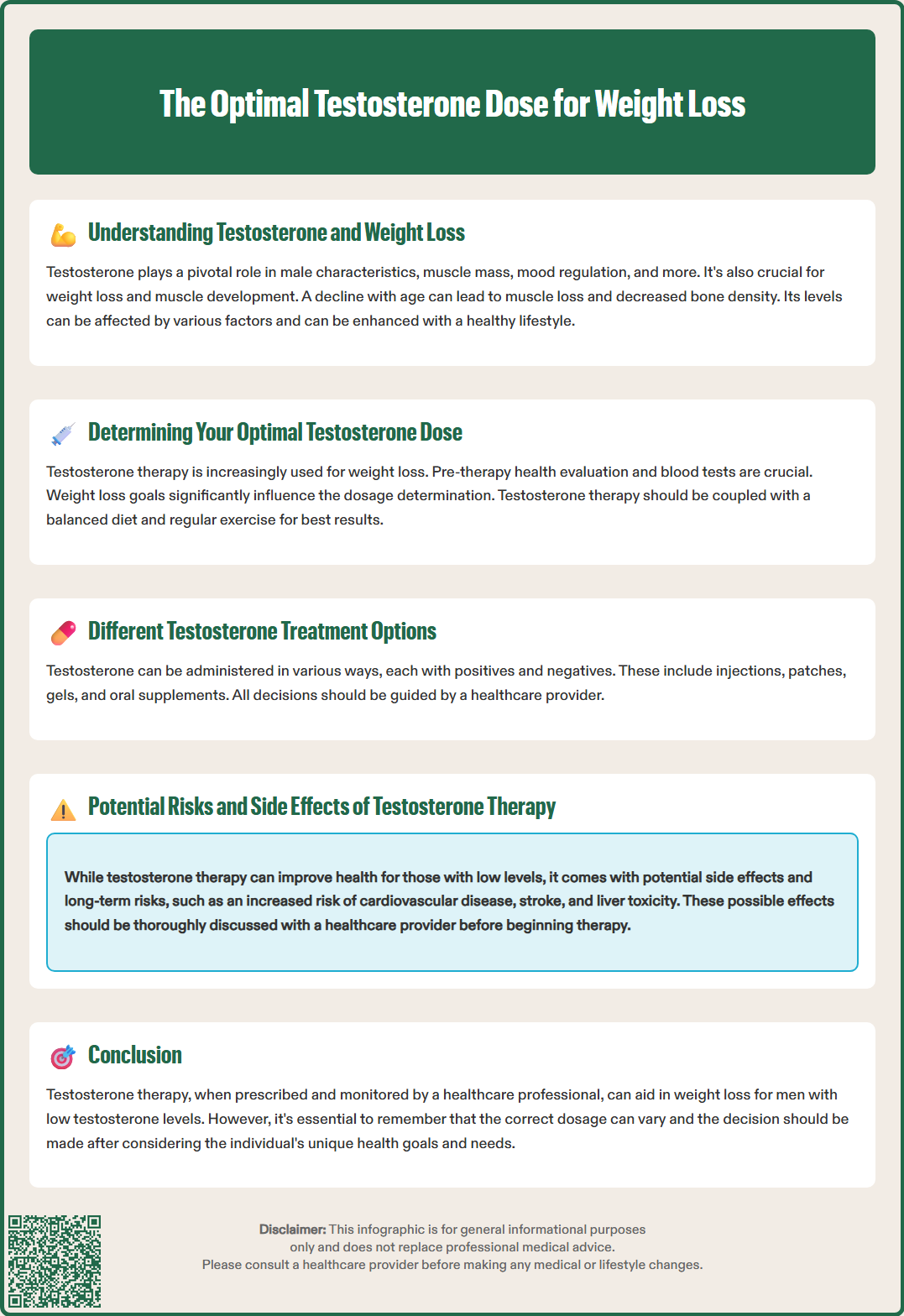
Credit: www.fellahealth.com
Frequently Asked Questions
Can Testosterone Help In Weight Loss?
Testosterone may aid weight loss by promoting muscle growth and boosting metabolism. Higher muscle mass increases calorie burning, aiding fat reduction. However, testosterone alone isn’t a weight-loss solution. A balanced diet and regular exercise are crucial for effective weight management.
Does Low Testosterone Lead To Weight Gain?
Low testosterone can lead to weight gain, particularly increased body fat. It may cause reduced muscle mass, slowing metabolism. This hormonal imbalance can result in weight gain. Addressing low testosterone through medical advice can help manage weight and improve overall health.
How Does Testosterone Affect Metabolism?
Testosterone enhances metabolism by increasing muscle mass, which burns more calories. Higher metabolism boosts energy expenditure, aiding in weight loss. However, testosterone’s impact varies among individuals. It’s important to combine hormonal health with lifestyle changes for optimal results.
Is Testosterone Therapy Effective For Weight Loss?
Testosterone therapy can support weight loss, particularly for those with low hormone levels. It helps increase muscle mass and improve metabolism. However, it’s not a standalone solution; a healthy diet and exercise are essential for effective weight management.
Conclusion
Testosterone impacts weight loss, but not dramatically. It can boost energy levels. That might help increase physical activity. More movement often leads to weight loss. Hormone levels vary for everyone. Consult a doctor for personalized advice. Eating well and exercising matter most for losing weight.
They create long-term health benefits. Testosterone plays a role but isn’t the sole answer. Balance is key in managing weight. Focus on lifestyle changes for lasting results. Healthy habits make the biggest difference. Always seek professional guidance when considering treatments.
Your body deserves the best care possible.