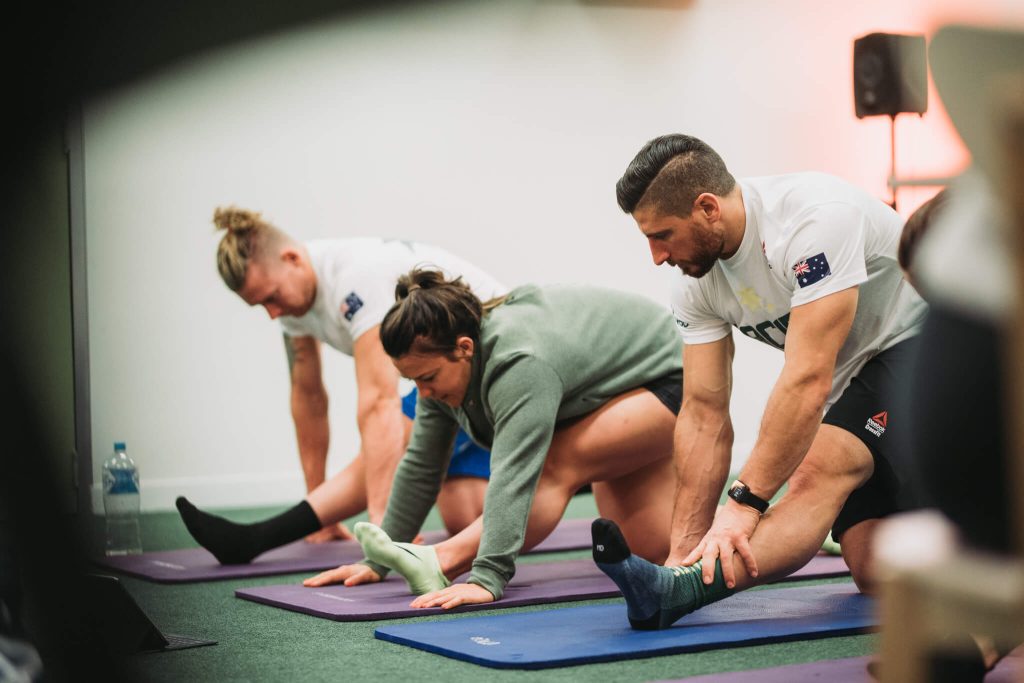
Imagine starting your workday feeling refreshed, agile, and ready to tackle anything that comes your way. Sounds perfect, right?
But there’s one question that might be lingering in your mind: does stretching before work actually prevent injury? You might have heard mixed opinions from friends or colleagues, and you’re probably wondering if it’s worth the extra few minutes every morning.
This topic not only affects your physical well-being but also your productivity and peace of mind throughout the day. By the end of this article, you’ll have a clear understanding of whether those early morning stretches can make a difference. So, stay with us as we dive into the science and benefits behind stretching, and discover how a few simple moves could potentially transform your daily routine.
Benefits Of Stretching
Stretching before work helps prepare muscles and improves flexibility. It reduces the risk of strains and sprains. Regular stretching can enhance posture and circulation, promoting overall well-being.
Stretching is often overlooked in our daily routines, especially before diving into work. Yet, it offers a host of benefits that can significantly impact your day. From enhancing flexibility to boosting circulation, stretching prepares your body for the demands ahead. Have you ever considered how a simple stretch could transform your workday?Increased Flexibility
Flexibility is not just for athletes or yogis; it’s crucial for everyone. Regular stretching helps maintain and improve your range of motion. This means everyday activities become easier, and your risk of injury decreases. Imagine being able to reach for that top shelf without a second thought!Improved Circulation
Stretching stimulates blood flow throughout your body. Enhanced circulation means your muscles get more oxygen and nutrients, helping them work efficiently. Have you noticed feeling more alert after a good stretch? That’s your body thanking you for the increased blood flow.Enhanced Muscle Performance
Stretched muscles perform better, whether you’re lifting a box or typing at your desk. They are more responsive and less prone to strain. A quick stretch can also act as a reset button, helping your muscles recover faster after a long period of inactivity. What could better muscle performance mean for your productivity? Incorporating stretching into your routine is a simple yet powerful way to improve your physical health and work efficiency. So, next time you feel a twinge of tension or fatigue, consider taking a moment to stretch. How might this small change impact your day-to-day life?Common Myths About Stretching
Stretching is often seen as a vital part of exercise routines. Despite its popularity, several myths surround its effectiveness in preventing injuries. Understanding these misconceptions can help create a better approach to injury prevention.
Stretching Prevents All Injuries
Many believe stretching can prevent all types of injuries. This is not entirely true. Stretching improves flexibility and prepares muscles for activity. It doesn’t shield against every potential injury. Injuries can still occur due to overuse or improper technique.
Stretching Is Necessary Before Every Activity
Some assume stretching is crucial before any physical activity. This is a common myth. Not every activity requires extensive stretching. Activities like walking or light jogging might need less preparation. Consider the type of exercise and your body’s needs.
Static Vs. Dynamic Stretching
There’s confusion about which type of stretching is best. Static stretching involves holding a position for a period. Dynamic stretching includes movement and active muscle engagement. Both have benefits, but dynamic stretching is often better before intense activity. It warms up muscles and enhances blood flow.
Scientific Evidence On Stretching And Injury Prevention
Understanding the role of stretching in injury prevention is crucial. Many believe stretching before work can reduce injury risk. But what does science say? Let’s explore the evidence behind stretching and its impact on injury prevention.
Research Findings
Scientific research offers mixed views on stretching’s benefits. Some studies suggest stretching improves flexibility. Flexibility can enhance muscle function and reduce injury risk. Yet, others find no significant link between stretching and fewer injuries.
Experts say the type and timing of stretching matter. Static stretching before intense activity might not be effective. Dynamic stretching can prepare muscles better for physical tasks. This form of stretching involves movement. It warms up muscles and may enhance performance.
Comparative Studies
Studies compare stretching with other warm-up routines. Dynamic stretches often show better results than static stretches. Athletes who perform dynamic stretches report fewer injuries. Static stretching can sometimes decrease muscle strength temporarily.
Research also compares stretching with no stretching. Some findings show little difference in injury rates. This suggests stretching might not be the only factor in injury prevention. Other warm-up activities might also play a role.

Credit: pliability.com
Types Of Stretching Techniques
Stretching techniques like dynamic, static, and ballistic can help prepare muscles and joints for work. They increase flexibility and blood flow, potentially reducing injury risk. Regular practice makes muscles more resilient, enhancing overall safety during physical activities.
Understanding the right stretching techniques can prevent work-related injuries. Different types of stretching target various muscle groups and improve flexibility. These techniques can enhance your daily performance and reduce the risk of strains.Static Stretching
Static stretching involves holding a position for a set time. It targets specific muscles to improve flexibility. This technique is best done after a warm-up. Hold each stretch for 15 to 30 seconds. Focus on slow, deep breathing to relax the muscles. This type of stretching helps in relaxing tight muscles.Dynamic Stretching
Dynamic stretching uses movement to prepare muscles for activity. It involves controlled leg and arm swings. This technique increases blood flow and warms up the body. It’s ideal before starting work or exercise. Spend 5 to 10 minutes doing dynamic stretches. They help in activating muscles and improving range of motion.Proprioceptive Neuromuscular Facilitation
Proprioceptive Neuromuscular Facilitation, or PNF, combines stretching and contracting muscles. It often requires a partner for maximum effect. Start by stretching the muscle, then contract it for a few seconds. Release and stretch further. This technique boosts flexibility and muscle strength. It’s effective but may not be suitable for beginners. Always ensure proper form to avoid injury.Effective Stretching Practices For Work
Stretching before work can help prevent injuries by preparing muscles for activity. It improves flexibility and reduces muscle tension. Regular stretching routines promote better posture and overall physical health.
Effective stretching practices at work can enhance flexibility and reduce injury risk. Regular stretching improves blood flow and eases muscle tension. It creates a more comfortable and productive work environment. Let’s explore key elements of an effective stretching routine for work.Time And Duration
Allocate a few minutes to stretch every hour. Short, frequent sessions are more beneficial than longer, sporadic ones. A five-minute stretch can make a significant difference. Stretching doesn’t need to be time-consuming to be effective.Targeted Muscle Groups
Focus on muscles used in your daily tasks. Stretch the neck, shoulders, and back if you sit at a desk. For standing jobs, stretch the legs and lower back. Identify your specific needs and target those muscle groups.Incorporating Stretching Into Daily Routine
Make stretching a part of your daily schedule. Set reminders to stretch during breaks. Use stretching apps or videos for guidance. Engage your colleagues to join and make it a group activity. Create a habit that fits seamlessly into your workday.
Credit: www.facebook.com
Alternatives To Stretching For Injury Prevention
While stretching is often touted as the go-to method for preventing workplace injuries, it’s not the only approach. In fact, there are several effective alternatives that can be just as beneficial, if not more so. Exploring these options could transform your daily routine and significantly reduce the risk of injury.
Warm-up Exercises
Before diving into your tasks, consider starting with some warm-up exercises. Simple activities like jumping jacks or a brisk walk can increase your heart rate and get your blood flowing. This prepares your muscles and joints for the day ahead, reducing the risk of strain.
Think about how athletes warm up before a game. You can apply the same concept to your work routine. Even a few minutes can make a noticeable difference in how your body feels and performs.
Strength Training
Building strength is another powerful alternative to stretching. Strong muscles support your joints and help maintain proper alignment. This reduces the likelihood of injury from repetitive tasks or awkward movements.
You don’t need to hit the gym every day to benefit from strength training. Simple exercises like squats, lunges, and push-ups can be done at home or during breaks. Over time, you’ll notice improved stamina and reduced fatigue.
Posture Correction
Improving your posture is a proactive way to prevent injuries. Poor posture can lead to muscle imbalances and joint stress. By focusing on maintaining a neutral spine and sitting or standing correctly, you can alleviate unnecessary pressure on your body.
Consider using ergonomic furniture or tools to support good posture. Regularly check in with your body throughout the day to ensure you’re not slumping or straining. Small adjustments can lead to significant improvements in how you feel.
Have you ever noticed how your body feels after sitting or standing with poor posture for long periods? Making these small changes can be the key to long-term comfort and injury prevention.
Expert Opinions On Stretching
Stretching before work sparks diverse opinions among experts. Some advocate for it, while others see limited benefits. Understanding expert opinions can help you decide if stretching suits your needs.
Physical Therapists’ Insights
Physical therapists often emphasize flexibility and mobility. They believe stretching can prepare the body for physical tasks. Stretching may help in reducing muscle tightness. This can decrease the risk of strains and sprains.
Therapists suggest focusing on major muscle groups. Incorporate dynamic stretches for better movement. This approach may enhance blood flow and muscle readiness.
Athletic Trainers’ Recommendations
Athletic trainers offer practical tips on stretching. They recommend a balance between dynamic and static stretches. Dynamic stretches warm up the muscles before activity. Static stretches can be more beneficial after work.
Trainers advise listening to your body. Never push yourself too hard. Stretching should be gentle and controlled. This reduces the chance of overstretching and injury.

Credit: www.instagram.com
Frequently Asked Questions
Does Stretching Reduce Work-related Injuries?
Stretching can enhance flexibility and blood circulation, potentially reducing work-related injuries. Regular stretching improves muscle performance, thus preventing strains and sprains. However, it should be part of a comprehensive safety plan including proper ergonomics and breaks.
How Long Should You Stretch Before Work?
A stretching routine of 5-10 minutes before work is effective. Focus on major muscle groups and areas prone to stiffness. Consistency is key; make stretching a daily habit for best results.
What Are The Benefits Of Stretching At Work?
Stretching at work boosts circulation, reduces stress, and increases productivity. It helps prevent muscle stiffness and fatigue. Regular breaks for stretching can improve overall well-being and enhance focus.
Are There Specific Stretches For Office Workers?
Yes, office workers can benefit from neck, shoulder, and back stretches. These alleviate tension from prolonged sitting. Simple stretches, like wrist flexors and hamstring stretches, can be done at your desk.
Conclusion
Stretching before work offers many benefits. It reduces muscle tension and boosts flexibility. These factors can help prevent injuries. Regular stretching keeps muscles warm and ready for action. It prepares the body for daily tasks. A short routine is enough to make a difference.
Listen to your body and stretch regularly. You will feel more relaxed and energetic. Make stretching a daily habit for better health. It’s a simple step towards safety at work. Stay active, stay safe, and enjoy your work more. Keep your muscles happy!