Are you tired of the same old gym routine and looking for a fun, effective way to build muscle? You’re not alone.
Many fitness enthusiasts are turning to skipping as a potential game-changer in their workout regimen. But can something as simple as skipping really help you bulk up? This question might have crossed your mind more than once as you watched athletes and fitness influencers effortlessly hop their way to toned physiques.
We’ll dive deep into the world of skipping and explore its potential muscle-building benefits. You’ll discover the surprising science behind this seemingly playful exercise and find out if it can be the secret weapon in your fitness arsenal. By the end, you might just be convinced to swap out some of your usual routines for a jump rope. Ready to find out if skipping can help you achieve the muscle gains you crave? Let’s jump right in!
The Science Behind Skipping
Skipping is not just for playgrounds. It’s a powerful exercise with scientific backing. This activity engages multiple muscle groups. It enhances cardiovascular health and muscle engagement. Explore the science behind skipping and its benefits.
Cardiovascular Benefits
Skipping elevates your heart rate quickly. This boosts blood circulation efficiently. It strengthens the heart and improves endurance. Regular skipping can lower the risk of heart disease. It also enhances lung capacity.
Muscle Engagement
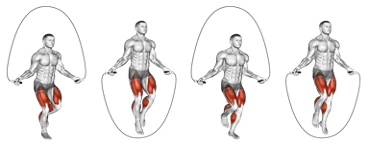
Skipping activates muscles in the legs, arms, and core. The jumping motion targets calves, quads, and glutes. It also engages your shoulders and forearms. This full-body workout helps tone muscles effectively. Consistent skipping leads to muscle growth and definition.
Muscle Groups Targeted
Skipping primarily targets the calves, thighs, and glutes. It also engages the core and shoulders, promoting muscle endurance. Regular practice enhances cardiovascular fitness while strengthening various muscle groups.
Skipping is not just for cardio. It targets several muscle groups, giving a full-body workout. Using a jump rope can help engage muscles in the lower body, core, and even the upper body. Let’s explore which muscles get a workout during a skipping session.Lower Body Muscles
Skipping strengthens the legs. The calves play a big role, powering each jump. The quadriceps and hamstrings also get involved. These muscles help lift and stabilize the legs. The constant jumping motion helps tone these areas. Over time, this can lead to increased endurance and strength.Core Activation
The core helps maintain balance during skipping. It keeps the body upright and stable. The abdominal muscles and obliques work together. This engagement can improve core strength. A strong core helps with posture and reduces the risk of injury. Skipping is an effective way to activate these muscles.Upper Body Involvement
The upper body also benefits from skipping. The shoulders and arms move with each turn of the rope. This movement strengthens and tones these muscles. The wrists and forearms get a workout too. Skipping may not build large muscles here, but it does improve endurance. Regular practice can lead to toned and fit arms.Skipping For Strength Training
Skipping is not just for cardio. It can be a powerful tool for strength training too. This simple exercise engages multiple muscle groups. It can enhance muscle tone and endurance. Skipping builds coordination and balance. It’s a full-body workout in a small package. Let’s explore how skipping can strengthen muscles.
Intensity And Resistance
Increasing skipping intensity boosts muscle engagement. Faster jumps mean more muscle work. You can also add resistance. Heavier ropes make muscles work harder. This challenges your strength. It’s like lifting weights but with a rope.
Short, intense intervals can be effective. They build both strength and stamina. Alternate between fast and slow jumps. This keeps muscles guessing. It prevents adaptation, promoting growth.
Incorporating Weights
Adding weights can take skipping to the next level. Use ankle weights or weighted vests. They increase resistance, requiring more effort. This enhances muscle development. It’s like combining skipping with weightlifting.
Start with light weights. Gradually increase as you build strength. Ensure proper form to avoid injury. Weighted skipping can target specific muscle groups. It offers a diverse workout experience.
Comparing Skipping To Other Exercises
When it comes to building muscle, exercise choices can make a significant difference. Skipping, often seen as a simple childhood pastime, is gaining popularity as a workout. But how does it compare to other common exercises like running and jumping jacks? Let’s explore these comparisons to see where skipping stands.
Skipping Vs. Running
Running is a staple in many fitness routines, known for its cardiovascular benefits and muscle toning. However, skipping can offer a similar cardio workout with less impact on your joints. While running primarily works on your lower body, skipping engages your entire body, including your arms and core. A session of skipping can burn more calories in less time, potentially making it a more efficient workout for those looking to maximize their exercise time.
Skipping Vs. Jumping Jacks
Jumping jacks are often used as a quick warm-up, but can they build muscle like skipping? Both exercises focus on cardiovascular health and muscle endurance, yet skipping tends to engage more muscle groups simultaneously. Jumping jacks are great for beginners, providing a full-body workout with a simple movement. However, skipping can be more intense, offering increased resistance and a higher calorie burn, pushing your muscles to work harder and potentially grow stronger over time.
So, which exercise will you choose to elevate your fitness routine? Each has its benefits, but skipping might surprise you with its muscle-building potential.
Effective Skipping Techniques
Skipping isn’t just a childhood game; it’s an effective workout that can help you build muscle. But to maximize your gains, you need to master specific techniques. The right form and advanced variations can make your skipping routine more challenging and rewarding. Let’s dive into how you can perfect your skipping technique and take your fitness to the next level.
Proper Form
Proper form is crucial when you’re skipping to build muscle. Start by maintaining a straight posture with your head up and eyes forward. This alignment helps keep your back straight and prevents unnecessary strain.
Next, focus on your grip. Hold the rope handles lightly, allowing the wrists to do most of the work. Your elbows should be close to your sides, creating small circles with your wrists as you swing the rope.
Keep your knees slightly bent. This will absorb the impact and protect your joints. As you jump, land softly on the balls of your feet. This technique helps develop calf muscles and improves overall leg strength.
Advanced Variations
Once you have mastered the basic form, it’s time to explore advanced skipping variations. These can help increase the intensity and muscle-building potential of your workout.
Try the double under technique, where the rope passes under your feet twice in one jump. This requires more speed and coordination, engaging your arms, shoulders, and core muscles.
Another effective variation is the high knee skip. It involves lifting your knees higher with each jump, which targets your quadriceps and boosts cardiovascular endurance.
For an extra challenge, incorporate the criss-cross technique. As you jump, cross your arms in front of you and uncross them on the next jump. This engages the chest and back muscles, adding complexity to your routine.
Credit: www.ulike.com
Creating A Skipping Workout Routine
Skipping can help build muscle, especially in the legs and core. It’s an intense cardio workout that engages multiple muscle groups. Incorporating varied skipping techniques can enhance muscle strength and endurance.
Creating a Skipping Workout Routine Jumping rope is not just child’s play; it’s a powerhouse for building muscle and enhancing endurance. But how do you turn this simple activity into a structured workout routine? The key lies in balancing intensity, duration, and recovery. Whether you’re aiming to tone up or boost cardiovascular fitness, crafting a skipping routine tailored to your goals can make all the difference.Warm-up And Cool Down
Before you start skipping, it’s essential to prepare your body with a warm-up. Warm-ups can prevent injuries and improve performance. Begin with dynamic movements like arm circles and leg swings for about five minutes. After your skipping session, cooling down is just as crucial. Slow your pace and gradually bring your heart rate down. Finish with static stretches focusing on the calves, hamstrings, and shoulders. These post-workout stretches will help your muscles recover and reduce soreness.Interval Training
Interval training adds variety and intensity to your skipping routine. Start with short bursts of high-speed skipping, followed by brief periods of rest or slower skips. This approach not only builds muscle but also enhances cardiovascular health. For example, try skipping for one minute at high intensity, then rest for 30 seconds. Repeat this cycle for 10 minutes. Adjust the intervals as you get stronger. Could alternating between high and low intensity be the secret to maximizing your workout? Push yourself but listen to your body; it’s about finding that perfect balance.Common Mistakes To Avoid
Skipping is a popular exercise with benefits like improved cardio and muscle building. Yet, many people make mistakes that can hinder progress. Understanding these common errors is crucial for effective workouts. Avoiding pitfalls ensures better results and reduces injury risks.
Overtraining
Some believe more skipping means more muscle gains. This isn’t true. Overtraining can lead to fatigue and injuries. Muscles need time to recover and grow. Balance your workout routine with rest days. Listen to your body for signs of overtraining. Soreness, tiredness, or lack of progress indicate it’s time to rest.
Ignoring Recovery
Recovery is essential for muscle growth. Ignoring it can slow progress. After intense skipping sessions, muscles need proper rest. Stretching helps ease muscle tension. Hydration supports recovery and prevents cramps. Sleep is vital for muscle repair. Prioritize recovery for effective muscle building.
Credit: gymnation.com
Success Stories And Testimonials
Success stories reveal how skipping can enhance muscle tone over time. Testimonials highlight increased strength and endurance from regular skipping routines.
Success stories often inspire us to try new things. When it comes to fitness, personal experiences can be a great motivator. Many people have shared how skipping has helped them build muscle and improve overall fitness.Personal Transformations Through Skipping
John, a 35-year-old, was struggling with gym routines. He decided to try skipping every day. Within a few months, he noticed a significant change. His calves became more defined. His endurance improved as well. Skipping transformed his fitness journey. He now skips regularly to maintain muscle tone.Community Success Stories
Skipping clubs are growing in popularity. Members share amazing results from consistent skipping. Lisa, a club member, shared her story. She started with 10 minutes a day. Her stamina and muscle strength increased over time. The support from the community kept her motivated.Celebrity Testimonials
Some celebrities have also praised skipping. They include it in their fitness routines. A well-known actress shared her secret. Skipping helped her stay fit during busy schedules. She revealed her toned arms were a result of regular skipping. Her testimonial inspired many fans to pick up the rope.Health Experts’ Recommendations
Doctors and trainers often recommend skipping. They emphasize its muscle-building benefits. Dr. Smith, a fitness expert, recommends skipping. He states it is effective for building leg muscles. He advises beginners to start slow and increase gradually. Many clients have seen results with his guidance.Expert Tips For Maximizing Results
Skipping, a simple yet effective exercise, can aid in building muscle. With the right techniques, you can maximize your results. This guide offers expert tips to enhance your skipping routine. Focus on proper nutrition and balance with other exercises to see the best outcomes.
Nutrition And Supplementation
Eating right fuels your body for muscle growth. Consume protein-rich foods like eggs and chicken. They help repair and build muscles. Don’t skip healthy fats and carbs. They provide energy for your workouts. Consider supplements if needed. Whey protein and creatine are popular choices. Always consult a doctor before starting supplements.
Balancing With Other Exercises
Skipping alone might not target all muscle groups. Combine it with strength training for better results. Exercises like squats and push-ups complement skipping. They help build overall muscle strength. Dedicate time for rest and recovery. Muscles grow when they rest. Skipping three times a week with other exercises is ideal.

Credit: www.menshealth.com
Frequently Asked Questions
Can Skipping Help In Muscle Growth?
Skipping primarily targets cardiovascular health, but it can aid muscle toning. It engages your calves, hamstrings, and glutes, providing a decent workout. While it doesn’t directly build muscle, it complements strength training. Incorporate skipping into your routine for improved endurance and leg definition.
Does Skipping Burn Fat For Muscle Building?
Skipping is an effective fat-burning exercise. It boosts metabolism, helping you lose fat, which can reveal muscle definition. However, muscle building requires resistance training. Pair skipping with weightlifting for optimal results. Fat loss complements muscle growth, enhancing your overall physique.
How Often Should I Skip For Muscle Tone?
For muscle tone, skipping 3-5 times a week is beneficial. Each session should last 10-20 minutes for effective results. Consistency is key to seeing noticeable changes. Combine skipping with strength exercises for balanced muscle development and improved fitness levels.
Is Skipping Better Than Running For Muscles?
Skipping and running both offer cardiovascular benefits. Skipping engages more muscle groups, aiding in toning. Running primarily focuses on leg endurance. For muscle growth, incorporate both into your routine. Balance skipping with weight training for comprehensive muscle development and fitness.
Conclusion
Skipping can help build muscle, but it isn’t the only way. It boosts cardiovascular health and improves coordination. Jumping works multiple muscle groups, enhancing strength. Consistency is key for muscle growth. Combine skipping with other exercises for best results. A balanced diet supports muscle development.
Listen to your body to avoid injury. Enjoy the process and stay committed. Each jump counts toward your fitness goals. Skipping is fun and effective. Make it part of your routine. Experience the benefits firsthand. Keep moving, stay active, and watch your muscles grow.