Have you ever wondered if Prednisone, a medication commonly prescribed for inflammation, could also help you build muscle? You’re not alone.
Many people, including fitness enthusiasts and those managing chronic conditions, are curious about the effects of Prednisone on muscle growth. The truth might surprise you. We’ll unravel the science behind Prednisone and its impact on your body. We’ll delve into what this medication really does and whether it can be your secret weapon for gaining muscle.
Stick around as we reveal the facts and myths surrounding Prednisone and muscle building. Your health and fitness journey deserves the best information, and we’re here to provide it.
What Is Prednisone?
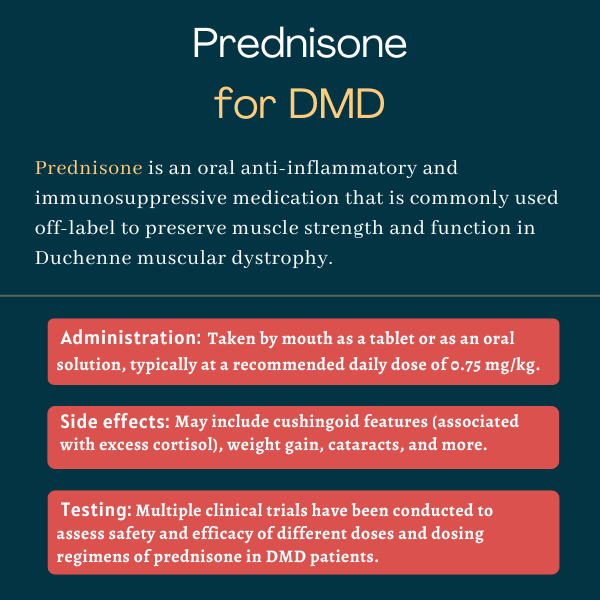
Prednisone is a medication widely known for its potent effects. It belongs to a class of drugs called corticosteroids. Prednisone mimics the action of hormones produced by the adrenal glands. It is often prescribed to reduce inflammation in the body. This medication can treat various conditions, ranging from allergies to autoimmune diseases.
Steroidal Composition
Prednisone is classified as a synthetic corticosteroid. It works by suppressing the immune system’s response. This helps decrease inflammation and swelling. Unlike anabolic steroids, prednisone does not promote muscle growth. Its primary function is managing inflammation and immune-related disorders.
Medical Uses
Prednisone is used in treating a variety of medical conditions. It can be prescribed for asthma, arthritis, and lupus. It also helps with skin disorders and allergic reactions. Doctors often use it to manage severe inflammation. Prednisone is helpful in controlling autoimmune diseases. It can be part of cancer treatment plans too. Patients might receive it after organ transplants. It aids in preventing organ rejection. Prednisone’s effectiveness makes it a common choice for many conditions.
How Prednisone Works
Prednisone is a synthetic steroid that mimics cortisol. Doctors prescribe it for its powerful anti-inflammatory properties. This medication can affect several bodily functions. Understanding how prednisone works helps in grasping its impact on muscle growth.
Mechanism Of Action
Prednisone works by suppressing the immune system. It reduces inflammation by decreasing the activity of the body’s defense system. This steroid interferes with certain chemicals that cause inflammation. Prednisone converts into prednisolone in the liver. Prednisolone then binds to glucocorticoid receptors in cells. This binding alters the expression of genes involved in inflammation.
Effects On The Body
Prednisone affects various parts of the body. It can increase fluid retention and lead to weight gain. Muscle strength may decrease due to protein breakdown. Prednisone can weaken bones, increasing the risk of fractures. Blood sugar levels might rise, affecting energy levels. Long-term use can lead to skin thinning. It may also cause mood changes and insomnia. Understanding these effects is crucial when considering prednisone for muscle-related goals.
Prednisone And Muscle Growth
Prednisone, a corticosteroid, is widely used to treat inflammation and autoimmune conditions. But does it play a role in building muscle? This question often intrigues individuals looking to enhance their physical performance or recover from illness. Understanding how prednisone interacts with muscle growth requires a closer look at both anecdotal claims and scientific evidence.
Anecdotal Claims
Many people claim that prednisone boosts muscle growth. Some bodybuilders even swear by its ability to enhance muscle mass and strength. They report feeling stronger and more energetic during workouts while on prednisone. However, these claims often lack reliable backing and can be misleading.
Consider your own experience or those you know who’ve used prednisone. Did you notice any changes in muscle size or strength? These personal stories can vary widely. Remember, what works for one person may not work for another.
Scientific Evidence
Scientific research offers a more nuanced view. Prednisone can indeed affect muscle growth, but not always positively. While it may reduce inflammation and pain, long-term use can lead to muscle weakness and atrophy. Studies show that high doses over extended periods may cause muscle wasting.
Are you relying on prednisone for muscle building? It’s essential to weigh its potential benefits against the risks. Short-term use might offer relief and slight muscle improvement, but sustained use could hinder your fitness goals.
Consulting with healthcare professionals can provide insights tailored to your needs. They can help you balance medication with exercise plans to support muscle health effectively.
Potential Benefits
Prednisone is a corticosteroid often prescribed for its anti-inflammatory effects. While it’s not directly associated with muscle building, some benefits may indirectly support muscle preservation. Understanding these potential benefits provides a clearer picture of how prednisone might affect the body.
Anti-inflammatory Properties
Prednisone reduces inflammation in the body. This property can be helpful for those with muscle inflammation. When inflammation decreases, pain and discomfort often reduce too. This can allow individuals to engage in physical activities more comfortably. By reducing pain, prednisone can help maintain a more active lifestyle.
Indirect Muscle Preservation
Prednisone helps manage autoimmune and inflammatory conditions. These conditions often lead to muscle wasting. By controlling inflammation, prednisone may help preserve muscle mass. It can be crucial for those with chronic inflammatory diseases. This preservation helps maintain a healthier body composition.
It’s important to note that prednisone should be used under medical supervision. The potential benefits must be weighed against possible side effects. Always consult with a healthcare provider before starting any medication.
Potential Side Effects
Potential Side Effects Prednisone can lead to muscle weakness rather than building muscle. Users might experience side effects like weight gain, mood swings, and high blood pressure. Long-term use can also cause bone thinning and increased infection risk.
Prednisone is a powerful medication often used to reduce inflammation and suppress the immune system. While it can be effective for various medical conditions, it comes with a range of potential side effects. Understanding these side effects is crucial if you are considering or currently using prednisone, especially if you’re curious about its impact on muscle building.Muscle Weakness
One surprising side effect of prednisone is muscle weakness. While you might expect a medication to help with muscle growth, prednisone can actually have the opposite effect. It can lead to muscle atrophy, which is the weakening and shrinking of muscle tissue. Have you noticed any unusual fatigue or difficulty performing physical tasks? This could be due to prednisone’s impact on your muscles. It’s important to discuss these symptoms with your healthcare provider to find ways to manage or mitigate them.Weight Gain
Another common side effect of prednisone is weight gain. This happens because prednisone can increase your appetite and cause your body to retain more fluid. You may find yourself craving more food than usual, which can lead to extra pounds. Are you struggling with maintaining your weight while on prednisone? Monitoring your diet and staying active can help, but it’s often easier said than done. Consulting with a nutritionist can provide personalized strategies to keep your weight in check while taking this medication. In the journey of managing your health with prednisone, being aware of these side effects can empower you to make informed decisions. Have you experienced any of these issues? Sharing your experiences with others can provide support and uncover new ways to cope.
Credit: www.instagram.com
Comparing Prednisone With Anabolic Steroids
Prednisone and anabolic steroids often get confused. Both are used in medicine and sports. Yet, they serve very different purposes. Understanding their differences is vital. It helps in deciding which is suitable for muscle growth.
Differences In Function
Prednisone is a corticosteroid. It reduces inflammation and treats conditions like arthritis. Its main job is not muscle growth. Anabolic steroids, on the other hand, are designed to mimic testosterone. They promote muscle growth and enhance performance. Their function centers on building muscle mass. This makes them more popular in bodybuilding.
Impact On Muscle Mass
Prednisone does not directly build muscle. It may help maintain muscle by reducing inflammation. But prolonged use can lead to muscle wasting. Anabolic steroids encourage protein synthesis. This leads to increased muscle size and strength. Users often see rapid gains in muscle mass. Yet, they come with risks. These include heart problems and hormonal imbalances.
Expert Opinions
Prednisone is a steroid often discussed for its effects on muscles. Some experts say it can reduce muscle inflammation. Others point out that it might lead to muscle weakness with long-term use.
Understanding whether prednisone contributes to muscle building can be quite intriguing. Expert opinions vary, often influenced by their specific fields and experiences. Let’s explore what both medical professionals and fitness experts have to say about this topic.Medical Professionals
Medical professionals typically emphasize prednisone’s primary role as an anti-inflammatory medication. It’s commonly prescribed to treat conditions such as arthritis, asthma, and autoimmune disorders. While it may reduce inflammation that could indirectly assist in muscle recovery, it doesn’t inherently build muscle. Doctors often warn about the side effects of long-term prednisone use. These can include muscle weakness and even muscle wasting, known as steroid myopathy. So, it’s crucial to use prednisone under strict medical guidance to avoid these adverse effects.Fitness Experts
Fitness experts often highlight the importance of natural muscle-building strategies. They advocate for a balanced diet rich in protein and regular strength training exercises. Using prednisone as a muscle-building aid is generally not recommended in fitness circles. They argue that relying on medications like prednisone can lead to unhealthy shortcuts that undermine long-term health and fitness goals. The consensus is clear: focus on sustainable practices rather than quick fixes. Have you ever considered how medications might impact your workout results? It’s essential to consult both medical and fitness experts when exploring such questions. Their combined insights can guide you towards healthier, more effective fitness strategies.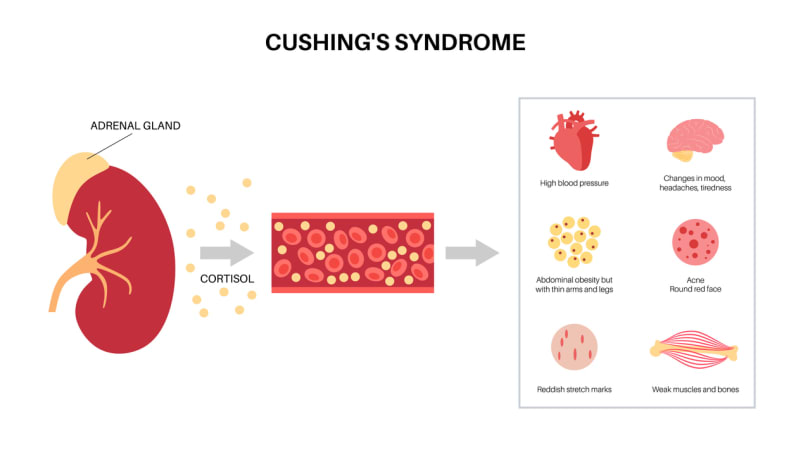
Credit: www.drugs.com
Alternatives For Muscle Building
Prednisone is not designed for muscle building. It’s a steroid with anti-inflammatory properties often used for medical conditions. For muscle growth, consider weight training, protein-rich diets, and natural supplements. These methods support muscle development without the side effects linked to prednisone.
Building muscle is a goal for many fitness enthusiasts, but relying on medications like prednisone isn’t the ideal path. Prednisone is a steroid used to treat inflammation, not to build muscle. Fortunately, there are healthier alternatives that can effectively support muscle growth. By focusing on natural supplements, proper diet, and consistent exercise, you can achieve your muscle-building goals in a sustainable way.Natural Supplements
Natural supplements can be a great addition to your muscle-building routine. Consider adding protein powders, especially those derived from whey or plant sources, to your diet. These supplements provide essential amino acids that aid in muscle recovery and growth. Creatine is another popular choice among athletes. It’s known to enhance strength and performance during high-intensity workouts. Remember to consult with a healthcare professional before starting any supplement regimen to ensure it aligns with your health needs. Omega-3 fatty acids, found in fish oil, can also support muscle health by reducing inflammation and promoting recovery. These simple additions to your diet can have a significant impact on your muscle-building journey.Diet And Exercise
Diet and exercise are the cornerstones of effective muscle building. Eating a balanced diet rich in protein, carbohydrates, and healthy fats is crucial. Incorporate lean meats, dairy, legumes, and whole grains into your meals. Have you ever tracked your protein intake? It might surprise you how much or little you consume. Aim for a protein-rich snack after your workouts, like a smoothie or yogurt, to maximize muscle recovery. Exercise should be consistent and varied. Strength training with weights, resistance bands, or bodyweight exercises can help build muscle. Focus on compound movements like squats, deadlifts, and bench presses, which engage multiple muscle groups. Are you challenging yourself enough in your workouts? Progressively increase the intensity to keep your muscles growing. Mixing cardio with strength training can also aid in maintaining overall fitness and stamina. Remember, patience and persistence are key. Building muscle takes time, but with a balanced approach, you’ll see results.Final Thoughts
Understanding whether prednisone can build muscle involves weighing its potential benefits against its risks. While some people might notice temporary muscle gain due to decreased inflammation and increased energy, the story doesn’t end there. It’s crucial to dig deeper into the long-term effects and how these may impact your health and fitness goals.
Balancing Benefits And Risks
Prednisone can indeed reduce inflammation, which might make you feel more energetic and capable of physical activity. This boost can lead some to experience short-term muscle gain. However, these gains are often overshadowed by significant side effects, such as muscle wasting and bone density loss over time.
Is the temporary muscle gain worth the risk of these long-term consequences? It’s a question worth pondering, especially if you’re considering prednisone for athletic or aesthetic purposes. Always remember that any medication should be used under the guidance of a healthcare professional.
Making Informed Decisions
Before deciding if prednisone is right for you, gather all necessary information about its effects. Discuss with your doctor not just the short-term benefits, but also the long-term risks. They can provide insights tailored to your health needs and lifestyle.
Consider your fitness goals and whether they’re achievable through safer, alternative methods. Engaging in regular exercise and maintaining a balanced diet are time-tested ways to build muscle without compromising health.
What’s your priority—immediate results or sustainable health? Weigh these factors carefully to make informed choices about your body and its well-being.

Credit: www.drugs.com
Frequently Asked Questions
Can Prednisone Increase Muscle Mass?
Prednisone is a corticosteroid that reduces inflammation, not a muscle-building supplement. It can cause temporary weight gain due to water retention and increased appetite. However, it does not directly contribute to muscle growth. For muscle building, a combination of strength training and proper nutrition is recommended.
Does Prednisone Affect Muscle Strength?
Prednisone can lead to muscle weakness over time. It may cause muscle atrophy with long-term use. This is due to its catabolic effects on muscle tissue. It’s important to consult a healthcare provider for managing such side effects.
Is Prednisone Used By Bodybuilders?
Prednisone is not typically used for bodybuilding purposes. It’s a prescription medication for inflammation and autoimmune conditions. Using prednisone for muscle building can lead to serious health risks. Bodybuilders usually focus on protein intake and resistance training instead.
Can Prednisone Cause Muscle Loss?
Yes, long-term use of prednisone can lead to muscle loss. It has catabolic effects that break down muscle tissue. This is why healthcare providers monitor dosage and duration carefully. Patients are often advised to engage in physical activity to help maintain muscle mass.
Conclusion
Prednisone does not build muscle. It’s a corticosteroid, not an anabolic steroid. It reduces inflammation and treats conditions like arthritis. Muscle growth needs exercise and proper nutrition. Prednisone can cause muscle weakness as a side effect. It might decrease muscle mass over time.
Always consult a doctor before using it. Prednisone has benefits and risks to consider. Each body reacts differently to medication. Understanding its role helps make informed choices. Seek medical advice for personalized guidance. Prioritize health and well-being in any fitness journey.