
Are you considering weight loss surgery but unsure if Medicare will cover the costs? You’re not alone.
Many individuals are in the same boat, seeking clarity on a topic that could significantly impact their health and finances. Medicare coverage can be a maze of information, leaving you with more questions than answers. However, understanding whether your surgery is covered doesn’t have to be a daunting task.
You deserve to know all the facts before making such an important decision. We will unravel the complexities of Medicare coverage for weight loss surgery, providing you with the essential insights you need. Discover the criteria, the types of surgeries considered, and how you can take the next step towards a healthier you. Keep reading to find out if your path to a new lifestyle could be supported by Medicare.
Medicare Coverage Basics
Understanding the basics of Medicare coverage can be confusing. Medicare is a federal health insurance program for people aged 65 and older. It also covers certain younger individuals with disabilities. Knowing what Medicare covers is essential for planning medical expenses.
Weight loss surgery, also known as bariatric surgery, is sometimes necessary for health reasons. It can help manage obesity-related conditions. But not all weight loss surgeries are covered by Medicare. Specific criteria must be met before coverage is approved.
Eligibility Criteria For Coverage
Medicare has strict rules for weight loss surgery coverage. Not everyone qualifies for this benefit. Patients must meet certain medical conditions to be considered eligible. Typically, a BMI over 35 with related health issues is required.
Doctors must document the necessity of the surgery. A proven history of unsuccessful weight loss attempts is needed. This documentation helps Medicare determine the need for surgery.
Types Of Bariatric Surgery Covered
Medicare covers specific types of bariatric surgeries. Not all procedures are included. Gastric bypass, sleeve gastrectomy, and laparoscopic banding are often covered. Coverage depends on individual medical needs and recommendations.
Patients should discuss options with their healthcare provider. Understanding which surgeries are covered is vital for planning.
Before surgery, Medicare requires a pre-approval process. This process ensures that the surgery is medically necessary. Patients must submit all required documentation. Approval can take time, so early preparation is advisable.
Doctors play a key role in this process. They provide essential medical information to support the need for surgery.
Medicare also covers certain post-surgery needs. This includes follow-up visits and necessary medications. Patients must adhere to their doctor’s post-surgery plan. Coverage for these services helps ensure successful recovery.
Understanding post-surgery benefits can assist in planning future health care needs.
Eligibility Criteria For Weight Loss Surgery
Medicare may cover weight loss surgery if certain criteria are met. These include a BMI over 35 with related health issues, failed previous weight loss efforts, and a doctor’s recommendation. Eligibility varies, so consulting with a healthcare professional is essential.
Eligibility Criteria for Weight Loss Surgery Weight loss surgery can be life-changing for many individuals. Understanding the eligibility criteria is crucial. Medicare has specific guidelines for covering these procedures. Patients must meet certain health and weight requirements. This section will explore these criteria in detail.Body Mass Index Requirements
Medicare requires a certain Body Mass Index (BMI) for surgery coverage. Typically, a BMI of 35 or higher is necessary. This indicates severe obesity. Sometimes, a BMI of 30 may be considered. Especially if other health problems exist.Medical Conditions Considered
Certain medical conditions influence eligibility for surgery. These include diabetes, heart disease, and sleep apnea. Such conditions must be documented by a healthcare provider. They show the necessity of surgery for better health outcomes. Medicare evaluates these health issues carefully.Types Of Weight Loss Surgeries Covered
Understanding the types of weight loss surgeries covered by Medicare can be vital for those considering this life-changing step. While Medicare provides coverage for certain procedures, it’s essential to know which specific surgeries are included. This knowledge can help you make informed decisions about your health journey.
Gastric Bypass
Gastric bypass is one of the most common weight loss surgeries covered by Medicare. It involves creating a small pouch from the stomach and connecting it directly to the small intestine. This procedure significantly reduces food intake and alters digestion, leading to substantial weight loss.
Eligibility typically requires a body mass index (BMI) of 35 or higher with obesity-related health conditions. If you’ve struggled with weight loss through other means, gastric bypass might be a viable option.
Gastric Sleeve
The gastric sleeve procedure, also covered by Medicare, involves removing a large portion of the stomach. This results in a tube-like structure or “sleeve,” which limits food intake and helps with weight loss.
This surgery is less invasive than gastric bypass and can be suitable for individuals with a BMI of 30 or higher with related health issues. Consider if this less invasive option aligns with your health goals.
Lap-band Surgery
Lap-Band surgery, or adjustable gastric banding, is another procedure that Medicare may cover. It involves placing an adjustable band around the upper part of the stomach to create a smaller stomach pouch.
This method is less permanent and allows for adjustments, making it a flexible choice for some patients. Think about whether this adjustable approach could fit your lifestyle and long-term weight management plans.
What steps are you considering to improve your health and well-being? Knowing your options can empower you to take control of your weight loss journey.

Credit: www.goodrx.com
Pre-approval Process
Understanding Medicare’s coverage for weight loss surgery involves a pre-approval process. This includes meeting specific health criteria and providing necessary documentation. Consult with healthcare providers to ensure all requirements are met for a smooth approval experience.
The pre-approval process for Medicare coverage of weight loss surgery is essential. It ensures that patients meet specific criteria for eligibility. Understanding this process can help you navigate the steps required.Medical Documentation
Medical documentation is crucial for pre-approval. It includes records of previous treatments and health history. Medicare requires detailed documentation to assess eligibility. This helps verify the need for surgery. Ensure all medical records are complete and accurate. Missing information can delay the process.Physician Evaluation
A physician evaluation is a key component. Your doctor will assess your health and determine the necessity of surgery. This evaluation includes tests and consultations. Your physician provides an official recommendation. This is vital for Medicare approval. A thorough evaluation can increase your chances of getting approved.Costs And Out-of-pocket Expenses
Medicare may cover weight loss surgery if specific conditions are met. Out-of-pocket costs vary depending on coverage details. Always check with your provider to understand potential expenses.
Understanding the costs and out-of-pocket expenses associated with weight loss surgery can be daunting. Medicare can help cover some of these expenses, but it’s essential to know what to expect. Knowing the details can save you from unexpected financial surprises and help you make informed decisions about your health care.Medicare Part A And B Coverage
Medicare Part A typically covers hospital stays, which can include some of the costs associated with weight loss surgery. However, this coverage usually kicks in only if you are admitted to a hospital. Part B might cover some outpatient services, but you often need to meet specific criteria for the procedure to qualify. Ask your doctor about these requirements to ensure you’re eligible. Always confirm with Medicare to see if the surgery is considered medically necessary in your case. This will help you understand what portion of your surgery might be covered.Supplemental Insurance Options
Supplemental insurance, or Medigap, can help cover costs not paid by Medicare. These plans can help with deductibles, copayments, and other out-of-pocket expenses. Consider this if your surgery requires extensive hospital stays or follow-up visits. Research the different Medigap plans available to you. Some plans offer more comprehensive coverage, which might be beneficial if you’re expecting significant additional costs. Talk to an insurance advisor to find the best plan that suits your needs and financial situation. Have you checked all your options to reduce out-of-pocket expenses? Understanding your coverage can make a significant difference in your healthcare journey.
Credit: www.medicalnewstoday.com
Post-surgery Coverage
After undergoing weight loss surgery, Medicare’s coverage doesn’t end. It’s crucial to understand what post-surgery benefits are available to ensure a successful recovery and maintain your health. Medicare provides coverage for several necessary post-operative services that are essential for your long-term success. But what exactly does this entail?
Follow-up Visits
Regular follow-up visits with your healthcare provider are vital. They help monitor your progress and address any complications that may arise. Medicare covers these visits to ensure that you receive the necessary care and support. Imagine the reassurance of knowing that professional guidance is always available when you need it most. Have you scheduled your next check-up?
Nutritional Counseling
Adjusting to new dietary requirements post-surgery can be challenging. Nutritional counseling is covered by Medicare to help you navigate these changes. With expert advice, you can tailor your diet to support your new lifestyle effectively. Consider how personalized guidance can make your journey smoother and more enjoyable. Are you ready to embrace your new healthy eating habits?
Alternatives To Surgery
Exploring alternatives to weight loss surgery can be a wise decision. Surgery might not be suitable for everyone. Non-surgical options offer less risk and lower costs. These methods focus on gradual weight loss. They also improve overall health. Let’s explore some effective alternatives to surgery.
Non-surgical Weight Loss Programs
Many programs provide structured support without surgery. They include expert guidance and personalized plans. These programs often combine diet, exercise, and behavioral therapy. Participants receive regular check-ins and motivation. This approach helps build long-term habits.
Some programs use meal replacements or supplements. They ensure calorie control and balanced nutrition. Others focus on group sessions for shared experiences and support. These programs cater to different needs and preferences.
Lifestyle And Dietary Changes
Simple lifestyle changes can lead to weight loss. Start by incorporating more physical activity into daily routines. Walking, cycling, or swimming are great choices. Regular exercise boosts metabolism and burns calories.
Dietary changes play a crucial role too. Focus on whole foods like fruits, vegetables, and lean proteins. Reduce intake of processed foods high in sugar and fats. Portion control is key to managing calorie intake. Mindful eating promotes better digestion and satisfaction.
Hydration is important for weight management. Drink plenty of water throughout the day. It helps control hunger and improves metabolism. Sleep well to support weight loss efforts. Quality sleep regulates hormones linked to hunger and stress.
Set realistic goals for weight loss. Celebrate small victories to stay motivated. Patience and persistence are essential for success. These lifestyle changes promote sustainable weight loss and a healthier life.
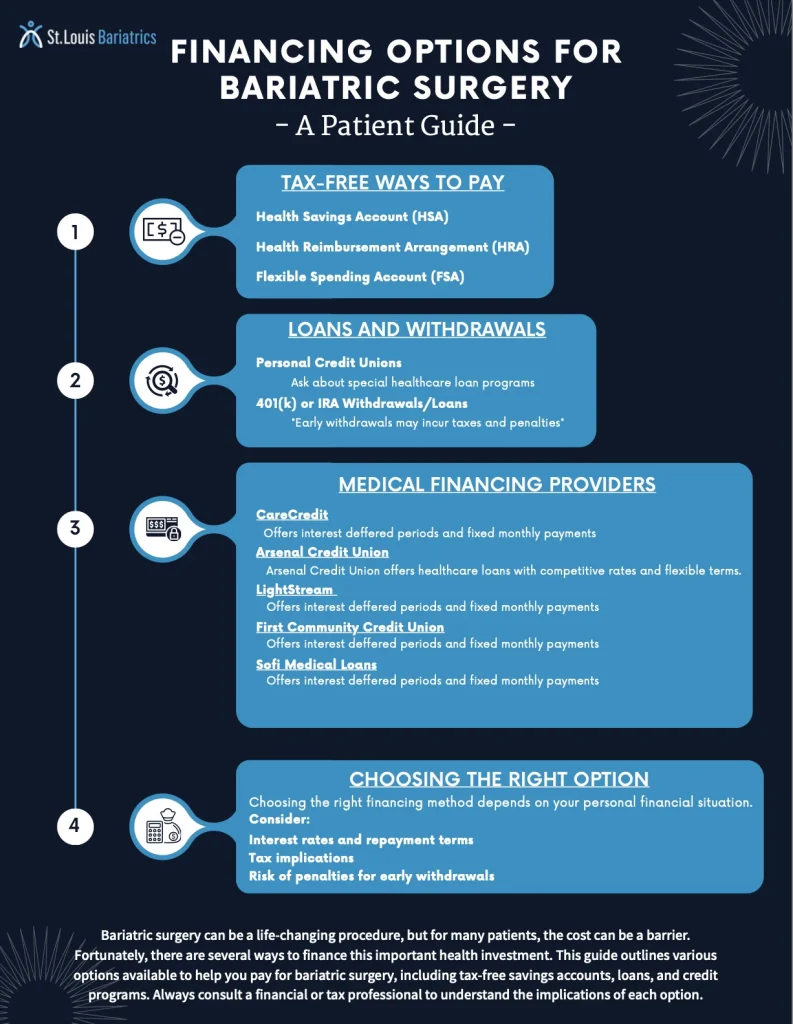
Credit: www.stlouisbariatrics.com
Frequently Asked Questions
Does Medicare Fund Weight Loss Surgery?
Medicare may cover weight loss surgery if it’s medically necessary. Approval typically requires evidence of obesity-related health issues. Patients must meet specific criteria, including a BMI threshold. Coverage is contingent on a physician’s evaluation and recommendation. Always check the latest Medicare guidelines and consult your healthcare provider for personal eligibility.
What Are Medicare’s Requirements For Surgery Coverage?
Medicare’s requirements include a BMI of 35 or higher and obesity-related health conditions. A documented history of unsuccessful weight management attempts is necessary. A physician’s recommendation is crucial. Patients must undergo a pre-surgery evaluation. Coverage is subject to current Medicare policies and guidelines.
Verify details with Medicare or your doctor.
Is There A Waiting Period For Medicare Coverage?
Medicare doesn’t specify a formal waiting period for weight loss surgery. Approval depends on meeting medical criteria and documentation. Patients must complete necessary evaluations before surgery. The timeline varies based on individual cases and medical assessments. Consult your healthcare provider for a personalized timeline and Medicare’s specific requirements.
How Much Does Medicare Cover For Surgery Costs?
Medicare generally covers 80% of approved weight loss surgery costs. Patients are responsible for the remaining 20% and any deductibles. Coverage includes hospital stays and necessary evaluations. Additional costs may arise for pre-surgery consultations. Always verify specific coverage details and potential out-of-pocket expenses with Medicare and your healthcare provider.
Conclusion
Medicare covers some weight loss surgeries for qualifying individuals. Coverage depends on specific criteria, like medical necessity and obesity-related health issues. Patients should consult their doctors. Understanding your plan is essential. Check eligibility and discuss options with Medicare representatives. Consider other costs involved, such as pre-surgery evaluations and post-surgery care.
Research and planning help manage expenses. Staying informed empowers decisions. Weight loss surgery can improve health for some. Always review your coverage details before proceeding. Consult professionals to clarify any doubts. Make decisions that suit your health needs and financial situation.