Imagine stepping onto the field or hitting the gym, confident that you’re doing everything possible to protect your body from injury. Injuries can be a setback, not just physically but mentally, disrupting your progress and dampening your motivation.
You’re not alone in seeking ways to stay at the top of your game while minimizing the risk of injury. You’ve likely heard about creatine, a popular supplement among athletes and fitness enthusiasts. But can creatine actually help prevent injuries?
This question sparks curiosity, as it touches on your desire to stay active and healthy. Dive into this article to uncover the truth about creatine and its potential role in injury prevention, and learn how it might just be the game-changer you’ve been looking for.

Credit: www.livemomentous.com
What Is Creatine?
Creatine is a popular supplement among athletes and fitness enthusiasts, but what exactly is it? Understanding creatine is essential for anyone looking to enhance their physical performance or prevent injuries. It’s a naturally occurring compound in the body that plays a critical role in energy production, particularly during high-intensity exercise.
Natural Sources
Creatine is not just found in supplement bottles. It’s present in various foods you consume daily. Meats like beef and pork are rich in creatine, making them excellent choices for those seeking natural sources. Fish, particularly salmon and tuna, also provide a substantial amount.
Adding these foods to your diet can boost your creatine levels without reaching for supplements. Imagine the benefits of a juicy steak or a grilled salmon not just as a delicious meal but also as a contributor to your muscle health.
Supplement Forms
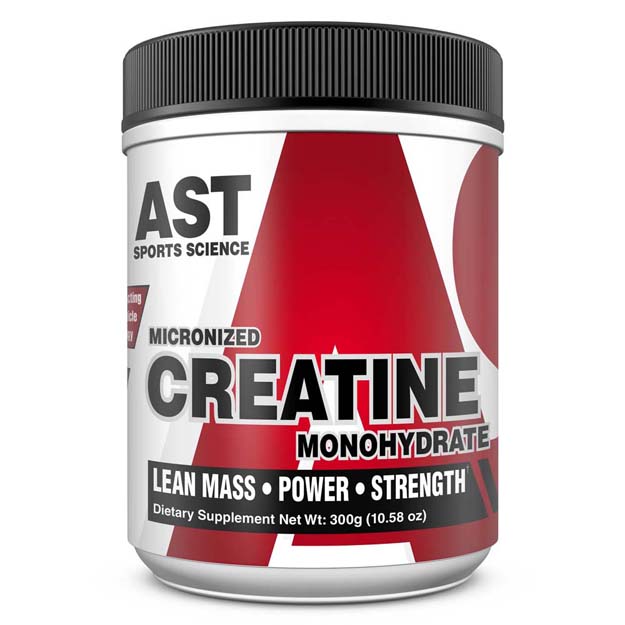
If natural sources aren’t enough or you’re vegetarian, creatine supplements might be the answer. They come in various forms, including powders, capsules, and even liquid. The most common is creatine monohydrate, known for its effectiveness and affordability.
Some prefer creatine ethyl ester or buffered creatine for potentially better absorption. Think about your lifestyle and preferences when choosing a form. Do you prefer the convenience of capsules or the flexibility of mixing powder into your favorite smoothie?
How Creatine Works In The Body
Creatine fuels muscles, enhancing energy for high-intensity activities. This increased energy may help stabilize muscles and reduce injury risk. Its role in muscle repair and recovery supports overall joint health.
Creatine is a natural compound found in the body. It plays a key role in energy production and muscle repair. Understanding how creatine works can offer insights into its potential in preventing injuries.Energy Production
Creatine helps produce energy in cells. It stores high-energy phosphate groups in the form of phosphocreatine. During intense physical activity, phosphocreatine donates a phosphate to ADP. This process quickly regenerates ATP, the primary energy carrier in cells. This energy boost allows muscles to perform at high intensity. Short bursts of energy are particularly enhanced by creatine.Muscle Repair
Creatine aids in muscle repair after exercise. It enhances the body’s ability to recover from intense workouts. By supporting protein synthesis, creatine helps rebuild damaged muscle fibers. This process is crucial for muscle growth and repair. An efficient repair process can reduce the risk of injury.Common Sports Injuries
Sports injuries are common in athletes. They can affect performance and health. Understanding these injuries helps in prevention and treatment.
Types Of Injuries
There are various sports injuries. Some are more frequent than others.
- Sprains and Strains:These involve ligaments and muscles. Overstretching causes them.
- Fractures:Broken bones from high impact or stress.
- Dislocations:Joints forced out of position.
- Tendinitis:Inflammation of tendons due to overuse.
- Concussions:Head injuries affecting brain function.
Risk Factors
Certain factors increase the risk of injury. Recognizing these can help reduce incidents.
- Lack of Warm-Up:Cold muscles are prone to injuries.
- Poor Technique:Incorrect form puts stress on the body.
- Overtraining:Excessive practice leads to fatigue and injury.
- Inadequate Equipment:Old or improper gear increases risk.
- Environmental Conditions:Wet or uneven surfaces can be hazardous.
Scientific Studies On Creatine And Injury Prevention
Scientific studies explore if creatine can help prevent injuries. Athletes and fitness enthusiasts often use creatine. It’s a popular supplement for boosting performance. But can it also reduce injury risk? Let’s examine what research says.
Research Findings
Several studies have looked into creatine’s impact on injuries. Some research suggests creatine might help in recovery. It may reduce muscle damage after intense workouts. This could lower injury risk over time. Other studies highlight creatine’s role in enhancing muscle strength. Stronger muscles support joints better, possibly preventing injuries.
One study found athletes using creatine had fewer injuries. This was compared to those not using it. The study focused on sports like football and soccer. These sports have high injury rates. Creatine users reported fewer muscle strains and tears.
Limitations Of Studies
Despite positive findings, some limitations exist. Many studies are small or short-term. This makes it hard to draw firm conclusions. Some research may not consider all variables. Factors like training intensity and diet can affect results. Not all studies show consistent results. While some find benefits, others see no significant difference.
The diversity of athlete populations can vary. This impacts study outcomes. Different sports have different injury risks. Creatine’s effects may differ across these sports. Larger, longer-term studies are needed for clearer insights.
Potential Benefits Of Creatine For Athletes
Creatine is a popular supplement among athletes, known for its potential to enhance performance and provide various benefits. But what exactly can creatine do for you as an athlete? Understanding the advantages of creatine can empower you to make informed decisions about your supplementation and training strategies.
Strength And Power
Creatine is renowned for its ability to boost strength and power, making it a favorite among athletes aiming to push their limits. By increasing the availability of ATP, the energy currency of your cells, creatine allows for more explosive movements.
Imagine adding a few pounds to your lifts or sprinting faster on the track—all thanks to enhanced energy availability. You might find yourself breaking personal records or outperforming opponents with the support of creatine.
Recovery Time
One surprising benefit of creatine is its role in recovery. Faster recovery means you can train more frequently and intensively without the constant fear of injury. Creatine helps reduce muscle cell damage and inflammation, speeding up the healing process.
Have you ever felt like your muscles are screaming for a break after a tough workout? With creatine, those days may become fewer, helping you get back to what you love sooner. Imagine bouncing back after a grueling session with minimal soreness, ready to tackle new challenges.
Wouldn’t it be great to recover like a pro and maximize your training efforts? Consider how creatine could be the missing link in your athletic journey.
Safety And Side Effects
Creatine is a popular supplement among athletes and fitness enthusiasts, but questions about its safety and side effects are common. Understanding the potential risks and benefits can help you decide if it’s the right choice for you. Let’s explore the concerns and considerations when using creatine, especially focusing on common concerns and long-term use.
Common Concerns
Many people worry about the immediate side effects of creatine, such as stomach cramps or water retention. These side effects are usually mild and temporary. Drinking plenty of water can often mitigate these issues.
Some users fear that creatine might harm their kidneys. However, studies show that creatine is generally safe for healthy individuals. It’s crucial to follow recommended dosages and consult with a healthcare provider if you have pre-existing conditions.
Have you ever hesitated to try something new because of what you’ve heard? It’s important to rely on research and expert advice rather than myths or hearsay.
Long-term Use
Thinking about the future is natural when considering supplements. Long-term creatine use has been the subject of numerous studies.
Research suggests that using creatine over an extended period does not typically result in severe health issues for healthy individuals. This is reassuring, especially if you’re planning to include it in your routine for the long haul.
However, it’s wise to take periodic breaks from any supplement. This practice can prevent potential dependency and allow you to assess your body’s natural performance levels.
Do you wonder if your current routine might benefit from a supplement like creatine? Considering both short-term effects and long-term implications is crucial for making informed decisions.
Expert Opinions
When it comes to understanding whether creatine prevents injury, opinions vary among experts. Some believe it offers significant benefits, while others remain skeptical. Let’s dive into what sports scientists and nutritionists have to say about creatine and its role in injury prevention.
Sports Scientists
Sports scientists have conducted numerous studies on creatine’s impact on muscle strength and recovery. They often highlight its potential to enhance muscle hydration and reduce fatigue. For instance, increased muscle water content may lead to better shock absorption during intense physical activities. This could potentially lower the risk of injury. Do you think optimizing muscle hydration is a game-changer in reducing injuries?
However, some experts caution that creatine alone isn’t a magic bullet. They emphasize a well-rounded approach to injury prevention, including proper training techniques and recovery practices. One sports scientist shared their experience of observing athletes who combined creatine with balanced exercise regimens, noting a marked improvement in resilience. Could this combination be the key to a safer athletic experience?
Nutritionists
Nutritionists often discuss creatine’s role in supporting energy metabolism and reducing muscle breakdown. They suggest that adequate creatine levels might help maintain muscle integrity during rigorous activities. This could contribute to fewer strains or tears. But what does this mean for your workout routine?
Some nutritionists stress the importance of personalized supplementation. They recommend assessing individual needs and consulting with healthcare providers before adding creatine to your diet. This tailored approach ensures that you reap the benefits without overloading your system. Have you considered how tailored supplementation might optimize your performance and safety?
In essence, while creatine offers promising advantages, it’s essential to consider expert opinions and integrate their insights into a comprehensive injury prevention strategy. What steps will you take to ensure you’re using creatine effectively in your fitness journey?

Credit: www.mysportscience.com
Practical Tips For Using Creatine
Creatine may help reduce injury risk by improving muscle strength and recovery. Stronger muscles can better withstand strain. Faster recovery allows for less fatigue, which can prevent overuse injuries.
Practical Tips for Using Creatine Creatine is popular among athletes and fitness enthusiasts. It is known for enhancing performance and recovery. Using creatine effectively requires careful planning. These practical tips can help maximize benefits while minimizing risks.Dosage Recommendations
Start with a small dose to test tolerance. The typical daily dose is 3-5 grams. This amount is sufficient for most people. Consult with a healthcare professional for personalized advice. Avoid taking more than recommended. Excessive doses can lead to side effects.Timing And Cycle
Take creatine after workouts for best results. This timing helps with muscle recovery. Some people prefer taking it before exercise. Both methods can be effective. Consider cycling creatine intake. Use it for 8-12 weeks, then take a break. Cycling helps prevent tolerance buildup.Alternative Injury Prevention Strategies
Exploring the role of creatine in injury prevention reveals its potential to support muscle recovery. This supplement may enhance physical resilience, reducing the risk of injuries during intense exercise. Its effectiveness can vary among individuals, highlighting the importance of personalized health strategies.
Injury prevention is a multifaceted approach that goes beyond supplements like creatine. While creatine is popular for its muscle-building properties, it doesn’t guarantee injury prevention. Instead, integrating alternative strategies into your routine can enhance your overall safety and performance. Let’s dive into some effective approaches.Training Techniques
Focusing on proper form is crucial. Incorrect form during workouts can lead to strains and injuries. Consider hiring a personal trainer for a few sessions to ensure you’re lifting correctly. Progressive overload is another key technique. Gradually increase the weight or intensity of your workouts. This helps your body adapt safely, reducing the risk of injury. Incorporate rest days into your routine. Your muscles need time to recover and repair. Overtraining can lead to fatigue and increase the likelihood of injuries.Nutritional Support
Balanced nutrition is foundational for injury prevention. Ensure you consume enough protein to support muscle repair and growth. Lean meats, beans, and legumes are excellent sources. Hydration plays a crucial role in maintaining muscle function. Dehydration can lead to cramps and decreased performance. Aim to drink plenty of water throughout the day, especially before, during, and after workouts. Consider supplements like omega-3 fatty acids. They have anti-inflammatory properties that can aid in recovery. Foods rich in omega-3s include fish, chia seeds, and walnuts. Reflect on these strategies and think about your current regimen. Are you doing enough to protect your body? By embracing a holistic approach, you can enhance your performance and reduce the risk of injury.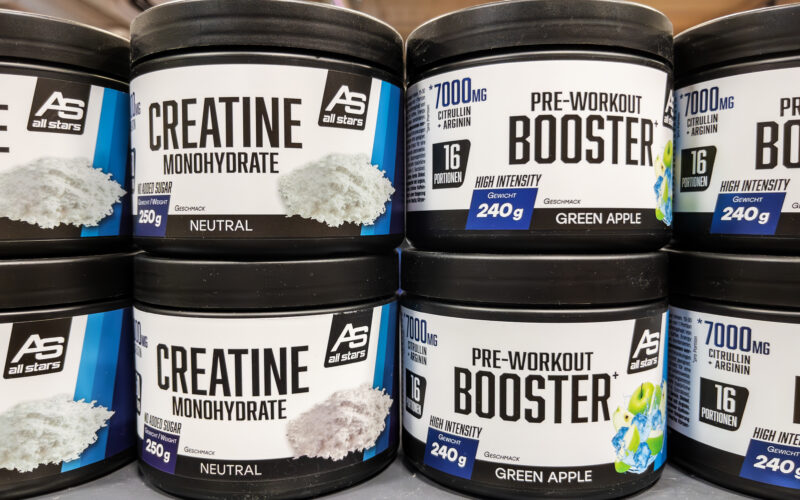
Credit: naturalwomanhood.org
Frequently Asked Questions
How Does Creatine Affect Injury Prevention?
Creatine may enhance muscle strength and recovery, reducing injury risk. It supports cellular energy production, aiding quick recovery. However, it doesn’t directly prevent injuries. Proper training and technique remain crucial for injury prevention.
Can Creatine Improve Muscle Recovery?
Creatine aids muscle recovery by replenishing ATP, the energy currency of cells. Faster ATP regeneration helps reduce fatigue, allowing quicker recovery. This may indirectly lower injury risk by ensuring muscles are well-rested and prepared for further exertion.
Is Creatine Safe For Athletes?
Creatine is generally safe for athletes when used responsibly. It’s well-researched and considered effective for improving performance. Staying hydrated and following recommended dosages ensures minimal side effects. Consulting a healthcare provider is always advisable before starting supplementation.
Does Creatine Enhance Athletic Performance?
Creatine enhances athletic performance by boosting energy levels and muscle strength. It can improve high-intensity exercise capacity, allowing athletes to train harder. This increased performance may indirectly contribute to injury prevention by strengthening muscles and reducing strain.
Conclusion
Creatine might help reduce injury risk. But it’s not a guarantee. Its primary role boosts strength and muscle recovery. This can indirectly support injury prevention. Always pair creatine with proper training techniques. Listen to your body’s needs. Consult with a healthcare professional before starting supplements.
Safe usage is crucial. Remember, no supplement is a substitute for balanced nutrition. Stay informed and make smart choices for your health. Stay active, stay safe. Your body will thank you.