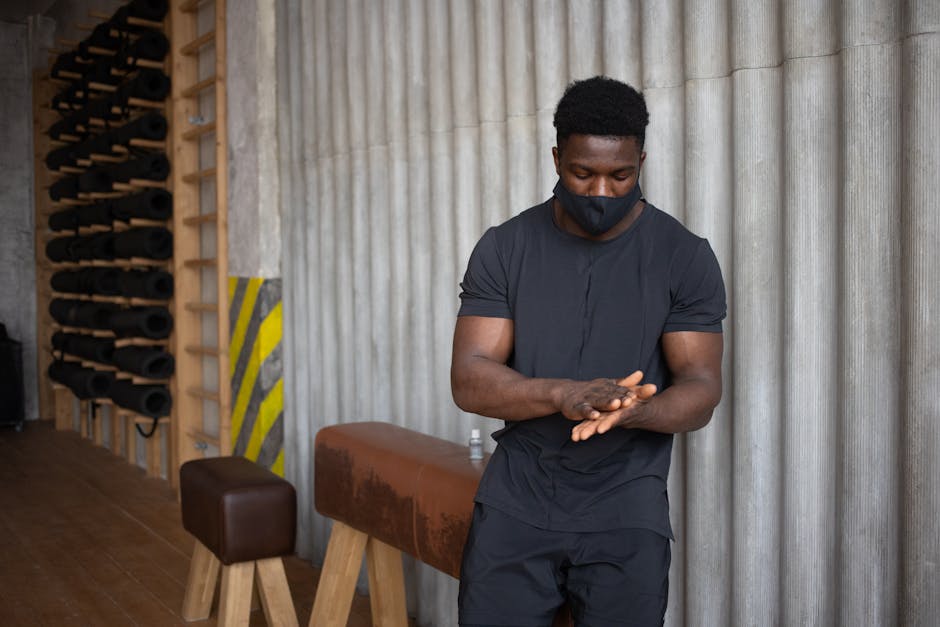
Are you tired of sidelining your fitness goals due to unexpected injuries? Imagine a world where building muscle isn’t just about looking good but also about staying injury-free.
You might wonder if those hours spent lifting weights could be your secret weapon against pesky injuries. Well, you’re in the right place to find out. This article uncovers the fascinating connection between muscle growth and injury prevention. By the end, you’ll discover how a little extra strength might be your best defense against setbacks.
Ready to unlock the secrets of a safer fitness journey? Let’s dive in!
Muscle Strength And Injury Prevention
Building muscle is often associated with aesthetics and strength, but its role in injury prevention is equally vital. Muscle strength not only enhances your physical performance but also acts as a safeguard against common injuries. Understanding how strong muscles contribute to injury prevention can empower you to make informed decisions about your fitness routine.
The Role Of Strong Muscles
Strong muscles serve as a protective barrier for your joints and bones. They absorb shock and reduce the stress placed on your skeletal system during physical activities. Imagine your muscles as the body’s natural armor, providing support and stability. This not only helps in maintaining proper posture but also decreases the likelihood of strains and sprains.
Consider the last time you stumbled or caught yourself off balance. If your muscles were well-conditioned, they likely helped you regain stability quickly, preventing a fall or injury. Strong muscles offer resilience and responsiveness, enabling you to react effectively to unexpected movements.
Reducing Injury Risk
Muscle strength plays a crucial role in minimizing injury risks by improving your body’s biomechanics. Proper muscle function ensures that your movements are efficient and correct, reducing the chance of overuse injuries. When muscles are robust, they support your joints better, lowering the risk of tears or dislocations.
Think about how a balanced workout routine can address potential weaknesses. Targeting specific muscle groups that support vulnerable areas, like the knees or lower back, can be a game changer. It’s about being proactive rather than reactive. If you often experience discomfort in certain areas, strengthening those muscles can serve as a preventive measure.
Are you investing enough time in building muscle strength to protect your body? It’s worth considering how a strategic approach to muscle development can safeguard you from injuries. With the right commitment, you can enhance your overall well-being and keep injuries at bay.

Credit: www.facebook.com
Muscle Building Techniques
Building muscle can help prevent injuries by strengthening body support systems. Strong muscles enhance joint stability and improve balance. This reduces the risk of falls and injuries.
Muscle building techniques are essential for preventing injuries and enhancing performance. Developing strong muscles stabilizes joints and improves body mechanics. This reduces the likelihood of strains and sprains during physical activities. By adopting effective muscle building techniques, individuals can enjoy a more resilient and injury-free lifestyle.Strength Training Exercises
Strength training exercises form the foundation of muscle building. These exercises target specific muscle groups to enhance strength and endurance. Squats, lunges, and deadlifts are popular choices for lower body strength. Push-ups, pull-ups, and bench presses focus on the upper body. Consistent practice improves muscle tone and joint support. For optimal results, aim for three sessions per week. Focus on proper form to prevent injuries during workouts.Incorporating Resistance Training
Incorporating resistance training is crucial for building muscle effectively. Resistance bands and weights provide external force against muscles. This promotes growth and strength. Start with light weights and gradually increase intensity. Resistance training can be done at home or in the gym. It adds variety to workouts, keeping them engaging and challenging. Aim for a balance between resistance and repetition. This approach enhances muscle resilience and reduces injury risk.Balancing Flexibility And Strength
Building muscle can help prevent injuries. But it’s not just about strength. Flexibility plays a crucial role too. Balancing flexibility and strength creates a stable foundation. This helps in reducing the risk of injuries. Flexible muscles move more easily and recover faster. Strong muscles support joints and prevent strains. Understanding the importance of both can protect your body.
Importance Of Flexibility
Flexibility keeps your muscles and joints healthy. It allows for a full range of motion. This reduces the chance of pulls or tears. Flexible muscles adapt to different movements. They handle stress better. Stretching improves blood flow to muscles. This aids in faster recovery after workouts. It’s essential for overall physical health.
Stretching Routines For Safety
Regular stretching routines enhance flexibility. They prepare muscles for activity. Focus on dynamic stretches before workouts. These stretches increase heart rate and muscle temperature. Post-workout static stretches help relaxation. They ease tension and improve recovery. Include stretches for major muscle groups. Ensure proper form to avoid injury.

Credit: www.instagram.com
Common Injuries Prevented By Muscle Building
Building muscle strengthens joints and stabilizes bones, reducing the risk of strains and sprains. Strong muscles support better balance, preventing falls and fractures. Enhanced flexibility from muscle building aids in avoiding overextension injuries.
Building muscle does more than just enhance your appearance; it plays a pivotal role in preventing common injuries. Strengthening muscles provides a protective shield for your joints and supports your lower back, areas frequently prone to injuries. Whether you’re a fitness enthusiast or someone just starting, understanding how muscle building can serve as your body’s armor is crucial.Joint Protection
Strong muscles around your joints act like a buffer, absorbing shock and reducing wear and tear. Consider your knees, the workhorses of your body. They endure immense stress during daily activities like walking, running, or even climbing stairs. By building muscle in your legs, particularly your quadriceps and hamstrings, you ease the burden on your knees. Think of how athletes often suffer from knee injuries due to weak supporting muscles. By focusing on muscle development, you can significantly reduce your risk. Next time you’re at the gym, pay attention to exercises like squats or lunges that target these muscle groups.Lower Back Support
Your lower back is a critical area that demands strong muscle support. Weak back muscles can lead to poor posture, which is a common precursor to injuries. Strengthening your core and back muscles helps maintain the natural curve of your spine, reducing the chance of painful strains. Ever felt that twinge after lifting something heavy or sitting for too long? A strong core can mitigate these risks. Incorporate exercises like planks or deadlifts to fortify your lower back. Notice how your daily activities become easier and pain-free with a stronger back. Have you considered how muscle building could transform your day-to-day life and protect against unexpected injuries? Share your thoughts and experiences in the comments.Nutrition’s Role In Muscle Building
Nutrition plays a crucial role in muscle building, and by extension, injury prevention. What you eat can significantly impact how effectively your muscles grow and repair. A well-balanced diet can enhance your muscle-building efforts and keep your body resilient against injuries. So, what does a muscle-friendly diet look like?
Protein Intake
Protein is the building block of muscle. Without enough protein, your muscles simply won’t grow as intended. Are you consuming enough?
To optimize muscle growth, aim for a daily protein intake that matches your activity level. For someone who exercises regularly, this could mean consuming 1.2 to 2 grams of protein per kilogram of body weight. Consider adding lean meats, eggs, beans, and dairy products to your meals.
Don’t forget about protein timing. Consuming protein shortly after a workout can enhance muscle repair and growth. A simple protein shake or a serving of Greek yogurt could be your post-exercise muscle booster.
Vitamins And Minerals For Muscle Health
It’s not just protein that matters. Vitamins and minerals are essential for muscle function and recovery. Are you getting enough?
Magnesium, for instance, supports muscle contraction and relaxation. It can be found in foods like spinach, almonds, and black beans. Calcium is another important nutrient that supports muscle function and is found in dairy products and leafy greens.
Vitamin D plays a role in muscle health, too. It helps with calcium absorption and muscle function. Sun exposure and foods like fatty fish and fortified milk can help you meet your Vitamin D needs.
Consider tracking your nutrient intake to ensure you’re not missing out on these critical muscle health contributors. A simple food diary or nutrition app can make this easy.
Are you ready to optimize your diet for muscle building and injury prevention? Small changes in your nutrition can lead to significant improvements in your muscle health.
Recovery And Rest For Injury Prevention
Building muscle is often seen as a pathway to strength and resilience, reducing the risk of injury. However, the role of recovery and rest is equally crucial in this equation. Without adequate recovery, your body can become prone to strains and injuries, even if your muscles are robust. Let’s delve into why rest days and effective recovery techniques are indispensable for injury prevention.
Importance Of Rest Days
Rest days are not just a break from the gym; they are a vital component of your workout routine. They allow your muscles to repair and grow, reducing the risk of overuse injuries. Imagine pushing a car uphill every day; eventually, both you and the car will wear out. Your muscles need time to recover and rebuild after strenuous activities.
Ever noticed how you perform better after a good night’s sleep or a day off? That’s because rest enhances muscle function and prevents fatigue-related injuries. Consider scheduling regular rest days in your workout plan. This helps maintain your body’s balance and keeps you injury-free.
Effective Recovery Techniques
Recovery is more than just resting; it’s about actively helping your body heal. Techniques like stretching, foam rolling, and massage can be great for easing muscle tension and improving flexibility. These methods boost blood circulation, promoting quicker muscle recovery.
Hydration and nutrition play significant roles too. Drinking water and consuming protein-rich foods post-workout aid in muscle repair. Ever tried a post-workout smoothie packed with protein and greens? It can be a game-changer for recovery. Integrating these techniques into your routine can enhance your body’s ability to bounce back stronger.
Have you considered the impact of mental recovery? Stress management through mindfulness or meditation can significantly aid physical recovery. When your mind is calm, your body is more efficient at repairing itself. Adding a few minutes of meditation to your routine might be the missing link to better recovery.
Think about how you approach rest and recovery. Are you giving your body enough time to heal? Or are you pushing through fatigue? Reflecting on these questions can help you create a healthier workout regime that prioritizes long-term well-being.
Expert Tips For Safe Muscle Building
Building muscle can help reduce injury risk by strengthening bones and improving balance. Strong muscles support the body better, reducing strain on joints. Enhanced stability and muscle support can lead to fewer injuries.
Building muscle isn’t just about achieving a toned physique or bulking up—it’s a crucial aspect of injury prevention. Stronger muscles can support your joints better, reduce stress on ligaments, and enhance overall stability. But how do you ensure that your muscle-building journey is safe and effective? Let’s dive into some expert tips that can guide you along the way.Consulting Fitness Professionals
Before you start lifting weights or engaging in intense exercises, consider seeking advice from fitness professionals. Personal trainers and physiotherapists can provide valuable insights based on your current fitness level and goals. They can also point out any muscle imbalances or weaknesses you may have, which can be crucial in preventing injuries. Having someone with expertise review your form can make all the difference. A friend once injured his shoulder simply because he was lifting with poor technique. A quick session with a trainer corrected his form and saved him from further injury. Don’t underestimate the power of professional guidance.Creating A Personalized Plan
Every individual is unique, and so should be their fitness plan. A generic workout routine might not address your specific needs or areas that require strengthening. Tailoring your muscle-building plan can help focus on muscles that are more prone to injury, like those in your lower back or shoulders. Think about your daily activities. If you sit at a desk all day, your plan might include exercises to strengthen your core and back. If you play a sport, focus on muscles that support your performance and reduce injury risk. Creating a plan isn’t just about avoiding injury; it’s about building a sustainable routine. You’re more likely to stick with it if it fits your lifestyle and addresses your personal goals. Have you considered how your current routine aligns with your daily life and aspirations? Following these tips can set you on a path to not only build muscle but also protect your body against injuries. Remember, being proactive in your approach can lead to more rewarding and safer workouts.
Credit: www.instagram.com
Frequently Asked Questions
How Does Muscle Building Prevent Injury?
Building muscle strengthens and stabilizes joints and bones, reducing injury risk. Strong muscles absorb impact better, protecting ligaments. Additionally, muscle growth improves balance and coordination, minimizing falls. Regular strength training enhances body mechanics, making movements more efficient and safer.
Can Strong Muscles Improve Injury Recovery?
Yes, strong muscles enhance injury recovery by supporting injured areas and improving blood flow. This accelerates healing. Muscle strength helps maintain mobility during recovery, preventing stiffness. Moreover, it reduces the risk of re-injury by stabilizing weak areas.
Does Muscle Building Affect Joint Health?
Muscle building positively affects joint health by providing better support to joints. Strong muscles reduce stress on joints during movement. Additionally, muscle growth enhances joint flexibility, improving range of motion. Regular exercise decreases joint wear and tear, preventing chronic joint issues.
Can Muscle Imbalance Cause Injuries?
Yes, muscle imbalance can lead to injuries by creating uneven stress on joints and bones. This imbalance affects posture and movement patterns. Correcting imbalances through targeted exercises improves stability, reducing injury risk. Regular strength training helps maintain balanced muscle development.
Conclusion
Building muscle can help reduce injury risk. Strong muscles support joints better. They also improve balance and coordination. This means fewer falls and strains. Consistent strength training is key. It doesn’t guarantee total injury prevention. But it lowers the chance of getting hurt.
Listen to your body while exercising. Avoid overtraining and use proper techniques. Remember, a balanced approach to fitness is crucial. Combine strength training with flexibility and rest. Stay active, stay safe. Your body will thank you.