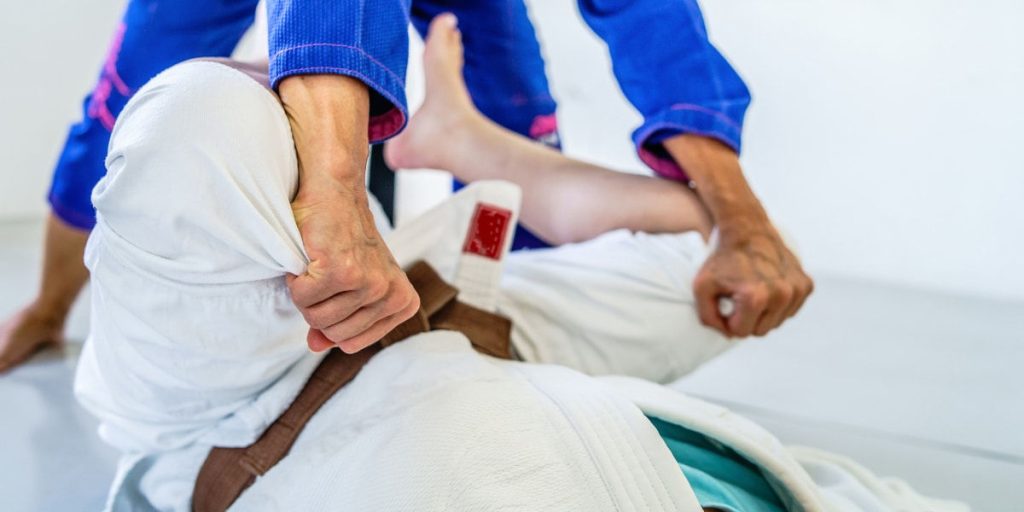
Are you curious about whether Brazilian Jiu-Jitsu (BJJ) can help you build muscle? You’re not alone.
Many people wonder if this martial art offers the same benefits as traditional weightlifting or other strength-training exercises. If you’ve ever watched a BJJ match, you’ve seen the incredible strength and agility of the fighters. But does rolling on the mat really contribute to muscle growth?
We’ll break down the relationship between BJJ and muscle building in simple terms. We’ll explore how the intense workouts, unique movements, and consistent practice can impact your physique. You’ll discover insights that might just change the way you think about muscle growth and martial arts. Stick around to learn more—you might find the key to transforming your fitness routine hidden within the techniques of BJJ!

Credit: www.youtube.com
Bjj Basics
Brazilian Jiu-Jitsu (BJJ) is not just a combat sport; it’s a transformative martial art that can redefine your physical capabilities. If you’ve ever wondered whether BJJ builds muscle, understanding its basics is crucial. BJJ is more than techniques and combat—it’s about leveraging your body’s potential.
Origins And Principles
BJJ originated in Brazil, influenced by Judo and traditional Japanese Jiu-Jitsu. It emphasizes ground fighting and submission holds, aiming to give smaller practitioners the ability to defend against larger opponents. The philosophy behind BJJ is efficiency and leverage rather than brute strength. This principle suggests that while muscle can be built, technique is paramount.
Consider how BJJ prioritizes strategic movements over raw power. The art teaches you to use your body effectively, focusing on control and precision. Could this approach be more beneficial than lifting weights in a gym?
Physical Demands
BJJ is physically demanding, requiring strength, flexibility, and endurance. You engage multiple muscle groups simultaneously, from your core to your limbs, during a typical session. This constant engagement can lead to muscle growth, particularly in areas you might overlook in conventional workouts.
Picture yourself in a grappling session, where every move demands effort. Each roll and submission forces your muscles to work in unison, promoting hypertrophy. It’s an intense workout that builds functional muscle—muscle that works effectively in real-world scenarios.
As you embrace BJJ’s physical demands, ask yourself: Are you ready to challenge your body and redefine your muscle-building journey?
Muscle Development In Bjj
Brazilian Jiu-Jitsu (BJJ) is more than a martial art. It’s a full-body workout that promotes muscle growth. Practicing BJJ regularly can lead to significant muscle development. It combines strength, endurance, and flexibility.
Many people wonder if BJJ builds muscle. The answer is yes. It engages multiple muscle groups and encourages different types of muscle growth. Let’s explore how BJJ contributes to muscle development.
Types Of Muscle Growth
BJJ promotes two main types of muscle growth: hypertrophy and strength. Hypertrophy involves increasing muscle size. It occurs through repeated stress on muscles during training. Strength growth focuses on increasing muscle power. It enables muscles to perform more effectively.
Hypertrophy is visible as larger muscles. Strength is felt in improved performance. Both types are crucial for BJJ practitioners. BJJ techniques demand muscle endurance and explosive power.
Key Muscle Groups Activated
BJJ activates several key muscle groups. The core muscles are constantly engaged. They stabilize the body during grappling. The legs and hips are critical for movement and balance. They support powerful takedowns and transitions.
The upper body muscles are also worked. The arms and shoulders are essential for grips and submissions. Back muscles support posture and strength. Each session engages these groups extensively.
BJJ ensures balanced muscle development. It prevents muscle imbalances often seen in other sports. This holistic approach enhances overall strength and fitness.
Strength Training Techniques
Strength training techniques in Brazilian Jiu-Jitsu (BJJ) can significantly enhance muscle growth. The sport demands a blend of power, endurance, and flexibility. By incorporating targeted exercises, practitioners can build muscle effectively. These techniques focus on bodyweight exercises and resistance training, which are essential for developing strength and stability.
Bodyweight Exercises
Bodyweight exercises are vital in BJJ. They improve muscle endurance and strength. Push-ups target the chest, shoulders, and triceps. Squats enhance leg strength. Practicing planks strengthens the core muscles, which are crucial for maintaining balance. The benefits extend to improving grip strength and body control.
Resistance Training
Resistance training uses weights to build muscle and power. Incorporating exercises like deadlifts and squats increases lower body strength. Bench presses and rows target the upper body. Resistance bands offer versatility and adaptability. They help in developing explosive power, which is essential in dynamic movements.

Credit: www.bjjee.com
Nutrition For Muscle Growth
Nutrition plays a crucial role in muscle growth for BJJ practitioners. The right diet can enhance muscle recovery and growth. It also supports overall performance on the mat. Let’s explore key nutritional elements for building muscle.
Protein Intake
Protein is vital for muscle repair and growth. It supplies amino acids needed to build and maintain muscle tissue. Aim to include high-quality protein sources in your diet. Examples are lean meats, eggs, and dairy products. Plant-based proteins like beans and lentils are also beneficial. Consuming protein after training sessions aids in muscle recovery. It helps repair any damage caused during intense workouts.
Supplement Recommendations
Supplements can support muscle growth when combined with a balanced diet. Whey protein is popular for its fast absorption. It provides essential amino acids post-training. Creatine is another supplement that may enhance muscle strength. It aids in short bursts of intense activity like BJJ. Branched-chain amino acids (BCAAs) help reduce muscle soreness. They can also improve exercise performance. Always consult a healthcare provider before starting any supplement regimen.
Recovery And Rest
Brazilian Jiu-Jitsu (BJJ) is a physically demanding sport. It challenges both the mind and body. Practitioners often wonder about muscle building through BJJ. While training is crucial, recovery and rest play a vital role. These elements ensure muscle growth and overall performance improvement.
Importance Of Rest Days
Rest days are essential for muscle recovery. They prevent overtraining and injury. During rest, muscles repair and grow stronger. Skipping rest can lead to fatigue and decreased performance. Balance training with adequate rest for optimal muscle gain.
Effective Recovery Strategies
Incorporate stretching into your routine. Stretching helps reduce muscle tension. It improves flexibility and prevents soreness. Hydrate well to aid muscle recovery. Water supports the healing process. Balanced nutrition is key. Consume protein-rich foods for muscle repair.
- Get adequate sleep for effective recovery.
- Use foam rollers to ease muscle tightness.
- Include light exercises on rest days for active recovery.
Bjj Vs Traditional Strength Training
BJJ can build muscle through its intense, full-body workouts. It engages multiple muscle groups simultaneously, offering a dynamic strength-training alternative. While traditional strength training focuses on isolated exercises, BJJ promotes muscle growth through complex movements and resistance.
Brazilian Jiu-Jitsu (BJJ) is not just about mastering techniques and grappling on the mat; it also offers a unique way to build muscle and enhance physical fitness. While traditional strength training focuses on isolating muscle groups and lifting weights, BJJ provides a full-body workout that engages multiple muscles simultaneously. So, how does BJJ stack up against the conventional weightlifting routines, and can it really help you build muscle effectively?Comparative Benefits
BJJ offers dynamic movements that work several muscle groups at once. This helps improve functional strength, flexibility, and endurance. Traditional strength training zeroes in on specific muscles, allowing you to target areas for growth. It’s great for building muscle mass and increasing raw strength. Both methods have their own strengths. BJJ enhances agility and coordination, while traditional training focuses on muscle hypertrophy.Integrating Both Approaches
Combining BJJ with traditional strength training can be a game-changer. You get the best of both worlds: increased muscle mass and improved agility. Consider alternating between BJJ sessions and weightlifting days. This way, you allow your muscles to recover while still staying active. Imagine the benefits of having both explosive strength from weights and the tactical prowess from BJJ. How would your fitness journey look then? It’s essential to listen to your body and adjust your routine accordingly. Balancing these approaches can lead to a well-rounded fitness regimen.Success Stories
Brazilian Jiu-Jitsu (BJJ) is not just a martial art. It is also a path to fitness. Many people wonder if BJJ can build muscle. The answer is yes. Let’s explore some inspiring success stories.
Athlete Experiences
Athletes often share their experiences with BJJ. Many have seen muscle growth. Training in BJJ requires using your body weight. This helps build strength and muscle. One athlete, John, started BJJ two years ago. He noticed his arms and legs became more muscular. His core strength also improved significantly. Jane, another athlete, joined BJJ classes last year. She quickly saw changes in her physique. Her muscles became more defined and toned.
Transformative Journeys
Many people begin BJJ for fitness. Their journeys often transform their bodies. Sarah started BJJ to lose weight. Over time, she built lean muscle mass. Her body became stronger and more agile. Mike’s journey was similar. He wanted to improve his fitness. Through BJJ, he gained muscle and improved his overall health. Both Sarah and Mike found BJJ transformative.

Credit: www.youtube.com
Frequently Asked Questions
Does Bjj Help In Muscle Growth?
Yes, Brazilian Jiu-Jitsu (BJJ) aids muscle growth by using resistance and body weight. It targets various muscle groups, enhancing strength and endurance. Regular practice can lead to muscle hypertrophy, especially in the core, arms, and legs. Consistency and proper nutrition further maximize muscle-building benefits.
Can Bjj Replace Traditional Strength Training?
BJJ can complement but not fully replace traditional strength training. It builds functional strength and endurance, targeting multiple muscle groups. However, it lacks the specific muscle isolation and progressive overload of weightlifting. Combining BJJ with strength training yields optimal muscle development and overall fitness.
What Muscles Does Bjj Target Most?
BJJ primarily targets the core, upper body, and legs. Techniques engage the abs, obliques, and back muscles for stability. Arm muscles, including biceps and triceps, are used for grip and control. Leg muscles, such as quadriceps and hamstrings, provide leverage and power in movements.
How Often Should I Train Bjj For Muscle Gain?
Training BJJ 3-5 times a week can effectively build muscle. This frequency allows for skill improvement and muscle adaptation. Balancing training with adequate rest and nutrition is crucial. Listening to your body and avoiding overtraining helps prevent injuries and ensures consistent progress.
Conclusion
Brazilian Jiu-Jitsu can definitely help build muscle. Grappling strengthens the core and limbs. Constant movement increases endurance and muscle tone. Sparring sessions boost physical strength. Training improves flexibility and balance. It’s a great workout for the whole body. BJJ also enhances mental focus and discipline.
It encourages a healthy lifestyle. Builds camaraderie among practitioners. Helps in stress reduction and confidence building. Overall, BJJ offers more than muscle gains. It promotes a balanced life. Keeps you active and engaged. Consider adding BJJ to your fitness routine.
Enjoy the benefits it brings.