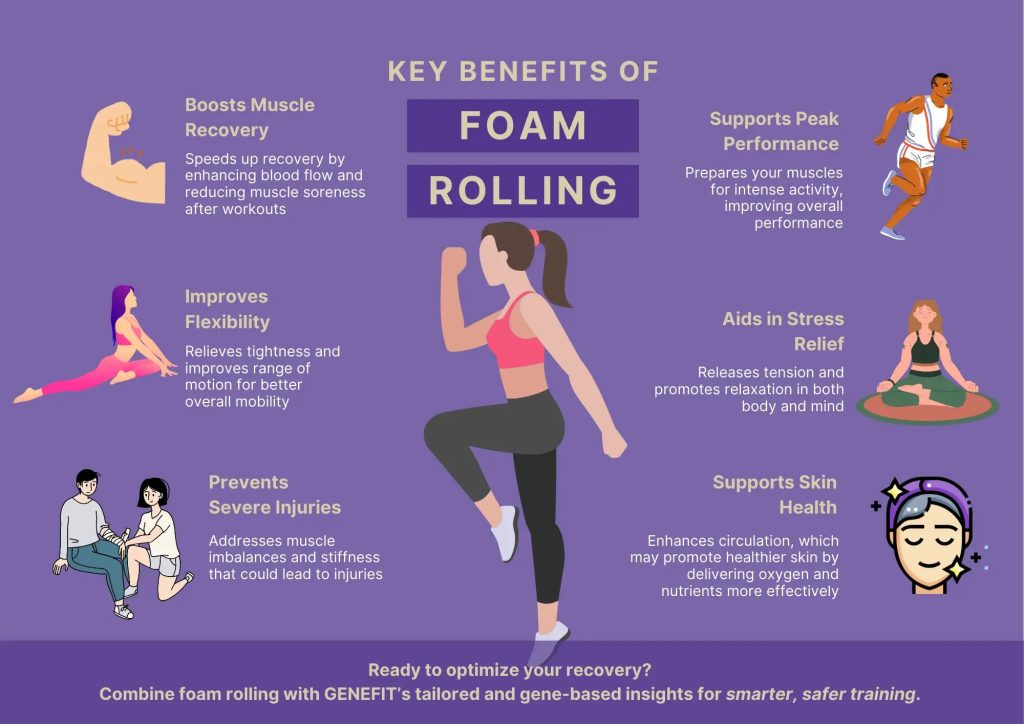
Have you ever wondered if stretching could be your secret weapon against injuries? Imagine moving freely without the constant fear of pulling a muscle or straining a ligament.
Flexibility might just be the key you’ve been looking for. This idea is more than just fitness folklore; it’s a concept backed by science and whispered about in gyms and yoga studios worldwide. But how exactly does being more flexible protect you from injury?
And is it really as effective as they say? Before you dive into another workout or ignore that yoga class you’ve been meaning to try, discover the surprising benefits of flexibility and how it might just transform your approach to health and fitness. Your body’s well-being could depend on it.

Credit: www.instagram.com
Flexibility And Its Importance
Flexibility plays a crucial role in maintaining a healthy body. It refers to the ability of muscles and joints to move through their full range of motion. Having flexible muscles can help improve overall performance and reduce the risk of injuries during physical activities. Understanding flexibility and its importance can lead to more effective workouts and better physical health.
Defining Flexibility
Flexibility is the capacity of joints and muscles to move freely. It involves stretching muscles to their maximum length without pain. Different people have varying levels of flexibility. This can depend on factors like age, activity level, and genetics. Improving flexibility can lead to better posture and fewer muscle strains.
Role In Physical Activity
Flexibility aids in the smooth execution of movements. It enhances athletic performance by allowing greater movement efficiency. Flexible muscles can absorb impact better, reducing injury risks. Stretching before and after exercise helps muscles stay relaxed and ready for activity. This can improve overall physical endurance and safety.

Credit: www.facebook.com
Types Of Flexibility
Understanding the types of flexibility can be pivotal in preventing injuries and enhancing your physical performance. Flexibility isn’t just about being able to touch your toes; it involves different aspects that cater to various movements and activities. By focusing on specific types of flexibility, you can tailor your approach to fitness and well-being.
Static Flexibility
Static flexibility refers to the ability to stretch and hold a position at the end range of motion. Think of it as the classic pose in yoga where you maintain stillness. This type of flexibility is crucial for improving muscle elasticity and joint health. Holding static stretches can be beneficial post-workout to help your body cool down and recover.
Imagine being able to comfortably hold a hamstring stretch after a run. This not only aids in muscle recovery but also minimizes the risk of strains. Incorporate static flexibility routines into your cool-down sessions to enhance recovery.
Dynamic Flexibility
Dynamic flexibility involves active movements that take your joints through their full range of motion. Unlike static flexibility, dynamic stretches are performed while moving. They are essential for warming up before engaging in physical activities. Picture a series of leg swings or arm circles before your workout; these movements prepare your muscles and joints for the tasks ahead.
Dynamic flexibility is particularly effective for athletes or anyone engaging in sports. It helps improve coordination and reduces the likelihood of injuries during sudden changes in movement. Consider adding dynamic stretches to your pre-exercise routine to optimize performance.
Both types of flexibility offer unique benefits. How can you integrate both into your routine to prevent injuries effectively? Think about the balance between them and how they might complement each other in your fitness journey.
The Science Behind Flexibility And Injury Prevention
Greater flexibility can enhance movement range, reducing muscle strain risks. Stretching improves joint flexibility, possibly aiding injury prevention in active lifestyles.
The connection between flexibility and injury prevention is a topic that often sparks debate among fitness enthusiasts and experts alike. Understanding the science behind this relationship can shed light on how being more flexible can potentially safeguard your body from harm. Flexibility is more than just being able to touch your toes; it involves the elasticity of your muscles and the range of motion in your joints. Let’s explore these components to see how they can contribute to keeping you injury-free.Muscle Elasticity
Muscle elasticity refers to the ability of your muscles to stretch and return to their original length. Think of it like a rubber band— the more elastic it is, the less likely it is to snap under stress. When your muscles are elastic, they can absorb impact better, reducing the risk of strains and tears. Regular stretching can enhance this elasticity, making your muscles more resilient during physical activities. Consider those moments when you’ve felt a twinge during a workout. Could it be that your muscles weren’t adequately prepared for the movement? Enhancing muscle elasticity might just be the key to avoiding those unexpected injuries.Joint Range Of Motion
Joint range of motion is crucial for performing daily activities with ease and confidence. It refers to how far and in what direction your joints can move. A limited range of motion can lead to compensation in other areas, putting you at risk for injury. Improved flexibility can expand this range, allowing your body to move more freely and efficiently. Imagine reaching for a high shelf or bending down to pick something up. Having a good range of motion means you can do these tasks without strain. Are your joints ready for the demands you place on them every day? Investing in flexibility could be the answer to ensuring they are. By understanding and applying these principles, you can take proactive steps to enhance your flexibility and potentially prevent injuries. How will you begin incorporating flexibility into your routine?
Credit: www.youtube.com
Common Myths About Flexibility
Flexibility is often misunderstood and shrouded in myths. People frequently believe that if you are flexible, you’re less prone to injuries. But is that truly the case? Unraveling these myths can help you make informed decisions about your fitness routine.
Stretching Before Exercise
A common belief is that stretching before exercise is a surefire way to prevent injuries. While stretching can enhance flexibility, it isn’t a magic shield against injuries. Dynamic warm-ups, such as jumping jacks or brisk walking, are more effective in preparing your muscles for activity.
Static stretching, where you hold a position for an extended period, can actually weaken your muscles temporarily if done before exercising. Instead, focus on incorporating these stretches after your workout to aid recovery. Have you ever wondered why professional athletes often warm up with active movements instead of static stretches?
Flexibility Equals No Injuries
It’s tempting to think that being flexible means you’re invincible to injuries. Flexibility is just one component of fitness. Strength, balance, and coordination are also vital to maintaining a healthy body.
A personal trainer once shared how one of his most flexible clients suffered a sprain while running because they lacked strength in certain areas. This highlights the need for a balanced approach to fitness. Are you focusing too much on flexibility while neglecting other aspects like strength training?
Flexibility can contribute to overall wellness, but it’s not the sole factor in injury prevention. Next time you plan your workout routine, consider incorporating a mix of flexibility, strength, and balance exercises. This way, you’re building a resilient body equipped to handle various physical challenges.
Factors Influencing Injury Risk
Flexibility can reduce injury risk by enhancing range of motion. Balanced strength and flexibility together offer better protection. Overstretching may lead to instability, increasing injury chances.
Factors influencing injury risk are varied and complex. They can range from genetic predispositions to the nature of physical activities. Understanding these factors can help individuals tailor their fitness routines to minimize injury risk. Let’s delve into some key aspects that play a role in injury susceptibility.Genetics And Body Type
Genetics play a crucial role in injury risk. Some people naturally have more resilient joints. Others may have a predisposition to certain injuries. Body type also affects flexibility and strength. For instance, those with a lean build may have more joint mobility. This can be advantageous, but it may also lead to instability. Conversely, a muscular build might offer strength but limit flexibility. Identifying your genetic traits helps in designing a safer workout plan.Activity Type And Intensity
The type of activity you engage in significantly impacts injury risk. High-impact sports like football or basketball increase the chance of injuries. Low-impact activities, such as swimming, are gentler on the joints. Intensity also matters. Pushing yourself too hard can lead to strains or sprains. It’s vital to balance effort with rest periods. Gradual intensity increase allows the body to adapt safely. Being aware of how different activities affect your body can prevent unnecessary injuries.Benefits Of A Balanced Flexibility Routine
Flexibility routines are key to maintaining a healthy body. A balanced routine can offer numerous benefits. It improves how your body performs, reduces muscle tension, and aids in injury prevention. Focusing on flexibility doesn’t mean overstretching. It’s about achieving a balance that supports your overall physical health.
Improved Performance
Flexible muscles perform better. They allow more movement in your joints. This increases your range of motion. Enhanced flexibility leads to better posture. It also helps in executing movements with ease. Athletes benefit from flexibility by improving their skills. Everyday tasks become simpler too.
Reduced Muscle Tension
Balanced flexibility routines help reduce muscle tension. Tense muscles can cause discomfort and pain. Stretching can relieve this tension. It promotes relaxation and reduces stress. A relaxed body enhances overall well-being. It also aids in better sleep quality.
Effective Strategies For Enhancing Flexibility
Enhancing your flexibility can be a game-changer in preventing injuries and improving your overall well-being. But how exactly can you achieve this? By incorporating effective strategies into your daily routine, you can gradually increase your range of motion and reduce the risk of strains and sprains. This doesn’t require a complete overhaul of your lifestyle; small, consistent changes can make a significant difference.
Incorporating Stretching
Stretching is one of the most direct ways to improve flexibility. It can be done almost anywhere and doesn’t require any special equipment. Start by dedicating just 10 minutes a day to stretching your major muscle groups. You might find that your body feels more agile and responsive over time.
Consider a mix of dynamic and static stretches. Dynamic stretches, like arm circles and leg swings, are excellent for warming up your body before exercise. Static stretches, such as touching your toes, are best for cooling down. Consistency is key, so find a routine that suits your schedule and stick with it.
Yoga And Pilates
Yoga and Pilates are not just trends; they’re effective practices for enhancing flexibility. Both disciplines focus on stretching and strengthening, providing a balanced approach. You don’t have to be an expert to start. Many local gyms and online platforms offer beginner classes that can guide you through the basics.
Yoga introduces poses like the downward-facing dog and the cat-cow stretch, which are excellent for improving flexibility. Pilates, on the other hand, emphasizes core strength and stability, which supports overall flexibility. Imagine the satisfaction of touching your toes effortlessly or bending without a hint of stiffness.
Have you ever noticed how athletes seem to move with such ease? Their secret often lies in these practices. Give it a try and see how your body responds. You might be surprised at how quickly you notice improvements in your flexibility and a reduction in discomfort.
Expert Opinions On Flexibility And Injury
Flexibility is often hailed as a key to preventing injuries. Experts have diverse opinions on how flexibility impacts injury risk. Let’s explore what sports scientists and physical therapists say.
Sports Scientists’ Views
Sports scientists study the body’s movements and responses. Many believe that flexibility plays a crucial role in injury prevention. Flexible muscles and joints are less prone to strains. They allow a greater range of motion, which reduces stress on the body. Research shows that stretching can enhance flexibility. It can also improve overall athletic performance.
Some scientists argue that flexibility isn’t the only factor. Strength and coordination are equally important. Athletes should maintain a balance between flexibility and strength. This approach can lead to fewer injuries and improved function.
Physical Therapists’ Insights
Physical therapists work closely with injured individuals. They often emphasize flexibility as a preventive measure. Stretching routines can maintain muscle health and joint mobility. Therapists suggest daily stretching to keep muscles supple. This habit can lead to fewer muscle tears and joint issues.
Flexibility alone may not prevent all injuries. Therapists recommend strength training and proper technique. A holistic approach ensures the body is prepared for physical challenges. This comprehensive strategy reduces the risk of injury during activities.
Personalized Flexibility Programs
Personalized flexibility programs can play a crucial role in preventing injury. These programs focus on meeting the unique needs of each individual. Tailored plans ensure that flexibility exercises are effective and safe. This approach considers factors like age, fitness level, and specific goals. Developing a personalized program helps maximize benefits and minimizes risk.
Assessing Individual Needs
Assessing individual needs is the first step in a personalized flexibility program. This involves understanding personal limitations and strengths. A thorough assessment identifies areas requiring improvement. It may include analyzing posture and movement patterns. Gathering information helps create a program that targets specific needs. A personalized approach ensures exercises are suitable and beneficial.
Creating A Tailored Plan
Creating a tailored plan involves customizing exercises to meet individual requirements. This step ensures the program addresses specific flexibility goals. Customization includes selecting appropriate stretches and exercises. It considers factors such as body type and fitness level. The tailored plan provides structured guidance for improving flexibility. Regular updates keep the plan relevant and effective.
Frequently Asked Questions
How Does Flexibility Reduce Injury Risk?
Flexibility improves range of motion, allowing muscles to move freely. This reduces tension and strain, lowering the chance of injury during physical activities. Flexible muscles can absorb impact better, preventing injuries like sprains and strains. Regular stretching enhances flexibility, supporting overall joint health and reducing injury risk.
Can Stretching Daily Prevent Injuries?
Daily stretching maintains muscle elasticity and joint health, reducing injury risk. It enhances blood flow, helping muscles recover faster after exertion. Regular stretching also improves balance and coordination, vital for preventing falls and injuries. Consistent stretching routines support muscular endurance, reducing the likelihood of sudden injuries during activities.
Is Too Much Flexibility Harmful?
Excessive flexibility can lead to joint instability, increasing injury risk. Over-stretched muscles may lack strength, compromising support for joints. Balance between flexibility and strength is crucial. While flexibility is beneficial, maintaining muscle tone is essential to prevent injuries. Consult a fitness professional to ensure safe flexibility practices.
Are Flexible People Less Prone To Injuries?
Flexible individuals often experience fewer injuries due to enhanced muscle movement. Flexibility allows muscles to absorb shocks better, preventing sudden strains. It aids in maintaining proper posture, reducing stress on muscles and joints. However, flexibility should be complemented with strength training for optimal injury prevention.
Conclusion
Flexibility helps reduce the risk of injuries. It allows muscles to stretch. This improves movement and balance. Regular stretching keeps muscles and joints healthy. It also enhances body awareness. Listen to your body. Consistent practice is key. Combine stretching with strength exercises.
This builds a well-rounded routine. Always warm up before activities. Cool down afterwards. This maintains muscle health. Stay flexible. Stay safe.