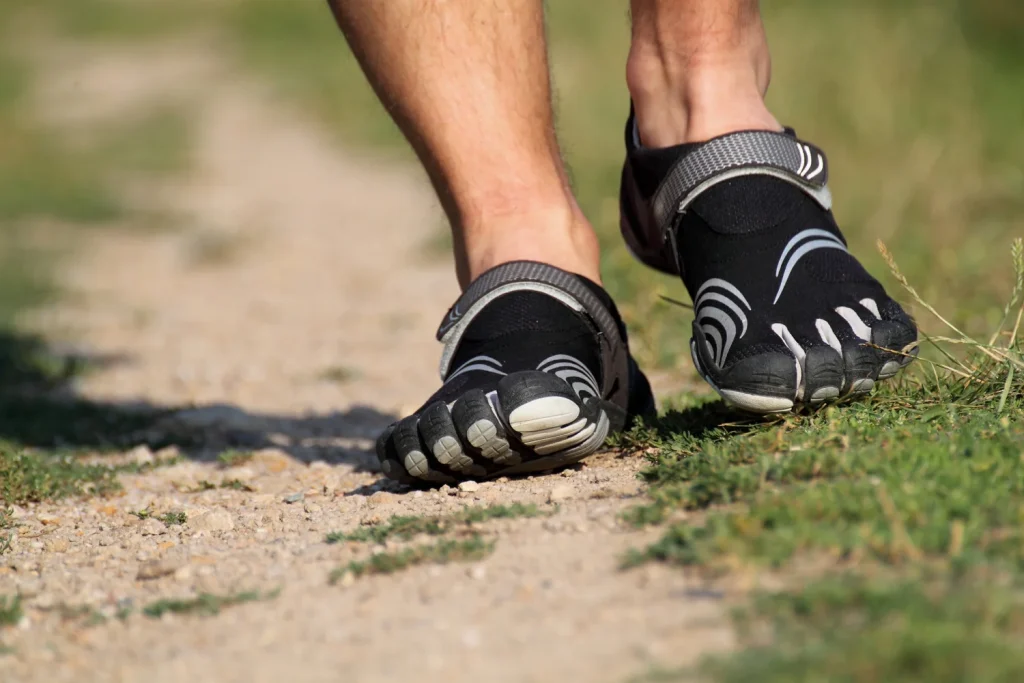
Have you ever wondered if ditching your running shoes could be the secret to staying injury-free? The idea of barefoot running has been gaining traction among fitness enthusiasts and athletes alike.
It promises a more natural stride and the potential to reduce those pesky injuries that often plague runners. But does it really work, or is it just another fitness fad? You’ll discover the facts, myths, and expert opinions surrounding barefoot running and its impact on preventing injuries.
Get ready to explore whether this minimalist approach might be the missing piece in your running routine. Keep reading to find out if barefoot running could be the game-changer you’ve been looking for.
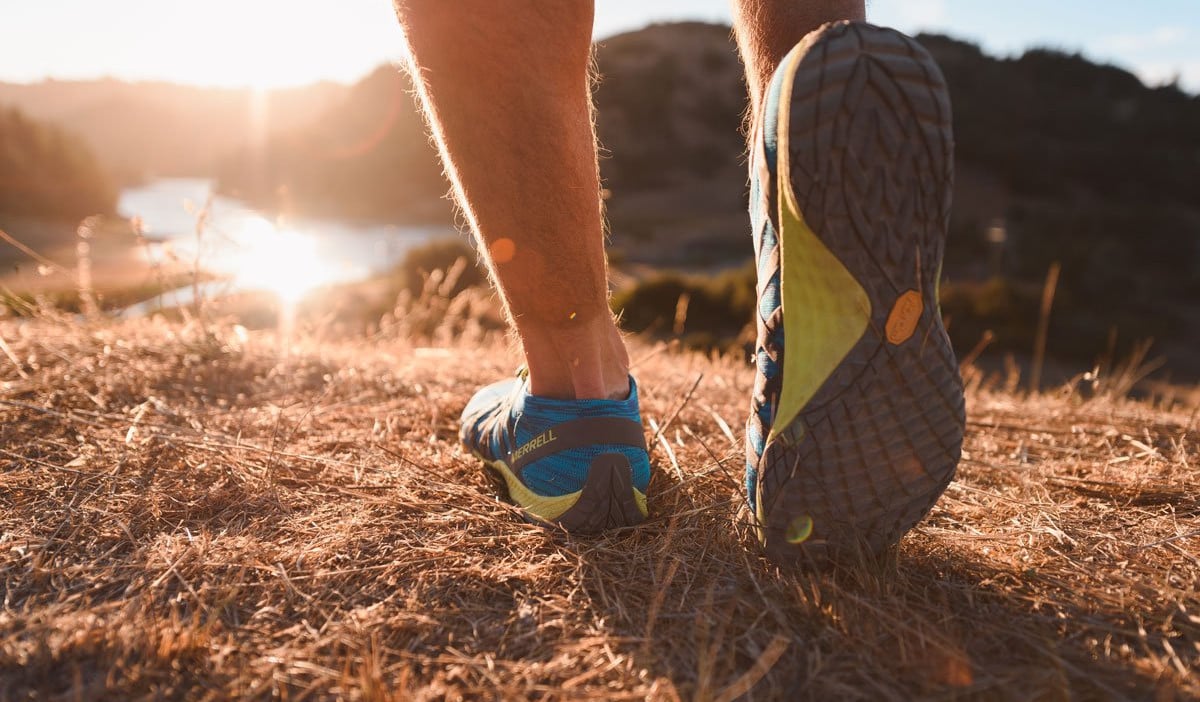
Credit: trailandkale.com
Barefoot Running Basics
Understanding the basics of barefoot running can be your first step towards exploring whether it prevents injuries. Many runners are turning to this primal form of movement, believing it offers a more natural and efficient way to run. But before you ditch your running shoes, it’s essential to grasp where barefoot running comes from and the key principles that guide it.
Origins And History
Barefoot running isn’t a modern trend. It’s how humans have run for thousands of years. Historical accounts and anthropological studies suggest that early humans traversed large distances barefoot, relying on their natural stride and foot strength.
In recent years, there has been a resurgence in interest, partly sparked by the book “Born to Run,” which highlighted the Tarahumara tribe’s incredible endurance feats performed barefoot or in minimal footwear. Their success challenges our reliance on cushioned shoes and raises questions about the effectiveness of natural running.
Key Principles
Barefoot running is about listening to your body. Without shoes, your feet can better sense the ground, allowing for a more adaptive and responsive stride. You naturally land on your midfoot or forefoot, reducing the impact on your joints.
This style emphasizes a shorter stride and a higher cadence, which can help prevent overstriding and the associated injuries. It’s not about speed; it’s about form and efficiency. As you run, you become more aware of your surroundings, adapting to changes in terrain instinctively.
Have you ever noticed how children run barefoot without hesitation? They instinctively use these principles, demonstrating the body’s innate ability to move efficiently when unencumbered by footwear. Could returning to these basics be the key to injury-free running for you?
Common Injuries In Runners
Running is a popular way to stay fit and healthy. But it can lead to injuries. Many runners face common problems that affect their performance. Understanding these injuries is essential for prevention. Let’s explore some typical injuries runners experience.
Types Of Injuries
Runners often encounter various types of injuries. Some common ones include:
- Shin Splints:Pain along the front of the lower leg.
- Runner’s Knee:Pain around the kneecap.
- Stress Fractures:Tiny cracks in the bone.
- Achilles Tendinitis:Inflammation of the Achilles tendon.
- Plantar Fasciitis:Pain in the heel or bottom of the foot.
Each injury can impact a runner’s routine. Addressing them early is crucial.
Causes Of Injuries
Understanding why injuries occur helps in prevention. Some common causes are:
- Overtraining:Running too much without rest.
- Poor Form:Incorrect running technique.
- Inappropriate Footwear:Wearing the wrong shoes.
- Uneven Surfaces:Running on bumpy or hard surfaces.
- Lack of Warm-up:Skipping stretching exercises.
Knowing these causes is key to staying injury-free.
Potential Benefits Of Barefoot Running
Many people are curious about barefoot running. This form of running offers some interesting benefits. Let’s explore how it might help prevent injuries.
Improved Foot Mechanics
Running without shoes can improve foot mechanics. It allows your feet to move naturally. Your toes can spread wider, improving balance. This natural movement strengthens the small muscles in your feet. Stronger feet can lead to fewer injuries.
Enhanced Muscle Strength
Running barefoot can enhance muscle strength. It engages more muscles in the legs and feet. This includes muscles that are less used with shoes. Stronger muscles can support joints better. This support might help reduce injury risk.
Natural Running Form
Barefoot running encourages a natural running form. It often leads to a forefoot or midfoot strike. This reduces impact on the heels. Less impact means less stress on knees and hips. A natural running form could lead to fewer injuries over time.
Risks Of Barefoot Running
Running barefoot can seem appealing. It feels natural and free. Yet, there are risks involved. Understanding these risks is crucial. Let’s explore some of the dangers.
Increased Impact Forces
Without shoes, feet absorb more shock. This can lead to stress fractures. The body needs time to adapt. Increased impact can strain muscles and joints.
Environmental Hazards
Running without shoes exposes feet to the ground. Sharp objects can cause cuts. Hot surfaces may burn the skin. It’s important to remain cautious.
Transition Challenges
Switching from shoes to barefoot is tricky. Muscles need to adjust gradually. Sudden change can cause pain and injuries. Patience is key during this transition.
Comparing Barefoot And Shod Running
Comparing barefoot and shod running reveals distinct differences impacting injury prevention. Each method offers unique biomechanical advantages and challenges. While some runners swear by the freedom and natural feel of barefoot running, others prefer the support and cushioning of traditional shoes. Understanding these differences helps runners make informed choices about their training and footwear.
Biomechanical Differences
Barefoot running encourages a forefoot strike pattern. This reduces impact forces on joints. Shoes often promote a heel strike, increasing load on knees and hips. Barefoot runners have increased proprioception. They feel the ground better, adjusting strides naturally. Shoes can alter natural foot movement. This changes how muscles and tendons work.
Injury Rates
Injury rates vary between barefoot and shod runners. Some studies suggest barefoot running lowers certain injuries. It reduces stress fractures and shin splints. On the other hand, barefoot running may increase risk of cuts and abrasions. Shod running provides protection but can lead to overuse injuries. These injuries include plantar fasciitis and knee pain.

Credit: www.running-physio.com
Scientific Studies And Findings
Exploring the relationship between barefoot running and injury prevention has fascinated researchers. Various scientific studies delve into whether discarding traditional footwear can actually minimize injuries. Examining these studies provides insights into the potential benefits and limitations of barefoot running. Here, we review the research supporting barefoot running and critiques of existing studies.
Research Supporting Barefoot Running
Several studies highlight the advantages of barefoot running. Researchers found that it alters biomechanics, reducing impact forces on joints. This shift may lead to fewer injuries. A study from Harvard University suggested that barefoot runners tend to land on the forefoot or midfoot. This landing style lessens the shock experienced by the body. Another study observed improved balance and strength in barefoot runners. These attributes contribute to enhanced injury prevention.
Biomechanical analyses show changes in running form without shoes. Barefoot runners often adopt shorter strides. This adjustment decreases strain on the lower legs and feet. It can potentially prevent injuries related to overstriding. The natural foot movement in barefoot running encourages proper alignment. This alignment may alleviate stress on muscles and tendons.
Critiques Of Existing Studies
Some experts question the validity of these studies. Critics argue that sample sizes are often small. Limited participant diversity may skew findings. Inconsistent methodologies create challenges in comparing results. Not all studies consider the long-term impact of barefoot running. Short-term benefits might not translate to sustained injury prevention.
Another critique involves individual differences. Factors like running surface and prior experience affect outcomes. Studies may not account for these variations adequately. Critics emphasize the need for controlled environments. Without standardization, drawing definitive conclusions is difficult. Future research should address these limitations for more reliable insights.
Tips For Transitioning To Barefoot Running
Transitioning to barefoot running can be an exciting journey towards a more natural and injury-free running experience. However, it requires careful planning and patience to ensure your body adapts safely. Here are some practical tips to help you make the switch effectively.
Gradual Adaptation
Start slow to give your muscles and tendons time to adjust. Initially, you might run barefoot for short distances, like 10 to 15 minutes, a couple of times a week. Gradually increase duration as your comfort level grows.
Consider alternating between barefoot and regular shoe runs. This helps prevent overloading your feet and reduces the risk of stress injuries.
Strengthening Exercises
Strengthen your feet and lower legs to prepare them for the demands of barefoot running. Focus on exercises like calf raises, toe curls, and balance drills.
- Calf raises: Stand on your toes and slowly lower your heels.
- Toe curls: Use your toes to grab a towel and pull it towards you.
- Balance drills: Stand on one leg and try to maintain balance for 30 seconds.
These exercises help build the necessary muscles to support your transition.
Listening To Your Body
Pay close attention to how your body feels during and after runs. Are you experiencing any unusual pain or discomfort? This might be a sign to slow down or adjust your running form.
Don’t ignore aches and pains. Rest when needed and allow your body time to recover. Your body knows best, so trust it to guide your transition.
Ask yourself: How does my body respond to this new style of running? Your answer will help shape a safe and enjoyable journey.

Credit: barebarics.ae
Expert Opinions
Expert opinions vary on whether barefoot running prevents injuries. Some believe it strengthens feet and improves form, reducing injury risk. Others warn it might not suit everyone, as it can lead to different kinds of strain.
In the ongoing debate about whether barefoot running prevents injuries, expert opinions offer invaluable insights. These perspectives shed light on the benefits and challenges of this running style. Let’s explore what sports scientists and professional runners have to say.Insights From Sports Scientists
Sports scientists often emphasize the mechanics of barefoot running. They point out that this natural form encourages a forefoot strike, which may reduce impact forces on the knees and hips. This could potentially lower the risk of certain injuries. However, experts also caution about transitioning too quickly to barefoot running. Your body needs time to adapt to the new stressors on your muscles and tendons. Gradual adaptation is key, as rushing the process might lead to injuries rather than prevent them.Views From Professional Runners
Professional runners bring a practical perspective to the table. Many of them incorporate barefoot running into their training regimen, highlighting improved foot strength and flexibility. One runner shared how barefoot running helped them become more aware of their form, leading to fewer injuries. They noted that listening to your body and making adjustments is crucial. Yet, not all runners are convinced. Some professionals prefer traditional shoes for long distances, citing the need for cushioning and support. The question remains: is barefoot running right for you? Consider your personal goals and listen to your body’s feedback.Frequently Asked Questions
Is Barefoot Running Safer Than Shoe Running?
Barefoot running can reduce certain injuries by promoting natural foot movement. However, it may also introduce risks like cuts or stress fractures. Transitioning gradually and strengthening foot muscles can help mitigate these risks. Consulting with a professional before starting can offer personalized advice and safety tips.
Do Shoes Increase Injury Risk In Runners?
Shoes can sometimes contribute to injuries by altering natural foot mechanics. They may lead to issues like overpronation or reduced foot strength. Finding shoes that mimic barefoot conditions can help. It’s essential to consider individual needs and preferences when selecting footwear for running.
Can Barefoot Running Improve Foot Strength?
Barefoot running encourages natural foot movement, potentially increasing foot and lower leg strength. This can help prevent certain injuries. Starting slowly and incorporating foot-strengthening exercises are important. Consistent practice may lead to noticeable improvements in muscle tone and stability over time.
How Should Beginners Start Barefoot Running?
Beginners should start barefoot running gradually to avoid injuries. Begin on soft surfaces and increase distance slowly. Focus on proper form and foot strengthening exercises. Listening to your body and consulting experts can help ensure a safe transition to barefoot running practices.
Conclusion
Barefoot running offers both benefits and risks. Some runners find fewer injuries. Others may experience new ones. It’s important to listen to your body. Transition slowly to barefoot running. Consider your running style and surface. Seek advice from professionals if needed.
Everyone’s experience is unique. Not all will benefit from barefoot running. Research and personal trial can guide you. Choose what feels right and safe. Running should always be enjoyable. Prioritize comfort and health above trends.