Picture this: You’re gearing up for an intense workout or preparing to hit the field for a competitive match. You’ve heard about ankle taping and its purported benefits.
But does it actually prevent injuries? It’s a question that lingers in the minds of athletes and fitness enthusiasts alike. You might wonder if wrapping your ankle in tape is worth the effort or if it’s just another sports myth.
We’ll unravel the truth behind ankle taping and its effectiveness in injury prevention. You deserve to know whether this common practice could be your secret weapon to staying safe and enhancing performance. Stick around, and discover insights that could change the way you approach your athletic pursuits.

Credit: optimihealth.ai
Ankle Taping Techniques
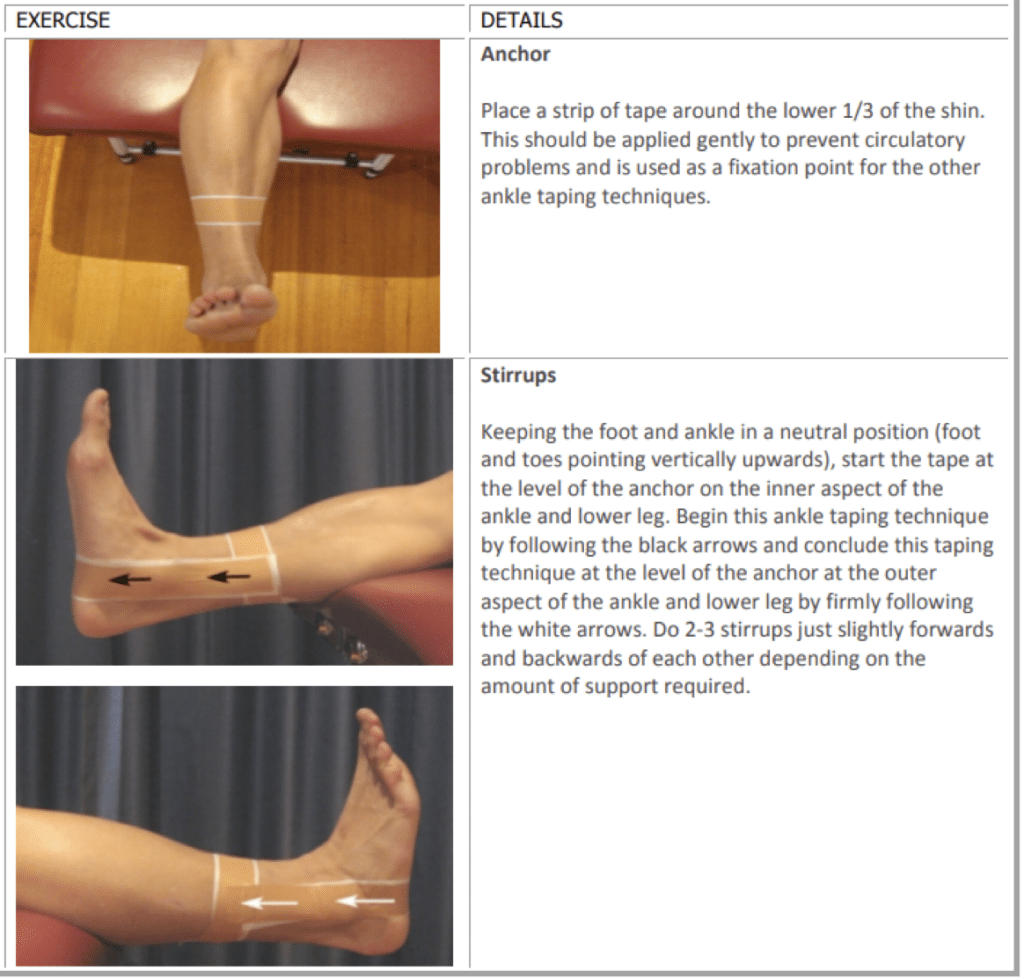
Ankle taping techniques have long been a staple in sports medicine, offering athletes an extra layer of protection against injuries. But how effective are these methods really, and which techniques should you consider for optimal support? Let’s delve into the common methods and materials used in ankle taping to help you make informed choices.
Common Methods
There are several popular methods for taping ankles, each with unique benefits. The figure-eight method is one of the most common, providing support while allowing flexibility. It involves wrapping the tape around the ankle in a pattern resembling the number eight, stabilizing the joint effectively.
Another popular technique is the basket weave, which offers robust support and is often used for athletes recovering from sprains. This method involves layering tape in a crisscross fashion to reinforce the ankle. While it may limit some movement, it provides strong protection, especially during high-intensity activities.
Do you prefer more freedom of movement? The heel lock technique might be your answer. It secures the heel while allowing more motion in the rest of the foot, ideal for sports requiring quick directional changes.
Materials Used
The choice of materials can significantly affect the effectiveness of ankle taping. Most commonly, athletic tape is used due to its adhesive properties and flexibility. It allows for firm support and can be tailored to fit the contours of the ankle.
Pre-wrap is another crucial material, often applied before the athletic tape. It serves as a barrier between the skin and the tape, preventing irritation and providing a smoother surface for application.
Elastic bandages can be used for additional compression and support, especially in cases of mild swelling. They adapt easily to the movement of the ankle, offering comfort without compromising stability.
Have you tried experimenting with different materials to see what works best for your ankle support needs? Choosing the right combination can make a significant difference in both comfort and protection.
Ankle Injuries In Sports
Ankle injuries are common in sports. They affect athletes across various disciplines. These injuries can sideline players for weeks or even months. Understanding ankle injuries helps in prevention and management. This section explores types of ankle injuries and their prevalence among athletes.
Types Of Ankle Injuries
Ankle injuries vary in type and severity. Sprains are the most common. They occur when ligaments stretch or tear. Strains affect muscles or tendons around the ankle. Fractures involve breaks in the ankle bones. Tendonitis results from inflammation of the tendons. Dislocations happen when ankle bones move out of place. Each type requires specific treatment and recovery.
Prevalence Among Athletes
Ankle injuries are frequent among athletes. They are especially common in high-impact sports. Basketball players often suffer sprains due to rapid movements. Soccer players experience fractures from collisions. Runners face strains from repetitive stress. Gymnasts risk dislocations from falls. Ankle injuries affect performance and career longevity. Proper care and prevention are vital.
Biomechanics Of Ankle Support
Ankle injuries are a common concern, especially for athletes and active individuals. Understanding the biomechanics of ankle support can be key in preventing these injuries. Ankle taping is a widely used method aimed at providing stability and preventing strains. But how effective is it really in altering movement and providing support without restriction?
How Taping Affects Movement
Taping can significantly influence how your ankle moves. It creates a supportive structure around the joint, aiming to keep it in a safer position during physical activities. This support can help in reducing abnormal movement patterns that often lead to injuries. Imagine running or jumping—properly taped ankles can ensure a more controlled motion.
However, it’s important to note that excessive taping might alter your natural gait. You may feel the difference in how your foot strikes the ground. This altered movement could lead to compensatory injuries elsewhere if not monitored. Are you willing to trade some natural movement for added support?
Support Vs. Restriction
Ankle taping offers a delicate balance between support and restriction. On one hand, it provides a firm foundation that can boost your confidence during high-impact activities. Knowing your ankle is secure can empower you to push boundaries without fear.
On the flip side, there’s a risk of restricting too much movement, which might affect performance. Some athletes feel constrained, as if their ankles are bound too tightly. Finding the right balance between support and freedom is crucial. Have you found your ideal taping method that offers just the right amount of flexibility?
Next time you tape your ankle, consider how it influences your movement. Does it enhance your performance or hold you back? Understanding this can make all the difference in preventing injuries while optimizing your athletic potential.

Credit: www.instagram.com
Scientific Evidence On Taping
Scientific studies suggest ankle taping can reduce injury risk. Taping provides support and stability, enhancing movement control. While not foolproof, it can be a useful preventive measure.
Scientific Evidence on Taping Ankle taping is a common technique used by athletes and trainers to prevent injuries. But what does science say about its effectiveness? Understanding the scientific evidence can help you decide if taping is right for you.Studies Supporting Taping
Several studies highlight the benefits of ankle taping in reducing injury risk. Research has shown that taping can improve proprioception, which is your body’s ability to sense movement and position. Improved proprioception can help prevent awkward movements that often lead to sprains. A study published in the Journal of Sports Science and Medicine found that athletes who used ankle tape experienced fewer injuries compared to those who didn’t. This suggests that taping may offer a protective benefit, especially in high-impact sports like basketball and soccer.Research Challenging Taping Effectiveness
Despite the support, some research challenges the effectiveness of ankle taping. Critics argue that the benefits might be psychological rather than physical. Some studies indicate that tape can lose its efficacy after just 30 minutes of activity, as the tape loosens and loses support. A comprehensive review in the British Journal of Sports Medicine found mixed results, with some athletes not experiencing any significant reduction in injury rates. This raises an important question: is ankle taping just a placebo effect for some? Before you decide to tape, consider your personal needs and the specific demands of your sport. What works for one athlete might not work for another. Would you rely on a method with uncertain benefits, or seek alternative preventative measures?Athlete Perspectives
Athlete Perspectives explore whether ankle taping effectively prevents injuries. Many athletes rely on taping for support and stability. Others question its effectiveness, considering personal comfort and movement freedom.
Ankle taping has long been a topic of discussion among athletes. The idea is simple: provide support to prevent injuries. But what do athletes really think about its effectiveness?Personal Experiences
Many athletes have vivid memories of their first ankle tape job. For some, it was a rite of passage, marking their entry into competitive sports. One basketball player mentioned how taping gave him the confidence to push harder during games after a previous sprain. He felt the tape acted as a safety net, reducing his fear of re-injury. However, not all stories are positive. Another athlete shared how the tape felt restrictive, limiting her natural movement. This made her question whether it was more of a mental crutch than a physical aid. Have you ever felt that a preventive measure like taping could actually hinder performance?Professional Opinions
Coaches and sports therapists often have strong opinions on ankle taping. Many recommend it, especially for athletes prone to sprains. They argue that the support can be crucial during intense activity. Yet, some professionals caution against over-reliance. They emphasize the importance of strengthening exercises to naturally support the ankle. A sports therapist noted that while taping might provide immediate support, building muscle strength offers long-term protection. What would you prioritize—immediate support or long-term resilience? Athlete perspectives on ankle taping vary widely. Some swear by it, while others see it as a temporary fix. Understanding these viewpoints can help you make informed decisions about your own injury prevention strategies.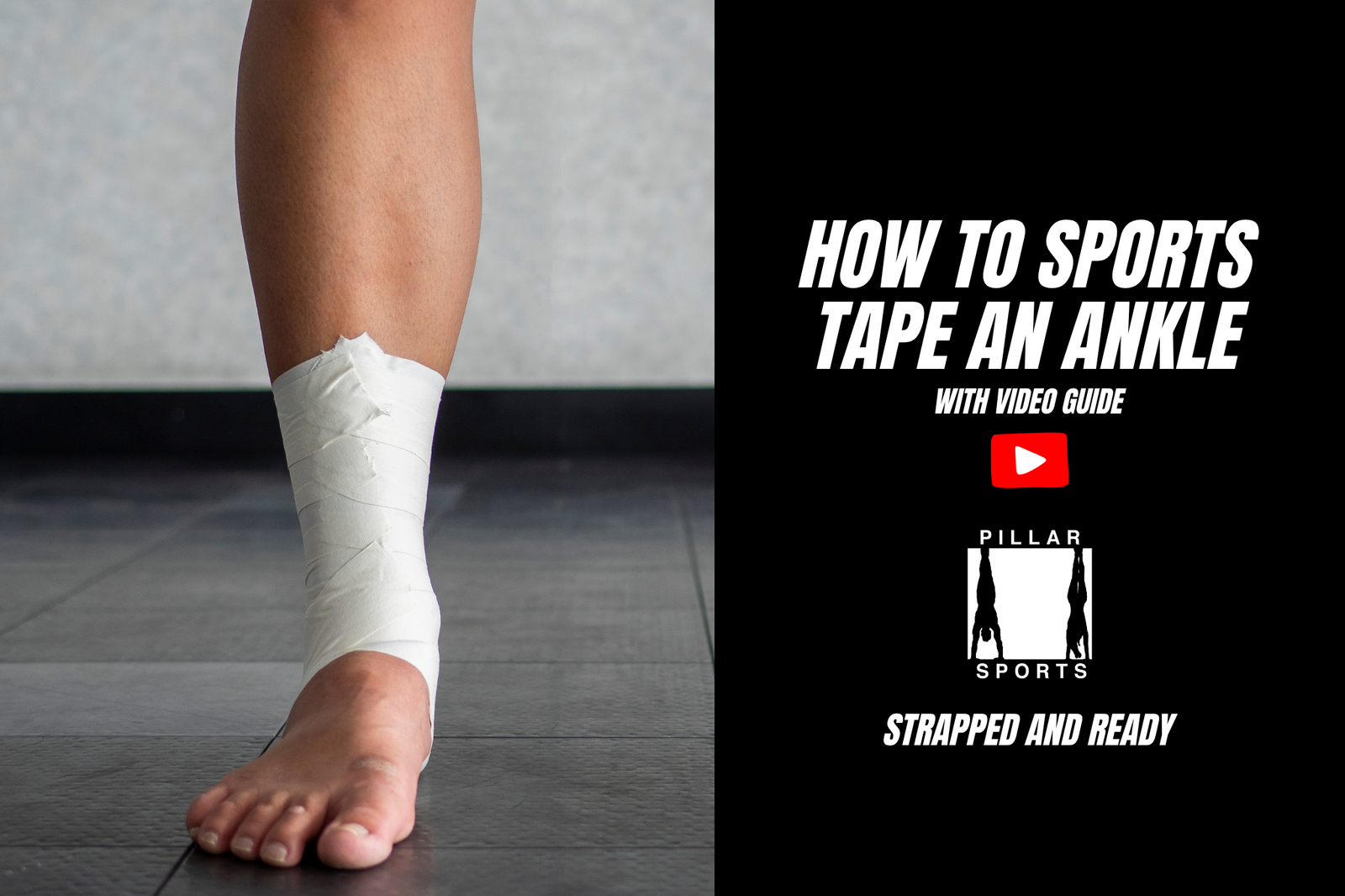
Credit: pillarsports.com
Alternative Injury Prevention
While ankle taping is a popular method for preventing injuries, especially in sports, exploring alternative strategies can offer additional protection and enhance overall foot health. Incorporating diverse techniques into your routine may reduce injury risks and improve performance. Let’s dive into some effective alternative injury prevention methods.
Strengthening Exercises
Strengthening exercises for your ankles can significantly lower the chances of injuries. By building muscle and improving stability, you can better withstand the physical demands of your activities.
- Try simple exercises like calf raises and ankle circles. These can be done anywhere, even during a break at work.
- Consider balancing exercises, such as standing on one foot. They enhance proprioception, which helps in preventing falls.
Have you ever noticed how professional athletes dedicate time to strength training? That’s because a strong foundation is key to preventing injuries.
Use Of Ankle Braces
Ankle braces provide consistent support and are an excellent alternative to taping. They are easy to use and can be adjusted for comfort.
- Opt for a brace that allows flexibility while providing firm support. This can help in both high-intensity and everyday activities.
- Braces are reusable and often more cost-effective than taping in the long run.
Think about the last time you felt a twinge in your ankle. Would a brace have offered the support you needed? It’s worth considering how this option can offer peace of mind and stability.
By integrating strengthening exercises and ankle braces into your routine, you can create a solid foundation to prevent injuries. Are you ready to take control of your ankle health and boost your confidence on and off the field?
Debunking Myths
Ankle taping is a common practice in sports and daily activities, often believed to be a surefire way to prevent injuries. But how much of this belief is grounded in fact, and how much is merely myth? In this section, we’ll dive into the myths surrounding ankle taping and separate fact from fiction. By understanding the truth, you can make informed decisions about your injury prevention strategies.
Common Misconceptions
Many people think ankle taping offers complete protection against injuries. You might have seen athletes confidently striding onto the field with taped ankles, giving the impression of invincibility. However, taping isn’t a magical shield. It can provide support but doesn’t eliminate the risk of injury.
Another misconception is that once you’ve taped your ankle, you’re safe to push beyond your limits. This belief can lead to overconfidence and increased risk, as you might ignore your body’s warning signs. Remember, taping is a tool, not a substitute for proper conditioning and awareness.
Clarifying Facts
Research shows that ankle taping can reduce the risk of certain injuries, particularly in athletes with a history of ankle problems. Yet, the effectiveness largely depends on the taping technique and the individual’s unique needs. It’s not a one-size-fits-all solution.
Consistency and proper application matter. A poorly applied tape can do more harm than good, offering a false sense of security. If you’re new to taping, consider consulting a professional to learn the best techniques for your activity.
Regularly evaluate your body’s response to taping. Are you feeling restricted, or is it providing the right amount of support? Listening to your body can help you determine if taping is beneficial for you or if other preventative measures might be more appropriate.
Frequently Asked Questions
How Effective Is Ankle Taping In Preventing Injuries?
Ankle taping can provide moderate support and stability. It helps reduce the risk of sprains during physical activities. However, it doesn’t guarantee complete prevention. Proper technique and regular checks ensure optimal effectiveness. Combining taping with exercises can enhance injury prevention.
Can Ankle Taping Replace Ankle Braces?
Ankle taping is not a substitute for ankle braces. Braces offer more consistent support and adjustability. Taping requires skill and can loosen over time. It’s best to use both methods for comprehensive protection. Consult a professional for personalized recommendations.
Does Ankle Taping Affect Performance?
Ankle taping may slightly restrict movement. This can impact performance if not applied correctly. It provides stability, helping athletes feel confident. Some find it beneficial, while others prefer alternatives. Practice and experience can improve comfort and effectiveness.
Is Ankle Taping Suitable For All Sports?
Ankle taping is widely used in sports, especially those with high injury risks. It’s suitable for basketball, soccer, and running. However, individual needs vary, requiring tailored approaches. Consult a healthcare professional for advice on specific sports requirements.
Conclusion
Ankle taping offers support and stability during activities. It helps reduce injury risk but isn’t foolproof. Proper technique is crucial for effectiveness. It doesn’t replace strength training or correct footwear. Each person’s needs vary, so consult a professional for personalized advice.
Taping can be a helpful tool in your injury prevention strategy. Staying active and safe matters most. Remember, balance is key in sports and daily life. Always prioritize your health and well-being. A healthy ankle supports a happy lifestyle. Keep exploring ways to protect yourself.