Choosing The Right Yoga Mat: More Than Just A Surface
Yoga mats come in many shapes, sizes, and materials. It can be confusing to pick one that suits your practice. Some mats feel soft but wear out fast, while others offer durability but less comfort. Buyers often wonder about features like thickness and grip. This article helps clear up common doubts, including the question: do yoga mats float? Understanding this will help you find a mat that fits your needs.
Why Buyers Struggle With Yoga Mat Choices
Marketing often promises mats that do everything perfectly. This noise makes it hard to separate real benefits from gimmicks. You may see claims about thickness or eco-friendliness that don’t match your needs.
Specifications like dimensions and weight can be confusing. Some buyers focus on thickness, others on material. Without clear guidance, it’s tough to know what really matters for your use.
Many buyers pick mats based on price or color rather than comfort and durability. This mismatch can lead to frustration. Knowing your priorities before buying helps avoid this common trap.
Understanding Different Buyer Types
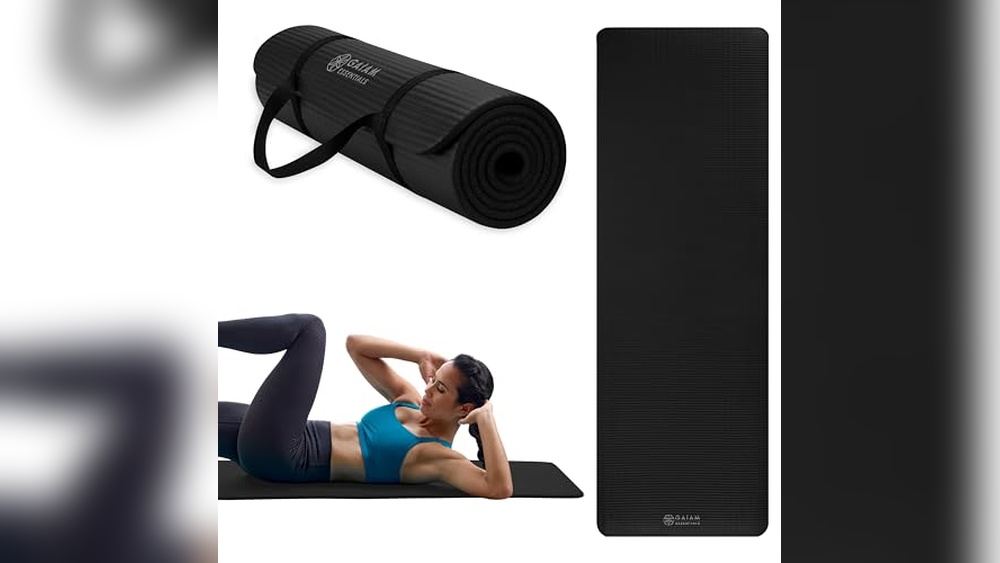
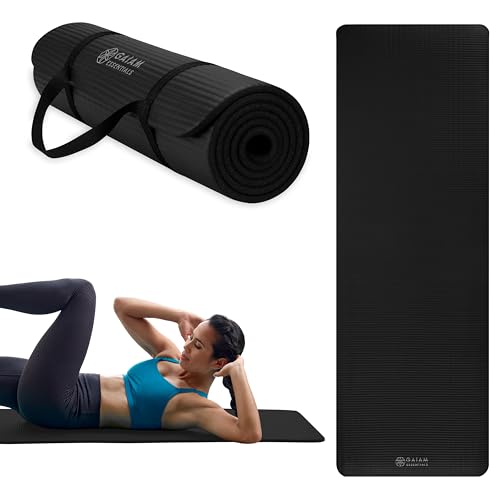
Casual yogis who practice at home might want a comfortable, cushioned mat that is easy to clean. The Gaiam Essentials Thick Yoga Mat fits this group well with its soft foam and simple care.
Active users who do intense workouts need a mat with strong grip and durability. Retrospec Solana Yoga Mat suits this type as it offers a non-slip surface and extra thickness for balance.
Tall or larger users often look for more space. The MRZZATA Extra Long & Wide Thick Yoga Mat provides extra length and width, making it a good choice for them.
Eco-conscious buyers want mats made of safe materials without harsh chemicals. Retrospec Solana is free of phthalates and latex, appealing to this group.
Beginners may prefer mats that offer cushioning and stability to reduce joint stress. Both Gaiam Essentials and Retrospec Solana cater to beginners, but Gaiam is softer while Retrospec is firmer.
Where Gaiam Essentials Thick Yoga Mat Fits Naturally
This mat works well for daily yoga and stretching at home. It offers cushioning that protects knees and joints during longer sessions. I find it comfortable for floor workouts but it may be less ideal for very sweaty practices.
Over time, the mat holds its shape and resists tears better than cheaper options. It cleans easily with just a damp cloth, which is convenient for regular use. The included strap makes it easy to carry to classes.
One limitation is that the mat is thinner than some others, so it may not provide as much support for heavy impact exercises or very tall users.
What works well over time
- Soft cushioning protects joints during yoga and Pilates.
- Textured surface reduces slipping on hard floors.
- Low-odor, easy-to-clean material.
- Durable foam resists tears and regular wear.
- Adjustable strap for easy transport.
Things that may bother some users
- Thinner padding may feel less supportive for tall or heavy users.
- Can become slippery if very wet from sweat.
- Foam may compress slightly with heavy use over time.
Where Retrospec Solana Yoga Mat Makes More Sense
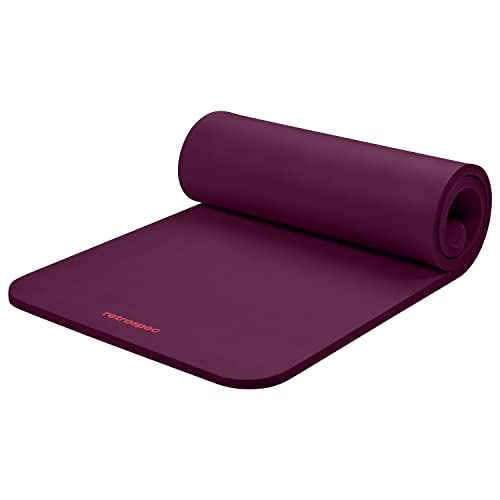
This mat is great for users needing extra thickness and firm support. I like how it cushions pressure points during longer or more intense workouts. It’s a good match for those who want a non-slip grip on any surface.
Its durable material stands up to daily use and holds shape well. The nylon strap adds portability for classes or travel. It also appeals to users avoiding harsh chemicals in their gear.
One downside is the initial odor some users may notice, though it fades after airing out. It also weighs a bit more due to the thickness.
What works well over time
- One-inch thickness cushions joints effectively.
- Non-slip surface enhances balance during poses.
- Durable material tolerates intense use.
- Free from harsh chemicals for peace of mind.
- Comes with a nylon strap for easy carrying.
Things that may bother some users
- Initial odor that may require airing out.
- Heavier weight can be less convenient to transport.
- Surface may feel firm for those preferring softer mats.
Early Signals That Guide Your Yoga Mat Choice
The first thing many notice is the mat’s thickness. Thicker mats offer more cushioning but can be bulkier to carry. If you have sensitive knees, this is a key factor.
Grip matters early on. A mat that slips will distract and possibly cause injury. Testing the mat’s surface texture helps decide if it suits your practice style.
Material and odor can be early deal breakers. Some mats emit chemical smells that can be off-putting. Choosing mats with low-odor, eco-friendly materials avoids this issue.
Portability is another early consideration. Buyers often want mats that roll up compactly and include straps for easy transport.
Lastly, consider dimensions. Taller or broader users need mats that accommodate their size comfortably from the start.
Comparing Early Decision Signals
Here’s a quick look at how Gaiam Essentials and Retrospec Solana compare on key buying signals.
| Decision signal (before buying) | Gaiam Essentials | Retrospec Solana |
|---|---|---|
| Thickness and Cushioning | 10mm thick, soft cushioning | 1 inch thick, firmer feel |
| Grip and Surface Texture | Textured, non-slip but can get slippery if wet | Strong non-slip grip on all surfaces |
| Odor and Material Safety | Low-odor, eco-conscious foam | Free of harsh chemicals, may have initial odor |
| Portability | Includes adjustable carrying strap | Comes with nylon carrying strap |
| Size and Dimensions | 72″ L x 24″ W, standard size | 72″ L x 24″ W, standard size |
| Weight | Lightweight and easy to carry | Heavier due to extra thickness |
Living With Your Yoga Mat: What To Expect
Cleaning is simple for both mats. Gaiam Essentials wipes down easily, while Retrospec Solana requires gentle soap and water but is still straightforward to maintain.
Both mats maintain their shape well with regular use. Gaiam’s foam compresses slightly over months but still offers comfort. Retrospec’s thicker build holds firm longer.
Minor annoyances include possible slipperiness on Gaiam if overly sweaty. Retrospec’s initial smell may bother sensitive noses but fades quickly.
With time, both mats earn trust for consistent performance. They support various yoga styles without significant wear or discomfort.
Long-term Ownership Comparison
Below is a summary of how these mats feel after weeks or months of use.
| Ownership reality (after weeks/months) | Gaiam Essentials | Retrospec Solana |
|---|---|---|
| Cleaning and Maintenance | Easy wipe-down, low effort | Requires gentle soap, air dry needed |
| Durability | Resists tears, slight foam compression | Very durable, holds thickness well |
| Comfort Over Time | Soft but may thin slightly | Firm and supportive consistently |
| Odor Retention | Minimal odor, pleasant | Initial odor fades after airing |
| Portability | Lightweight and easy to carry | Heavier, less convenient for travel |
| User Satisfaction | Good for gentle, daily use | Better for intense or longer sessions |
Common Mistakes Buyers Make When Choosing Yoga Mats
Buying based on price alone often leads to dissatisfaction. Cheaper mats may lack durability or comfort. Consider long-term use instead of short-term savings.
Ignoring mat thickness can cause joint discomfort. Thicker mats cushion better but may be heavier. Match thickness to your practice style and body needs.
Overlooking grip can result in slipping and injury. Always check if the mat has a reliable non-slip surface, especially if you sweat a lot.
Forgetting to consider portability makes transporting mats harder. If you attend classes, a mat with a strap or lightweight design is better.
Assuming all mats float can be misleading. Most yoga mats do not float well due to their materials and density. This is important if you plan to use mats near water.
Making The Right Choice For Your Situation
If you want a soft, lightweight mat for casual practice and easy cleaning, the Gaiam Essentials Thick Yoga Mat fits well. It suits home users and beginners seeking comfort.
If you need a thicker, more durable mat with strong grip and chemical-free materials, the Retrospec Solana Yoga Mat is a solid choice. It works for active users and those with sensitive skin.
Remember, the right mat depends on your priorities more than specs. Comfort, grip, and ease of care matter most. Choose what fits your body and routine best.
Faqs About Do Yoga Mats Float
Do most yoga mats float on water?
Most yoga mats do not float well because they are made from dense foam or rubber materials. They are designed for grip and cushioning, not buoyancy.
Can I use a yoga mat for water yoga or paddleboard yoga?
Specialized mats or pads designed for water use are recommended. Regular yoga mats may absorb water and become heavy or slippery.
Does thickness affect whether a yoga mat floats?
Thickness alone does not guarantee floatation. The material’s density and composition are more important for buoyancy.
Are there yoga mats made specifically to float?
Yes, some brands offer mats or pads made with lightweight, closed-cell foam that can float. These are often marketed for water-based activities.
Does the Gaiam Essentials mat float?
Due to its dense foam construction, the Gaiam Essentials mat is unlikely to float effectively. It is best used on dry land.
What about the Retrospec Solana mat and floating?
The Retrospec Solana mat is thicker but made of materials that do not typically float. It is designed for stability and cushioning on floors.
Will moisture affect my yoga mat’s grip?
Yes, moisture can make mats slippery. Mats with textured, non-slip surfaces handle sweat better but should be wiped dry regularly.
How should I care for my yoga mat to avoid damage?
Clean mats with mild soap and water or a damp cloth. Avoid harsh chemicals and store mats rolled up in a dry place.