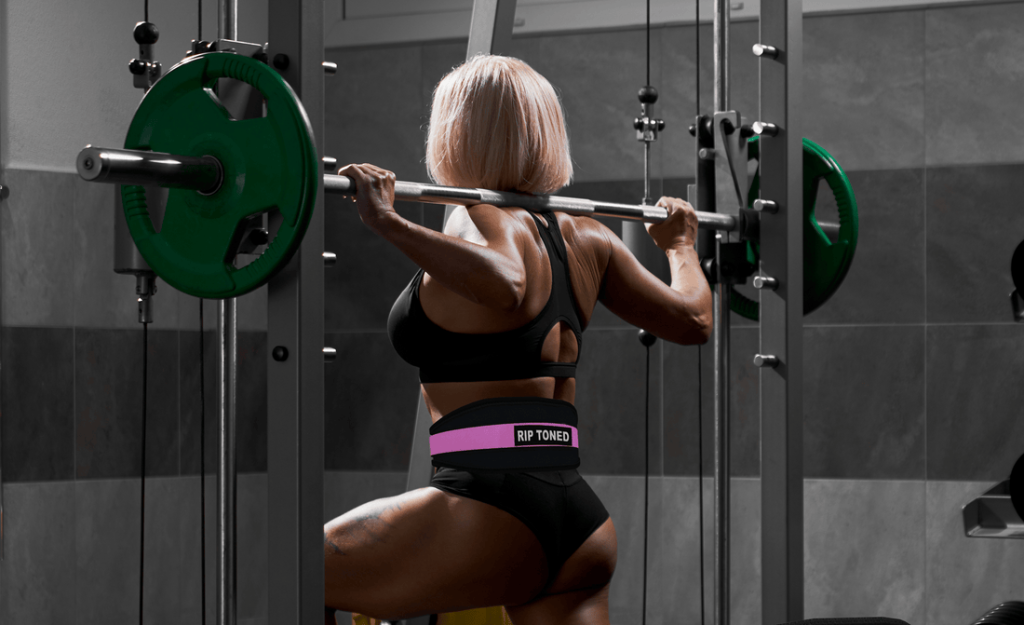
Are you hitting the gym and considering adding a weightlifting belt to your routine? You might be wondering if this piece of gear is really necessary.
Does it actually prevent injuries or is it just another accessory? Your safety and performance in the gym matter, and understanding the role of a weightlifting belt could make all the difference. Imagine lifting heavier weights with confidence, knowing that you’re protecting your back and enhancing your strength.
We’ll unravel the truth about weightlifting belts and their impact on your workouts. Get ready to discover whether this tool is your new best friend or just another gym myth.
Weightlifting Belts Explained
Weightlifting belts support the lower back and core during heavy lifts. They help stabilize the spine, reducing injury risk. Proper use involves tightening the belt to enhance abdominal pressure for effective protection.
Weightlifting belts are often seen as essential gear in the gym, especially when heavy lifting is involved. But what exactly do they do, and how can they help prevent injuries? Understanding the fundamentals of weightlifting belts can guide you in making the best choice for your workouts.Purpose And Design
The primary purpose of a weightlifting belt is to support your lower back and core during heavy lifts. It does this by increasing intra-abdominal pressure, which stabilizes your spine and reduces stress on your lower back muscles. This added stability can help you lift heavier weights safely. Design-wise, these belts are typically made from leather or durable synthetic materials. They feature a sturdy buckle or Velcro system to ensure a snug fit. The thickness and width of the belt can vary, with thicker belts providing more support.Types Of Belts
There are several types of weightlifting belts, each designed for specific purposes.- Powerlifting Belts:These are usually thicker and more rigid, providing maximum support for heavy deadlifts and squats.
- Olympic Lifting Belts:These are slightly tapered, allowing for more flexibility and movement, which is ideal for the dynamic lifts seen in Olympic weightlifting.
- Velcro Belts:Lightweight and easy to adjust, these are great for general workouts and are popular among beginners.
Common Beliefs About Weightlifting Belts
Weightlifting belts are common in gyms. Many believe they provide protection during heavy lifts. These belts are thought to prevent injury and improve performance. Let’s explore these beliefs.
Injury Prevention Claims
Some lifters wear belts for safety. They think belts support the lower back. This belief stems from the idea that belts keep the spine stable. Lifters feel more confident during squats and deadlifts. They trust the belt to reduce the risk of injury.
Performance Enhancement
Others believe belts boost their lifting power. Wearing a belt might help them lift heavier weights. The belt creates pressure in the core. This pressure can make lifters feel stronger. It is common for athletes to use belts to push their limits.
Scientific Evidence On Injury Prevention
Weightlifting belts are popular among athletes. Many believe they prevent injuries. But what does science say about their effectiveness? Understanding scientific evidence can help guide fitness decisions. Research offers insight into how belts might protect the body.
Studies And Research Findings
Scientific studies explore weightlifting belts and injury prevention. Some research shows belts increase intra-abdominal pressure. This added pressure supports the spine during heavy lifts. Other studies find that belts may reduce stress on the lower back. They might also help in maintaining proper form. Yet, not all studies agree on these benefits. Some researchers argue the risk reduction is minimal. Current evidence remains mixed and sometimes conflicting.
Expert Opinions
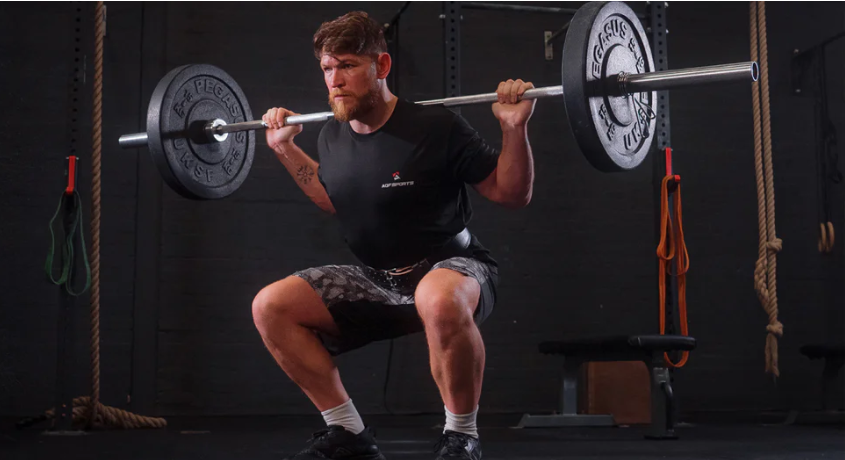
Experts in sports medicine have varied opinions. Some trainers recommend belts for heavy lifters. They argue belts can prevent injuries in extreme weight situations. Others suggest belts might lead to over-reliance. This could weaken core muscles over time. Fitness professionals stress proper technique as a priority. They emphasize that belts are tools, not solutions. Consulting with a coach or trainer is often advised. This ensures the belt is used correctly and effectively.
Credit: uk.aqfsports.com
Potential Risks Of Using Weightlifting Belts
Weightlifting belts are often seen as a necessary piece of equipment in the gym. While they can provide support and stability, they are not without potential risks. Understanding these risks can help you make informed decisions about when and how to use them. Let’s delve into some specific concerns associated with weightlifting belts.
Dependency Issues
Relying too heavily on a weightlifting belt can lead to dependency issues. It might become a psychological crutch, making you feel insecure when lifting without it. This dependency can hinder the development of core strength, which is crucial for overall performance. Have you ever found yourself reaching for the belt even during lighter lifts? It’s essential to ensure your core muscles are strong enough to handle the weights independently.
Improper Usage Consequences
Using a weightlifting belt incorrectly can do more harm than good. Wearing it too tight or loose can lead to improper form and technique, increasing the risk of injury. Misusing a belt might also create a false sense of security, tempting you to lift heavier than your body is ready for. Always ensure the belt is positioned correctly, and remember: it’s a tool, not a shield.
Alternatives To Weightlifting Belts
Weightlifting belts are often used to provide support during heavy lifts. But they’re not the only way to ensure safety and prevent injury. Many lifters find success using alternative methods to strengthen their bodies and improve their lifting technique.
Core Strengthening Exercises
Building a strong core can reduce reliance on weightlifting belts. Exercises like planks, bridges, and Russian twists improve stability. They help the body handle heavy weights without extra support. Consistent core training leads to better balance and control. This reduces injury risk.
Incorporating these exercises into your routine strengthens muscles that support the spine. A strong core maintains proper form during lifts. It boosts overall performance.
Proper Technique And Form
Mastering proper technique is crucial for injury prevention. Focus on maintaining a neutral spine and controlled movements. This minimizes strain on the back and other joints.
Practicing lifts with lighter weights helps refine form. Gradually increase the load as technique improves. Seek guidance from experienced trainers or watch instructional videos. Correcting form mistakes early prevents long-term issues.
Regularly reviewing and adjusting your technique ensures safe lifting practices. Proper form reduces the need for belts, allowing for more natural and efficient lifts.

Credit: www.gymreapers.com
Making An Informed Decision
Making an informed decision about using weightlifting belts is crucial for safety. Many lifters wonder if these belts prevent injury. Understanding how they work can help make the right choice.
Evaluating Personal Needs
Start by assessing your lifting routine. Consider your goals and current strength levels. Are you lifting heavy weights often? If yes, a belt might be beneficial. Think about your comfort during lifts. Some lifters prefer support around the core. Others find belts restrictive. Personal preference matters.
Reflect on your past injuries, if any. Have you experienced back pain during lifting? A weightlifting belt can offer additional support. This might reduce the risk of further injury. But remember, belts are not a substitute for proper form. Ensure your lifting technique is correct.
Consulting Fitness Professionals
Seek advice from certified trainers. They can provide insights based on your fitness level. A professional can evaluate if a belt suits your needs. They may suggest exercises to strengthen your core without a belt. This builds natural support and stability.
Discuss your lifting plan with a physiotherapist. They understand body mechanics well. A physiotherapist can advise on safe lifting practices. Their guidance might prevent injuries better than a belt alone. Listen to their recommendations. It could improve your lifting experience significantly.

Credit: www.gymreapers.com
Frequently Asked Questions
How Do Weightlifting Belts Work?
Weightlifting belts provide support to your lower back and core. They increase intra-abdominal pressure, enhancing stability and reducing the risk of injury. By helping you maintain proper posture, belts can prevent excessive strain on your spine during heavy lifts.
Do Belts Improve Lifting Performance?
Yes, weightlifting belts can improve lifting performance. They offer increased stability, allowing lifters to handle heavier weights safely. By enhancing core support, belts can enable more efficient power transfer, helping you lift with better form and reduced injury risk.
Are Weightlifting Belts Necessary For Beginners?
Weightlifting belts are not always necessary for beginners. Initially, focus on developing core strength and proper technique. As you progress to heavier weights, consider using a belt for added support. Proper form and gradual progression are key to minimizing injury risks.
Can Belts Replace Proper Lifting Technique?
No, belts cannot replace proper lifting technique. While belts offer support, they are supplementary. Focus on mastering correct form and technique first. A belt should be used to enhance stability and safety, not as a substitute for improper form during lifts.
Conclusion
Weightlifting belts can help reduce injury risk. They offer support and stability. But they don’t guarantee complete protection. Proper technique remains essential for safety. Belts are tools, not solutions. Use them wisely. Train with awareness and care. Consult professionals when unsure about form.
Fitness goals should prioritize safety first. Listen to your body’s signals. Rest and recover as needed. Balance training intensity with caution. Remember, prevention is better than cure. Stay informed and stay safe. Your health matters most.