
Are you wondering if a vegetarian or vegan diet can truly meet all your nutritional needs? You’re not alone.
Many people are curious about the health benefits and potential pitfalls of plant-based eating. With so much information out there, it can be overwhelming to separate fact from fiction. But what if you discovered that embracing a vegetarian or vegan lifestyle could not only meet but exceed your nutritional expectations?
Imagine feeling more energized, healthier, and living in harmony with your food choices. We will break down the essential nutrients you need, uncover any potential gaps, and show you how you can thrive on a plant-based diet. Get ready to transform your understanding of nutrition and see how a vegetarian or vegan diet might just be the change you’ve been looking for.
Benefits Of Vegetarian And Vegan Diets
Exploring vegetarian and vegan diets reveals their ability to meet nutritional needs. They offer essential vitamins, minerals, and fiber. Balanced plant-based meals ensure adequate protein, iron, and calcium intake.
The benefits of vegetarian and vegan diets are gaining attention. These diets offer a range of advantages that attract many people. From health improvements to ethical reasons, the shift is noticeable. Let’s explore some key benefits.Health Advantages
Vegetarian and vegan diets can improve heart health. They often include more fruits and vegetables. This increases fiber intake, which lowers cholesterol. A plant-based diet can also reduce the risk of diabetes. It helps maintain a healthy weight. Many people report higher energy levels. Nutrient-rich foods like grains and legumes provide essential vitamins. B12 and iron can be supplemented if needed.Environmental Impact
A plant-based diet reduces carbon emissions. Animal farming contributes significantly to greenhouse gases. Eating plants uses fewer natural resources. It requires less water and land. This approach supports biodiversity. Cutting down on meat can lessen deforestation. It helps preserve habitats for wildlife. Many see this as a step toward sustainability.Ethical Considerations
Choosing a vegetarian or vegan diet often aligns with ethical values. Many avoid animal products to prevent harm. They believe in treating animals with compassion. Some are concerned about factory farming practices. A plant-based lifestyle avoids contributing to these industries. It reflects a commitment to animal welfare. This choice can offer peace of mind for many.Common Nutritional Concerns
Vegetarian and vegan diets often face questions about meeting all nutritional needs. Key concerns include protein, vitamin B12, iron, and omega-3 fatty acids. Proper planning and diverse food choices can help fulfill these essential nutrients.
Switching to a vegetarian or vegan diet can be an exciting journey toward better health and a more sustainable lifestyle. However, it’s crucial to address common nutritional concerns to ensure you’re meeting all your body’s needs. Let’s explore some key areas that often raise questions for those adopting plant-based diets.Protein Sources
One of the most frequent questions is: How do you get enough protein? While meat is a well-known protein source, plants offer plenty of options too. Beans, lentils, chickpeas, and quinoa are excellent protein-rich foods. Consider adding tofu or tempeh to your meals. They not only provide protein but also absorb flavors well, making your dishes delicious. Nuts and seeds, like almonds and chia seeds, are also protein-packed and perfect for snacks or toppings.Vitamin B12 Deficiency
Vitamin B12 is essential for nerve function and the production of DNA and red blood cells. It’s primarily found in animal products, raising concerns for vegans. However, there are ways to ensure adequate intake. Fortified foods, such as plant-based milks and breakfast cereals, are great sources of B12. You might also consider a B12 supplement, which can be a simple addition to your routine. Regularly including these options can help keep your B12 levels in check.Iron Intake
Iron is vital for producing hemoglobin, which carries oxygen in your blood. Plant-based eaters often wonder how to maintain sufficient iron levels. The good news is that many plant foods are iron-rich. Spinach, lentils, and tofu are excellent choices for boosting your iron intake. Pairing these with vitamin C-rich foods, like bell peppers or citrus fruits, can enhance iron absorption. Are you making the most of these combinations in your meals? By addressing these common concerns, you can enjoy the benefits of a vegetarian or vegan diet while ensuring your nutritional needs are met. What changes will you make to your diet today?Essential Nutrients In Plant-based Diets
Plant-based diets offer a variety of essential nutrients. These nutrients are crucial for maintaining health. Understanding these nutrients helps in crafting a balanced diet. Let’s explore some key nutrients found in vegetarian and vegan diets.
Omega-3 Fatty Acids
Omega-3 fatty acids are vital for heart health. They support brain function and reduce inflammation. Plant sources include flaxseeds, chia seeds, and walnuts. These foods provide alpha-linolenic acid (ALA), which the body converts to EPA and DHA.
Calcium And Vitamin D
Calcium strengthens bones and teeth. Vitamin D helps in calcium absorption. Leafy greens like kale and broccoli are rich in calcium. Vitamin D can be obtained from fortified foods and sunlight exposure.
Zinc And Iodine
Zinc aids immune function and cell growth. Iodine supports thyroid health. Nuts, seeds, and legumes are good zinc sources. Iodized salt provides necessary iodine. Incorporating these into your diet ensures adequate mineral intake.
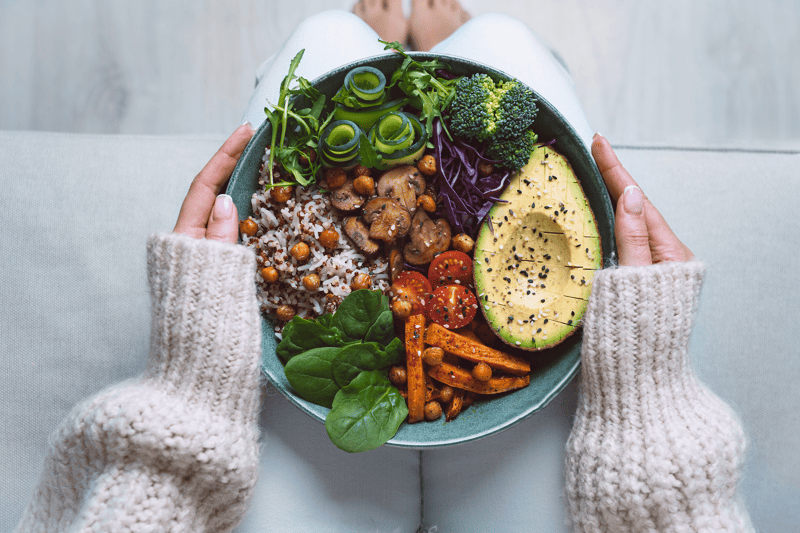
Credit: health.clevelandclinic.org
Strategies For Balanced Nutrition
Exploring vegetarian and vegan diets can provide essential nutrients like vitamins, minerals, and fiber. Balanced meal planning ensures protein, iron, and vitamin B12 needs are met through plant-based sources and fortified foods, supporting overall health.
Embarking on a vegetarian or vegan diet can be a fulfilling journey towards better health, ethical eating, and environmental sustainability. However, ensuring that your diet meets all nutritional needs requires thoughtful planning. Let’s explore some strategies to achieve balanced nutrition without compromising on taste and enjoyment.Diverse Food Choices
A key strategy for balanced nutrition is to embrace a variety of foods. Eating a wide range of fruits, vegetables, grains, legumes, nuts, and seeds ensures that you get an array of essential nutrients. Each food group offers unique benefits. For instance, leafy greens like spinach and kale are rich in iron and calcium. Legumes like lentils and chickpeas provide protein and fiber. Mixing and matching different foods not only adds excitement to your meals but also covers a broader spectrum of nutrients. Are you exploring new cuisines? Trying dishes from different cultures can introduce you to new ingredients and flavors, broadening your palate and nutrient intake.Supplements And Fortified Foods
Sometimes, even with the best efforts, certain nutrients may be challenging to obtain from a vegetarian or vegan diet. Vitamins B12 and D, omega-3 fatty acids, and iron are commonly discussed in this context. Considering supplements can be a smart move to bridge any gaps. Vitamin B12, for example, is primarily found in animal products, making supplements essential for vegans. Fortified foods like plant-based milk and cereals offer another way to enhance your nutrient intake. Always consult with a healthcare professional before adding supplements to your diet to ensure they’re necessary and appropriate for you.Meal Planning Tips
Effective meal planning is another strategy to maintain a balanced vegetarian or vegan diet. Planning your meals ahead can help you ensure that you’re getting a variety of nutrients throughout the week. Start by setting aside time each week to brainstorm your meals. Consider using apps or online resources to find recipes that are both nutritious and appealing. Create a shopping list based on your meal plan. This not only saves time but also helps avoid impulse buys that might not align with your dietary goals. Do you have a favorite dish you love to cook? Try tweaking it to include more vegetables or whole grains, enhancing its nutritional profile while retaining its delicious flavor.Challenges And Misconceptions
Adopting a vegetarian or vegan diet can be a journey filled with challenges and misconceptions. While these diets are celebrated for their health benefits and environmental advantages, they often face criticism and misunderstandings regarding their nutritional adequacy. It’s essential to understand these hurdles and separate fact from fiction to ensure that a plant-based lifestyle is both enjoyable and nourishing.
Social And Cultural Barriers
Eating vegetarian or vegan can sometimes feel like swimming against the tide. Social gatherings often center around food, and traditional meals frequently feature meat as the main component. You might find yourself explaining your dietary choices repeatedly or navigating limited menu options at restaurants. This can be daunting, but it’s also an opportunity to share your passion for plant-based eating with others. Have you ever tried bringing a delicious vegan dish to a potluck? It can spark conversations and even convert some skeptics!
Debunking Diet Myths
One of the most common myths is that vegetarian and vegan diets lack protein. Yet, plant-based sources like lentils, chickpeas, and quinoa are packed with protein. Another misconception is that these diets are inherently unhealthy. In reality, they can offer a wealth of nutrients, provided they are well-planned. Have you heard the myth that vegans can’t get enough calcium? Leafy greens, almonds, and fortified non-dairy milks are excellent sources. What other myths have you encountered?
Addressing Criticisms
Critics may argue that vegetarian and vegan diets are too restrictive. However, they can actually broaden your culinary horizons. You’ll explore new ingredients and flavors that you might have overlooked before. Some may also claim these diets are expensive, yet seasonal produce and bulk buying can keep costs down. Have you tried connecting with local farmers or markets? It’s a fantastic way to access fresh produce without breaking the bank. How do you address skepticism about your diet choices?

Credit: www.reddit.com
Success Stories And Case Studies
Vegetarian and vegan diets can fulfill nutritional needs with careful planning. Success stories show individuals thriving healthily on plant-based diets. Case studies highlight how balanced choices ensure essential nutrients are met, promoting overall well-being.
Success stories and case studies provide compelling evidence that vegetarian and vegan diets can meet all nutritional needs. They highlight the achievements and health benefits experienced by individuals who have embraced plant-based eating. These stories serve as inspiration and proof that with careful planning, a vegetarian or vegan lifestyle can be both fulfilling and nutritious.Athletes And Performance
Many athletes have switched to plant-based diets and reported improved performance. Renowned tennis player Venus Williams adopted a vegan diet to manage her autoimmune disease. She credits her diet for her sustained energy and recovery levels, allowing her to continue competing at the top of her game. Similarly, ultramarathoner Scott Jurek thrives on a vegan diet. His success in grueling races showcases the potential for plant-based nutrition to support high endurance activities. These examples challenge the notion that animal products are necessary for peak athletic performance.Long-term Health Outcomes
Studies have shown positive long-term health outcomes for those on vegetarian and vegan diets. Research indicates lower risks of heart disease, hypertension, and type 2 diabetes among plant-based eaters. These diets are rich in fiber, vitamins, and antioxidants, contributing to better overall health. A well-planned vegetarian or vegan diet can also support healthy aging. It may reduce the risk of chronic diseases and promote longevity. Consider how these long-term benefits could impact your quality of life.Personal Journeys
Personal journeys often reveal the transformative power of dietary change. Take John’s story, for instance. He transitioned to a vegan diet after years of battling obesity. Within months, he noticed significant weight loss, increased energy, and improved mental clarity. Jane’s transition to vegetarianism helped her combat high cholesterol levels. Her commitment to a plant-based diet has not only improved her health metrics but also heightened her connection to ethical eating. These personal stories emphasize the diverse motivations and benefits of adopting a vegetarian or vegan diet. What changes might you experience if you embraced a plant-based lifestyle?Future Of Plant-based Nutrition
The future of plant-based nutrition shines with promise and innovation. As more people embrace vegetarian and vegan diets, the need for diverse, nutritious options grows. This shift fuels advancements in food technology and dietary practices globally.
Innovations In Food Technology
Food technology advances rapidly to support plant-based diets. Scientists develop meat substitutes that mimic taste and texture. Plant-based proteins like pea, soy, and lentils form the base. Fermentation technology enhances flavor profiles. Labs create nutrient-rich algae and fungi-based products. These innovations make plant-based diets more accessible.
Trends In Dietary Practices
Dietary practices evolve with changing perceptions. Flexitarianism gains popularity, balancing plant-based and occasional meat consumption. Sustainable eating becomes a priority for many. People focus on local produce to reduce carbon footprints. Personalized nutrition plans emerge, tailored to individual needs. These trends reflect a growing awareness of health and environment.
Global Impact
The global impact of plant-based diets is significant. Reduced meat consumption lowers greenhouse gas emissions. It conserves water and land resources. Regions adopting plant-based diets see health improvements. Heart disease and obesity rates decline. Communities benefit economically from local plant-based industries. This shift supports global sustainability goals.
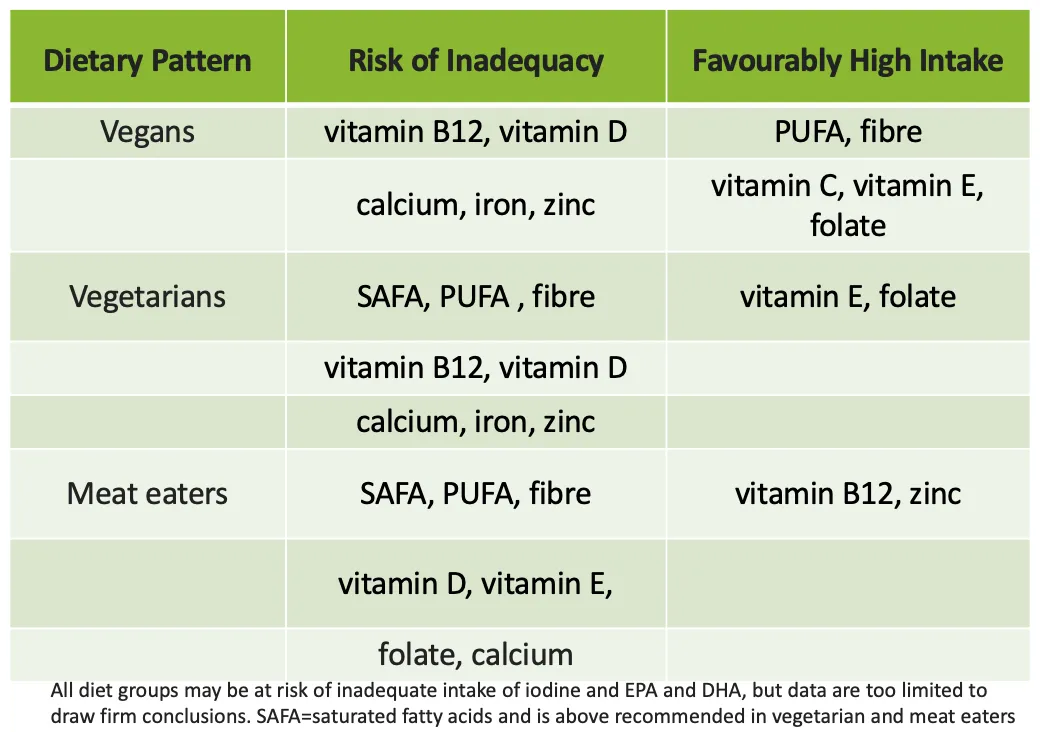
Credit: plantbasedhealthprofessionals.com
Frequently Asked Questions
Can A Vegan Diet Provide Enough Protein?
Yes, a vegan diet can provide enough protein. Sources include legumes, tofu, tempeh, nuts, and seeds. Whole grains like quinoa and oats also contribute protein. It’s important to consume a variety of these foods to meet protein needs.
Are There Enough Vitamins In A Vegetarian Diet?
A vegetarian diet can provide most vitamins. However, vitamin B12 is mainly found in animal products. Vegetarians should consider fortified foods or supplements. Including a variety of fruits, vegetables, and whole grains ensures a good intake of other essential vitamins.
How Do Vegetarians Get Enough Iron?
Vegetarians can get iron from plant-based sources. Beans, lentils, tofu, and spinach are good options. Combining these with vitamin C-rich foods like oranges helps improve iron absorption. It’s important to include these regularly in the diet.
Do Vegans Need To Take Calcium Supplements?
Vegans can meet calcium needs without supplements. Fortified plant milks, tofu, almonds, and leafy greens are excellent sources. Ensuring a varied diet with these foods can help maintain bone health and calcium levels.
Conclusion
Vegetarian and vegan diets can meet nutritional needs with planning. Focus on variety. Include fruits, vegetables, grains, and proteins. Essential nutrients like iron and calcium need attention. Plant sources can provide them. B12 supplements might be necessary. Listen to your body.
Monitor energy and health. Seek advice if unsure. Nutrient-rich choices support well-being. Balanced meals make the difference. Everyone’s needs differ. Experiment with options. Find what works for you. A plant-based diet offers benefits. It promotes health and sustainability. Choose wisely for a healthy lifestyle.
Enjoy the journey to better nutrition.