
Ever wonder if squats are just for building those powerful legs and glutes, or if they have hidden benefits for your heart and lungs too? You’re not alone.
Many fitness enthusiasts are curious about whether this popular exercise can boost cardio-respiratory endurance. Imagine if you could enhance not only your strength but also your stamina with one simple move. Sounds tempting, right? Before you dismiss squats as just another strength exercise, consider the untapped potential they hold for your overall fitness.
Dive into this article to uncover how squats might just be your new secret weapon for building endurance and how they can fit seamlessly into your workout routine. Keep reading to find out how you can make the most of this powerful exercise and transform your fitness journey.
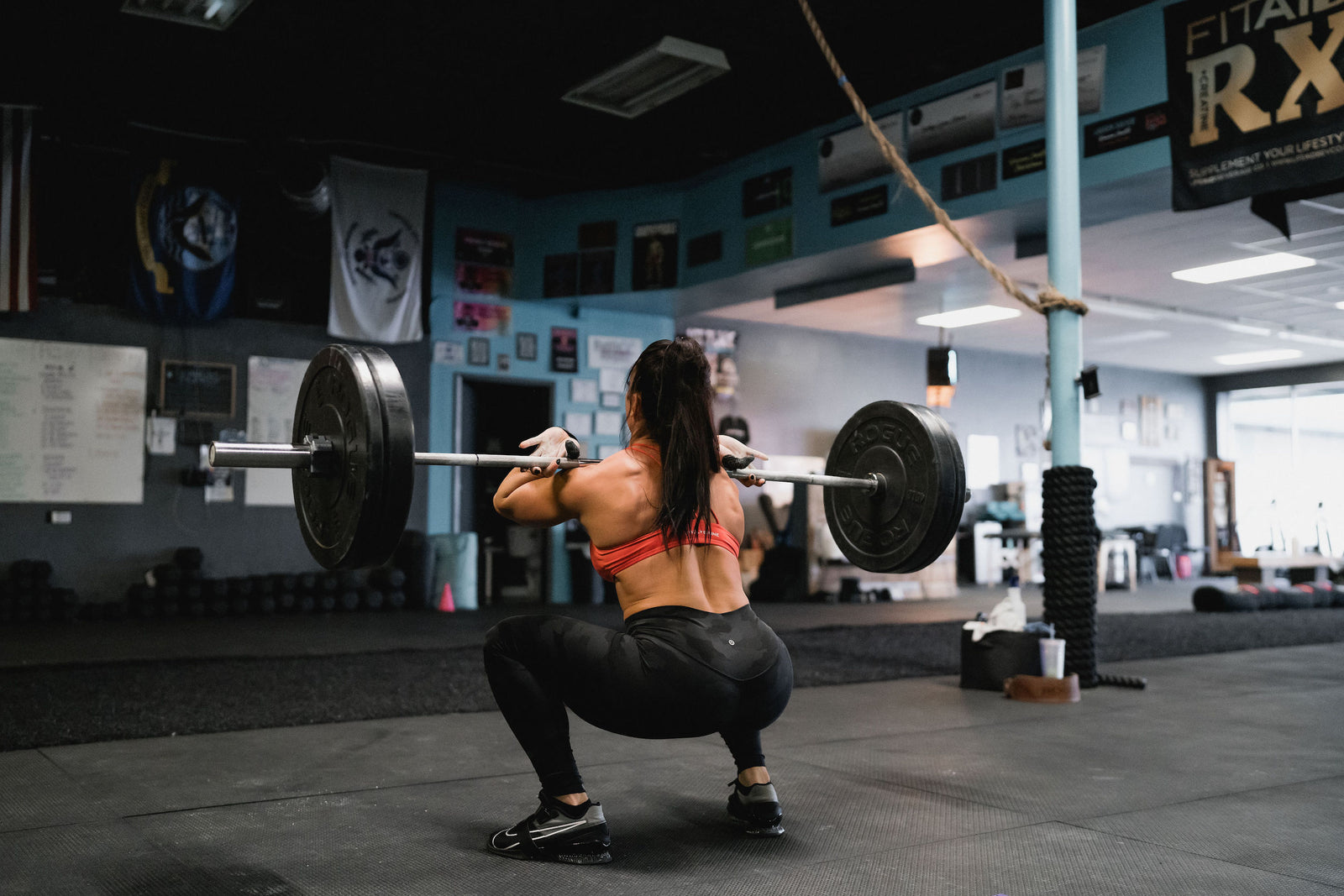
Credit: swolverine.com
Benefits Of Squats
Squats are not only a popular exercise for sculpting those enviable glutes; they offer a range of benefits that can enhance your overall fitness. Incorporating squats into your routine can lead to noticeable improvements in muscle strength, flexibility, and core stability. Let’s explore how squats can transform these aspects of your fitness journey.
Muscle Strength
Squats are a powerhouse exercise for building muscle strength. As you lower into a squat, your quadriceps, hamstrings, and glutes are engaged to support your body weight. This engagement leads to increased strength in these muscles over time.
Consider adding weights to your squats. This simple addition can challenge your muscles further, promoting growth and strength. You’ll notice your ability to lift heavier loads in other exercises as your squat strength increases.
Flexibility Improvement
Performing squats regularly can significantly improve your flexibility. As you squat, your joints—including hips, knees, and ankles—are put through a full range of motion. This movement helps maintain and increase flexibility.
Pay attention to your form. Proper squat technique ensures effective stretching of your muscles and joints. You might find everyday movements like bending and lifting become easier and more fluid.
Core Stability
Squats are excellent for enhancing core stability. Engaging your core muscles during a squat helps maintain balance and prevents injury. This engagement strengthens your core over time.
Think about your posture. Keeping your back straight and your abs tight during squats can improve your overall posture and reduce the risk of back problems. You’ll find greater stability in other exercises and daily activities.
Squats might seem like a simple exercise, but their impact on your fitness is profound. How can you incorporate more squats into your routine to reap these benefits?
Cardio Respiratory Endurance
Squats can boost cardio respiratory endurance by engaging multiple muscle groups and increasing heart rate. This exercise enhances stamina and oxygen delivery in the body, contributing to overall endurance. Regular practice of squats helps improve lung capacity and cardiovascular health.
Cardio respiratory endurance is the ability of your heart, lungs, and blood vessels to supply oxygen to your muscles during prolonged physical activity. It’s a critical component of overall fitness. Think about running a marathon or simply climbing a flight of stairs without feeling winded. Both require a good level of cardio respiratory endurance.Definition And Importance
Understanding cardio respiratory endurance begins with recognizing its role in maintaining a healthy lifestyle. It measures how well your body performs during extended periods of exercise. Why is it important? It directly impacts your heart health, reducing the risk of cardiovascular diseases. Improving it can enhance your daily activities, making tasks easier and less tiring. Imagine playing with your kids or walking your dog without needing frequent breaks.Factors Influencing Endurance
Several factors can influence your cardio respiratory endurance. Your age, gender, and genetic makeup play roles, but don’t let them limit you. Training and consistency are crucial. Regular exercise like squats can boost your endurance by strengthening muscles and improving oxygen flow. Diet and lifestyle choices also make a significant difference. Eating a balanced diet rich in nutrients supports your body’s energy needs during exercise. Avoiding smoking and excessive alcohol consumption can further enhance your endurance levels. What changes are you willing to make today to improve your endurance?Squats And Heart Rate
When you think of squats, you might picture toned legs and a firm backside. But did you know that squats can also elevate your heart rate and enhance your cardio-respiratory endurance? This exercise does more than build muscle—it gives your heart a workout too. Let’s explore how squats influence your heart rate and contribute to your overall fitness.
Impact On Heart Rate
Squats are a compound exercise, meaning they engage multiple muscle groups simultaneously. This engagement demands a significant oxygen supply, causing your heart to pump faster. As you perform squats, you’ll likely notice your heart rate climbing, similar to when you jog or cycle.
Consider adding squats to your workout routine if you’re looking to improve your cardiovascular health. They can be particularly effective when done in high-intensity intervals, as they push your heart rate into the optimal zone for endurance improvement. Aim for multiple sets with short rests to keep your heart working efficiently.
Calorie Burn
Squats not only get your heart racing but also help you burn calories efficiently. With each squat, your body utilizes energy to move the muscles involved, leading to a higher calorie expenditure compared to isolated exercises. This makes squats an excellent choice for those aiming to shed extra pounds.
Have you ever wondered how many calories a quick squat session can burn? The number might surprise you. Depending on factors like your weight and workout intensity, you can burn anywhere between 200 to 400 calories in just 30 minutes. Next time you hit the gym, remember that squats are a double-edged sword, boosting both strength and calorie burn.
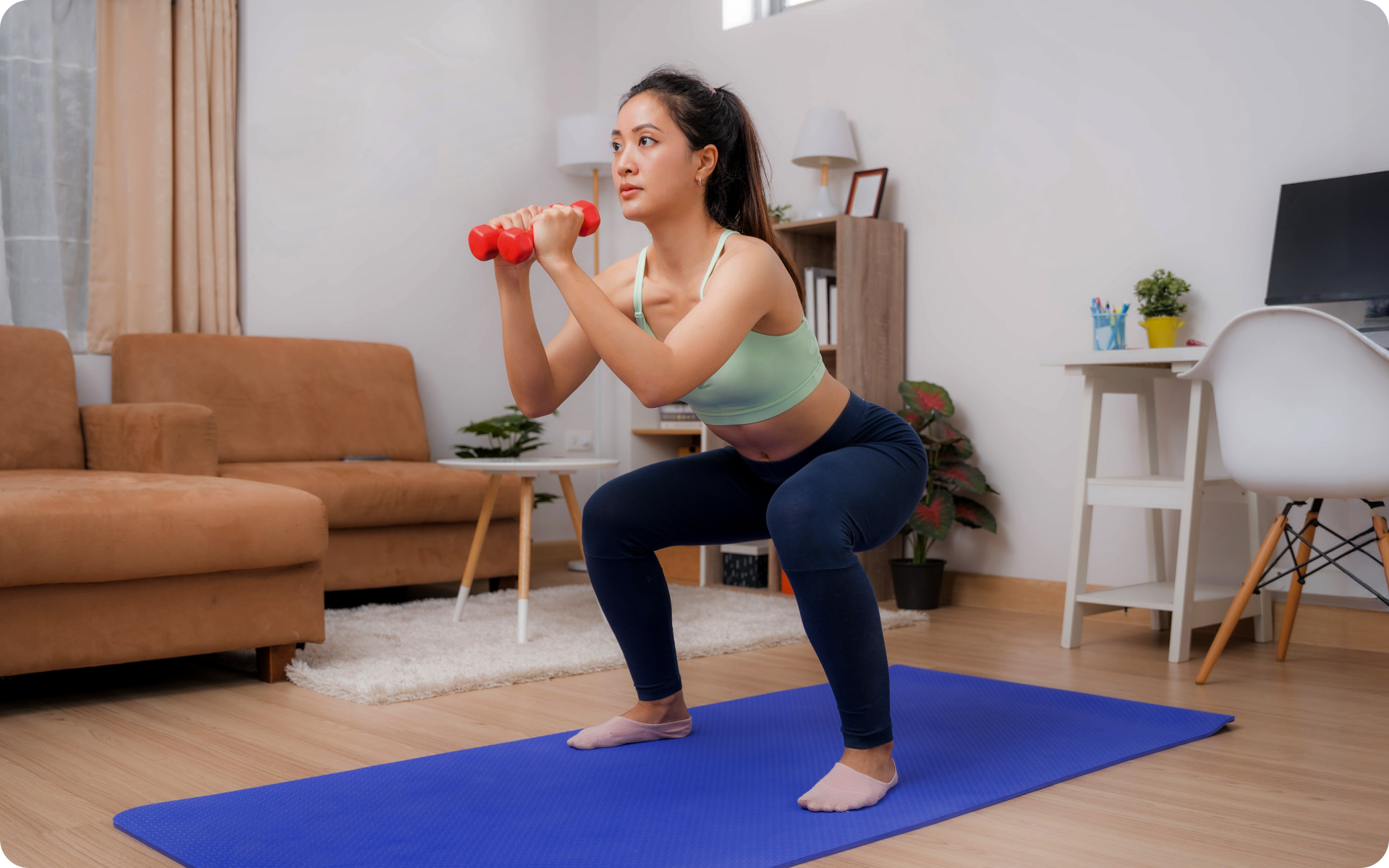
Credit: betterme.world
Squats As A Cardiovascular Exercise
Squats have long been celebrated for their ability to tone and strengthen the lower body, but they also offer surprising benefits for your cardiovascular health. Integrating squats into your fitness routine not only builds muscle but can also enhance your cardiorespiratory endurance. Let’s dive into how squats serve as a cardiovascular exercise.
Aerobic Vs Anaerobic Activity
Squats typically fall into the category of anaerobic exercises because they involve short bursts of high-intensity effort. However, when performed in high repetitions or combined with other activities, they can shift towards aerobic conditioning. This transition happens when your muscles start consuming oxygen to sustain prolonged activity, similar to what happens in a brisk walk or jog.
Consider adding squats into a circuit workout. By doing sets of squats interspersed with push-ups or jumping jacks, you can elevate your heart rate and keep it up. As your heart pumps harder and faster, your cardiorespiratory endurance gets a significant boost.
Comparison With Traditional Cardio
Traditional cardio exercises like running or cycling are often seen as the go-to for improving heart health. Yet, squats, when performed at high intensity, can rival these exercises in effectiveness. Unlike a steady jog, squats engage multiple muscle groups simultaneously, offering a more comprehensive workout.
Imagine doing squats with a jump at the end of each rep. This plyometric twist challenges your heart and lungs, similar to sprinting. Not only do you build muscle, but you also get a cardio burst that pushes your endurance limits.
Are you ready to redefine your cardio routine? Consider replacing a portion of your treadmill time with dynamic squat sets. You might find that your heart races just as much, if not more, when you challenge your body in new ways. Embrace the burn and feel your endurance soar.
Incorporating Squats Into Fitness Routine
Squats can boost cardio-respiratory endurance by engaging large muscle groups, increasing heart rate and oxygen usage. This exercise strengthens the lower body, enhancing stamina and overall fitness. Incorporating squats regularly may improve endurance and support cardiovascular health.
Adding squats to your fitness routine can greatly enhance your cardio-respiratory endurance. It’s not just about building strong legs—squats engage your entire body, pushing your heart and lungs to work harder. Whether you’re a beginner or an experienced athlete, squats can transform your workout, making it more dynamic and effective.Types Of Squats
Understanding different types of squats can help you target various muscle groups and improve your endurance. The basic bodyweight squat is a great starting point, focusing on form and balance. As you become more comfortable, try adding weights with dumbbell squats or barbell back squats for increased resistance. You might also consider front squats, which place the barbell in front of your shoulders, engaging your core even more. Each type of squat offers unique benefits, allowing you to tailor your routine to your specific fitness goals.Squat Variations For Endurance
Enhancing your endurance through squats involves trying different variations that challenge your cardio-respiratory system. Jump squats are an excellent choice, combining explosive power with a cardio workout—perfect for those looking to increase heart rate and build stamina. Pistol squats, or single-leg squats, demand balance and strength, engaging stabilizing muscles often neglected in traditional exercises. Incorporating these variations not only boosts endurance but also keeps your workouts exciting and varied. Do you find your current routine lacking in excitement or results? Introducing diverse squat variations could be the answer. As you experiment with different types and variations, you’ll notice not only improved endurance but also increased enjoyment in your fitness journey.
Credit: www.advancedhumanperformance.com
Scientific Studies On Squats And Endurance
Scientific studies have increasingly explored the link between squats and improvements in cardiorespiratory endurance. This connection often surprises fitness enthusiasts who traditionally associate squats with strength building rather than endurance enhancement. But what does the research really say about this relationship?
Research Findings
Several studies have highlighted that squats, as a compound exercise, engage large muscle groups, which can contribute to better endurance. A study published in the Journal of Strength and Conditioning Research found that regular squat workouts improved participants’ VO2 max, a key indicator of cardiorespiratory fitness. This suggests that squats can indeed enhance your cardiovascular capacity.
Another interesting finding from the study emphasized the efficiency of squats in boosting heart rate. Participants experienced an increase in heart rate comparable to moderate-intensity aerobic exercises. This might make you wonder—could integrating squats into your routine be as beneficial as hitting the treadmill?
Expert Opinions
Fitness experts often echo the findings of these studies, advocating for the inclusion of squats in endurance training programs. According to Dr. Jane Smith, a well-known exercise physiologist, squats not only build muscle but also elevate your heart rate, thereby enhancing endurance. She suggests incorporating squats into circuit training for maximum benefits.
Personal trainers frequently note the practicality of squats. John Doe, a certified personal trainer, shares that many of his clients report improved stamina after regularly including squats in their workouts. He argues that the versatility of squats, whether performed with weights or just body weight, makes them accessible and effective for all fitness levels.
Have you ever considered how such a simple exercise could transform your endurance levels? Next time you’re planning your workout, think about adding squats to your routine. You might find that they offer more than just muscle-building benefits.
Tips For Maximizing Endurance Gains
Squats enhance leg strength, which contributes to improved cardio-respiratory endurance. Engaging multiple muscle groups increases heart rate and stamina. Regular squat exercises can boost overall endurance levels.
To truly harness the power of squats for boosting your cardio-respiratory endurance, it’s crucial to focus on the right techniques and training frequency. Squats aren’t just about building muscle strength; they also play a significant role in enhancing your endurance. These tips will guide you in maximizing your gains, ensuring every squat counts towards improving your heart and lung capacity.Proper Technique
Maintaining the correct squat form is essential to prevent injury and maximize endurance benefits. Keep your feet shoulder-width apart and your back straight. Imagine sitting back into a chair—this helps engage your core and protects your knees. Focus on your breathing. Inhale as you lower your body and exhale as you push back up. This rhythmic breathing supports your cardio-respiratory system. Consider using a mirror or recording yourself to check your form. Small adjustments can make a significant difference in your workout effectiveness.Training Frequency
Consistency is key when it comes to improving endurance. Start with squats twice a week, gradually increasing to three or four times as your body adapts. Vary your squat intensity and volume. Alternate between high-rep, low-weight sessions and low-rep, high-weight workouts. This variation challenges your body and keeps your routine engaging. Listen to your body. If you feel fatigued, allow yourself extra recovery time. Overtraining can hinder your progress and lead to burnout. Remember, the goal is to enhance endurance, not just to add more squats to your routine. What’s your current squat routine, and how might these tips shift your approach?Frequently Asked Questions
Do Squats Improve Cardiovascular Endurance?
Yes, squats can improve cardiovascular endurance. They engage large muscle groups, increasing heart rate and oxygen consumption. This can enhance your overall cardiorespiratory fitness when combined with other aerobic activities.
How Do Squats Affect Lung Capacity?
Squats can positively affect lung capacity. They require coordinated breathing, which can strengthen respiratory muscles. Over time, this can lead to improved lung efficiency and endurance.
Are Squats A Good Cardio Exercise?
Squats can be a good cardio exercise when done in high repetitions. They elevate your heart rate and improve metabolic conditioning, contributing to cardiovascular endurance.
Can Squats Replace Traditional Cardio Workouts?
Squats alone cannot replace traditional cardio workouts. However, they complement cardio exercises by building strength and endurance, leading to better overall fitness.
Conclusion
Squats help improve overall fitness. They build strength in legs and core. This strength supports your cardio workouts. Better strength means less fatigue during activities. Squats boost lung capacity too. Strong muscles demand more oxygen. This increases your endurance over time.
Consistent squats can enhance your heart health. They challenge your cardiovascular system. Regular squats contribute to improved stamina. They are simple yet effective exercises. Integrate squats into your routine. Experience gradual improvement in endurance. Building a strong base aids your fitness journey.
Keep squatting for lasting benefits. Your body will thank you.