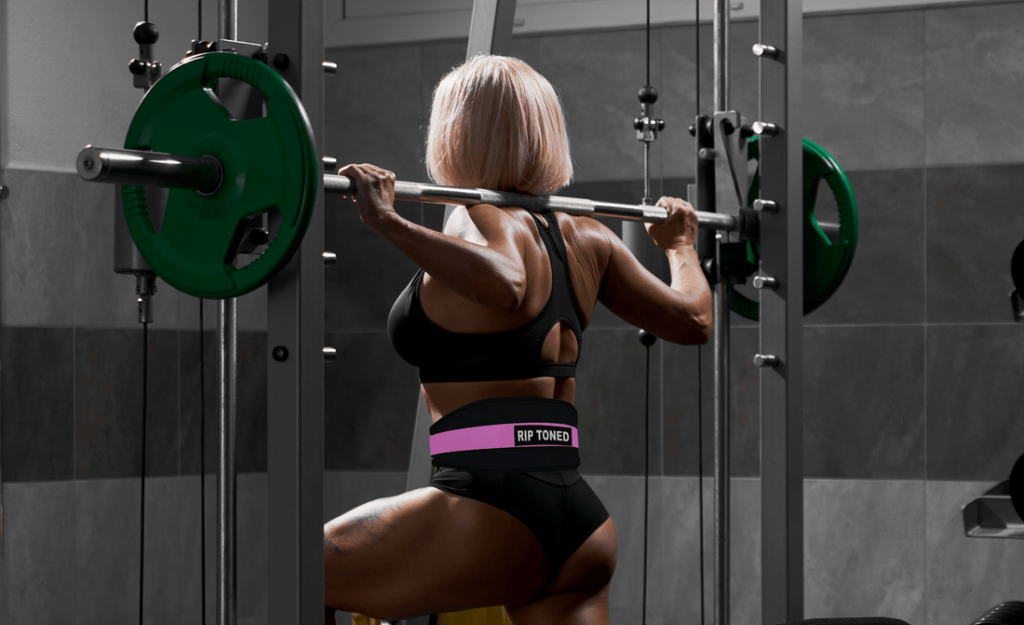
Have you ever felt a twinge of doubt just before you lift a heavy weight? Maybe you’ve wondered if you’re about to push your body too far.
If you’ve ever caught yourself thinking, “Is this safe? ” You’re not alone. Many weightlifters and fitness enthusiasts share the same concern. Enter the lifting belt—a seemingly simple piece of gear that promises to keep you safe from injury. But does it really work?
Are you putting too much faith in that thick band around your waist? We’ll uncover the truth about lifting belts and their role in injury prevention. You deserve to lift with confidence, knowing you’re doing what’s best for your body. So, before you strap on that belt, let’s dive into the facts. What you discover might just change the way you approach your next workout.
Purpose Of Lifting Belts
Lifting belts are essential tools for weightlifters and powerlifters. These belts serve a specific purpose during heavy lifting. They provide support and stability to the lifter’s body. The main goal is to reduce the risk of injury. Understanding their purpose can help athletes use them effectively.
Support For The Lower Back
The lower back is vulnerable during heavy lifting. Lifting belts offer much-needed support to this area. They help maintain proper posture during lifts. This support reduces strain on the spine. It can prevent potential injuries from incorrect movements. Belts act like a brace, holding the back in a safe position.
Core Stabilization Benefits
Core stabilization is crucial in weightlifting. Lifting belts enhance core engagement. They help create intra-abdominal pressure. This pressure stabilizes the spine and core muscles. A stable core leads to safer lifts. It improves balance and control during heavy exercises. Belts make it easier to maintain a strong core.
How Lifting Belts Work
Lifting belts help stabilize the lower back and core during heavy lifts. They increase abdominal pressure, reducing spinal stress. This can lower the risk of injury by providing extra support.
Understanding how lifting belts work can shed light on their role in preventing injury during weightlifting. They might seem like a simple piece of equipment, but lifting belts have a specific function that can benefit your workout. Their primary goal is to enhance your core stability, allowing you to lift heavier weights more safely.Mechanics Of Pressure Distribution
Lifting belts distribute pressure evenly across your lower back and abdomen. This support helps keep your spine stable. By providing this external support, the belt allows your core muscles to work more effectively. Imagine you’re lifting a heavy box. You naturally brace your core to protect your back. A lifting belt supports this natural reaction. By doing so, it reduces the risk of injury.Impact On Intra-abdominal Pressure
One of the key functions of a lifting belt is its impact on intra-abdominal pressure. When you wear a belt, it acts like a second set of muscles. This increases the pressure within your abdomen. This increased pressure creates a more rigid core. It helps you maintain better posture during heavy lifts. Have you ever tried lifting a heavy weight and felt your back arch? A belt helps prevent this by keeping your core tight. By understanding the mechanics and impact of lifting belts, you can decide if they’re right for you. Consider your lifting goals and the type of support you need. Whether you’re a beginner or a seasoned lifter, knowing how to use a belt properly can enhance your performance and safety.Common Misconceptions
When it comes to using lifting belts, there are many common misconceptions that can lead to misuse and potential injury. People often believe that simply strapping on a belt can magically protect them from harm. However, it’s crucial to understand what a lifting belt can and cannot do for you. Let’s dive into some of these misunderstandings and set the record straight.
Belts As A Substitute For Technique
One of the biggest myths is that a lifting belt can replace proper lifting technique. It’s easy to think that wearing a belt means you’re automatically lifting safely. However, a belt is not a magic fix for poor form. It should enhance, not replace, correct technique.
Consider a belt as a tool to support your form, not something to rely on. Imagine driving a car with the seatbelt on but ignoring traffic rules—would you feel safe? The same applies to lifting belts; they complement, but don’t compensate for, poor lifting habits.
Myths Around Muscle Dependency
Another misconception is that using a lifting belt will make your core muscles lazy. People fear that their core strength will diminish with regular belt use. However, the reality is more nuanced.
Wearing a belt doesn’t mean your core stops working. In fact, a belt can help you engage your core muscles more effectively during heavy lifts. Think of it as an assistant that helps you focus your efforts where they matter most.
Have you ever found yourself lifting more confidently with a belt on? That’s your core working in tandem with the belt, not giving up its role. The key is to use the belt strategically, not as a constant crutch.
Understanding these misconceptions can help you make better decisions about when and how to use a lifting belt. Remember, the belt is just one part of your lifting toolkit. Are you using it wisely?

Credit: www.facebook.com
Benefits Of Lifting Belts
Lifting belts offer crucial support to the lower back during heavy lifting. They stabilize the spine, reducing the risk of injury. By increasing intra-abdominal pressure, these belts help maintain proper form and enhance core strength.
Lifting belts are a popular accessory among weightlifters and fitness enthusiasts. They offer several benefits, enhancing your workout experience and potentially safeguarding your health. Understanding these benefits can help you decide whether incorporating a lifting belt into your routine is right for you.Enhanced Performance
Lifting belts can help you lift heavier weights by providing extra support to your core. This support can lead to increased confidence, allowing you to push your boundaries safely. Many athletes notice an immediate improvement in their lifting capabilities when using a belt. Wearing a belt can also improve your lifting technique. It encourages proper posture and helps keep your spine aligned. This alignment can make your workouts more effective and reduce the strain on your lower back.Injury Prevention Potential
One of the primary reasons people use lifting belts is their potential to prevent injuries. A well-fitted belt can help stabilize your spine, reducing the risk of injuries during heavy lifts. This stability is crucial, especially when you’re lifting weights close to your maximum capacity. Think about the times you’ve strained your back after an intense workout. A lifting belt can act as a safeguard, helping to minimize such occurrences. It’s like having an extra layer of protection during those challenging lifts. Are you considering trying a lifting belt in your next workout? It might just be the tool you need to enhance your performance while keeping your body safe.Limitations Of Lifting Belts
While lifting belts are popular among weightlifters for providing extra support during heavy lifts, they come with certain limitations that you should be aware of. It’s essential to understand that relying too heavily on a lifting belt can sometimes lead to unintended consequences. Let’s dive into some of the risks and impacts associated with lifting belts.
Risks Of Overuse
Wearing a lifting belt excessively can create a false sense of security. You might find yourself pushing your limits more than necessary. This overconfidence can increase the risk of injury, especially if you neglect proper form. A belt is not a substitute for technique, and overdependence can lead to muscle imbalances.
Think about the times you felt invincible with the belt on. Did you ever skip a warm-up or ignore a nagging injury because you thought the belt had your back? It’s crucial to listen to your body and not let the belt dictate your lifting routine.
Impact On Natural Strength Development
Lifting belts can sometimes hinder the natural development of core strength. When you rely on a belt, your abdominal and lower back muscles might not engage as effectively. This can slow down your progress in building a solid core foundation.
Consider alternating your lifts between belted and beltless sessions. This can help ensure that your core muscles are actively involved, promoting balanced strength development. Are you giving your muscles a chance to develop naturally, or are you relying too much on external support?

Credit: gunsmithfitness.com
Correct Usage Guidelines
Lifting belts offer support during heavy lifts and can reduce injury risk. Proper usage involves wearing the belt snugly around the lower back, ensuring it does not restrict movement. Regularly practicing proper form and technique is essential to maximize the benefits of using a lifting belt safely.
Using a lifting belt can be a game-changer for many weightlifters, providing support and stability during heavy lifts. However, the effectiveness of a lifting belt largely depends on how correctly you use it. Using the belt improperly can not only reduce its benefits but also lead to potential injuries. Understanding the correct usage guidelines is crucial for maximizing safety and performance.Choosing The Right Belt
Selecting the appropriate lifting belt is the first step towards ensuring its effectiveness. Look for belts made from sturdy materials like leather or nylon for durability. The width of the belt should be consistent around its length, typically around 4 inches, providing uniform support. Consider your lifting goals and body type when choosing a belt. Powerlifters might prefer a thicker belt for maximum support, while Olympic lifters might opt for a slightly thinner one for more mobility. Try different belts to find one that feels comfortable and secure.Proper Placement And Tightness
Wearing the belt at the right position on your body is key. Place the belt around your waist, just above the hip bones. It should sit comfortably without pinching or causing discomfort. The tightness of the belt is equally important. Fasten the belt snugly, but ensure you can still take a deep breath and brace your core effectively. A belt that’s too tight can restrict movement and breathing, while one that’s too loose won’t provide adequate support. Experiment with the placement and tightness during lighter lifts to find what works best for you. Remember, a lifting belt is not a substitute for proper form and technique. Do you feel more stable and confident with the belt properly secured? That’s a sign you’re using it correctly. Correct usage of a lifting belt can enhance your lifting experience, offering support where needed. But it’s not just about strapping it on; it’s about making informed choices that align with your fitness goals.Alternatives To Lifting Belts
Exploring alternatives to lifting belts opens new avenues for injury prevention. Core strengthening exercises and proper form can enhance safety during weightlifting. Incorporating these methods into your routine may reduce reliance on belts while promoting overall muscle health.
Alternatives to lifting belts provide valuable options for injury prevention. While lifting belts offer support, they are not the only solution. Exploring other methods can enhance safety and performance in weightlifting.Strengthening The Core
A strong core supports the spine during lifts. Core exercises like planks and bridges build endurance. These exercises stabilize the body, reducing injury risk. Include core workouts in your routine regularly. This builds a natural support system for lifting heavy weights.Improving Lifting Technique
Proper technique minimizes stress on the body. Focus on form during every lift. Keep your back straight and knees slightly bent. Engage your core to maintain balance. Practicing with lighter weights can help perfect your technique. Consider hiring a coach for personalized guidance. A few sessions can significantly improve your lifting form.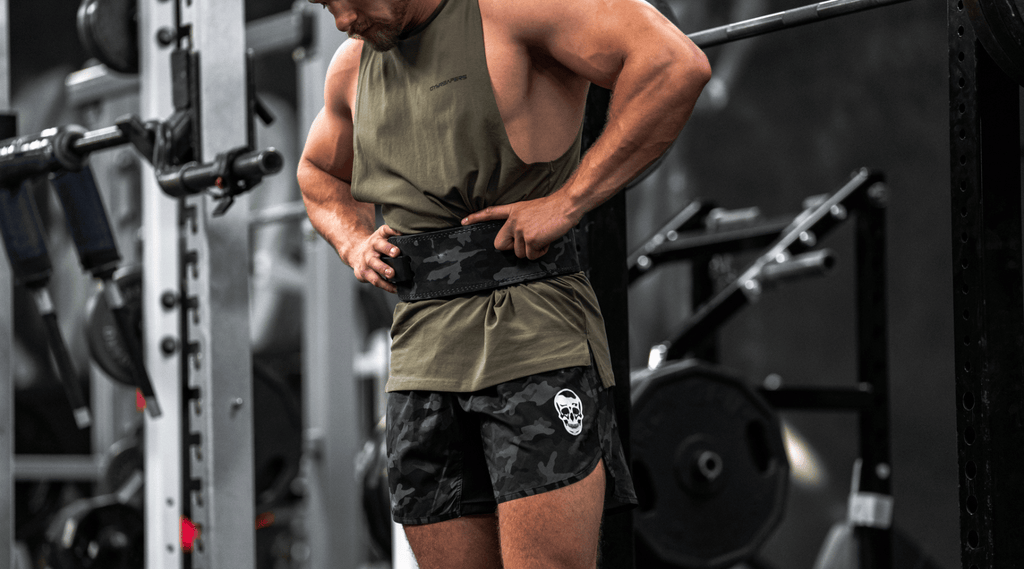
Credit: www.gymreapers.com
Expert Opinions
Do lifting belts really prevent injury? Many experts have shared their views. Lifting belts are common in gyms. They offer support during heavy lifts. But do they truly safeguard your back?
Insights From Fitness Professionals
Fitness professionals have mixed opinions about lifting belts. Some believe they provide essential support. They argue belts stabilize your spine. This reduces the risk of injury.
Others think belts can be misleading. They say reliance on belts may weaken your core. Strengthening core muscles is crucial for injury prevention. Balance is key, according to experts.
Studies On Belt Effectiveness
Scientific studies offer more insights. Research shows belts increase intra-abdominal pressure. This helps protect the spine during heavy lifting. But some studies suggest limited benefits for injury prevention.
Data shows belts may aid performance. Yet, their role in injury prevention remains debated. Experts advise using belts wisely. Combine them with proper technique and training.
Frequently Asked Questions
Do Lifting Belts Improve Performance?
Lifting belts can enhance performance by stabilizing the core during heavy lifts. They help increase intra-abdominal pressure, which supports the spine. This may allow lifters to handle heavier loads more safely, potentially improving overall strength and lifting capacity.
Are Lifting Belts Necessary For Beginners?
Beginners may not need lifting belts unless lifting heavy weights. Initially, focus on developing proper form and technique. As experience grows, using a belt might be beneficial for heavier lifts to provide additional support and safety.
Can Lifting Belts Cause Dependency?
Yes, frequent use of lifting belts might lead to dependency. Relying too much on belts can hinder natural core development. It’s essential to balance belt use with exercises that strengthen core muscles to avoid long-term reliance.
Do Lifting Belts Prevent All Injuries?
Lifting belts do not prevent all injuries. They primarily offer support to the lower back during heavy lifts. While they reduce the risk of specific injuries, proper technique and training are crucial for overall injury prevention.
Conclusion
Lifting belts can help support the lower back during heavy lifts. They provide stability. But they don’t guarantee injury prevention. Proper technique is crucial too. Relying solely on belts may lead to bad habits. Listen to your body. Know your limits.
Balance is key in strength training. Use belts as a tool, not a crutch. Combine them with good form and strength exercises. Always prioritize safety and smart training practices. This way, you can enjoy lifting and minimize injury risk.