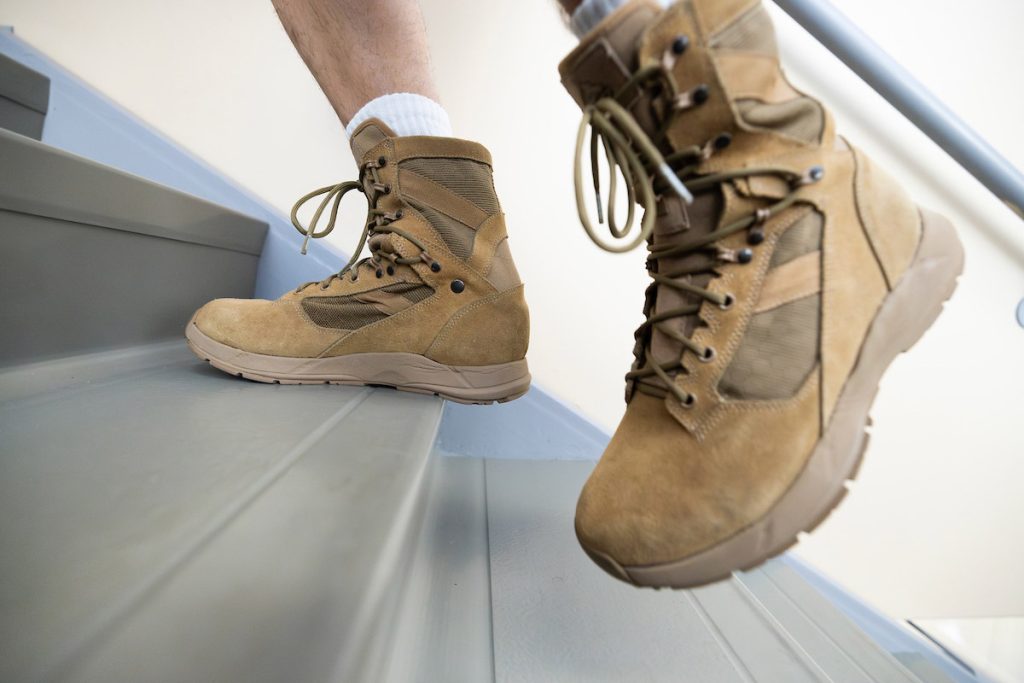
When you’re choosing footwear, especially for activities like hiking or sports, you might wonder if high-top boots are really necessary. Do they actually provide the support you need to prevent ankle injuries?
You’ve probably heard mixed opinions, and it’s easy to feel unsure. Your goal is to enjoy your favorite activities without worrying about getting hurt. After all, the right gear can make all the difference. We’ll dive into the facts and myths surrounding high-top boots and ankle safety.
By the end, you’ll be equipped with the knowledge to make the best choice for your feet and your health. Curious to find out if high-tops are your new best friend or just a fashion statement? Keep reading to discover the truth.

Credit: www.reddit.com
Ankle Injuries In Sports
Ankle injuries are a common concern in sports, often sidelining athletes and impacting their game. Whether you’re a weekend warrior or a professional player, understanding how to protect your ankles can be crucial to your performance. High-top boots have long been considered a preventive measure against such injuries, but how effective are they really?
Common Causes
Twisting and turning rapidly can easily lead to ankle sprains, particularly in sports like basketball, soccer, and tennis. Uneven playing surfaces and sudden changes in direction are common culprits. Even improper footwear can set you up for an unexpected injury. Have you ever found yourself in a game, feeling invincible, only to land awkwardly and experience that sharp pain? You’re not alone.
Impact On Performance
An ankle injury doesn’t just hurt physically—it can also dent your confidence. When you’re worried about reinjuring yourself, your movements can become hesitant and slow. This can affect your agility, speed, and overall game strategy. A friend once told me how after an ankle sprain, he started second-guessing every jump shot. Can high-top boots ease this mental burden by offering better support and stability? Imagine playing without that constant fear in the back of your mind.
Ultimately, the choice of footwear can play a significant role in preventing ankle injuries. But is it time to rethink the effectiveness of high-top boots, or are they your best bet? Consider your sport’s demands and talk to your coach or a healthcare professional. What are your thoughts and experiences with ankle injuries in sports?
High-top Boots Design
High-top boots have gained popularity for their potential to prevent ankle injuries. Their design plays a crucial role in providing support and stability. These boots are crafted with specific features aimed at protecting the ankle during various activities.
Structure And Materials
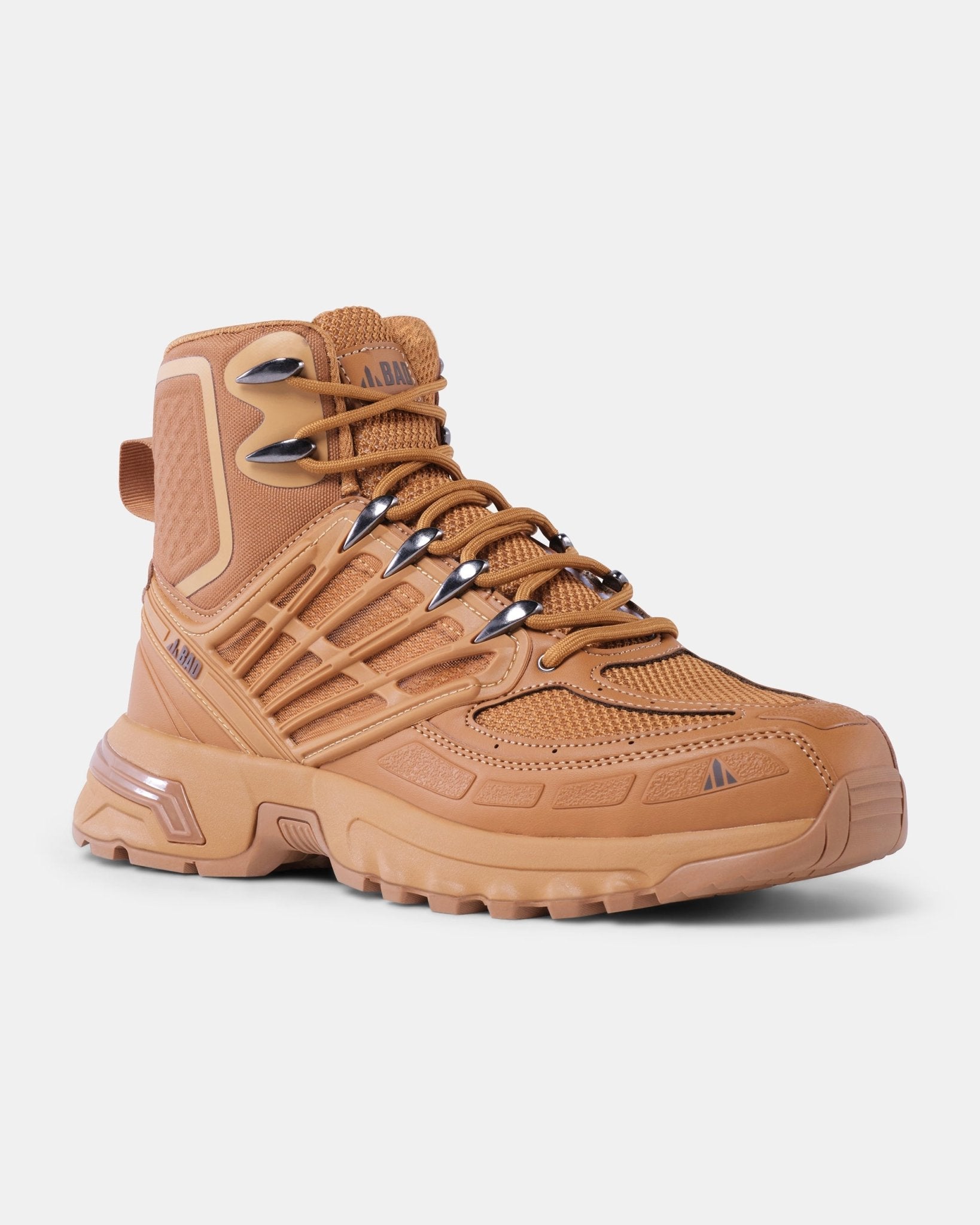
High-top boots feature a taller shaft, covering the ankle area. This extended coverage offers added protection and support. Typically, they are constructed using durable materials like leather or synthetic fabrics. These materials provide robustness and withstand different environmental conditions. The boots often include padded collars, enhancing comfort around the ankle. This padding reduces friction and pressure, offering a snug fit.
Support Features
Designed with reinforced ankle support, high-top boots help limit ankle movement. This restriction reduces the risk of twisting or spraining. They frequently incorporate lacing systems that allow for adjustable tightness. This feature enables a customized fit, ensuring the boot stays securely in place. Some boots also include additional straps for extra support. These straps further stabilize the ankle, preventing unwanted movements. The sole of high-top boots is usually thicker, providing cushioning and shock absorption. This design aspect aids in reducing impact stress on the ankle.
Mechanics Of Ankle Support
The mechanics of ankle support are crucial in preventing injuries. High-top boots are often favored for their potential to offer added protection. But how exactly do they provide stability? Understanding the science behind ankle support helps determine their effectiveness.
How Ankle Stability Works
Ankle stability relies on ligaments and tendons. Ligaments connect bones, providing structural support. Tendons attach muscles to bones, aiding movement. Together, they keep the ankle steady during activities.
Strong muscles around the ankle are essential. They absorb impact and prevent twisting. When muscles are weak, the risk of injury increases. High-top boots aim to compensate for this by offering additional support.
Role Of Footwear
Footwear plays a vital role in ankle protection. High-top boots have a design that covers the ankle. This coverage offers extra stability, reducing the risk of sprains.
The materials used in boots are crucial. They need to be firm yet flexible. Boots should restrict unwanted movements while allowing natural motion. A snug fit is important for effective support.
Boots with reinforced soles provide better traction. Traction prevents slipping, which is a common cause of ankle injuries. Good footwear minimizes the risk of falls and twists.
Credit: badworkwear.co.nz
Research On High-top Boots
High-top boots have long been a popular choice for those looking to protect their ankles. But do these boots actually prevent ankle injuries? Exploring current research can provide some clarity on this topic, shedding light on whether investing in high-top boots is a smart move for your health and safety.
Key Studies And Findings
Several studies have been conducted to determine the effectiveness of high-top boots in preventing ankle injuries. A study published in the Journal of Sports Medicinefound that high-top boots can offer more ankle support compared to low-top footwear. However, their effectiveness greatly depends on the activity type.
Another research conducted by the American Orthopaedic Foot & Ankle Societyhighlighted that while high-top boots do offer some degree of support, they are not foolproof. The study suggested that other factors such as proper footwear fit and individual biomechanics play a crucial role in injury prevention.
Expert Opinions
Experts in sports medicine and podiatry often emphasize the importance of proper footwear in preventing injuries. Dr. Emily Johnson, a renowned podiatrist, suggests that while high-top boots can reduce the risk of ankle sprains, they should not be solely relied upon. She advocates for a combination of strength training and balance exercises to further protect your ankles.
On the other hand, fitness coach Mark Evans points out that high-top boots may give a false sense of security, leading individuals to take more risks. His advice? Use high-top boots as part of a broader injury prevention strategy, not as a standalone solution.
So, what do you think? Are high-top boots a valuable addition to your wardrobe, or is it better to focus on strengthening your ankles through other means? The answer might just depend on your personal needs and lifestyle.
Comparing High-top And Low-top Boots
High-top boots offer more ankle support compared to low-top boots. This design helps stabilize the ankle, potentially reducing injury risk. Many athletes prefer high-tops for their added protection during rigorous activities.
Comparing High-Top and Low-Top Boots When it comes to choosing the right footwear for activities that involve a lot of foot movement, the debate between high-top and low-top boots is a hot topic. Each style offers its unique set of advantages and potential drawbacks. Understanding the differences can help you make an informed decision about which type is best suited for your needs.Performance Differences
High-top boots often provide more ankle support, which can be beneficial for activities that require lateral movement. This extra support can make a difference in maintaining stability. Low-top boots, on the other hand, offer greater flexibility and range of motion, which can enhance performance in activities that require quick, agile movements. Some athletes feel restricted in high-tops and prefer the freedom of low-tops for faster footwork. It’s crucial to consider what type of performance is more important for your activity or sport.Injury Rates
The primary reason many people opt for high-top boots is the perceived reduction in ankle injuries. The additional material around the ankle is designed to prevent rolls and sprains. However, studies have shown mixed results on whether high-tops significantly reduce injury rates compared to their low-top counterparts. Interestingly, some individuals experience fewer injuries with low-tops due to the increased awareness and natural strengthening of their ankles. It’s worth asking yourself: do you rely on the boot for support, or would you benefit from building your own ankle strength? Ultimately, your choice between high-top and low-top boots should align with your specific needs and activities. What works for one person might not be the best for another, so consider your personal experiences and priorities when making a decision.Choosing The Right Footwear
Choosing the right footwear is crucial when aiming to prevent ankle injuries, especially if you’re considering high-top boots. The right pair can provide the necessary support and stability your ankles need during various activities. But how do you determine which boots are best suited for you? Let’s dive into the key factors you should consider when selecting your next pair of high-top boots.
Factors To Consider
When selecting high-top boots, consider the materials used. Leather or synthetic materials can offer varying levels of durability and flexibility. A boot’s weight is also important; heavier boots might provide more support but can be cumbersome for long durations.
Check the boot’s sole for good traction. A well-treaded sole can prevent slips, especially on uneven terrain. Don’t forget to assess the ankle support structure—look for boots with sturdy padding around the ankles.
Personal Needs And Preferences
Your personal needs play a significant role in choosing the right high-top boots. Think about your typical activities. Are you hiking, working in construction, or engaging in a sport? Each activity may require different support and design features.
Consider your comfort preferences. Do you prefer a snug fit or something more spacious? Trying on different styles can help you find what feels best. Don’t hesitate to walk around and test them out in the store.
Ultimately, the choice of footwear should align with your lifestyle and specific needs. Have you experienced ankle injuries in the past? If so, reflect on what worked or didn’t work for you in previous footwear selections.
Alternatives To High-top Boots
While high-top boots are often recommended for ankle support, they might not be the only answer to preventing injuries. If you’re someone who prefers flexibility or simply finds high-top boots uncomfortable, there are other alternatives worth considering. These options can provide the same level of support and even enhance your overall foot health.
Ankle Braces
Ankle braces offer a customizable level of support that high-top boots can’t always match. They are available in different styles, including lace-up and sleeve types, allowing you to choose based on your needs. Imagine running a marathon or hiking without the bulk of boots, yet still having that crucial support. Ankle braces can be adjusted for tightness, giving you control over the fit.
Consider braces with gel pads for added comfort. Some models even allow for heat retention, which can be beneficial for soothing sore muscles. If you’ve ever sprained an ankle, you know the importance of stability. Ankle braces can be a reliable option for sports enthusiasts or anyone recovering from an injury.
Strengthening Exercises
Strengthening your ankles through exercises can reduce the reliance on high-top boots or any external support. Simple exercises like calf raises and ankle circles can be done anywhere, even while watching TV. These exercises enhance muscle strength and improve balance, making your ankles more resilient against injuries.
Try incorporating balance boards or resistance bands into your routine for added challenge. It’s fascinating how such small adjustments can lead to significant improvements in your ankle strength. You might wonder, are my current habits enough to prevent injury? Strengthening exercises offer a proactive approach, empowering you to be in control of your ankle health.
Practical Tips For Ankle Injury Prevention
Ankle injuries are common, especially for those who engage in physical activities such as sports or hiking. While high-top boots provide some support, they are not a complete solution. To effectively prevent ankle injuries, it’s essential to incorporate practical strategies that go beyond footwear. By focusing on warm-up routines and using proper techniques, you can minimize the risk of ankle injuries.
Warm-up Routines
Before you dive into any activity, take a few minutes to properly warm up your muscles. A solid warm-up routine increases blood flow and prepares your body for movement. Try dynamic stretches such as ankle circles or calf raises. These exercises improve flexibility and strengthen the surrounding muscles, offering better support to your ankles.
Consider how often you skip warm-ups because you’re short on time. It’s tempting, but even a quick five-minute routine can significantly reduce your risk of injury. Next time you’re about to jump into action, pause and warm up. Your ankles will thank you later.
Proper Technique
Using the right technique is crucial in preventing ankle injuries. Whether you’re running, jumping, or hiking, focusing on your form can make all the difference. Pay attention to how you land after a jump or the way you plant your foot when changing direction. Improper technique can lead to unnecessary strain on your ankles.
Think about your last workout. Did you maintain good form, or did fatigue cause you to get sloppy? It’s easy to overlook technique when you’re tired, but staying mindful can prevent injuries. Practice makes perfect—consider regular sessions with a coach or trainer to refine your technique.
Ask yourself: Are you doing everything you can to protect your ankles? By implementing these practical tips, you can reduce the risk and enjoy your activities with confidence.

Credit: www.reddit.com
Frequently Asked Questions
Do High-top Boots Reduce Ankle Injury Risk?
High-top boots offer additional support around the ankle, which can help reduce injury risk during activities. They stabilize the ankle, potentially preventing sprains. However, they don’t guarantee complete protection against all types of injuries. It’s essential to pair them with proper footwear techniques and exercises for optimal ankle health.
Are High-top Boots Better Than Low-top Boots?
High-top boots provide more ankle support than low-top boots, making them preferable for activities with higher injury risks. They can help stabilize the ankle and reduce sprains. However, personal preference and comfort should also be considered when choosing between high-top and low-top boots.
Do Athletes Wear High-top Boots For Protection?
Many athletes wear high-top boots for added ankle support and protection. These boots help stabilize the ankle during intense physical activities. They are particularly popular in sports like basketball and hiking where ankle injuries are common. Choosing the right fit is crucial for effective protection.
Can High-top Boots Prevent Sprained Ankles?
High-top boots can help prevent sprained ankles by providing additional support and stability. They limit excessive ankle movement, reducing the risk of sprains. However, they cannot completely eliminate the risk. Proper footwear, exercises, and techniques are important for comprehensive ankle injury prevention.
Conclusion
High-top boots offer some ankle support. They may help reduce injury risks. However, they can’t guarantee complete protection. Proper fit and quality matter a lot. Strengthening exercises and proper technique are crucial too. Don’t rely solely on boots for safety.
Consider combining these boots with good practices. Consult experts for personalized advice. Always choose gear that suits your needs. Safety comes from multiple factors working together. Stay informed and make smart choices. Protecting your ankles involves more than just footwear.
Be proactive and cautious for best results.