
Have you ever reached for an energy drink before a workout or a big game, hoping it would give you that extra edge? You’re not alone.
Many athletes and fitness enthusiasts rely on these colorful cans, promising a quick jolt of energy and improved performance. But do energy drinks really boost your performance in sports, or is it just clever marketing at play? Before you take another sip, let’s uncover the truth behind these popular beverages.
Understanding what they truly offer could change the way you approach your next workout or competition. Get ready to discover whether energy drinks are your secret weapon or just a sugary illusion.
Energy Drinks And Their Ingredients
Energy drinks have gained popularity in sports. Athletes use them to boost performance. These drinks promise increased energy and focus. Understanding their ingredients is crucial. What makes them effective? Let’s explore the common components found in energy drinks.
Common Ingredients
Energy drinks contain a mix of ingredients. Sugar is often a key component. It provides a quick energy boost. Vitamins like B12 are included. They support energy metabolism. Some drinks have herbal extracts. Ginseng and guarana are common. They are believed to enhance endurance.
Caffeine Content
Caffeine is a major ingredient in energy drinks. It stimulates the central nervous system. This leads to increased alertness. Caffeine can improve reaction times. Many energy drinks contain high levels of caffeine. It’s important to be aware of its effects. Excessive caffeine can cause jitters. It may also lead to dehydration.
Taurine And Other Additives
Taurine is another ingredient found in energy drinks. It is an amino acid. Taurine supports heart and muscle function. Energy drinks may also contain other additives. These include electrolytes and artificial flavors. Electrolytes help maintain hydration. Artificial flavors enhance taste appeal. It’s vital to read labels carefully. Knowing the ingredients can help make informed choices.

Credit: cellucor.com
Mechanism Of Action
Energy drinks have become a popular choice for athletes seeking a quick boost in performance. But how exactly do these beverages work to energize the body? Understanding the mechanism of action can help you decide if they are the right option for your sports performance needs. From stimulating the nervous system to enhancing focus, energy drinks promise a lot. But do they deliver?
How Energy Drinks Work
Energy drinks typically contain a mix of caffeine, sugar, and other stimulants like taurine and B-vitamins. Caffeine, the most potent ingredient, blocks adenosine receptors in the brain. This action reduces feelings of fatigue and increases alertness.
Additionally, the sugar content provides a rapid source of energy. However, this can lead to a quick spike followed by a crash. The added vitamins and amino acids aim to support metabolism and cognitive function, but their effectiveness is still debated.
Impact On The Nervous System
Caffeine has a significant impact on your central nervous system. It not only keeps you awake but also enhances your focus and concentration. This can be beneficial in sports where mental acuity is crucial.
However, the overconsumption of caffeine can lead to jitteriness, increased heart rate, and even anxiety. It’s crucial to balance the intake to avoid these side effects. Have you ever experienced that surge of energy followed by a jittery crash?
Many athletes find that moderate consumption can improve performance, but it’s essential to understand your body’s response. Everyone metabolizes caffeine differently, so what works for one person may not work for another.
Performance Benefits
Energy drinks have become a popular choice among athletes and fitness enthusiasts looking to boost their performance. These beverages are often marketed with claims of increased energy, improved focus, and enhanced endurance. But do they really deliver on these promises? Let’s dive into the performance benefits of energy drinks and see how they might give you that extra edge.
Enhancing Endurance
Have you ever found yourself struggling to push through the last leg of a workout? Energy drinks might offer a solution. Ingredients like caffeine and taurine are commonly included to help sustain energy levels over longer periods. Many athletes report feeling less fatigued and more capable of maintaining their pace. Imagine running a marathon and feeling just as strong at mile twenty as you did at mile five. That’s the kind of endurance boost some claim to experience.
It’s essential to consider how your body responds to these ingredients. Not everyone experiences the same benefits, and overconsumption can lead to jitters or dehydration. Finding the right balance and timing can be key to maximizing endurance without negative side effects.
Improving Focus And Reaction Time
Staying mentally sharp during a game or workout can be as crucial as physical strength. Energy drinks often promise improved focus and faster reaction times, thanks to their caffeine content. This can be particularly beneficial in sports requiring quick decision-making, such as basketball or soccer.
Think about a time when you felt sluggish and struggled to react quickly to a play. Energy drinks might help bridge that gap, keeping you alert and ready to respond. However, it’s vital to monitor your intake, as excessive caffeine can lead to increased heart rate and anxiety. Finding the right dose can help you maintain that laser-like focus without unwanted stress.
How do you decide if energy drinks are right for your sports routine? Consider your performance goals, personal tolerance, and consult with a health professional. Remember, while they might offer benefits, they are not a substitute for proper training and nutrition.
Potential Side Effects
Energy drinks promise to boost your performance in sports, but they come with potential side effects. While you might feel more alert and energetic, it’s important to understand the short-term and long-term implications. These effects can impact not just your athletic performance, but your overall health too.
Short-term Effects
Consuming energy drinks can lead to immediate reactions in your body. You might experience a rapid heartbeat, anxiety, or even sleep disturbances after a high caffeine intake. Have you ever had the jitters during a game or felt too restless to focus?
These drinks can also cause dehydration. Despite feeling energized, your body might be losing essential fluids, affecting your endurance. Imagine running a marathon and suddenly feeling fatigued despite having an energy drink—hydration plays a crucial role.
Long-term Health Concerns
Regular consumption of energy drinks can lead to more serious health concerns over time. High caffeine levels may contribute to increased blood pressure and heart problems. Could this be putting your long-term health at risk for short-lived energy boosts?
There’s also the sugar content to consider. Frequent intake might result in weight gain or dental issues, which can impact your athletic performance. Are those quick bursts of energy worth the potential long-term health sacrifices?
Understanding these potential side effects can help you make informed decisions. Next time you reach for an energy drink, consider both the short-term and long-term impacts on your body.
Scientific Studies And Findings
When it comes to enhancing athletic performance, energy drinks are often a popular choice. But do they really work? Let’s dive into the scientific studies and findings to uncover the truth behind these beverages. From boosting stamina to potentially having no effect at all, research offers varied insights. Understanding these studies can help you make informed decisions about your energy drink consumption during sports activities.
Research On Athletic Performance
Recent studies have shown mixed results regarding the impact of energy drinks on athletic performance. Some research suggests that the caffeine content can enhance endurance and concentration, giving athletes a temporary boost. For instance, a study in the Journal of Strength and Conditioning Researchfound that athletes who consumed energy drinks before a workout experienced improved performance in high-intensity activities.
However, other studies highlight the potential downsides. Overconsumption can lead to increased heart rate and jitteriness, potentially hindering performance. It’s crucial to consider the specific demands of your sport and your body’s response to caffeine.
Comparative Studies With Other Beverages
How do energy drinks stack up against other beverages like coffee or sports drinks? Comparative studies offer some intriguing insights. One study published in the Nutrition Journalcompared the effects of energy drinks and coffee on performance. The findings suggested that while both improved alertness, coffee had a more sustained impact without the sugar crash associated with energy drinks.
Meanwhile, sports drinks, which primarily focus on hydration and electrolyte balance, can be more beneficial during prolonged physical activity. They provide energy without the caffeine-induced side effects. It’s worth experimenting with different beverages to see which one aligns best with your performance goals.
So, next time you reach for an energy drink, consider these scientific findings. Are you using them to genuinely boost your performance, or are there better options available? The choice is yours, and understanding the science behind it can make all the difference.
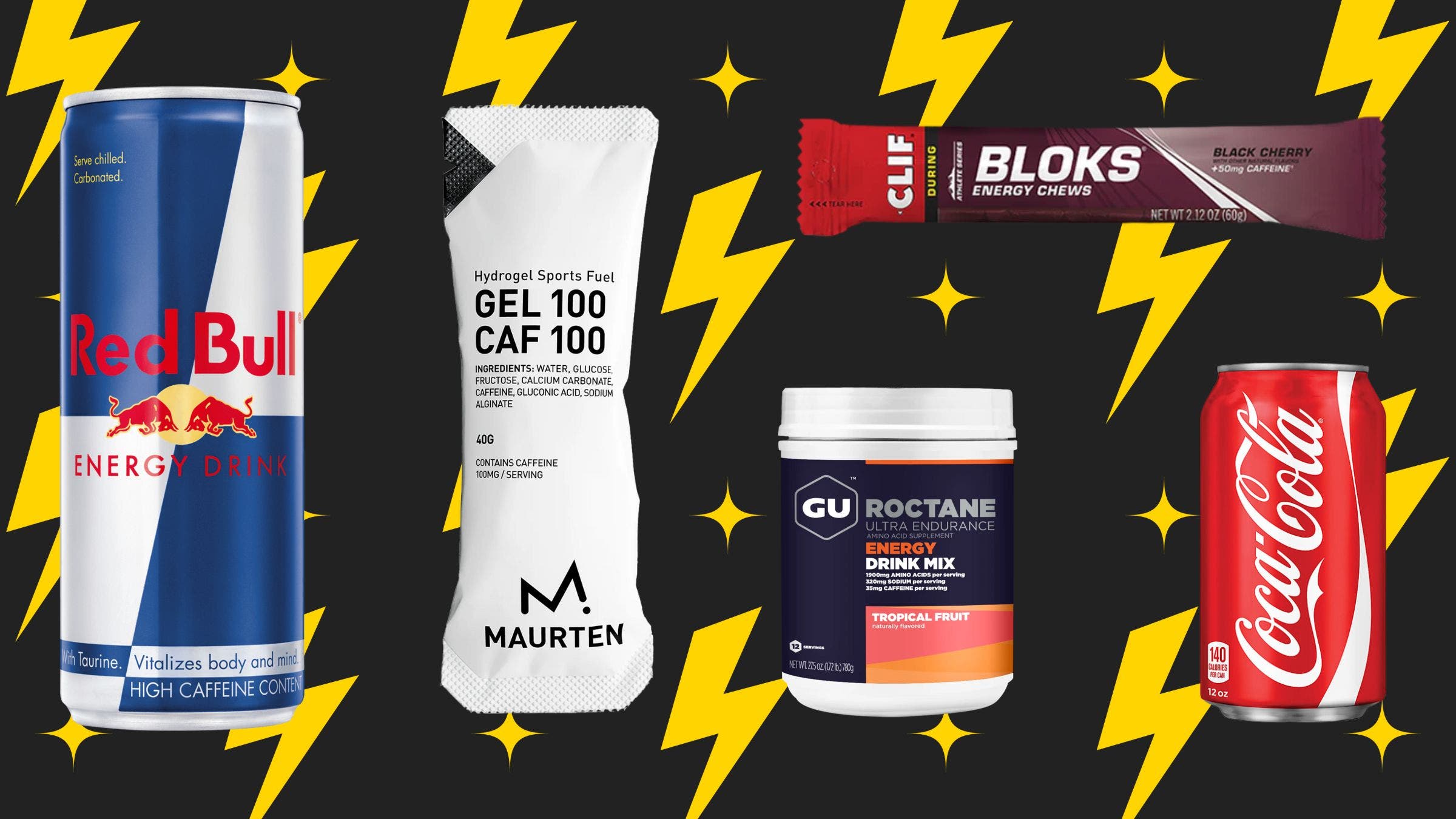
Credit: www.triathlete.com
Energy Drinks Vs. Other Supplements
In the world of sports, athletes seek ways to enhance performance. Energy drinks promise quick boosts, but how do they compare to other supplements? This section explores the differences and benefits of energy drinks versus other performance aids.
Comparison With Sports Drinks
Sports drinks hydrate and replenish electrolytes lost during exercise. They usually contain carbohydrates, which provide energy for endurance. Energy drinks, on the other hand, often contain caffeine and sugar. These ingredients offer a quick energy spike but may lead to crashes.
While sports drinks maintain hydration, energy drinks focus on alertness. Athletes may choose based on their immediate needs. For hydration and stamina, sports drinks are ideal. For a quick mental boost, energy drinks are preferred.
Natural Alternatives
Some athletes opt for natural alternatives like coconut water. It provides electrolytes without added sugars or artificial ingredients. Bananas are another natural option, rich in carbohydrates and potassium.
Herbal teas like green tea offer a gentler caffeine boost. They also provide antioxidants, which can aid recovery. For those avoiding synthetic supplements, these natural options provide balanced energy.
Regulations And Guidelines
Energy drinks claim to enhance sports performance, but regulations and guidelines urge caution. Athletes need to understand potential health risks before consumption.
Navigating the world of energy drinks can be tricky, especially when it comes to sports performance. While these beverages promise to boost energy and endurance, understanding the regulations and guidelines is crucial for athletes and fitness enthusiasts alike. Before reaching for that can of caffeine, it’s important to know the rules that govern its consumption.Age Restrictions
Energy drinks are often marketed with vibrant colors and catchy slogans, but they’re not for everyone. Many countries and regions have implemented age restrictions to protect younger consumers. In the United States, for example, there is no federal age limit, but some states restrict sales to minors. Why this caution? Young athletes may be more sensitive to caffeine, leading to potential health risks such as increased heart rate or anxiety. As a parent or coach, ensure young athletes are informed about these risks and understand why certain restrictions are in place.Recommended Dosage
How much is too much when it comes to energy drinks? Most experts agree that moderation is key. The recommended daily caffeine intake for adults is up to 400 mg, but this can vary significantly depending on individual tolerance and body weight. For athletes, overconsumption can hinder performance rather than enhance it. Have you ever felt jittery or anxious after consuming too much caffeine? This could detract from focus and precision during sports activities. Always check labels for caffeine content and other active ingredients. Consider your total daily caffeine consumption from all sources, including coffee and soft drinks. Staying informed can help you make better choices for your health and performance.Expert Opinions
Athletes often debate the effectiveness of energy drinks on sports performance. Some experts believe they enhance alertness and endurance. Others caution about potential side effects and limited long-term benefits.
Expert opinions on energy drinks and sports performance vary widely. Some experts believe these drinks offer a quick boost. Others are more cautious, stressing potential risks. Understanding these views can help athletes make informed decisions.Views From Nutritionists
Many nutritionists caution against relying on energy drinks. They highlight concerns about high caffeine and sugar levels. These ingredients can lead to dehydration or energy crashes. Some suggest natural alternatives like water or sports drinks. They believe balanced diets provide better long-term energy.Athlete Experiences
Athletes have mixed experiences with energy drinks. Some claim they feel more alert during games. Others notice improved concentration and stamina. Yet, not all athletes report positive effects. Some experience jitters or sleeplessness. Personal experiences often vary based on individual tolerance. Understanding these perspectives can guide athletes in their choices.
Credit: www.instagram.com
Frequently Asked Questions
Do Energy Drinks Really Enhance Athletic Performance?
Energy drinks may boost short-term performance by increasing alertness and energy levels. However, their benefits vary among individuals. Some athletes report improved endurance, while others experience no effect. It’s crucial to consider the potential side effects, such as increased heart rate or dehydration, before incorporating energy drinks into your routine.
Are Energy Drinks Safe For Athletes?
Energy drinks can be safe when consumed in moderation. They often contain caffeine and sugar, which may cause side effects like jitters or dehydration. Athletes should consult a healthcare professional before consumption, especially if they have underlying health conditions. Always read labels and be cautious about excessive intake.
How Do Energy Drinks Affect Endurance?
Energy drinks can temporarily enhance endurance by increasing focus and energy levels. Caffeine, a common ingredient, may reduce perceived effort during exercise. However, effects vary among individuals, and excessive consumption may lead to dehydration or heart issues. It’s vital to balance energy drink intake with hydration and nutrition.
Can Energy Drinks Replace Sports Drinks?
Energy drinks are not suitable replacements for sports drinks. Sports drinks replenish electrolytes lost during exercise, while energy drinks primarily boost alertness. Athletes should consume sports drinks for hydration and recovery. Energy drinks can complement performance but should not replace essential hydration and nutrient sources.
Conclusion
Energy drinks can offer a quick energy boost. They may help short-term focus in sports. But they can also cause side effects like jitteriness. Not everyone will experience the same results. It’s important to know your own limits. Also, consider the long-term impacts on health.
Natural energy sources, like proper rest and nutrition, remain crucial. Relying solely on drinks might not be wise. Always consult with a coach or health expert. Understand what works best for your body. Balance is key for sustained sports performance.