Ever stood under a pull-up bar and wondered if hanging there could actually make you stronger? The idea might sound simple, but the impact of dead hangs on muscle building might surprise you.
Imagine unlocking a hidden gem in your workout routine that not only boosts your strength but also enhances your grip and improves your posture. Curious yet? You should be! Understanding how this straightforward exercise can influence your muscle growth is key to maximizing your fitness potential.
Let’s dive into the fascinating world of dead hangs and discover what they can do for your muscles. Your fitness journey might just take an exciting turn!
Benefits Of Dead Hangs
Dead hangs, a simple yet powerful exercise, offer numerous benefits beyond just building muscle. By suspending your body from a bar, you engage muscles and joints in unique ways. Let’s explore how dead hangs can enhance your fitness routine.
Improved Grip Strength
Ever struggled to hold onto a heavy bag or open a stubborn jar? Dead hangs are a fantastic way to boost your grip strength. As you hang, your fingers, hands, and forearms are forced to hold your entire body weight, strengthening those muscles over time. You might notice a difference in everyday tasks, making them easier and less strenuous.
Spinal Decompression
Sitting for long periods or carrying heavy loads can compress your spine, leading to discomfort. Dead hangs provide a natural form of spinal decompression. As you dangle, gravity helps stretch and lengthen your spine, offering relief and improving posture. It’s like giving your spine a much-needed break.
Shoulder Mobility
Shoulder stiffness can limit movement and cause pain. Dead hangs encourage shoulder mobility by allowing a full range of motion. As your shoulders extend and rotate, they become more flexible and resilient. You’ll find activities like swimming or throwing a ball become smoother and more enjoyable.
Incorporating dead hangs into your routine can lead to noticeable improvements in grip, spinal health, and shoulder function. Why not give it a try and see the benefits for yourself?

Credit: www.tiktok.com
Muscle Activation During Dead Hangs
Dead hangs are more than just hanging from a bar. They engage multiple muscles, providing a solid workout. Understanding which muscles activate can help maximize the benefits. Let’s explore the key muscle groups and core stabilization involved in dead hangs.
Engaged Muscle Groups
During dead hangs, several muscle groups get a workout. The forearms and grip strength improve significantly. Shoulders, especially the deltoids, remain engaged throughout. The lats, or latissimus dorsi, also play a vital role. They help in maintaining stability and control. Even the biceps get involved, although not as intensely.
Core Stabilization
The core muscles don’t stay idle in dead hangs. They play a crucial part in stabilizing your body. The abs and obliques help keep your body straight. They prevent swinging and twisting. This stabilization is key for effective muscle engagement. A strong core ensures better performance in dead hangs.
Dead Hangs For Muscle Growth
Dead hangs may seem simple, but they pack a punch when it comes to muscle growth. The exercise involves hanging from a bar with your arms fully extended. This movement not only helps increase grip strength but also lays the foundation for building muscle, especially in your upper body.
Hypertrophy Potential
Dead hangs primarily engage your forearms, shoulders, and core. The tension created during the hang stimulates muscle fibers, which can lead to hypertrophy—muscle growth. If you maintain consistency, you’ll likely notice increased muscle endurance and size over time.
It’s essential to progressively increase your hang time. Challenge yourself by adding a few seconds each session. Your muscles need this gradual overload to grow stronger and larger.
Complementary Exercises
While dead hangs are effective, pairing them with other exercises can maximize muscle growth. Pull-ups are a natural companion, as they target the same muscle groups and help develop upper body strength. Consider incorporating rows into your routine to balance your muscle development.
Compound movements, like push-ups, also complement dead hangs by engaging your core and chest. This combination ensures a well-rounded workout, helping you build a robust physique.
Have you tried mixing dead hangs with other exercises? Share your experiences in the comments. Your insights could inspire others on their fitness journey.
Incorporating Dead Hangs In Workouts
Dead hangs are a simple yet effective exercise. They can be a great addition to any fitness routine. This exercise helps improve grip strength and shoulder stability. It’s perfect for beginners and advanced athletes alike. Here’s how you can incorporate dead hangs into your workouts.
Beginner Tips
Starting with dead hangs is easy. Find a sturdy bar or pull-up station. Grip the bar with both hands, palms facing away. Hang with your arms fully extended. Aim for 20 to 30 seconds at first. Keep your body still and engage your core. Breathe steadily throughout the exercise.
Begin with two to three sets. Rest between each set for 30 seconds. Focus on maintaining form and breathing. Once comfortable, slowly increase the duration. Consistency is key to building strength.
Progression Techniques
As you gain strength, challenge yourself more. Gradually increase your hang time. Aim for 45 seconds to a minute. Try adding weight by using a belt. This will test your muscles further.
Incorporate variations like single-arm hangs. Alternate arms for balanced development. Add dynamic movements like scapular pulls. This engages more muscles and builds endurance. Track your progress to stay motivated. Celebrate small milestones along the way.
Dead Hang Variations
Dead hang variations can help build muscle by engaging multiple upper body muscles. Hanging strengthens shoulders, arms, and back. Consistent practice improves grip strength, which is essential for overall fitness.
Dead hangs are more than just a simple stretch. They offer a range of benefits for muscle building. Different variations can target muscles in unique ways. These variations can enhance grip strength and improve shoulder mobility. Let’s explore some of the popular dead hang variations.Active Vs. Passive Hangs
Active and passive hangs differ in muscle engagement. In a passive hang, you let your body hang freely. Your shoulders are relaxed, and your arms bear most of the weight. It’s great for stretching and improving shoulder flexibility. In an active hang, engage your shoulder blades and core. This keeps your body stable and your shoulders active. Active hangs strengthen your back and shoulder muscles. They also improve overall stability.One-arm Hangs
One-arm hangs take dead hangs to the next level. They challenge your grip strength significantly. This variation demands more from your forearm and shoulder muscles. You hang from one arm, stabilizing your body with core engagement. Start with a short duration to avoid strain. Gradually increase time as your strength improves. One-arm hangs are excellent for advanced training. They build strength and enhance muscle coordination.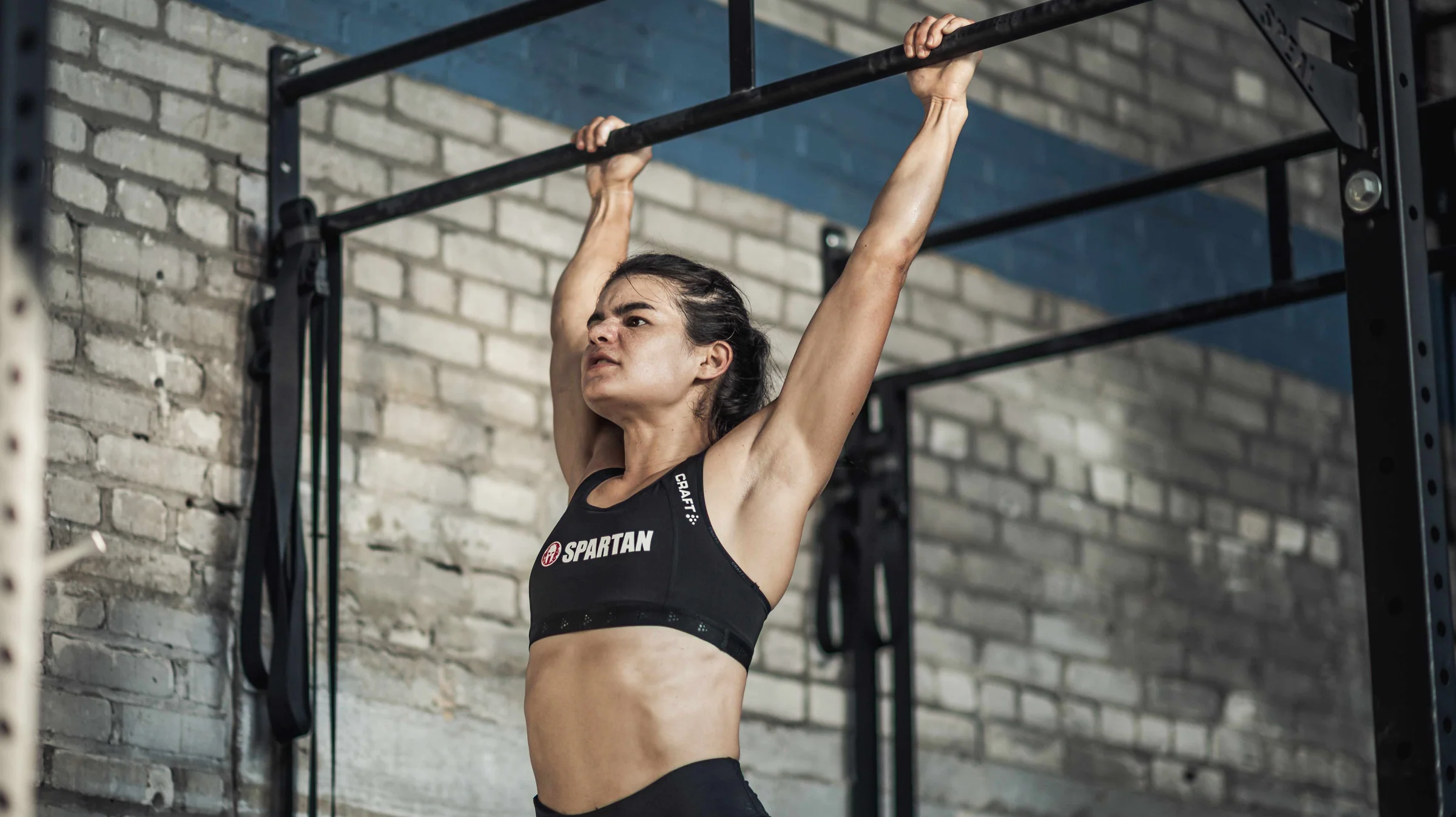
Credit: www.spartan.com
Common Mistakes And Safety
Dead hangs can build muscle, but improper form may cause injury. Use controlled movement and proper grip for safety. Avoid overextending or swinging to prevent strain.
Dead hangs are a simple yet powerful exercise that can enhance your grip strength and shoulder stability. However, like any exercise, doing them incorrectly can lead to muscle strain or injury. To reap the benefits safely, it’s crucial to understand common mistakes and how to avoid them. When practicing dead hangs, it’s easy to overestimate your grip strength or hang time. This can lead to unnecessary strain on your shoulders and wrists. Have you ever found yourself holding on just a bit too long, thinking it will make you stronger? It’s a common pitfall. Instead, focus on quality over quantity. Start with shorter durations and increase gradually as your grip improves. Safety should always be your priority.Proper Form
Proper form is the cornerstone of any exercise. When doing dead hangs, keep your body straight, engage your core, and avoid swinging. Your shoulders should be down and back, not hunched up towards your ears. Imagine you’re trying to make space between your shoulders and ears. This alignment protects your shoulder joints and ensures you’re building strength effectively.Avoiding Overstrain
Overstrain is a silent enemy that can derail your progress. Pushing through pain or fatigue might seem heroic, but it often leads to setbacks. Listen to your body. If your grip starts slipping or you feel discomfort, take a break. Incorporate rest days into your routine to allow your muscles to recover and grow stronger. Remember, consistent rest is as important as the workout itself.
Credit: www.instagram.com
Frequently Asked Questions
Do Dead Hangs Increase Grip Strength?
Yes, dead hangs are excellent for improving grip strength. They require holding onto a bar, engaging the forearms, and fingers. Consistent practice enhances endurance and grip, benefiting various sports and exercises. Strong grip strength is crucial for lifting, climbing, and overall fitness performance, making dead hangs an effective addition to your routine.
Can Dead Hangs Improve Shoulder Mobility?
Dead hangs are beneficial for shoulder mobility. Hanging stretches the shoulder muscles, promoting flexibility and range of motion. This helps alleviate shoulder tightness and discomfort. Regular practice can lead to healthier shoulders, enhancing performance in activities that require overhead movements, such as swimming or weightlifting.
Are Dead Hangs Good For Spinal Decompression?
Dead hangs can aid in spinal decompression. Hanging elongates the spine, relieving pressure on vertebrae. This can alleviate back pain and improve posture. Incorporating dead hangs into your routine may contribute to a healthier spine, especially for individuals who experience discomfort due to prolonged sitting or poor posture.
Do Dead Hangs Build Upper Body Endurance?
Yes, dead hangs contribute to upper body endurance. Holding the position engages multiple muscles, including shoulders and arms. Over time, endurance improves, enhancing performance in exercises requiring prolonged muscle engagement. Regular practice can lead to increased stamina, benefiting activities such as climbing, weightlifting, and daily physical tasks.
Conclusion
Dead hangs offer real benefits for muscle building. They strengthen grip and core. Easy to do anywhere. No special equipment needed. Just a bar and your body weight. They support overall fitness goals. Boost endurance and flexibility. A simple yet effective workout.
Incorporate them into your routine. Feel the difference in your strength. Consistency is key. Keep practicing and stay patient. Results come with time. Listen to your body. Balance is important. Dead hangs are a valuable addition to your fitness journey.