
Have you ever wondered whether wearing a back brace could help you avoid injuries? You’re not alone.
Many people, especially those who lift heavy objects or spend long hours sitting, worry about the health of their spine and back. As you navigate through your daily activities, protecting your back is crucial. It’s your body’s support system, after all.
But can a back brace really make a difference? Could it be the shield you need against strains and sprains? Keep reading to uncover the truth about back braces and learn how they might benefit you.
Credit: www.ptbn.us
The Purpose Of Back Braces
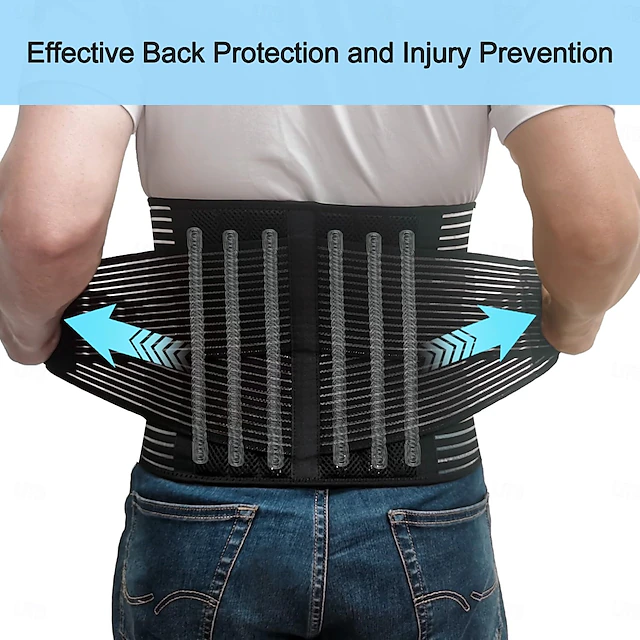
Back braces are designed to support the spine and improve posture. They aim to stabilize the back, reducing strain during physical activities. These devices are often used to prevent injuries by limiting excessive movement. Understanding their purpose can help determine their effectiveness in injury prevention.
The Role Of Back Braces In Support
Back braces provide support to the spinal column. They help maintain proper alignment during movement. This reduces the risk of stress-related injuries. The brace acts as a physical reminder to maintain good posture.
Stabilizing Muscles And Joints
Braces stabilize muscles and joints in the back. This minimizes the risk of strains and sprains. They restrict certain movements that might lead to injury. By stabilizing the area, they help protect against sudden movements.
Reducing Muscle Fatigue
Back braces help reduce muscle fatigue. They provide extra support during heavy lifting tasks. This can prevent overexertion and subsequent injury. By sharing the load, they ease the pressure on the muscles.
Posture Correction Benefits
Many back braces are designed for posture correction. They align the spine to its natural position. This helps prevent long-term issues like chronic pain. Correct posture can significantly reduce the risk of injury.
Improving Recovery Time
Braces can improve recovery time after an injury. They immobilize the affected area, allowing healing. This reduces the risk of further damage during recovery. Wearing a brace can speed up the healing process.
Enhancing Confidence In Movement
Using a back brace can enhance confidence during activities. It provides reassurance that the back is supported. This can encourage more active participation. Feeling secure may reduce fear of injury.

Credit: www.amazon.com
Common Types Of Back Braces
Back braces are often considered a vital tool in preventing injuries and providing support. Understanding the different types available can help you choose the right one for your needs. Let’s explore the common types of back braces that might be suitable for your lifestyle.
Rigid Braces
Rigid braces are designed to offer maximum support and restrict movement. They are ideal for post-surgery recovery or severe spinal issues. Imagine a shell-like structure that hugs your torso tightly; that’s what rigid braces do. They stabilize your spine and reduce pressure, making them perfect for acute injuries. However, they might feel bulky and limit your flexibility. Is sacrificing comfort for stability worth it in your case?
Soft Braces
Soft braces, unlike their rigid counterparts, offer moderate support while allowing more flexibility. They are often made of elastic material and are perfect for everyday use. If you experience occasional discomfort or mild pain, soft braces can provide relief without feeling too restrictive. But remember, they won’t offer the same level of support as rigid braces. Are you looking for something comfortable for daily wear?
Posture Correctors
Posture correctors focus on aligning your spine and shoulders, promoting a healthier posture. They are usually lightweight and discreet, making them easy to wear under clothes. If you find yourself slouching at your desk or during daily activities, these can be a great reminder to stand tall. While they don’t directly prevent injuries, they can reduce the risk of long-term back issues. Are you ready to embrace better posture in your daily routine?
Choosing the right back brace depends on your specific needs and the level of support you require. Whether you’re recovering from an injury or looking to improve your posture, there’s a brace designed for you. Consider how each type fits into your lifestyle and the benefits they offer. Which brace will you choose to support your back health?
How Back Braces Work
Back braces are popular tools in managing back pain and preventing injuries, but how exactly do they work? They are designed to support the spine and surrounding muscles, offering a range of benefits that can help you stay active and pain-free. Understanding the mechanics of back braces can help you make informed decisions about using them effectively.
Support And Stability
One of the primary functions of back braces is to provide support and stability. They achieve this by restricting movements that could lead to injury, such as bending or twisting. Imagine a scaffolding that keeps a building upright; similarly, a back brace keeps your spine in alignment. This can be particularly beneficial if you’re lifting heavy objects or engaging in physical activities. When I started using a back brace, I noticed I felt more grounded and balanced, which boosted my confidence in performing everyday tasks.
Muscle Relaxation
Back braces also promote muscle relaxation. By providing consistent support, they can reduce the strain on your muscles, allowing them to rest and recover. This is crucial for anyone dealing with muscle tension or spasms. Picture the sensation of a gentle hug around your back, encouraging tight muscles to let go. Have you ever felt the relief that comes from releasing tension after a long day? That’s the kind of comfort a back brace can bring.
Pain Reduction
Pain reduction is another significant benefit of wearing a back brace. By stabilizing the spine and relaxing the muscles, back braces can lessen pain associated with various conditions like lumbar sprains or herniated discs. Think about how supportive shoes can relieve foot pain; similarly, a back brace can alleviate discomfort in your back. Have you considered how much less distracted you might be by pain if a back brace could help minimize it?
Back Braces In Sports And Physical Activities
Back braces are commonly used in sports and physical activities to provide support and prevent injuries. Whether you’re an amateur athlete or a professional, the risk of injury is always present when you’re active. Back braces can be an essential tool in reducing this risk, offering stability and support to ensure your back remains protected during intense activities.
Prevention In High-risk Sports
High-risk sports, like weightlifting, gymnastics, and football, demand a lot from your body, especially your back. Back braces can help mitigate these risks by providing the necessary support and alignment for your spine. Think about a weightlifter preparing for a heavy lift; a back brace can offer the confidence to push limits while minimizing strain.
Consider the repetitive movements in gymnastics. These can lead to wear and tear over time. A back brace can help maintain posture and reduce the chance of injury, allowing athletes to perform at their best without compromising safety.
Use Among Athletes
Athletes often integrate back braces into their training routines. It’s not just about injury prevention; it’s also about enhancing performance. By maintaining proper alignment, athletes can improve their form and reduce fatigue.
Imagine running a marathon. A back brace can help maintain posture, reducing unnecessary energy expenditure and keeping you focused on crossing that finish line. Have you ever considered how a simple brace could make a difference in your performance?
Back braces have become a staple among athletes who prioritize both performance and safety. By using them strategically, athletes can ensure longevity in their careers and enjoy their sport without fear of injury.
Medical Opinions On Back Braces
Medical opinions on back braces vary widely in the healthcare community. Some professionals advocate their use, citing benefits for injury prevention and recovery. Others raise concerns about potential negative effects on muscle strength and mobility.
Support From Healthcare Professionals
Many doctors and physiotherapists recommend back braces. They believe braces offer stability and support. This can be crucial for individuals recovering from injuries. Braces help maintain correct posture. This reduces strain on muscles and ligaments. Athletes often use them during training. They feel more secure and less prone to injuries.
Back braces are also popular among individuals with chronic back pain. Professionals suggest braces to reduce discomfort. Patients report reduced pain and improved mobility. This can enhance their quality of life.
Concerns And Criticisms
Some experts worry about reliance on back braces. They argue prolonged use may weaken muscles. Weak muscles could lead to more injuries. Braces might restrict natural movement. This could affect flexibility and strength.
Critics also point out the psychological aspect. Relying too much on braces might create dependency. Users may feel less confident without them. This could impact daily activities negatively.
Healthcare professionals advise caution. They suggest using braces as part of a balanced treatment plan. Exercises should accompany brace use. This ensures muscles remain strong and flexible.

Credit: www.amazon.com
Scientific Studies On Back Braces
Scientific studies explore whether back braces effectively prevent injuries. Researchers examine their role in supporting muscles and reducing strain. Findings suggest they may help, but effectiveness varies depending on usage and individual needs.
Scientific studies on back braces provide insights into their role in preventing injuries. Researchers have explored how these devices support the spine and reduce strain. Understanding scientific findings helps in assessing their effectiveness.Research Findings
Several studies have examined back braces and their impact on injury prevention. Research shows that back braces can improve posture. They also help distribute weight evenly across the spine. Some studies suggest they reduce muscle fatigue during physical activities. This can lower the risk of injuries, especially for those with heavy lifting jobs.Effectiveness For Injury Prevention
The effectiveness of back braces in preventing injuries varies. Some studies report positive outcomes, while others show minimal effects. Back braces may benefit individuals with previous back injuries. They can provide support during recovery. For athletes, braces might reduce the risk of re-injury. Yet, relying solely on braces without strengthening exercises may not be effective. It’s crucial to use them as part of a broader injury prevention strategy.Potential Drawbacks Of Using Back Braces
Back braces can offer support and relief. But they may have drawbacks. Understanding these limitations is important for informed decisions.
Muscle Weakness
Back braces can lead to muscle weakness. They support the back, reducing the need for muscles to work. Over time, this can cause muscles to weaken. Weak muscles may not support the spine well. Regular exercise can help maintain muscle strength.
Dependency Issues
Some people might rely too much on back braces. Constant use can create dependency. They may feel they can’t go without it. This reliance can prevent natural body movement. Gradually reducing brace use can help counter dependency. It’s important to strike a balance between support and natural movement.
Alternatives To Back Braces
Exploring alternatives to back braces can be crucial for preventing injuries. Exercises that strengthen core muscles and improve posture are effective options. Ergonomic furniture and maintaining a healthy weight also contribute to spinal health.
Alternatives to back braces can be a compelling choice for many individuals seeking to prevent injuries. While back braces provide support, they are not the only option available. Exploring other methods can offer flexibility, comfort, and a proactive approach to maintaining back health.Exercise And Physical Therapy
Exercise is a powerful tool in strengthening your core muscles, which play a crucial role in supporting your spine. Regular activities such as swimming, yoga, or Pilates can enhance your flexibility and posture. Personal story: I once struggled with lower back pain and discovered that a consistent yoga practice greatly improved my strength and reduced discomfort. Physical therapy offers tailored exercises that focus on your specific needs. A physical therapist can guide you through routines that improve your back’s resilience and prevent future injuries. Have you ever considered how personalized exercises might transform your approach to back care?Ergonomic Adjustments
Your daily environment significantly impacts your back health. Adjusting your workspace to promote better posture can prevent strain. Simple changes like using an ergonomic chair, placing your monitor at eye level, and keeping your feet flat on the ground can make a big difference. Think about your sleeping position. A supportive mattress and pillow can align your spine properly during the night. Are you giving enough attention to how your sleeping habits affect your back? By focusing on these alternatives, you can take control of your back health and potentially reduce the need for a back brace.Choosing The Right Back Brace
Choosing the right back brace can help support your posture and provide stability. Back braces may reduce the risk of injury during physical activities by offering extra support to the spine and muscles. Make sure to select one that fits well and suits your specific needs.
Choosing the right back brace is crucial for ensuring both comfort and effectiveness in preventing injuries. With numerous options available, selecting the perfect fit can seem daunting. However, understanding key factors and seeking professional advice can guide you to make the best choice for your needs.Factors To Consider
When choosing a back brace, consider the type of support you need. Are you looking for a brace to provide stability during physical activities, or do you need one to support recovery from an existing injury? The material of the brace is another important factor. Neoprene is flexible and breathable, while more rigid materials offer stronger support. Think about your daily activities and choose a material that fits your lifestyle. Size and adjustability play a significant role in comfort. A poorly fitted brace can do more harm than good. Measure your waist and choose a brace that allows for adjustments to ensure a snug yet comfortable fit.Consulting A Professional
Before purchasing a back brace, consulting a healthcare professional can provide valuable insights. They can assess your specific condition and recommend the best type of brace for your situation. Personalized advice can prevent you from making costly mistakes. A professional might suggest a custom-fitted brace if you have unique anatomical needs or chronic issues. Have you ever considered how a professional opinion could impact your choice of a back brace? Sometimes, what seems like a minor difference in fit or style can significantly affect the brace’s effectiveness. Always weigh professional advice heavily in your decision-making process.Frequently Asked Questions
Do Back Braces Really Prevent Injuries?
Back braces provide support and can help prevent certain injuries. They stabilize the spine during activities, reducing strain. However, they aren’t a guarantee against all injuries and should be used with proper posture and exercise.
When Should You Wear A Back Brace?
Wear a back brace when engaging in heavy lifting or activities that strain the back. It’s also useful for providing support during recovery from back injuries. Always consult a healthcare professional for personalized advice.
Are Back Braces Effective For Lower Back Pain?
Back braces can be effective for managing lower back pain. They offer support and limit movements that might worsen the pain. However, they should complement other treatments like physical therapy and exercise for best results.
Can Back Braces Weaken Muscles?
Relying too much on back braces might weaken muscles over time. They should be used as a temporary aid. Incorporating strengthening exercises is essential to maintain muscle health and prevent dependency.
Conclusion
Back braces offer some support and can reduce injury risk. They stabilize the spine, helping to prevent strain. Not all injuries are preventable, though. It’s crucial to combine braces with proper posture and exercise. Consult a doctor before use to ensure they’re right for you.
Relying solely on a brace isn’t effective. Other preventive measures are necessary. Understand your body’s needs and limitations. Proper use of a back brace can be a helpful tool. Always prioritize overall back health for long-term benefits.