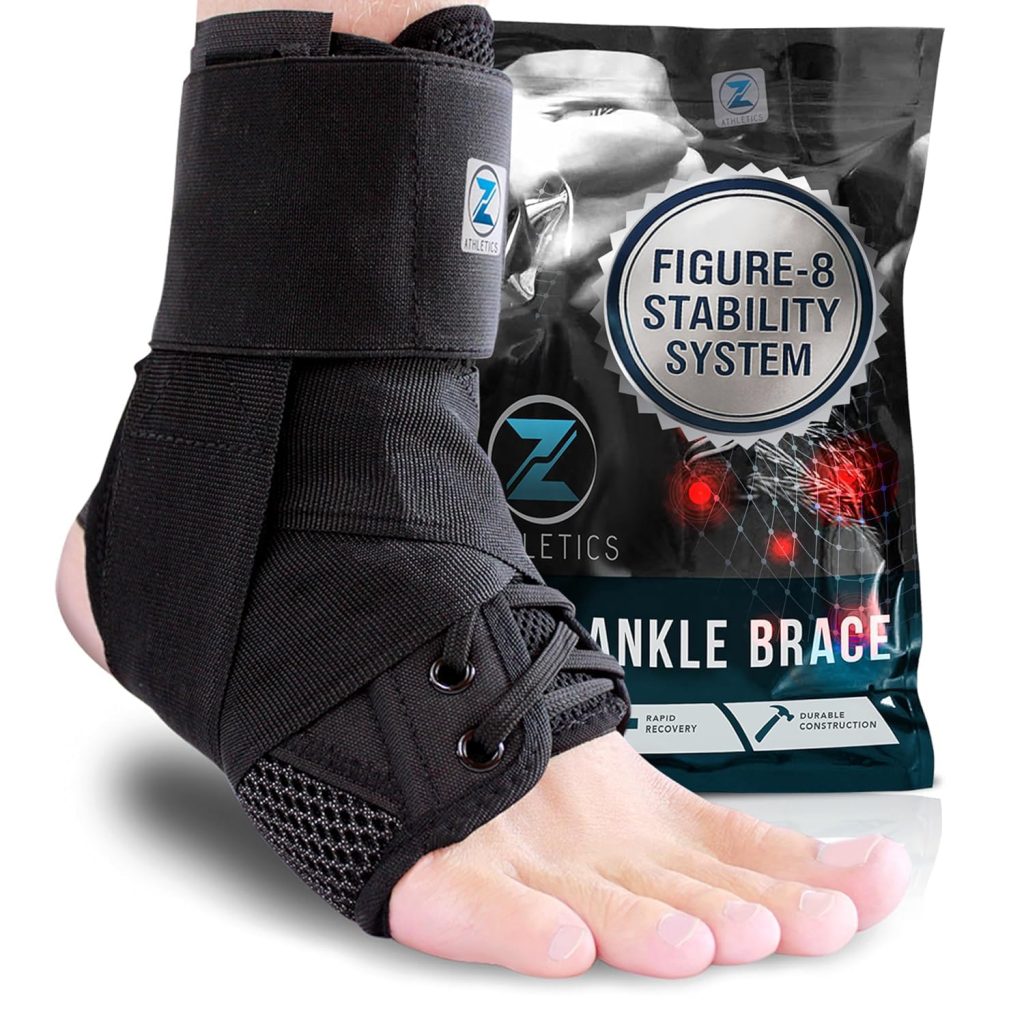
Imagine feeling the freedom to move confidently, knowing your ankles are protected from the unexpected twists and turns of daily life. You might be wondering if ankle braces can truly prevent injuries and offer that peace of mind.
Whether you’re an athlete pushing your limits or someone who simply wants to stay active without fear, this question is crucial. You deserve to know if a simple brace can make a significant difference. We’ll dive into the facts, debunk the myths, and give you the insights you need to make an informed decision about ankle braces and your safety.
Let’s explore whether these supports are the key to keeping you on your feet without worry.

Credit: www.amazon.com
Ankle Anatomy And Function
Ankle braces can support and stabilize the joint. They reduce the risk of sprains by limiting movement. Proper use helps prevent injuries during physical activities.
Understanding the ankle’s anatomy and function is crucial in determining how effective ankle braces can be in preventing injuries. The ankle is a complex joint that allows for a wide range of movement, essential for activities ranging from walking to jumping. Each component plays a specific role, working together to provide stability and mobility.Ankle Bones
The ankle is primarily composed of three bones: the tibia, fibula, and talus. These bones form the ankle joint, enabling both up-and-down and side-to-side movements. The tibia and fibula form a supportive arch around the talus, ensuring your foot can flex and pivot efficiently.Ligaments And Tendons
Ligaments connect bones and provide stability, preventing excessive movement that can lead to injury. The primary ligaments in the ankle include the anterior talofibular ligament, calcaneofibular ligament, and posterior talofibular ligament. Meanwhile, tendons attach muscles to bones, like the Achilles tendon, which is pivotal for movements such as jumping.Muscles
Muscles surrounding the ankle, including the calf muscles and those in your foot, work together to facilitate movement and absorb impact. They help control the foot’s position during various activities, adding an extra layer of protection against injuries.Joint Function
The ankle joint functions as a hinge, allowing for dorsiflexion and plantarflexion. It also supports rotation and inversion movements, providing the versatility needed for different terrains and activities. This flexibility highlights the importance of maintaining joint health and strength to prevent injuries.Importance Of Stability
Ankle stability is vital for preventing sprains and strains. Strong ligaments and muscles contribute significantly to this stability. Are your ankles stable enough to withstand sudden shifts or pressure? Ankle braces may offer the additional support needed when these natural stabilizers are weak or compromised. Reflecting on these components, consider whether your ankles are equipped to handle the demands of your lifestyle. Could an ankle brace be the extra layer of security you need? Understanding ankle anatomy can guide you in making informed decisions about injury prevention.Common Ankle Injuries
Ankle injuries are incredibly common and can disrupt your daily life more than you might expect. Whether you’re a weekend warrior or someone who enjoys a casual stroll, ankle injuries can happen to anyone. Understanding the most frequent types of ankle injuries can help you make informed decisions about prevention and treatment.
Sprains And Strains
Sprains and strains are arguably the most common ankle injuries. A sprain involves the ligaments, while a strain affects the muscles or tendons. These injuries often occur during physical activities that involve rapid changes in direction or uneven surfaces. Have you ever twisted your ankle while hiking? That sudden, painful twist is likely a sprain. Using ankle braces can stabilize your joint and prevent such injuries by providing extra support.
Fractures
Fractures, though less frequent than sprains, are serious and require medical attention. They occur when one or more bones in the ankle break due to a severe impact or fall. Think about the last time you missed a step and landed awkwardly. That jarring sensation could lead to a fracture. Ankle braces can offer some protection by cushioning your ankle, but they aren’t foolproof against fractures. The key is to maintain awareness of your surroundings and wear proper footwear.
Are you taking the necessary steps to protect your ankles during your activities? A simple investment in ankle braces might save you from a world of pain.
Types Of Ankle Braces
Ankle injuries can be a real pain, literally and figuratively. Whether you’re an athlete or someone who enjoys a brisk walk, ankle braces are essential tools for preventing injuries. But did you know there are different types of ankle braces designed for various levels of support and flexibility? Understanding these types can help you choose the right brace for your needs and activities.
Rigid Braces
Rigid braces offer maximum support and are ideal for individuals recovering from significant ankle injuries or surgeries. They restrict most of the ankle’s movement, providing stability that prevents further damage.
These braces are often made from hard plastic, ensuring your ankle remains secure during high-impact activities. If you’re playing sports or engaging in activities where ankle movement needs to be controlled, rigid braces can be your best bet.
However, they may feel bulky and less comfortable for everyday use. The trade-off for protection is a bit of compromise on comfort, but sometimes that’s necessary to keep your ankle safe.
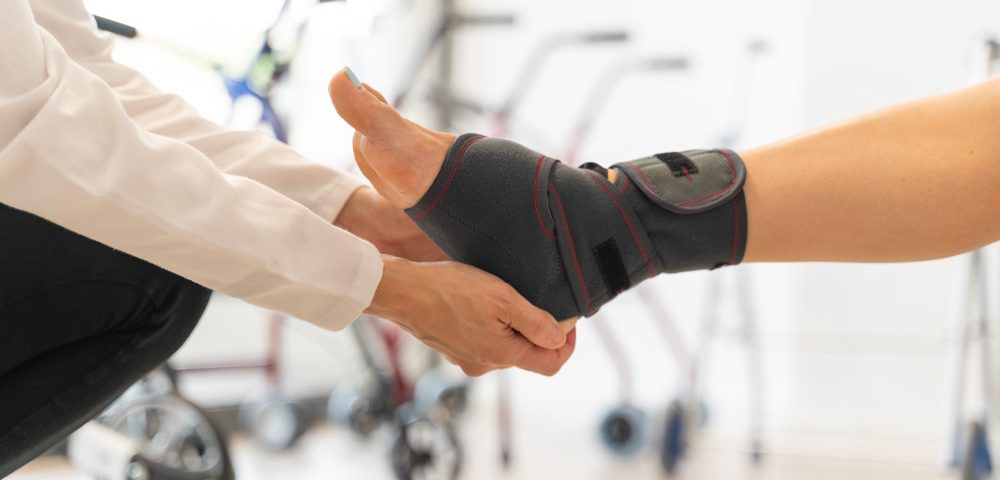
Semi-rigid Braces
Semi-rigid braces strike a balance between support and flexibility. They are often used by athletes who need both stability and mobility to perform effectively.
These braces usually feature a combination of hard and soft materials, allowing some degree of ankle movement while still providing support. They are great for sports like basketball or soccer where quick lateral movements are common.
Have you ever tried running with a semi-rigid brace? It can feel like your ankle is being hugged while still allowing you to sprint. This blend of comfort and support makes semi-rigid braces a popular choice.
Soft Braces
Soft braces are the least restrictive, offering more freedom of movement. They are often used for mild sprains or as a preventative measure during low-impact activities.
Made from flexible materials like neoprene or elastic, soft braces provide gentle compression and warmth to the ankle. They’re perfect for casual activities and can be worn comfortably throughout the day.
Imagine walking through the park with a soft brace—it’s almost like wearing a cozy sock. These braces can offer peace of mind without feeling cumbersome.
Choosing the right ankle brace can make a significant difference in your comfort and injury prevention. Have you considered which type suits your lifestyle best? The decision might be simpler than you think, and your ankles will thank you.
Credit: www.footankleaz.com
Mechanism Of Braces In Injury Prevention
Ankle braces help stabilize the joint, reducing the risk of sprains during physical activities. They limit excessive movement, providing support and preventing injuries. Regular use can enhance confidence and aid in safer mobility.
Ankle braces are often touted as essential tools for preventing injuries during sports and physical activities. But how exactly do they function to keep your ankles safe? Understanding the mechanism behind ankle braces can help you make informed decisions about their use.Stabilization And Support
Ankle braces provide crucial stabilization and support to your ankle joint. They act like a firm handshake, gripping your ankle snugly to keep it aligned. This support can be especially beneficial during activities that involve quick changes in direction or jumping. Consider how even a small misstep can lead to an ankle sprain. With the added support of a brace, your ankle is less likely to roll, twist, or bear excessive strain. This support acts as a buffer, reducing the chances of injury by maintaining your ankle’s integrity.Limiting Range Of Motion
Ankle braces also limit the range of motion in your joint, preventing it from moving beyond its natural limits. By doing so, they reduce the risk of overextension or unnatural twisting, which are common causes of injuries. Imagine attempting a sudden pivot while playing basketball. Without a brace, your ankle might flex too far, leading to a sprain. However, with a brace, your movement is controlled, and the risk of injury diminishes significantly. Do you rely on your body to signal when it needs extra support? Ankle braces serve as a proactive tool, offering that support even before discomfort arises. They not only aid in injury prevention but also boost your confidence, allowing you to perform at your best.Scientific Evidence On Braces
Ankle braces are often recommended for athletes and individuals prone to ankle injuries. But do they really prevent injuries? Let’s delve into the scientific evidence surrounding ankle braces and their effectiveness. Understanding the research can help you make informed decisions about whether to use them.
Studies Supporting Brace Use
Several studies have shown that ankle braces can reduce the risk of injuries. Research involving basketball players revealed that those who wore ankle braces had significantly fewer injuries compared to those who didn’t. Another study with soccer players found similar results, suggesting that braces offer stability and support.
Braces work by limiting the range of motion, preventing you from twisting your ankle in ways that lead to sprains. This can be especially beneficial during high-impact activities. You might find that wearing a brace gives you more confidence to push your limits, knowing there’s a protective measure in place.
Criticisms And Limitations
Despite positive findings, some experts argue against relying solely on ankle braces. Critics claim that overuse can weaken ankle muscles, making you more susceptible to injuries in the long run. They suggest that strengthening exercises might be a better preventive measure.
Additionally, not all braces are created equal. The effectiveness can vary based on the type and fit of the brace. If it’s too tight or too loose, it may not provide the intended protection. This raises the question: Are you choosing the right brace for your needs?
While ankle braces can be a useful tool, they should be part of a broader injury prevention strategy. Consider integrating exercises that strengthen your ankle along with using braces. What approach will you take to keep your ankles safe and strong?
Pros And Cons Of Wearing Ankle Braces
Ankle braces can provide support and stability, reducing the risk of injury during physical activities. While they help in preventing sprains, excessive use may lead to muscle dependency and weakened ankles.
The debate on ankle braces often centers around their pros and cons. Athletes and fitness enthusiasts consider them for added support. Yet, opinions vary on their effectiveness. This section explores both the benefits and potential downsides of wearing ankle braces.Benefits For Athletes
Ankle braces can offer significant support during physical activities. They help stabilize the ankle, reducing the risk of rolling. This is especially beneficial for sports involving quick movements. Braces can also provide confidence to those recovering from ankle injuries. They serve as a reminder to be cautious while playing. Some studies suggest braces reduce the incidence of sprains. Athletes often find them useful during high-intensity sports. Braces can also offer warmth to the ankle, improving blood circulation. This may aid in quicker recovery post-activity. For many, ankle braces become an essential part of their gear.Potential Downsides
There are also potential downsides to wearing ankle braces. Some argue that they may weaken the ankle over time. Relying heavily on braces might reduce natural strength. This could increase injury risk in the long run. Comfort can also be an issue for some users. Ill-fitting braces may cause discomfort during activities. Additionally, they can sometimes limit the range of motion. This might affect performance in certain sports. It’s crucial to choose the right size and type for optimal benefits.Alternatives To Ankle Braces
Ankle braces offer support, but they aren’t the only option. Strengthening exercises can fortify ankles against injuries. Taping provides flexibility while still offering protection. Compression sleeves enhance blood flow, aiding in injury prevention.
Alternatives to ankle braces can provide effective support for preventing injuries. Some people find ankle braces uncomfortable or restrictive. Exploring other options can lead to enhanced safety and comfort.Strengthening Exercises
Regular exercises can improve ankle stability. Focus on exercises that target muscles around the ankle. These exercises build strength and flexibility. Incorporate balance exercises into your routine. Try standing on one leg to enhance ankle control. Use resistance bands for added intensity. These exercises can reduce injury risk.- Calf raises strengthen the lower leg muscles.
- Ankle circles improve flexibility and mobility.
- Toe and heel walks enhance balance and control.
Proper Footwear
Wearing the right shoes is crucial for ankle support. Choose shoes that fit well and offer stability. Look for shoes with a firm heel counter. This feature helps keep the ankle aligned. Opt for footwear with a wide base for better balance. Avoid shoes with high heels or inadequate support. Invest in quality shoes designed for physical activity.| Feature | Benefit |
|---|---|
| Firm heel counter | Keeps ankle stable |
| Wide base | Improves balance |
| Quality material | Provides durability |

Credit: www.amazon.com
Expert Opinions
Experts weigh in on whether ankle braces effectively prevent injuries. Some believe they offer support and reduce risk, while others argue they may weaken muscles over time.
Understanding whether ankle braces can effectively prevent injuries is crucial, especially if you’re an athlete or someone who frequently engages in physical activities. To shed light on this topic, we turn to expert opinions, drawing insights from seasoned professionals in sports medicine, orthopedics, and physical therapy. Their perspectives help us navigate the complexities of ankle brace usage and its impact on injury prevention.What Do Sports Medicine Experts Say?
Sports medicine professionals often recommend ankle braces for athletes, particularly those involved in high-impact sports like basketball or soccer. They argue that braces provide additional support to the ligaments, potentially reducing the risk of strains and sprains. However, some experts caution against relying solely on braces. They emphasize the importance of strengthening exercises to improve ankle stability, suggesting that a combination of braces and targeted workouts may offer the best protection.Orthopedic Surgeons’ Perspective
Orthopedic surgeons highlight that ankle braces can be beneficial for individuals recovering from an ankle injury. They often prescribe braces as part of a rehabilitation plan to prevent re-injury during the healing process. Yet, they note that prolonged use might lead to dependency, where the muscles around the ankle weaken due to lack of use. This can make you more susceptible to injury if the brace is removed. It’s a delicate balance that requires monitoring.Insights From Physical Therapists
Physical therapists generally advocate for functional braces, which allow for a range of motion while offering support. They believe these types of braces can help maintain mobility and prevent injuries without restricting movement too much. Interestingly, many therapists incorporate ankle braces into a broader therapy plan. They might also recommend exercises that enhance proprioception—your body’s ability to sense movement and positioning—further reducing injury risk.Personal Experience From Athletes
Many athletes share their stories, highlighting how ankle braces have made them feel more confident during performances. It’s common to hear athletes say that while braces don’t guarantee injury prevention, they offer peace of mind, allowing them to focus more on their game than their ankle. But, some athletes report feeling restricted by certain types of braces, suggesting that personal comfort and fit are key factors in choosing an effective brace. Would you consider using ankle braces based on these expert opinions? Balancing expert insights with personal experience can guide you in making an informed decision.Making An Informed Choice
Choosing the right ankle brace can be challenging. It’s important to weigh the benefits and drawbacks. With a variety of options available, making an informed choice is key. This section will guide you through important aspects to consider.
Understanding Different Types Of Ankle Braces
Various types of ankle braces serve different purposes. Lace-up braces offer moderate support. They allow for a range of motion. Hinged braces provide more stability. They limit certain movements. Compression sleeves offer mild support. They’re ideal for light activities.
Evaluating Your Specific Needs
Identify your specific needs before choosing. Consider the type of activity you engage in. High-impact sports may require more support. Daily wear may call for comfort and flexibility. Know your injury history. Prior injuries might demand stronger support.
Consulting With Professionals
Consulting with a healthcare professional is wise. They can assess your individual requirements. A professional’s insight can guide your decision. They can recommend the best type of brace for you.
Considering Material And Comfort
The material of the brace affects comfort. Breathable materials reduce sweat build-up. Durable materials ensure long-lasting support. Comfort is crucial for consistent use. Ensure the brace fits well and feels right.
Budget And Brand Considerations
Price and brand influence your decision. Higher-priced braces may offer better features. Reputable brands often ensure quality. Balance your budget with the level of support needed. Read reviews to gauge real-world performance.
Testing The Ankle Brace
Try on the brace before purchasing. Test it in the activity you plan to use it for. Evaluate how it feels during movement. Ensure it doesn’t restrict too much or cause discomfort. A trial can help confirm your choice.
Frequently Asked Questions
Do Ankle Braces Really Prevent Injuries?
Ankle braces can help prevent injuries by providing support and stabilization. They reduce the risk of sprains during physical activities. However, they should be used properly and not relied on entirely. It’s important to complement them with strength training and proper footwear for optimal protection.
Are Ankle Braces Good For Sports?
Ankle braces are beneficial in sports as they offer support and protection. They help prevent sprains and strains during high-impact activities. Athletes often use them to enhance stability and reduce injury risks. It’s essential to choose a brace that fits well and suits the sport’s requirements.
Can Ankle Braces Weaken Your Ankles?
Ankle braces don’t inherently weaken ankles; misuse might lead to dependency. Proper use supports injury prevention and recovery. Over-reliance can hinder muscle strengthening. It’s crucial to balance brace use with exercises that enhance ankle strength and flexibility.
How Long Should I Wear An Ankle Brace?
Wear an ankle brace as recommended by a healthcare professional. Typically, it’s worn during activities posing injury risks. Duration can vary based on injury severity and activity type. Consult a professional for personalized guidance to ensure effective use without over-dependence.
Conclusion
Ankle braces can help reduce injury risk. They offer extra support during activities. Many athletes use them as a precaution. Remember, they don’t replace proper training and warm-ups. Always choose a brace that fits well. Comfort and mobility are important.
Consult a healthcare professional before use. They can provide personalized advice. Listen to your body. If discomfort occurs, adjust or remove the brace. Safety first in all activities. Stay active and protect your ankles wisely.